The Ultimate Care Guide for Hypoallergenic Body Jewelry
Discover expert cleaning and maintenance tips for hypoallergenic body jewelry. Learn how to care for titanium, niobium, and gold safely.

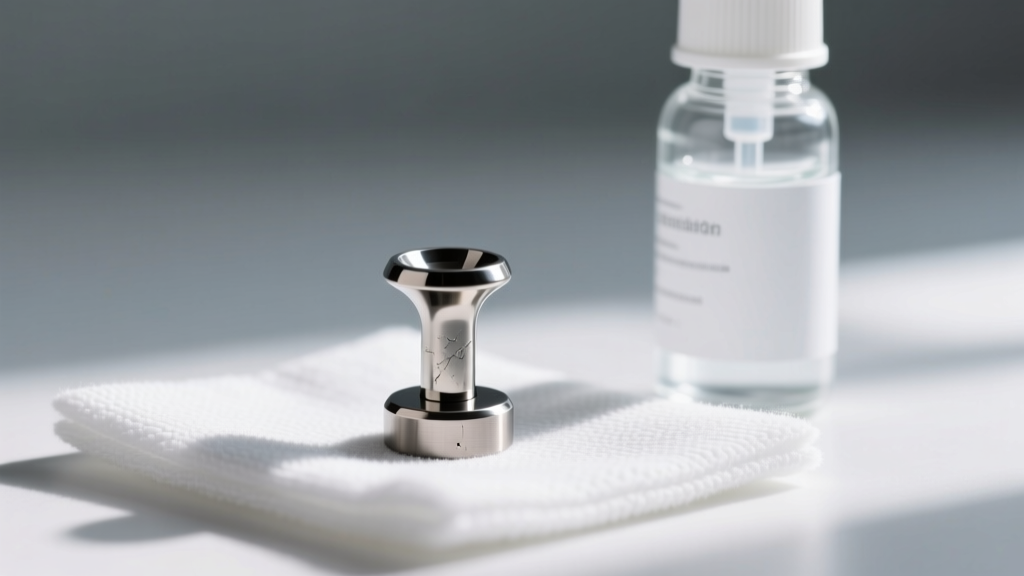
The term hypoallergenic body jewelry is frequently used in the piercing industry, but it is fundamentally a marketing phrase rather than a medical guarantee. True biocompatibility relies on specific metallurgical standards, and even the highest-quality implant-grade metals require meticulous care to maintain their inert properties. Improper cleaning routines can degrade protective oxide layers, introduce micro-scratches that harbor bacteria, or trigger mechanical irritation that mimics allergic contact dermatitis. This comprehensive guide details the exact protocols for cleaning, maintaining, and troubleshooting your high-end body jewelry in 2026.
Why 'Hypoallergenic' Doesn't Mean 'Maintenance-Free'
Many wearers assume that once they upgrade to implant-grade materials, they can neglect their aftercare routines. However, the human body produces sebum, dead skin cells, and environmental debris that accumulate around the jewelry post and threading. If left uncleaned, this biofilm can degrade the metal's surface finish. For example, the protective titanium dioxide layer on ASTM F-136 titanium is incredibly resilient, but harsh chemical cleaners can compromise it. According to the Association of Professional Piercers (APP), maintaining the mirror finish of your jewelry is just as critical as the material itself, as microscopic scratches can trap pathogens and cause localized tissue irritation.
The Material Breakdown: Cleaning Protocols by Metal
Not all hypoallergenic metals react identically to cleaning agents. Understanding your specific jewelry material is the first step in establishing a safe maintenance routine.
Implant-Grade Titanium (ASTM F-136)
Titanium is the gold standard for fresh piercings and sensitive skin. It is entirely nickel-free and highly resistant to corrosion. However, if your titanium jewelry is anodized (electrically treated to produce vibrant colors), you must avoid ultrasonic cleaners and harsh polishing cloths, as these can strip the anodized oxide layer and revert the metal to its natural silver color. Clean anodized titanium strictly with sterile saline and a soft, lint-free swab.
Niobium
Niobium is a highly reactive, unalloyed elemental metal that is exceptionally biocompatible. Like titanium, it can be anodized. Niobium is slightly softer than titanium, making it more susceptible to micro-scratches from abrasive cleaning tools. Never use stiff-bristled brushes on niobium segment rings or clickers; opt for soft cotton swabs or microfiber cloths instead.
Solid 14k and 18k Gold (Nickel-Free)
Gold is only hypoallergenic if it is alloyed with biocompatible metals like silver, copper, or palladium. White gold is particularly risky, as it is frequently alloyed with nickel to achieve its color. When cleaning solid gold body jewelry, avoid any products containing chlorine or bleach, which can permanently discolor the alloy and weaken the structural integrity of the prongs holding your gemstones.
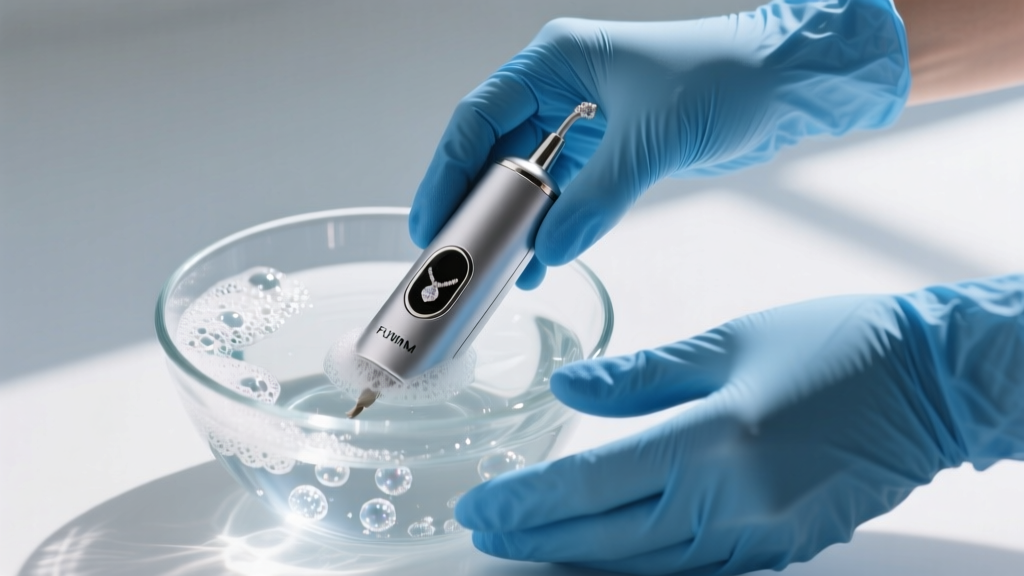
Step-by-Step Deep Cleaning Routine
For fully healed piercings, a bi-weekly deep cleaning routine will keep your hypoallergenic body jewelry looking pristine and functioning smoothly. Follow this professional-grade protocol:
- Preparation: Wash your hands thoroughly with an unscented, glycerin-based antibacterial soap. Put on disposable nitrile gloves to prevent transferring oils from your fingers to the jewelry.
- Removal: Carefully remove the jewelry. If dealing with internally threaded or threadless pieces, use a specialized jewelry insertion taper or rubber-tipped pliers to avoid slipping and scratching the metal.
- The Soak: Fill a small glass beaker with warm distilled water and a few drops of mild, unscented liquid soap (such as Dr. Bronner's Unscented Baby Soap). Submerge the jewelry for 5 to 7 minutes to soften accumulated sebum.
- Gentle Agitation: Use a brand-new, ultra-soft baby toothbrush or a dense cotton swab to gently dislodge debris from the threading, O-rings, and gemstone settings. Never use metal pins or needles to pick at debris, as this will gouge the metal.
- Rinsing and Drying: Rinse the jewelry under warm distilled water. Pat dry with a lint-free microfiber cloth. Avoid paper towels, as the wood pulp fibers can snag on prong settings and leave microscopic scratches on the metal surface.
Troubleshooting: When 'Hypoallergenic' Still Irritates
If you are wearing verified hypoallergenic body jewelry and still experiencing redness, swelling, or bumps, you are likely dealing with mechanical irritation or a compromised metal finish rather than a true metal allergy. The American Academy of Dermatology notes that true nickel allergies present as itchy, blistering rashes, whereas mechanical irritation presents as localized, fluid-filled bumps (hypertrophic scarring).
| Symptom | Probable Cause | Actionable Solution |
|---|---|---|
| Itchy, red, flaky rash directly around the piercing hole | Contact Dermatitis (Possible nickel contamination or fake metal) | Remove jewelry immediately. Have the piece XRF tested by a professional piercer to verify its ASTM F-136 or 14k+ gold composition. |
| Hard, localized bump next to the jewelry post | Mechanical Irritation (Micro-scratches on the post or improper angle) | Inspect the post under a jeweler's loupe. If scratched, replace the post. Consult a piercer to check the piercing angle and downsize the post length. |
| Jewelry feels 'stuck' or threading is difficult to screw in | Cross-threading or sebum buildup in the internal threads | Do not force it. Soak in warm soapy water, use a soft brush on the threads, and apply a microscopic amount of sterile jojoba oil to the threads before reinserting. |
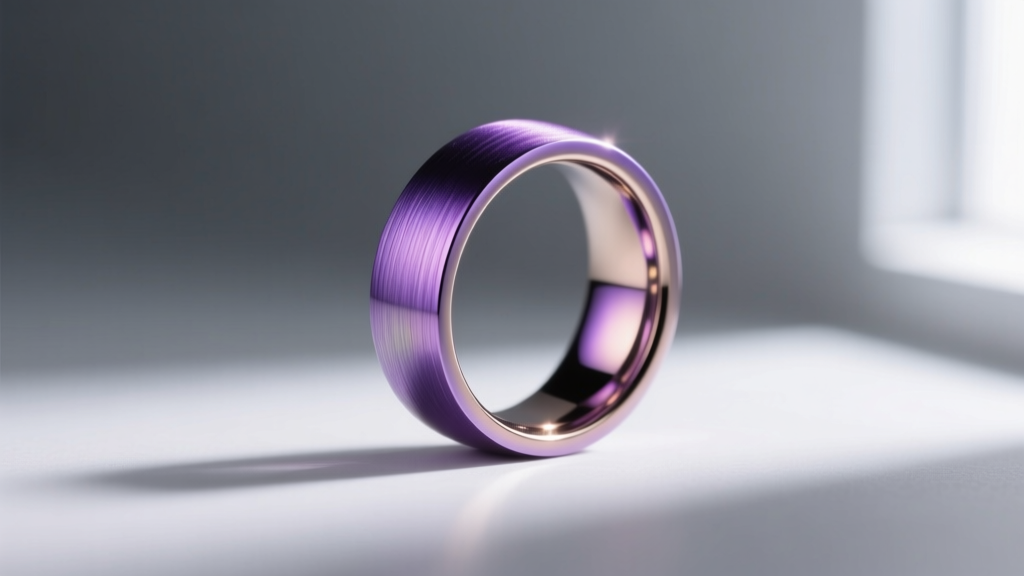
What to Avoid: The Enemies of Hypoallergenic Finishes
To protect the investment you have made in high-quality body jewelry, strictly avoid the following common cleaning mistakes:
- Alcohol and Hydrogen Peroxide: These harsh astringents not only destroy healthy healing tissue but can also dry out and degrade the O-rings and silicone components often found in segment rings and retainers.
- Tea Tree Oil: While popular in DIY aftercare circles, undiluted essential oils can cause severe chemical burns on the skin and may react with the alloyed metals in karat gold jewelry, leading to surface pitting.
- Commercial Silver Polishes: Never use tarnish-removing dips or polishing cloths designed for sterling silver on your titanium, niobium, or gold body jewelry. These compounds contain mild abrasives and sulfuric chemicals that will permanently cloud mirror finishes.
- Ultrasonic Cleaners on Gemstones: While a 40kHz ultrasonic cleaner ($30-$60 retail) is excellent for deep-cleaning plain titanium barbells, the high-frequency vibrations can shatter fragile gemstones like opals, emeralds, or turquoise, and loosen the adhesive in prong settings.
Expert Sourcing and Verification Tips
The best maintenance routine cannot fix inherently flawed jewelry. When purchasing hypoallergenic body jewelry, always demand documentation. Reputable manufacturers like NeoMetal, BVLA, and Anatometal provide mill certificates proving their titanium meets the ASTM F-136 standard. If a vendor cannot provide the specific alloy composition or relies on vague terms like 'surgical steel' (which contains up to 10% nickel), walk away. Investing $40 to $150 in verified, implant-grade pieces from a professional studio ensures that your cleaning routines will yield safe, beautiful, and long-lasting results.

