Mastering The Gauge Chart Body Jewelry Guide For Perfect Fits
Discover how 2026 gauge chart body jewelry trends reshape piercings. Learn exact mm conversions, micro-curation styling, and safe stretching protocols.

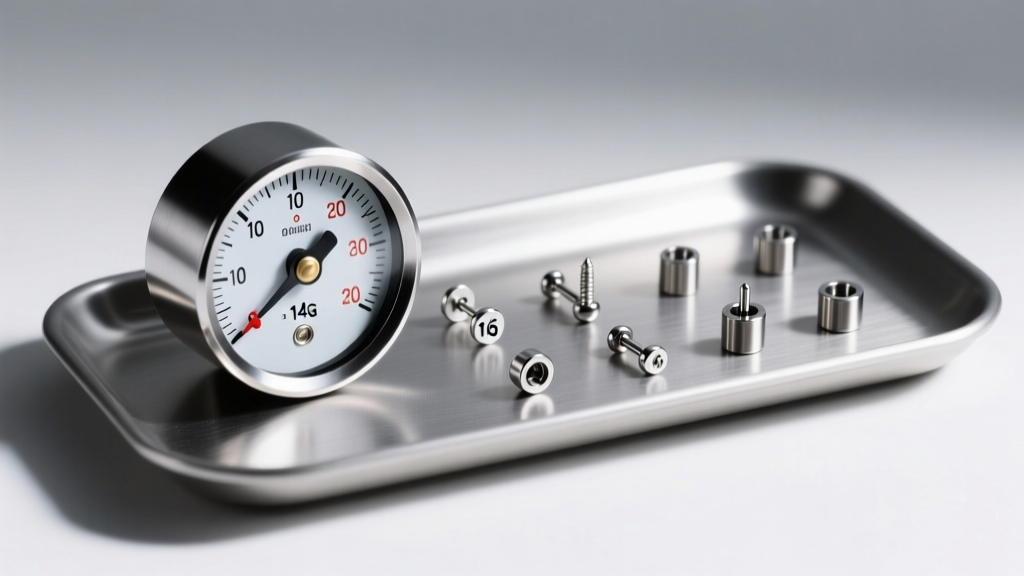
The Evolution of Proportions: Why Gauge Dictates 2026 Style
In the contemporary landscape of body modification, the diameter of your jewelry is no longer just a medical necessity—it is a deliberate stylistic choice. As we navigate the style trends of 2026, the curated ear and the minimalist facial piercing have evolved beyond simple placement. Today, collectors and piercers are playing with proportional contrast, mixing heavy statement pieces with ultra-fine micro-jewelry. Understanding how to read and apply a standard gauge chart body jewelry reference is the foundational skill required to execute these advanced aesthetic concepts safely and beautifully.
Historically, gauge sizes were strictly dictated by anatomy and healing requirements. While the Association of Professional Piercers (APP) still mandates specific minimum gauges for initial piercings to prevent the "cheese-cutter effect" (where thin jewelry migrates through tissue), the secondary jewelry market has exploded with diverse sizing options. From 20-gauge micro-studs designed for delicate helix clusters to 0-gauge niobium septum rings for stretched lobes, the gauge you choose fundamentally alters the visual weight and architectural balance of your modifications.
Decoding the Standards: The 2026 Gauge Conversion Table
The gauge system can be notoriously counterintuitive for newcomers: as the gauge number increases, the physical thickness of the metal decreases. To eliminate guesswork and ensure you are ordering the correct components for your anatomy, refer to the comprehensive conversion table below. This data reflects both the exact millimeter measurements and the current trend status for each size in high-end piercing studios.
| Gauge (g) | Millimeter (mm) | Primary Placement | 2026 Trend Status |
|---|---|---|---|
| 20g | 0.81mm | Nose, Standard Lobe | Micro-Delicate (High Demand) |
| 18g | 1.02mm | Helix, Tragus, Nostril | Threadless Standard |
| 16g | 1.29mm | Cartilage, Lip, Septum | Curated Ear Anchor |
| 14g | 1.60mm | Navel, Nipple, Industrial | Bold Statement Base |
| 0g | 8.00mm | Stretched Lobe, Septum | Heavy Revival |
When consulting a gauge chart body jewelry guide, it is critical to remember that millimeter conversions are absolute, while gauge numbers can occasionally vary by a fraction of a millimeter depending on the manufacturer's regional standards (e.g., American Wire Gauge vs. Standard Wire Gauge). Always verify the exact mm thickness when purchasing from international artisans or bespoke jewelers to avoid fistula trauma during insertion.
Micro-Curations: The 18g and 20g Delicate Movement
The most dominant style trend of the mid-2020s is the "micro-curation." This aesthetic relies heavily on 18-gauge (1.02mm) and 20-gauge (0.81mm) jewelry to create intricate, lace-like patterns across the ear and face. However, working at these microscopic scales introduces significant material and mechanical challenges that collectors must understand.
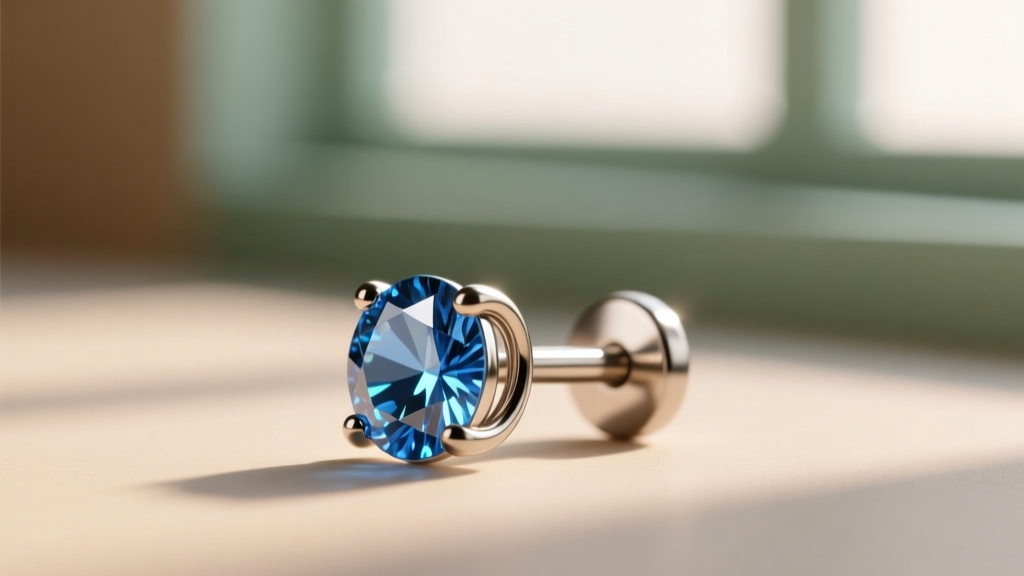
The Threadless Imperative at Micro-Gauges
At 18g and thinner, traditional internally threaded jewelry becomes structurally compromised. The tap required to carve threads into a 0.81mm post removes too much material, leaving the jewelry fragile and prone to snapping under pressure. Furthermore, dragging external threads through a delicate 20g nostril fistula can cause micro-tears and irritation bumps. Consequently, the industry standard for micro-jewelry is now exclusively threadless (push-pin) technology. The tension-fit mechanism of a threadless pin preserves the structural integrity of the post while providing a seamless, flush fit against the skin.
Material Hardness and Post Bending
When selecting micro-gauge jewelry, material hardness is paramount. Implant-grade titanium (ASTM F136) is exceptionally rigid, making it the ideal choice for 18g and 20g posts that need to be bent slightly by a piercer to secure the threadless tension fit. Conversely, high-karat gold (14k and 18k) is a softer alloy. A solid 18k gold post at 20-gauge can easily bend or warp during insertion if the piercing channel is tight or at an awkward angle. For ultra-fine gold jewelry, reputable manufacturers like BVLA (Body Vision Los Angeles) often utilize titanium posts with gold ends, marrying the biocompatibility and rigidity of titanium with the aesthetic warmth of gold.
The Bold Revival: Stretching and Heavy Gauge Aesthetics
On the opposite end of the spectrum, 2026 has seen a massive resurgence in heavy-gauge body jewelry, particularly in stretched earlobes and septums. The days of rushing stretches with acrylic tapers are over; modern collectors prioritize tissue health, opting for slow, methodical sizing up using dead stretching and weighted jewelry.
Safe Stretching Protocols and Material Choices
Stretching beyond 14g (1.6mm) requires a deep understanding of tissue elasticity. The general consensus among professional piercers is that 0-gauge (8.0mm) is the "point of no return" for most earlobes, meaning the tissue may not shrink back to a standard size if you stretch past this threshold. To achieve these larger sizes safely, the modern protocol involves:
- Dead Stretching: Allowing the tissue to naturally expand until the next half-size (e.g., 6g to 5g) slides in with zero resistance and no pain, aided by organic jojoba oil.
- Teflon Tape Wrapping: A controlled method of adding fractional millimeters to a steel or glass plug over weeks, avoiding the blowout risks associated with forced tapers.
- Weighted Jewelry: Using heavy glass or surgical steel hangars to gently encourage tissue expansion through gravity, a technique that also promotes healthy blood flow to the fistula.
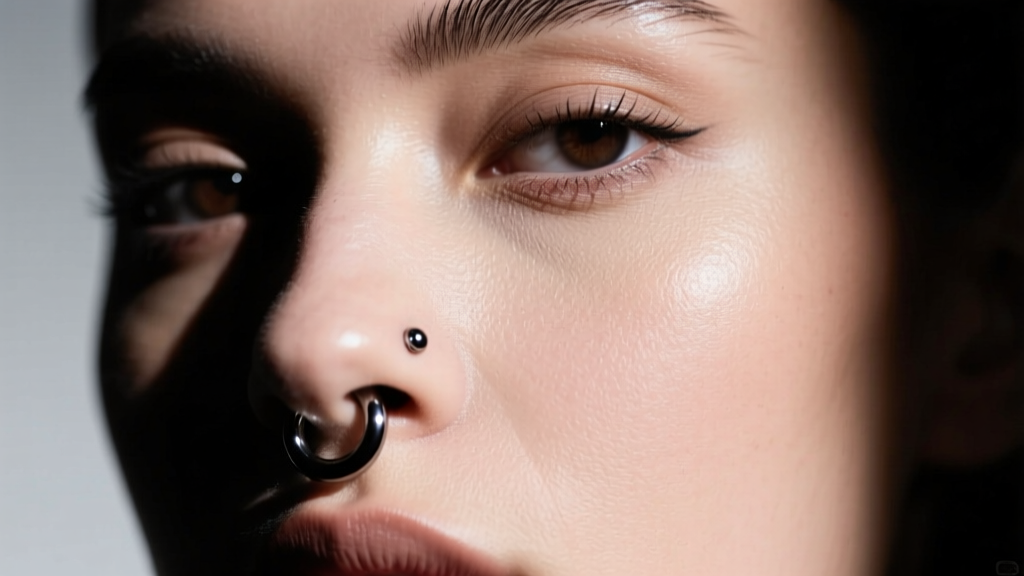
Niobium and Glass: The Heavyweights
At larger gauges (2g through 00g), the weight of the jewelry becomes a significant factor. Solid steel can become uncomfortably heavy for daily wear in a septum or lobe. Niobium, a highly biocompatible reactive metal, offers a fantastic alternative. It can be anodized to create stunning, vibrant colors (like deep purples and oil-slick blacks) without the use of surface coatings that could flake off in a large fistula. Additionally, borosilicate glass remains the gold standard for fresh stretches and heavy daily wear due to its non-porous nature and smooth, frictionless surface.
How to Use Proportional Contrast in Custom Styling
The true artistry of modern body jewelry lies in juxtaposition. Instead of wearing uniform gauges across a curated ear, top stylists in 2026 are utilizing proportional contrast to draw the eye and create dynamic visual interest. Here is a practical framework for designing a contrasting layout:
- Establish an Anchor: Choose one bold, heavy piece to serve as the focal point. A 14g industrial barbell or a 12g conch hoop provides structural weight and grounds the composition.
- Frame with Micro-Studs: Surround the anchor with 18g or 20g threadless studs. The delicate sparkle of tiny bezel-set gemstones will contrast sharply with the thick, bold lines of the anchor piece.
- Utilize Negative Space: Do not fill every available millimeter of cartilage. Leaving intentional gaps between heavy and light gauges allows the anatomy of the ear to breathe and prevents the curation from looking cluttered.
Final Thoughts on Sizing and Aesthetics
Mastering the nuances of body jewelry gauges elevates your collection from a random assortment of accessories to a cohesive, intentional work of art. Whether you are embracing the ultra-fine elegance of 20-gauge threadless diamonds or committing to the bold, architectural presence of a 0-gauge stretched septum, respecting the physical limitations of both your anatomy and your chosen materials is non-negotiable. Always consult with an APP-certified professional before making drastic changes to your gauge sizes, and invest in high-quality, implant-grade materials to ensure your modifications remain healthy, vibrant, and beautifully styled for decades to come.