Titanium Piercing Jewelry: An Expert Guide to Grades and Finishes
Discover the technical differences in titanium piercing jewelry. We compare ASTM F136 vs F67 grades, anodization, and mirror finishes for safe healing.

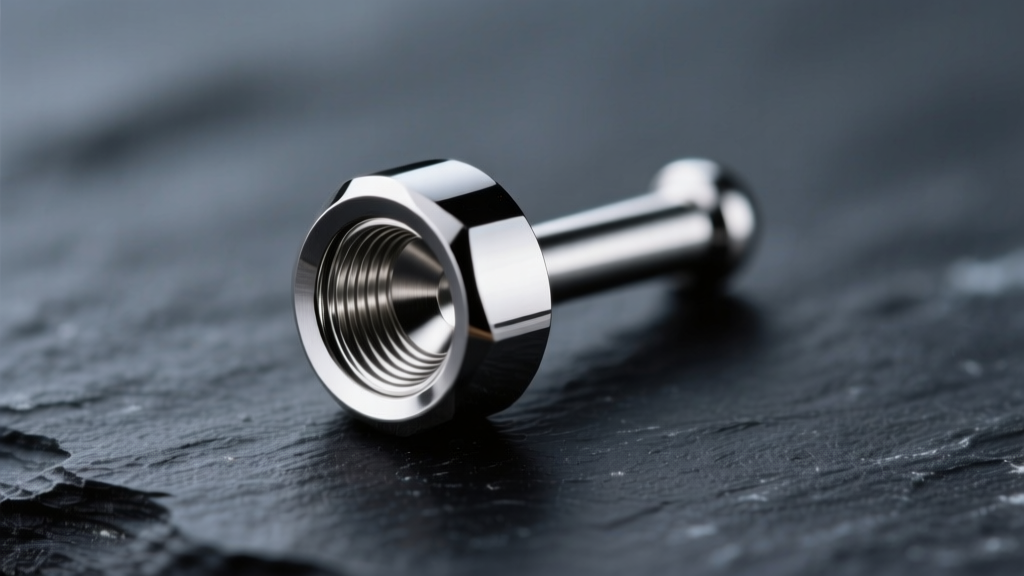
The Metallurgy of Safe Piercings: Why Titanium?
In the professional body modification industry, the transition from surgical steel to titanium piercing jewelry represents one of the most significant advancements in client safety and healing outcomes. While 316LVM surgical steel was the standard for decades, its inherent nickel content and porous surface finishes frequently led to contact dermatitis, localized inflammation, and delayed epithelialization. Today, implant-grade titanium is the undisputed gold standard for initial piercings and long-term wear. However, not all titanium is created equal. The term 'titanium' is frequently misused by mass-market retailers to describe low-grade alloys that fail to meet strict biomedical standards. To truly understand why high-end titanium promotes rapid, complication-free healing, we must examine the metallurgy, surface topography, and electrochemical properties that define premium body jewelry.
According to the Association of Professional Piercers (APP), only specific grades of titanium are considered safe for initial piercings. The human body is a highly corrosive environment, rich in chloride ions from sweat, blood, and lymphatic fluid. When jewelry is inserted into a fresh fistula, the material must resist galvanic corrosion and ion leaching. True implant-grade titanium achieves this through a passive, self-healing titanium dioxide (TiO2) oxide layer that forms instantly upon exposure to oxygen, effectively sealing the underlying metal from biological fluids.
ASTM F136 vs. ASTM F67: Decoding Titanium Grades
When sourcing premium titanium piercing jewelry, you will encounter two primary ASTM (American Society for Testing and Materials) designations: F136 and F67. Understanding the mechanical and chemical differences between these two standards is critical for both piercers and collectors.
ASTM F136 (Ti-6Al-4V ELI): This is an alpha-beta titanium alloy containing 6% aluminum and 4% vanadium. The 'ELI' stands for Extra Low Interstitial, meaning the levels of oxygen, nitrogen, carbon, and iron are strictly minimized. This reduction in interstitial elements dramatically improves fracture toughness and corrosion resistance. F136 is the exact same alloy used in aerospace components and orthopedic hip replacements. It possesses high tensile strength, making it ideal for structural jewelry like straight barbells and heavy-gauge labrets that must resist bending.
ASTM F67 (Commercially Pure Titanium): This standard covers unalloyed, commercially pure (CP) titanium, typically Grade 4. While it offers excellent biocompatibility and zero nickel release, it lacks the tensile strength of F136. F67 is highly malleable, making it the preferred choice for continuous rings, segment rings, and dermal tops where flexibility and lightweight properties are prioritized over rigid structural integrity.
| Feature | ASTM F136 (Ti-6Al-4V ELI) | ASTM F67 (CP Titanium) | ASTM F138 (Surgical Steel) |
|---|---|---|---|
| Alloy Composition | Titanium, Aluminum, Vanadium | Pure Titanium | Iron, Chromium, Nickel |
| Nickel Release Rate | Virtually Zero | Virtually Zero | 0.2 - 0.8 µg/cm²/week |
| Tensile Strength | High (895 MPa) | Moderate (550 MPa) | High (500-700 MPa) |
| Best Use Case | Initial piercings, heavy wear | Dermal tops, flexible rings | Not recommended for fresh |
Surface Finish and Roughness (Ra) Metrics
The metallurgical purity of titanium piercing jewelry is only half the equation; the surface topography dictates how the body's immune system interacts with the jewelry. Surface roughness is measured using the Ra (Roughness average) metric, expressed in micrometers (µm). A standard commercial polish might leave microscopic grooves with an Ra of 1.2 µm to 1.5 µm. While this looks shiny to the naked eye, under a scanning electron microscope, it resembles a jagged mountain range.
Why Mirror Polish Matters for Cellular Adhesion
When a piercing is healing, fibroblasts and epithelial cells attempt to migrate along the jewelry surface to form the fistula. Human cells are approximately 10 to 20 µm in diameter. If the surface grooves are too deep, cells cannot bridge the gaps, leading to micro-tearing and chronic inflammation. More critically, pathogenic bacteria like Staphylococcus aureus are roughly 1 µm in size. They can easily colonize the microscopic valleys of a poorly polished surface, forming biofilms that are resistant to saline aftercare.
High-end manufacturers utilize a multi-step mechanical polishing process, often finishing with a specialized vibratory tumbling stage, to achieve an Ra of less than 0.8 µm, and ideally approaching 0.5 µm. This mirror finish eliminates bacterial harborage points and allows epithelial cells to adhere smoothly, significantly reducing healing times and the risk of hypertrophic scarring. The FDA's guidelines on titanium alloys in medical devices heavily emphasize the necessity of controlled surface finishes to prevent adverse tissue reactions, a principle that directly translates to body jewelry.
The Science of Anodized Titanium Piercing Jewelry
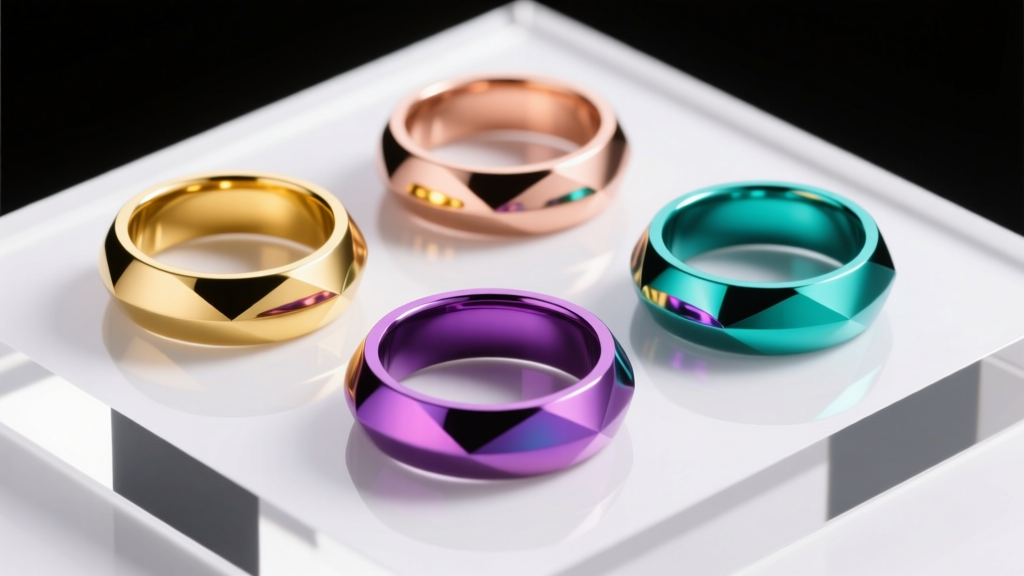
One of the most remarkable properties of titanium is its ability to be anodized, allowing for a spectrum of vibrant colors without the use of toxic dyes, paints, or PVD (Physical Vapor Deposition) coatings. Anodization is an electrolytic passivation process that increases the thickness of the natural titanium dioxide (TiO2) layer on the metal's surface.
When titanium jewelry is submerged in an electrolytic solution (such as trisodium phosphate or a simple baking soda bath) and a DC voltage is applied, oxygen ions bond with the titanium surface. The resulting oxide layer is entirely transparent, but it alters the way light refracts and reflects off the underlying metal. This phenomenon, known as thin-film interference, produces vivid colors based entirely on the thickness of the oxide layer, which is strictly controlled by the voltage applied.
- 15 - 20 Volts: Bronze / Gold
- 30 - 40 Volts: Purple / Deep Blue
- 50 - 60 Volts: Teal / Light Green
- 70 - 90 Volts: Rose / Magenta
Because the color is a structural property of the oxide layer rather than a surface pigment, anodized titanium piercing jewelry is completely hypoallergenic. The color will not flake, peel, or leach into the fistula. However, it is worth noting that the oxide layer can be scratched by harsh chemicals or friction, which is why professionals recommend cleaning anodized pieces with mild, non-abrasive soap rather than ultrasonic cleaners or alcohol-based solutions.
Identifying Counterfeit and Low-Grade Titanium
As the demand for premium titanium piercing jewelry has surged, so has the market for counterfeit products. Mass-market e-commerce platforms are flooded with jewelry labeled as 'titanium' that is actually zinc alloy plated with a microscopic layer of titanium nitride, or low-grade industrial titanium that lacks the ELI certification required for biological implantation.
Experts and professional piercers utilize several methods to verify authenticity. First, specific gravity testing is highly effective. Titanium has a density of approximately 4.5 g/cm³, making it roughly 45% lighter than surgical steel (7.9 g/cm³). A genuine titanium barbell will feel noticeably lighter than a steel counterpart of the exact same dimensions. Second, color and luster offer visual cues. Unpolished titanium has a slightly darker, warmer grey hue compared to the bright, cold silver of steel. Finally, reputable manufacturers utilize X-ray Fluorescence (XRF) analyzers to verify the exact elemental composition of their raw stock, ensuring the aluminum and vanadium ratios perfectly match the ASTM F136 specification.
Expert Sourcing and Brand Verification
When investing in titanium piercing jewelry, provenance is paramount. The safest approach is to purchase directly from established, APP-compliant manufacturers who mill their own jewelry from certified implant-grade stock and provide material traceability. Industry leaders such as Industrial Strength, NeoMetal, Anatometal, and BVLA have built their reputations on rigorous quality control, CNC-machined internal threading, and flawless mirror polishes.
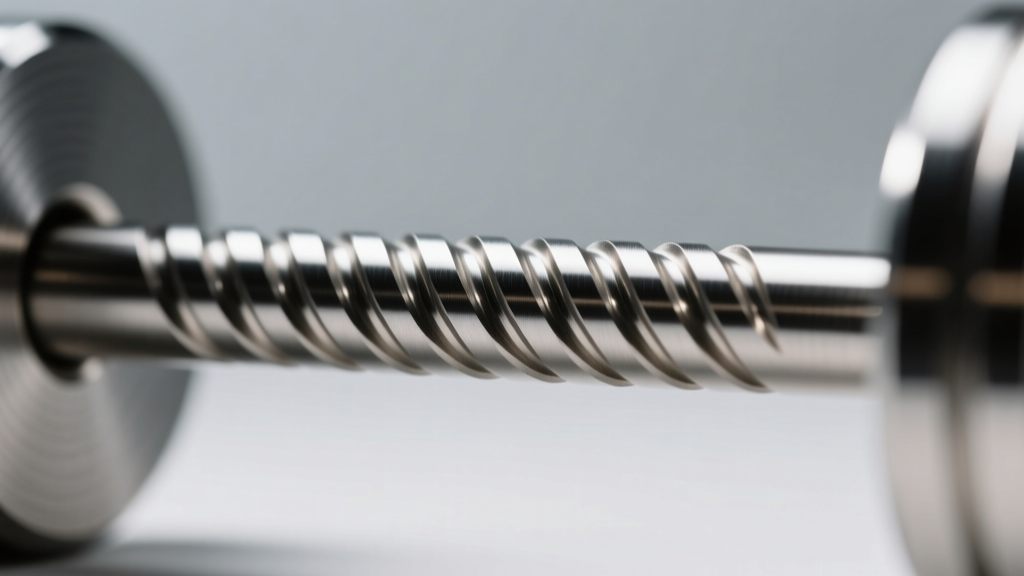
Internal threading (where the screw is on the jewelry post rather than the ball) is a hallmark of high-end titanium jewelry. External threading requires the screw to pass through the delicate fistula during insertion, causing micro-trauma. Internally threaded or threadless (push-pin) titanium designs eliminate this tissue damage entirely. By prioritizing verified ASTM F136 or F67 grades, sub-0.8 µm surface finishes, and precision threading, you ensure that the jewelry works in harmony with the body's natural healing processes, setting the foundation for a flawless, lifelong piercing.