How to Safely Change and Style Avanti Body Jewelry
Learn how to safely install, change, and style Avanti body jewelry. Step-by-step guide on handling threadless and internally threaded titanium.

Understanding Avanti Body Jewelry Standards
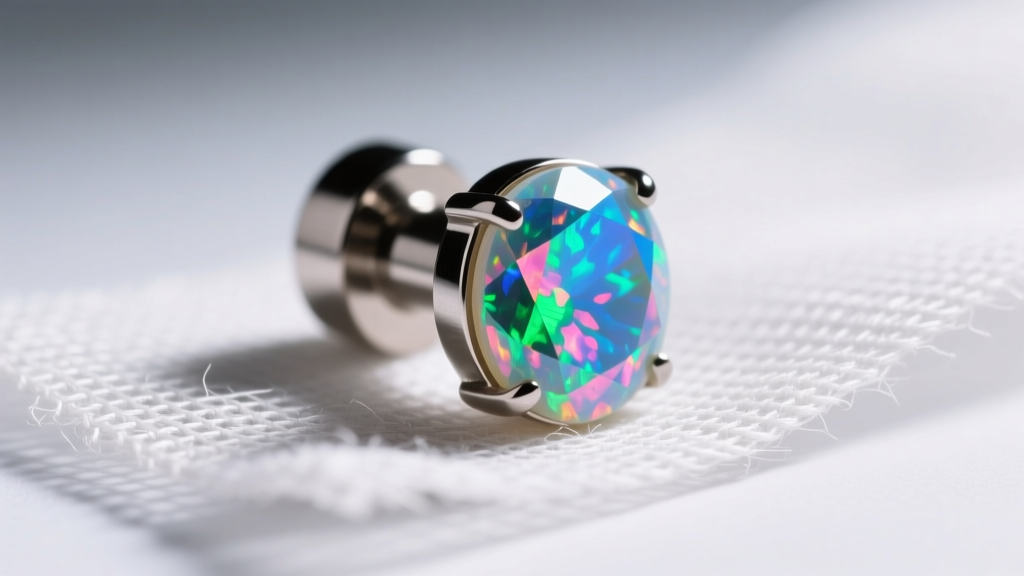
When investing in high-end body modification, the structural integrity and material purity of your jewelry are non-negotiable. Avanti body jewelry has established a strong reputation in the professional piercing community for its strict adherence to ASTM F-136 implant-grade titanium standards and precise CNC machining. Whether you are working with their renowned threadless ends or internally threaded barbells, understanding the engineering behind these pieces is the first step toward safe installation and long-term wear. In 2026, the demand for mirror-polished, hypoallergenic jewelry continues to rise, making proper handling techniques essential to prevent micro-scratches that can harbor bacteria.
According to the Association of Professional Piercers (APP), implant-grade titanium remains the gold standard for initial piercings and long-term wear due to its biocompatibility and lack of nickel. Avanti’s manufacturing process ensures a flawless surface finish, but improper installation can compromise both the jewelry and the piercing fistula. This guide provides a comprehensive, step-by-step framework for changing, securing, and styling your pieces without causing tissue trauma or damaging the precision-engineered components.
Preparation: Tools and Hygiene for Jewelry Changes
Before attempting to change any body jewelry, establishing a sterile and organized workspace is critical. The bathroom sink is not an appropriate environment for handling microscopic threading or tension-fit pins. Instead, utilize a clean, flat surface covered with a disposable paper towel or sterile drape.
Essential Tools for Threadless and Threaded Pieces
- Powder-Free Nitrile Gloves: Essential for maintaining a firm grip on small components and preventing the transfer of skin oils and bacteria to the jewelry.
- Non-Woven Sterile Gauze: Used for gripping the jewelry and absorbing excess saline or moisture.
- Sterile Saline Solution (0.9%): For lubricating the post and cleaning the piercing site prior to insertion.
- Jewelry Pliers (Optional): Specifically, coated or taped hemostats for gripping stubborn threadless pins without scratching the titanium.
- Taper Pin (For Threaded): To help align internal threads if resistance is met.
Always wash your hands thoroughly with antimicrobial soap before donning nitrile gloves. The APP Aftercare Guidelines emphasize that hand hygiene is the most critical factor in preventing localized infections during jewelry changes.
Step-by-Step: Installing Threadless Avanti Ends
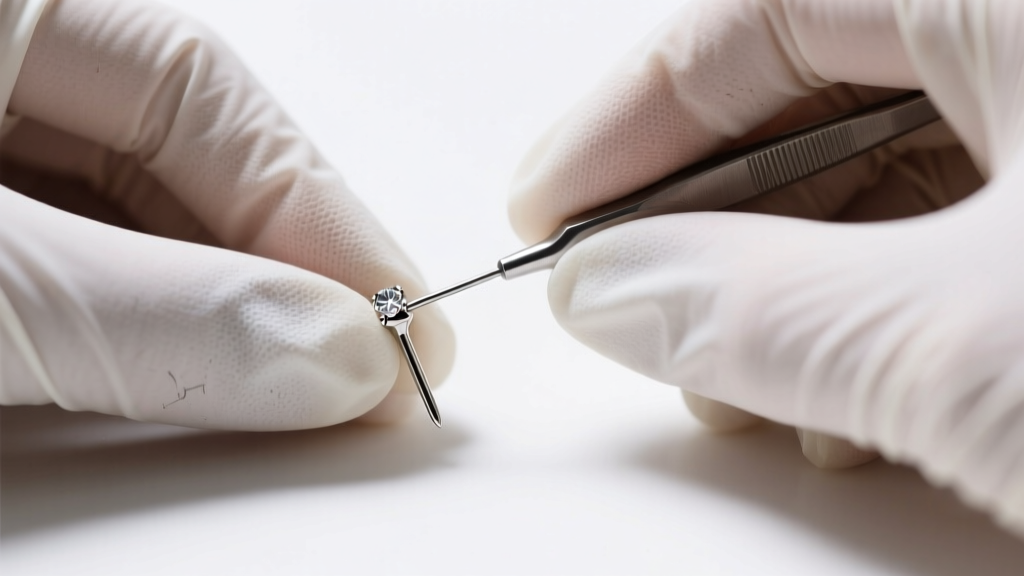
Threadless jewelry, often referred to as push-fit or press-fit, relies on the tension of a slightly bent pin against the hollow interior of the barbell post. Avanti threadless pins are machined to exact tolerances, typically measuring 0.9mm for 18-gauge and 1.2mm for 16-gauge configurations. The friction fit is incredibly secure when executed correctly.
The 15-Degree Bending Technique
The most common mistake enthusiasts make is failing to bend the pin, resulting in an end that falls out, or bending it too sharply, making removal impossible. Follow these precise steps:
- Insert and Mark: Insert the threadless pin into the hollow post approximately one-third of the way.
- Apply the Bend: Using your gloved thumb and index finger, apply gentle pressure to create a slight bend (approximately 10 to 15 degrees) right at the edge where the pin exits the post.
- Test the Tension: Remove the pin and re-insert it fully. You should feel distinct, firm resistance when pushing the decorative end flush against the post.
- Lock it In: Once fully seated, give the end a slight twist to ensure the bend is catching evenly against the interior wall of the titanium post.
If the end feels loose, remove it and increase the bend by 2 to 3 degrees. If it is impossible to push flush, reduce the bend. Never force a pin that is bent at a severe angle, as this can warp the interior of the Avanti post.
Step-by-Step: Handling Internally Threaded Avanti Barbells
Internally threaded jewelry features the screw mechanism on the decorative end, while the barbell post remains smooth. This design, compliant with ISO 5832-1 standards, ensures that no sharp threads pass through the delicate fistula tissue during insertion or removal.
Alignment and Threading Protocol
Cross-threading is the primary failure mode for internally threaded body jewelry. To avoid stripping the precision-cut titanium threads, employ the "back-threading" technique:
- Align the threaded end with the hollow post.
- Turn the decorative end counter-clockwise (left) until you feel or hear a subtle "click." This indicates the threads have perfectly aligned.
- Once aligned, turn the end clockwise (right) to tighten.
- Secure the piece until it is finger-tight. Avoid using pliers to tighten threaded ends, as excessive torque can cause the components to seize together permanently.
Troubleshooting Stuck or Cross-Threaded Components
If an internally threaded Avanti piece becomes stuck due to dried lymph fluid or overtightening, do not use brute force. Soak the area in warm sterile saline for five minutes to dissolve biological debris. If the piece remains stuck, use rubber-gripped jewelry pliers on the decorative end while holding the post steady with a sterile gauze pad. If you suspect cross-threading, stop immediately and consult a professional piercer to prevent irreversible damage to the threading.
Avanti Material Care and Maintenance Matrix
Different materials and gemstone settings require specific maintenance routines to preserve their optical clarity and structural integrity. Below is a quick-reference matrix for maintaining your collection.
| Material / Component | Cleaning Agent | Maintenance Frequency | Specific Warnings |
|---|---|---|---|
| ASTM F-136 Titanium Posts | Sterile Saline (0.9%) | Daily (during healing), Weekly (healed) | Avoid harsh alcohols which can dry out surrounding tissue. |
| 14k/18k Solid Gold Ends | Mild, Fragrance-Free Soap | Bi-Weekly | Do not use ultrasonic cleaners on soft gems like opals or turquoise. |
| Bezel-Set Gemstones | Soft Microfiber Cloth | As needed for smudges | Never use chemical dips or silver polish on gold or titanium settings. |
| O-Rings (Silicone) | Warm Water & Antibacterial Soap | Every time jewelry is changed | Replace silicone O-rings every 6-12 months to prevent dry rot and tearing. |
Styling Guidelines for Specific Piercing Types
Avanti body jewelry offers versatile aesthetics that cater to both minimalist and maximalist styling preferences. When planning a curated ear project or a focal facial piercing, consider the anatomical constraints and the visual weight of the jewelry.
Curated Ear Projects (Helix, Conch, Flat)
For flat and conch piercings, threadless Avanti ends with a low-profile bezel setting are ideal. A 4mm to 6mm gemstone provides excellent visibility without catching on hair or clothing. When styling a helix stack, alternate between plain titanium ball ends and intricate floral or geometric Avanti designs to create visual rhythm. Ensure the post length is perfectly fitted by a professional; a post that is too long will stick out and catch on external objects, while a post that is too short can cause embedding.
Septum and Lip Piercings
For septum piercings, Avanti’s seamless segment rings and clickers offer a polished, continuous look. When installing a clicker, ensure the hinge is fully seated and the closure mechanism snaps audibly. For vertical labrets or standard lip piercings, internally threaded flat-back labret posts are the standard. The flat disc rests comfortably against the gums and teeth, significantly reducing the risk of enamel wear and gingival recession compared to traditional ball-back jewelry.
When to Consult a Professional Piercer
While mastering DIY jewelry changes is empowering, certain situations mandate a visit to a reputable piercing studio. If you experience persistent swelling, localized heat, or if the jewelry begins to embed into the tissue, do not attempt to force the jewelry out yourself. Furthermore, if you are transitioning from initial healing jewelry to your first decorative Avanti piece, having a professional piercer perform the change ensures the fistula is not traumatized and the new jewelry is fitted to your exact anatomical measurements. Proper installation is the cornerstone of safe, lifelong body modification.