Piercing Gift Guide: Sizing, Metals & Tulsa Body Jewelry Discount Code
Master the art of gifting body jewelry. Learn sizing, APP-approved metals, and how to use a Tulsa Body Jewelry discount code for premium pieces.

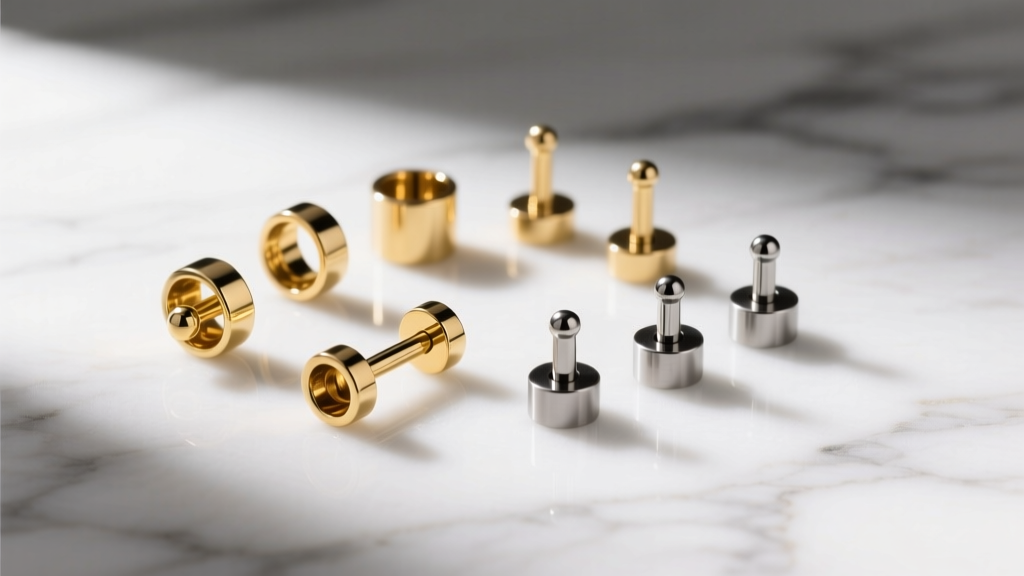
Gifting body jewelry is one of the most intimate, personalized presents you can offer, but it is also one of the most technically demanding. Unlike a necklace or a pair of earrings, body piercing jewelry must conform to strict anatomical measurements, biocompatibility standards, and specific healing stages. A beautiful piece of jewelry is entirely useless if the gauge is wrong, the post is too short, or the metal causes a contact allergy. Whether you are shopping for a milestone birthday, an anniversary, or a holiday upgrade, this comprehensive 2026 guide will help you navigate the complexities of sizing, metallurgy, and budgeting.
The Golden Rule: Sizing and Anatomy First
Before you even look at gemstone cuts or gold colors, you must understand the recipient's anatomy. Body jewelry sizing is defined by two primary metrics: gauge (the thickness of the metal passing through the skin) and inner diameter/post length (the wearable surface area). Guessing these measurements is the number one reason gifted body jewelry goes unworn.
Gauge and Inner Diameter (ID) Cheat Sheet
While every individual's anatomy is unique, professional piercers generally adhere to standard sizing baselines. If you are buying a hoop (like a captive bead ring or clicker), you need the Inner Diameter (ID). If you are buying a straight or curved barbell, you need the Post Length.
| Piercing Type | Standard Gauge | Common ID / Post Length | Best Gift Style |
|---|---|---|---|
| Helix / Lobe | 16g or 14g | 1/4" to 5/16" (Post) | Threadless Gem Ends |
| Conch | 14g | 5/16" to 3/8" (Post) | Large Cluster Ends |
| Septum | 16g | 5/16" or 3/8" (ID) | Ornate Clicker Rings |
| Nostril | 18g or 16g | 1/4" to 5/16" (Post) | L-Bends or Threadless |
| Daith | 16g | 5/16" or 3/8" (ID) | Heart or Shield Clickers |
Material Science: What the APP Actually Recommends
The Association of Professional Piercers (APP) sets the gold standard for body jewelry materials. When gifting, you must avoid 'surgical steel' (often labeled as 316L stainless steel). Despite the medical-sounding name, 316L steel contains up to 10% nickel, which can leach into the skin and cause severe allergic reactions or contact dermatitis, especially in long-term wearers.
Instead, limit your gift search to these APP-approved materials:
- Implant-Grade Titanium (ASTM F-136): The undisputed king of body jewelry. It is completely nickel-free, lightweight, and can be anodized to create vibrant colors without using dyes or plating.
- Niobium: A highly reactive metal similar to titanium, often used for seamless rings because it is incredibly soft and easy for piercers to adjust.
- Solid 14k or 18k Gold: Must be nickel-free and alloyed specifically for body jewelry. Avoid gold-plated or gold-filled items, as the plating will eventually wear off, exposing the base metal to the piercing fistula.
For a deeper dive into biocompatible metals, consult the APP's official materials guide to ensure your gift is safe for long-term wear.
Threadless vs. Internally Threaded: The Gifter’s Dilemma
If you are buying jewelry that consists of a post and a decorative end, you will encounter two connection methods: internally threaded and threadless (push-pin).
Internally Threaded: The screw mechanism is on the inside of the post, and the decorative end has a smooth pin. This is excellent for comfort but requires exact sizing. If the post is even 1mm too long, it will snag; if it is too short, it will embed.
Threadless (Push-Pin): The decorative end features a slightly bent pin that inserts into a hollow post. The tension of the bent pin holds the jewelry together. Pro-Tip for Gifting: Threadless jewelry is vastly superior for gifts. Because the pin can be bent further or straightened by the wearer or their piercer, it allows for micro-adjustments in post length, making it much more forgiving if you aren't 100% certain of their exact anatomical depth.
Occasion Matching: Healing vs. Healed Milestones
The occasion dictates the complexity of the jewelry. Gifting a heavily gem-encrusted gold clicker to someone whose daith piercing is only three weeks old is a recipe for an infection.
For Fresh or Healing Piercings (0-12 Months)
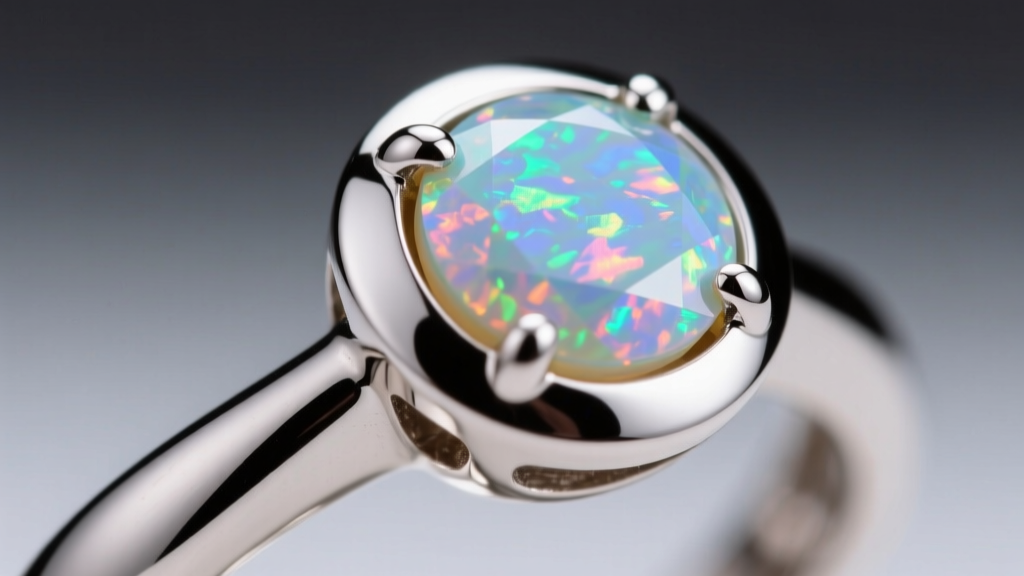
Stick to minimalist, high-polish implant-grade titanium. Avoid intricate designs, prong-set gems, or heavy gold pieces that can harbor bacteria or weigh down the swelling tissue. A simple titanium labret with a smooth, bezel-set synthetic opal is a thoughtful, safe choice.
For Healed Piercings & Major Milestones
This is where you can invest in luxury. Anniversaries, graduations, and milestone birthdays call for solid 14k or 18k gold. Intricate septum clickers with filigree detailing, conch shields, or threadless ends featuring genuine salt-and-pepper diamonds are exceptional gifts that elevate a healed piercing into a statement piece.
Maximizing Your Budget: The Tulsa Body Jewelry Discount Code Strategy
Premium body jewelry is an investment. A single solid 14k gold threadless end from top-tier makers like BVLA or Maria Tash can easily range from $80 to over $250, not including the post. When budgeting for high-end body mods, savvy shoppers often search for a tulsa body jewelry discount code during holiday seasons or promotional events to offset the cost of solid gold upgrades.
Regional hubs and specialized online retailers often run unadvertised sales, newsletter-exclusive promos, or abandoned-cart discounts. By securing a tulsa body jewelry discount code, you can frequently bridge the financial gap between gifting a standard titanium piece and a luxurious solid gold alternative. Always ensure that any discounted jewelry still meets ASTM F-136 or solid gold standards—never compromise on metallurgy just to get a cheaper price tag.
Price vs. Value Comparison
| Material | Average Price Range | Best For | Allergy Risk |
|---|---|---|---|
| Implant-Grade Titanium | $25 - $60 | Healing piercings, everyday wear | Zero |
| 14k Solid Gold | $80 - $200 | Milestone gifts, healed piercings | Zero (if nickel-free) |
| 18k Solid Gold | $150 - $400+ | Luxury gifts, deep color warmth | Zero (if nickel-free) |
| 'Surgical' Steel (316L) | $8 - $20 | Avoid for gifting | High (Nickel content) |
The Ultimate Pre-Checkout Checklist
Before you finalize your gift order, run through this quick diagnostic checklist to ensure your present is a triumph rather than a return:
- Verify the Gauge: Did you check their current jewelry or ask their piercer? (e.g., Nostrils are often 18g, while Helixes are usually 16g).
- Confirm the Connection: Are you buying a threadless end? Make sure you also add the correct gauge and length titanium post to the cart.
- Check the Metal: Is it explicitly listed as ASTM F-136 Titanium or solid 14k/18k gold? If it just says 'surgical steel', remove it from your cart.
- Consider the Setting: For active recipients, choose bezel-set gems over prong-set gems to prevent snagging on hair and clothing.
Gifting body jewelry shows a profound level of attention to detail and personal care. By prioritizing biocompatible materials, precise anatomical sizing, and smart budgeting strategies, you can give a gift that they will wear comfortably and proudly for a lifetime. For more technical standards on fresh piercing jewelry, refer to the APP's guidelines on initial jewelry.


