How to Clean Earrings for Tragus Piercing Safely
Learn the safest cleaning routine for earrings for tragus piercing. Discover expert tips on saline soaks, titanium care, and avoiding irritation bumps.

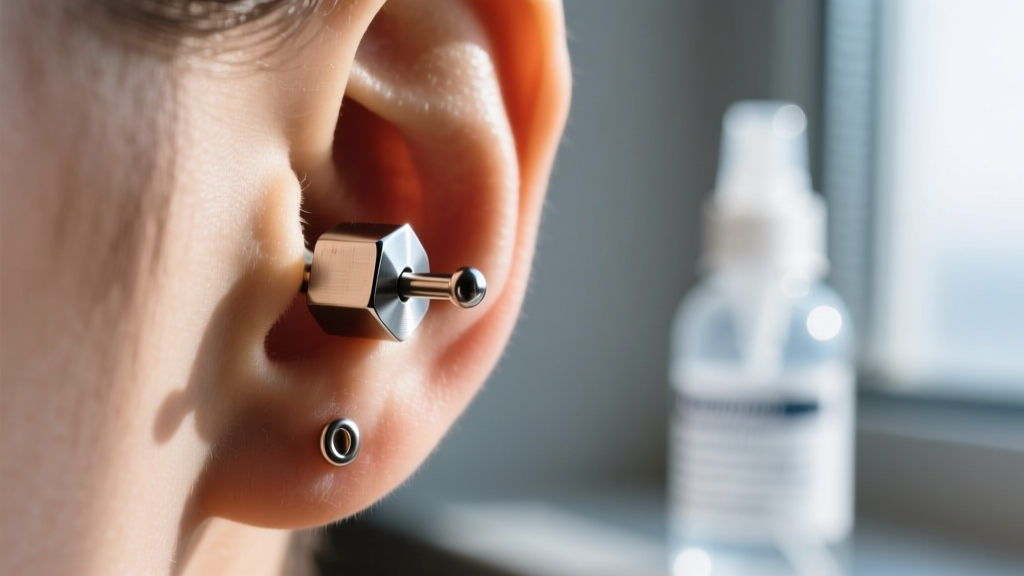
The tragus is a dense, avascular piece of cartilage that projects outward from the ear canal, making it one of the most notoriously stubborn piercings to heal. Because cartilage lacks the robust blood supply found in the earlobe, your immune system takes significantly longer to repair the fistula (the tissue tube that forms around the jewelry). Choosing the right earrings for tragus piercing is only half the battle; maintaining a sterile, non-irritating environment is where the real challenge begins. A typical tragus healing timeline spans anywhere from 6 to 12 months, and in some cases, up to a full year. During this extended window, your cleaning protocol must be flawless to avoid hypertrophic scarring, migration, or outright rejection.
The Anatomy of Tragus Healing and Jewelry Selection
Before diving into the cleaning routine, it is critical to understand how your jewelry's physical dimensions impact aftercare. The gold standard for initial tragus piercings is a flat-back labret stud, typically in 16-gauge (1.2mm) or 18-gauge (1.0mm) thickness. The flat disc backing is essential because it prevents the jewelry from pressing into the ear canal and minimizes the risk of catching on hair, towels, or telephone receivers.
Post length is equally crucial. A professional piercer will initially insert a labret stud with a longer post (usually 6mm to 8mm) to accommodate the inevitable swelling that occurs in the first two weeks. If you attempt to clean a tragus piercing while wearing a hoop or a ring, the rotational movement of the jewelry will continuously introduce bacteria into the healing fistula and disrupt the fragile new tissue. Therefore, sticking to a high-quality, internally threaded flat-back stud is the foundational first step of any successful aftercare routine.
The Golden Rule: Avoiding Cytotoxic Aftercare
When researching how to care for your new piercing, you will inevitably encounter outdated, harmful advice passed down through forums and social media. Modern dermatological and professional piercing standards strictly forbid the use of harsh chemicals. According to the Association of Professional Piercers (APP), the goal of aftercare is to keep the area clean without destroying the delicate new cells your body is producing.
The "Toxic Trio" of Piercing Aftercare
- Rubbing Alcohol and Hydrogen Peroxide: Both of these agents are highly cytotoxic. While they do kill bacteria, they also indiscriminately destroy fibroblasts—the exact cells responsible for building the collagen matrix that heals your piercing. Using these will cause tissue desiccation, leading to micro-cracking, delayed healing, and excessive crust formation.
- Tea Tree Oil and Essential Oils: Often touted as natural remedies for piercing bumps, undiluted essential oils are highly concentrated and can cause severe contact dermatitis and chemical burns on the sensitive skin surrounding the tragus.
- Antibiotic Ointments (e.g., Neosporin): Ointments create an occlusive barrier that traps moisture and bacteria against the wound while cutting off the oxygen supply necessary for aerobic healing. Furthermore, the petroleum base can degrade certain jewelry materials and trap dead skin cells inside the fistula.
Step-by-Step Cleaning Protocol for Tragus Earrings
The most effective approach to cleaning earrings for tragus piercing is the LITHA method (Leave It The Hell Alone), combined with twice-daily sterile saline applications. You are not trying to "scrub" the piercing; you are simply flushing away dried lymph, dead skin cells, and environmental debris.
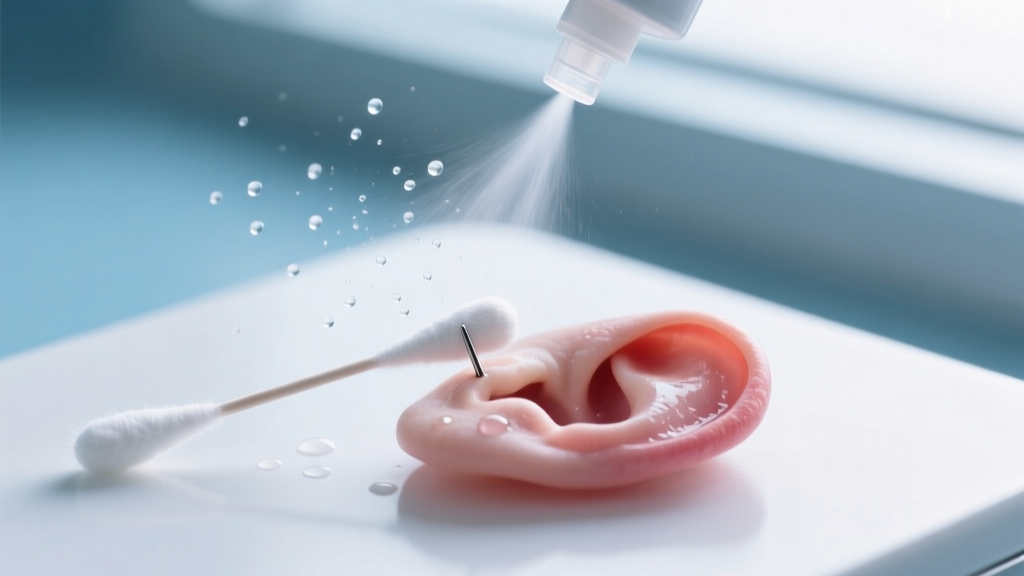
Your Daily Cleaning Routine
- Wash Your Hands: Always begin with thoroughly washed hands using a mild, fragrance-free antibacterial soap. Never touch your tragus jewelry with unwashed hands.
- Apply Sterile Saline: Use a sterile, canned 0.9% sodium chloride wound wash. Ensure the only ingredients listed on the can are sterile water and sodium chloride, with no added preservatives or fragrances. Spray the saline directly onto the front and back of the tragus piercing, or spray it onto a piece of sterile, non-woven gauze.
- Softly Wipe Away Crusties: Gently press the saturated gauze against the piercing for 30 to 60 seconds to soften any dried lymph (crusties). Once softened, gently wipe the area. Never use cotton balls or cotton swabs, as the loose micro-fibers can wrap around the jewelry post and become embedded in the healing fistula, causing severe irritation.
- Dry the Area Thoroughly: Moisture is the enemy of a healing tragus. Trapped water from showers or cleaning can lead to moisture bumps. Use a clean piece of non-woven gauze to gently pat the area dry, or use a hair dryer on the "cool" and "low" setting held at a safe distance to ensure the area is completely moisture-free.
Material-Specific Maintenance Guide
The material of your jewelry dictates how it interacts with your body's chemistry and how it should be maintained over the long term. Below is a breakdown of acceptable materials for tragus piercings and their specific care considerations.
| Material Grade | Biocompatibility | Maintenance & Cleaning Notes |
|---|---|---|
| Implant-Grade Titanium (ASTM F136) | Excellent (Hypoallergenic, Nickel-Free) | The absolute best choice for initial healing. Highly resistant to corrosion. Can be cleaned with standard saline without risk of tarnishing or degrading the metal surface. |
| 14k or 18k Solid Gold (Nickel-Free) | Very Good (If alloyed correctly) | Must be solid, not plated. Gold is softer than titanium and can scratch if scrubbed aggressively. Avoid exposing to harsh pool chlorine, which can pit the metal over time. |
| Niobium | Excellent (Highly Biocompatible) | Often used for anodized (colored) jewelry. The anodized layer is a stable oxide film. Clean gently with saline; avoid ultrasonic cleaners which can alter the anodized color. |
| Surgical Steel (316L) | Poor (Contains 8-10% Nickel) | Not recommended. The nickel content frequently triggers allergic contact dermatitis, leading to chronic itching, weeping, and irritation bumps that mimic infections. |
Troubleshooting: Bumps, Snags, and Moisture Traps
Even with a perfect cleaning routine, the tragus is uniquely vulnerable to environmental factors due to its location near the ear canal and hairline. If you notice a small, flesh-colored or red bump forming adjacent to the jewelry, you are likely dealing with a hypertrophic scar or an irritation bump, not a true infection. True infections are rare in cartilage and are usually accompanied by throbbing pain, excessive heat, and dark yellow or green purulent discharge. If you suspect an infection, seek medical attention immediately, as cartilage infections (chondritis) can cause permanent ear deformity, according to the Cleveland Clinic.
Irritation bumps, however, are mechanical or chemical in nature. Common culprits include:
- Over-Ear Headphones: The pressure from headphone cups pushes the tragus inward, creating friction against the jewelry. Switch to earbuds (if they don't press on the tragus) or use a speaker during the healing phase.
- Hair Products: Shampoos, conditioners, and styling sprays often contain sulfates and alcohols that run down the side of the face and pool behind the tragus. Always rinse your ear thoroughly with warm water after washing your hair, followed by a saline spray.
- Sleeping on the Piercing: Pressure from your pillow can alter the angle of the piercing channel. Use a travel neck pillow and sleep with your ear in the center hole to eliminate pressure entirely.
When to Downsize and Change Your Jewelry
A critical, often overlooked step in tragus aftercare is the "downsize." As mentioned, your piercer will use a longer post to accommodate initial swelling. Once the swelling subsides (typically between weeks 4 and 8), the excess post length becomes a liability. A long post allows the jewelry to tilt and move, which can cause the piercing to heal at a crooked angle and increases the risk of the back disc catching on hairbrushes or clothing.
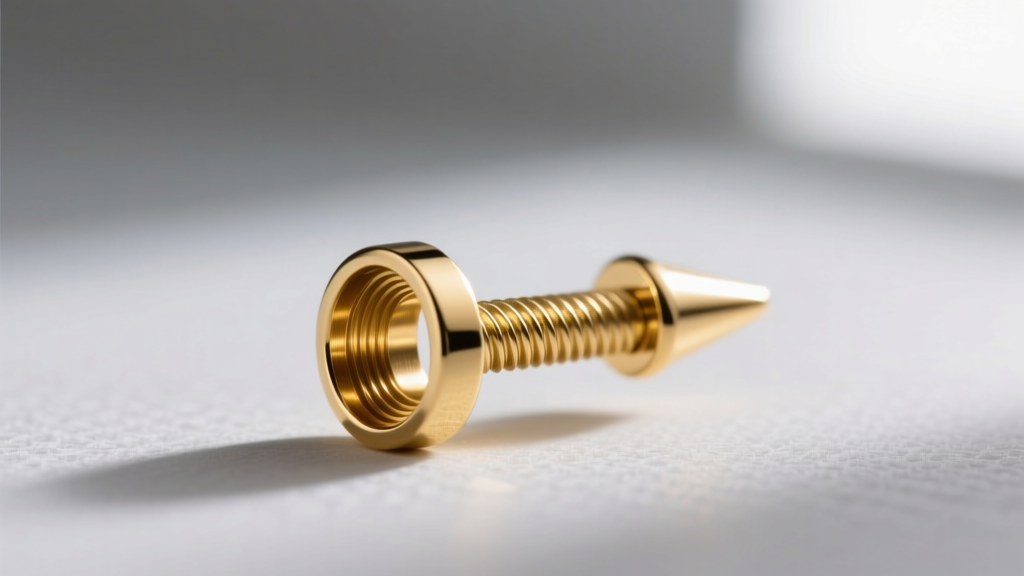
Return to your professional piercer for a downsize to a snug-fitting post (usually 3mm to 5mm, depending on your anatomy). When it is finally time to retire your healing stud and shop for new earrings for tragus piercing, always prioritize internal threading. Internally threaded jewelry features the screw mechanism on the removable end (the gem or ball), while the post itself remains perfectly smooth. This ensures that no sharp, jagged threads pass through and micro-tear the delicate interior of your healed fistula during jewelry changes.
"Healing a piercing is a marathon, not a sprint. The tragus requires immense patience, consistent sterile saline care, and a total avoidance of unnecessary manipulation. When in doubt, leave it alone and consult a certified professional piercer."
— Guidelines adapted from the Association of Professional Piercers (APP)
By adhering to a strict, minimalist cleaning routine and respecting the biological limitations of cartilage tissue, you will ensure your tragus piercing heals flawlessly, providing a beautiful, lifelong canvas for high-quality body jewelry.