Troubleshooting Tragus Jewelry Piercing Irritation and Bumps
Struggling with a stubborn tragus jewelry piercing? Learn how to diagnose irritation bumps, embedding, and infections with expert troubleshooting steps.

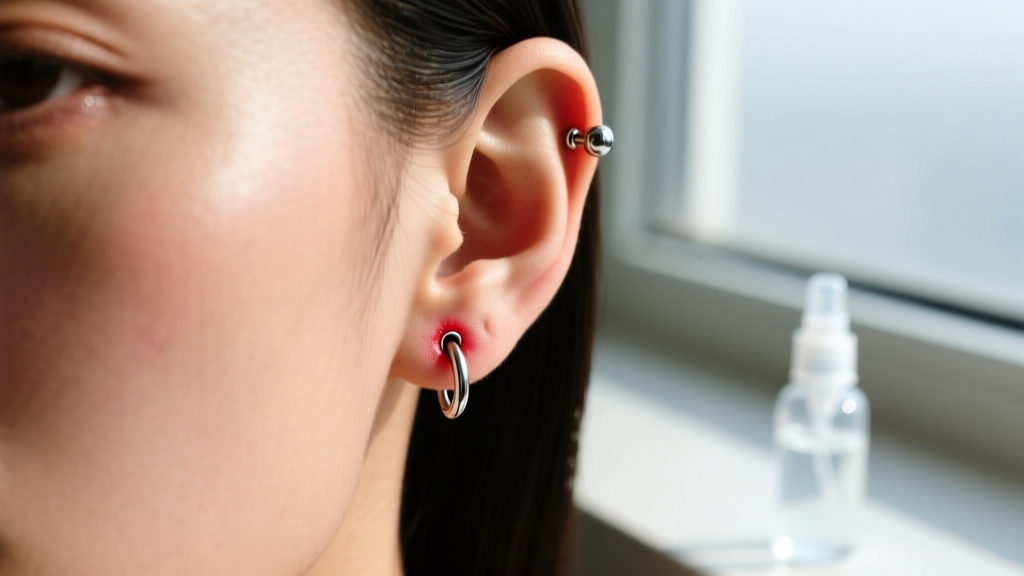
The Anatomy of a Tragus Jewelry Piercing Complication
The tragus is a dense, avascular piece of cartilage that projects outward from the ear canal. Because it lacks a direct, robust blood supply compared to soft tissue lobes, healing relies entirely on the perichondrium—the thin layer of vascularized tissue surrounding the cartilage. When dealing with a tragus jewelry piercing that refuses to heal, the root cause almost always traces back to mechanical stress, improper jewelry metallurgy, or moisture imbalances. Cartilage takes anywhere from 6 to 12 months to fully establish a stable fistula, and during this window, the piercing is highly reactive to environmental disruptions.
Why the Tragus is Prone to Healing Stalls
Unlike a helix or flat piercing, the tragus sits directly adjacent to the ear canal and is constantly exposed to hair products, shampoo runoff, and friction from audio devices. Furthermore, selecting the right tragus jewelry piercing setup is critical; wearing a captive bead ring (CBR) or a seamless hoop during the initial healing phase introduces rotational movement. Every time the hoop spins, it drags crust and bacteria into the unhealed fistula, effectively resetting the healing clock and triggering hypertrophic scarring.
Diagnostic Chart: Irritation vs. Infection vs. Rejection
Before attempting to treat your piercing, you must accurately identify the complication. Misdiagnosing an irritation bump as an infection often leads to the overuse of harsh chemicals like tea tree oil or hydrogen peroxide, which chemically burn the delicate fistula and worsen the issue.
| Condition | Visual Signs | Sensation | Action Plan |
|---|---|---|---|
| Irritation Bump | Localized, flesh-colored or pink bump adjacent to the jewelry exit hole. May weep clear fluid. | Tender to the touch, itchy, or feels tight. | Downsize jewelry, switch to flat-back titanium, apply warm saline compresses. |
| Infection | Diffuse redness spreading outward. Thick yellow/green discharge. Extreme swelling. | Throbbing pain, hot to the touch, possible systemic fever. | Consult a medical doctor immediately. Do not remove the jewelry (can trap abscess). |
| Rejection | Jewelry sits closer to the surface. Skin between entry and exit becomes translucent or flaky. | Generally painless, mild itching as the body pushes the foreign object out. | Visit a professional piercer for immediate removal to prevent permanent scarring. |
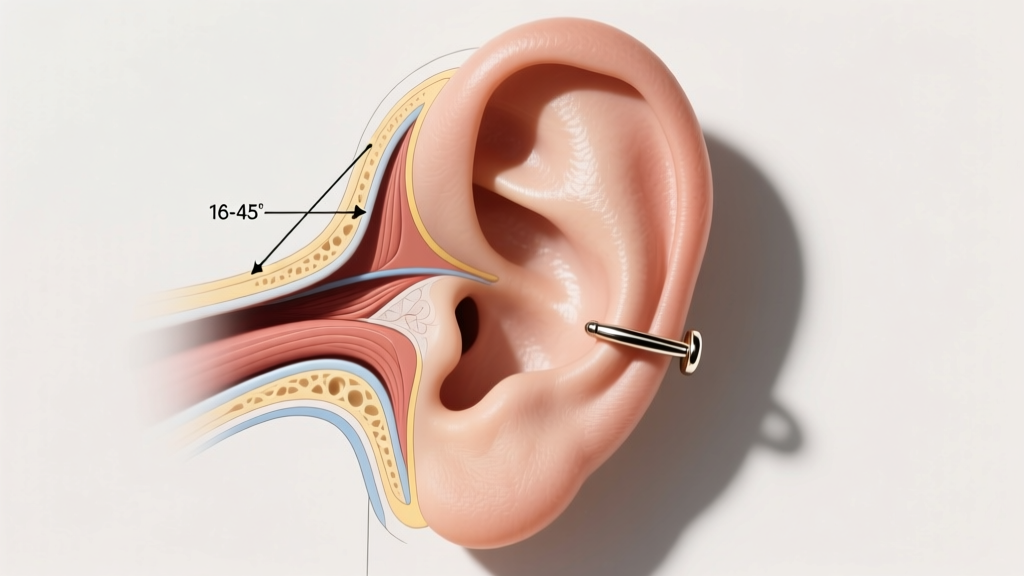
Top 3 Tragus Piercing Problems and How to Fix Them
1. The Dreaded Irritation Bump (Hypertrophic Scarring)
Irritation bumps are not keloids. Keloids are genetic, tumor-like growths that expand far beyond the piercing site. Hypertrophic scars, on the other hand, are localized immune responses to friction or pressure. If your bump is situated on the back of the tragus (the exit hole), it is almost certainly caused by sleeping on the piercing or using an improperly sized labret post. If the bump is on the front (the entry hole), it is usually caused by the angle of the piercing or the jewelry head pressing into the cartilage.
The Fix: Implement the LITHA (Leave It The Hell Alone) method. Stop touching, twisting, or cleaning the piercing more than once a day. Use a sterile 0.9% sodium chloride wound wash twice daily. If the bump is weeping, gently dry the area with a hairdryer on the cool setting after showering to prevent moisture maceration, which softens the tissue and invites bacterial overgrowth.
2. Jewelry Embedding (The Swallow Effect)
Embedding occurs when the initial swelling of the cartilage exceeds the length of the jewelry post, causing the skin to grow over the flat back or the decorative gem. This is a time-sensitive emergency. If the skin fully envelops the jewelry, a piercer or doctor will have to perform a minor surgical incision to remove it, resulting in severe scarring and the loss of the piercing.
The Fix: If the skin is beginning to fold over the edges of the jewelry head, visit your piercer immediately to be upsized to a longer post (e.g., moving from a 6mm to an 8mm or 10mm post). To manage acute swelling at home, apply a clean, ice-cold compress to the surrounding ear area (not directly on the piercing) for 5-minute intervals to constrict blood vessels and reduce localized edema.
3. Snagging and Audio Device Trauma
The tragus acts as a natural guard for the ear canal, making it a prime snag zone for hairbrushes, towels, and clothing. More insidiously, in-ear monitors (IEMs) and wireless earbuds like AirPods exert direct, continuous pressure against the tragus. This pressure restricts blood flow to the healing fistula and introduces friction every time you insert or remove the device.
The Fix: Ban all in-ear audio devices for the first 3 to 6 months. Switch to over-ear headphones that completely bypass the tragus. When drying off after a shower, do not rub the ear with a towel; instead, gently pat the area or use a paper towel, which is less likely to harbor damp-environment bacteria and won't snag on the jewelry threading.
The Downsize Protocol: When to Change Your Post
Piercers intentionally use long posts (typically 5/16" or 8mm) for initial tragus piercings to accommodate the first 2 to 4 weeks of swelling. However, leaving this long post in indefinitely is the leading cause of irritation bumps. Once the swelling subsides, the excess post creates a lever effect; any bump to the decorative end multiplies the torque on the unhealed fistula, tearing the delicate new tissue inside the channel.
You must return to your piercer for a "downsize" appointment between weeks 3 and 6. The piercer will swap the long post for a snug-fitting post (usually 1/4" or 6mm, sometimes 3/16" or 5mm for thin tragus anatomy). This ensures the flat back sits flush against the skin without indenting it, eliminating the lever effect and allowing the fistula to mature undisturbed. According to the Association of Professional Piercers (APP), timely downsizing is a non-negotiable step in the cartilage healing protocol.
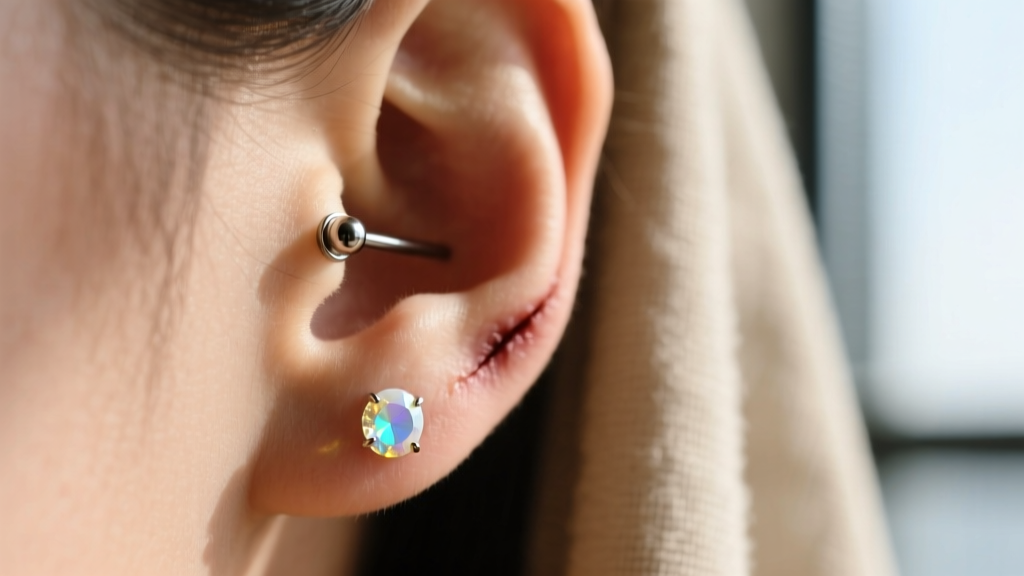
Material Matters: Upgrading to Save Your Piercing
If you have addressed mechanical stress, sleeping habits, and audio friction, but your tragus remains inflamed, the culprit is likely your jewelry material. Many commercial studios still use "surgical steel" (often ASTM F138). While acceptable for some, surgical steel contains nickel to achieve its polished finish. The moist, warm environment of the ear canal can accelerate nickel leaching, triggering contact dermatitis that mimics an infection or chronic irritation.
To troubleshoot material-induced inflammation, upgrade to Implant-Grade Titanium (ASTM F136) or Niobium. Titanium is entirely biocompatible, non-magnetic, and contains zero nickel. Furthermore, the style of the jewelry matters just as much as the metal. Avoid internally threaded jewelry if possible, and never use externally threaded jewelry, as the sharp threads act like a cheese grater on the fistula during insertion. Opt for threadless (press-fit) labret studs, which feature a smooth, polished pin that bends slightly to create tension against the inside of the post, offering a secure fit with zero internal tissue trauma. For a comprehensive breakdown of safe metals, refer to the APP guidelines on fresh piercing jewelry.
"Cartilage piercings require patience and precision. When complications arise, evaluate the angle, the jewelry length, and the material grade before resorting to harsh topical treatments."
Ultimately, troubleshooting a stubborn tragus piercing requires a methodical elimination of variables. By securing a threadless titanium labret, managing your audio habits, and adhering to a strict downsize schedule, you can transform an angry, bump-ridden piercing into a pristine, lifelong accessory.


