1 Ct Diamond Earrings On Ear: 2026 Gift & Occasion Guide
Discover how 1 ct diamond earrings on ear look for different lobes. Our 2026 gift guide covers sizes, settings, and occasion matching.

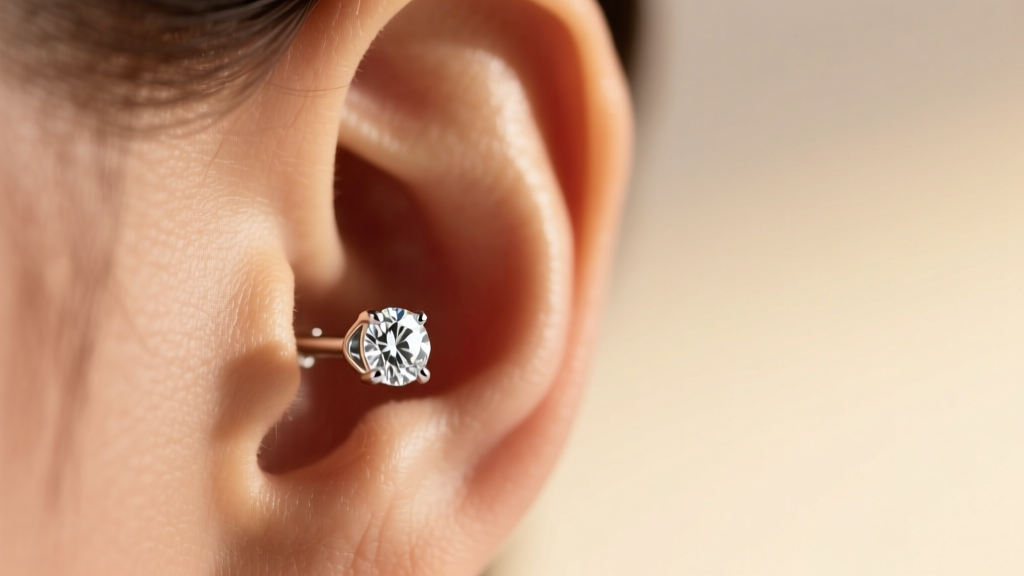
Gifting diamond earrings is a timeless gesture, but navigating the terminology of carat weights can quickly turn a romantic purchase into a confusing math equation. When buyers search for 1 ct diamond earrings on ear, they are often met with a jarring realization: "1 carat" can mean two drastically different sizes depending on how the jeweler labels the total weight. As we move through 2026, the rise of high-quality lab-grown diamonds has also shifted the pricing landscape, making larger stones more accessible than ever before. This guide breaks down exactly how these diamonds look on the ear, the structural mechanics required to keep them sitting perfectly, and how to match the right size to the right milestone.
Decoding the Carat Confusion: TW vs. CEW
The most common pitfall in diamond earring gifting is misunderstanding the weight designation. Jewelers typically market earrings using Carat Total Weight (CTW), but high-end buyers and custom jewelers often refer to Carat Each Weight (CEW). Understanding this distinction is critical for managing expectations regarding physical size and budget.
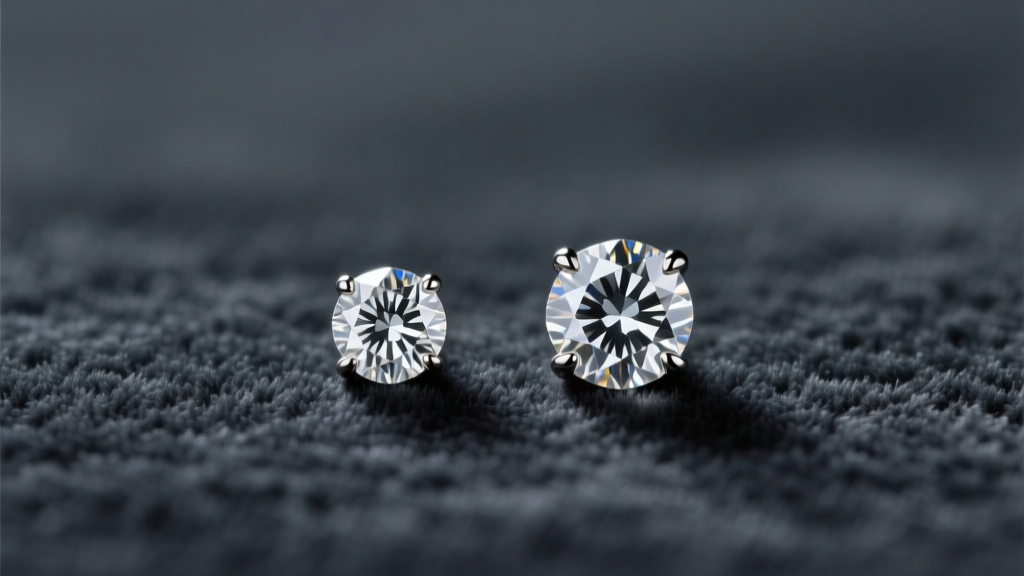
- 1 Carat Total Weight (CTW): This means the combined weight of both earrings is 1.00 carat. Each ear wears a 0.50-carat diamond, which measures approximately 5.0mm to 5.2mm in diameter. This is the classic, understated "everyday" stud.
- 1 Carat Each Weight (CEW): This means each individual earring is 1.00 carat, resulting in a 2.00 CTW pair. Each diamond measures approximately 6.4mm to 6.5mm in diameter. This is a bold, high-impact luxury statement.
According to the GIA Diamond 4Cs guidelines, a diamond's physical millimeter spread is a better indicator of visual impact than its raw carat weight, as a poorly cut 1-carat diamond can face up smaller than a well-cut 0.90-carat stone. Always ask your jeweler for the exact millimeter measurements before purchasing a gift.
Visualizing 1 Ct Diamond Earrings On Ear
How do these sizes actually translate to the human ear? The average adult earlobe measures between 15mm and 20mm from the piercing hole to the bottom edge. The visual impact of the diamond depends heavily on the wearer's lobe anatomy and face shape.
The 5.2mm (0.50 ct) Profile
A 5.2mm diamond occupies roughly 25% of an average earlobe. It sits securely within the fleshy part of the lobe without encroaching on the edge. For individuals with petite facial features or smaller lobes, a 5.2mm stone provides maximum brilliance without overwhelming the ear. It is the ultimate "set it and forget it" size, perfect for sleep, workouts, and daily office wear.
The 6.5mm (1.00 ct Each) Profile
A 6.5mm diamond commands attention. Taking up nearly 35% to 40% of the visible lobe, this size crosses the threshold from "subtle accessory" to "primary focal point." On smaller lobes, a 6.5mm stone may sit dangerously close to the lobe's edge, requiring a precise piercing placement. For those with larger or elongated lobes, the 1-carat-each size creates a perfectly balanced, luxurious proportion that catches light from across the room.
Occasion Matching Matrix: What to Gift and When
Matching the carat size to the specific milestone ensures your gift feels appropriate and deeply considered. Below is our 2026 occasion-matching framework, factoring in current market pricing for both natural and premium lab-grown diamonds (assuming F-G color and VS1-VS2 clarity grades).
| Milestone Occasion | Recommended Size | Ideal Setting Style | 2026 Lab-Grown Budget | 2026 Natural Budget |
|---|---|---|---|---|
| College Graduation / 18th Birthday | 1.00 ct TW (0.50 each) | 3-Prong Martini | $500 - $800 | $2,500 - $3,500 |
| Wedding Day (Bride or Mother of Bride) | 1.50 ct TW (0.75 each) | 4-Prong Basket | $900 - $1,300 | $4,500 - $6,000 |
| 10th Anniversary / Major Promotion | 2.00 ct TW (1.00 each) | 4-Prong Basket w/ Wide Base | $1,200 - $1,800 | $9,000 - $14,000 |
| Everyday Luxury / Self-Gift | 1.00 ct TW (0.50 each) | Bezel or Halo | $600 - $1,000 | $3,000 - $4,200 |
Metal, Setting Mechanics, and the "Droop" Factor
When visualizing 1 ct diamond earrings on ear, the setting is just as important as the stone. The structural integrity of the earring dictates whether it sits flush against the lobe or sags forward awkwardly.
"The center of gravity on a 6.5mm diamond is significantly further from the post than a 5.0mm stone. Always pair 1-carat-each diamonds with a 4-prong basket and a wide clutch to prevent the dreaded forward-droop."
The Martini Setting (3-Prong): This setting uses three delicate prongs, allowing maximum light to enter the pavilion of the diamond. It sits very low to the ear, making it ideal for 0.50-carat stones. However, for 1-carat-each stones, the narrow base of the martini setting often fails to counterbalance the weight of the diamond, leading to a forward tilt.
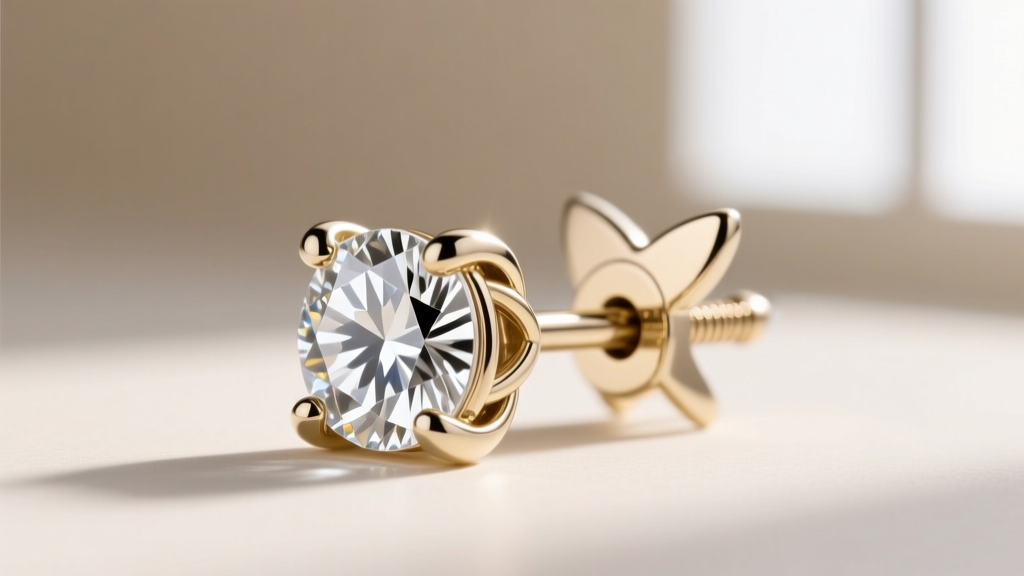
The Basket Setting (4-Prong): Featuring a horizontal metal base that sits parallel to the earlobe, the basket setting provides a wider center of gravity. For 1.00-carat-each diamonds, a basket setting in Platinum or 18k White Gold is mandatory. Platinum's density adds a slight counterweight at the back of the ear, while its durability ensures the prongs will not wear thin over decades of use.
Security Backs: Never gift 2.00 CTW earrings with standard friction push-backs. The weight of the gold and diamonds can easily slide off the smooth post during sleep or when removing sweaters. Always opt for screw-backs or locking lever-backs (like the La Pousette clutch) to secure a high-value investment.
Certification and 2026 Market Realities
The diamond market in 2026 is heavily bifurcated between earth-mined and lab-grown stones. Both are optically, chemically, and physically identical, but their certification and disclosure requirements differ. The FTC Jewelry Guides strictly mandate that lab-grown diamonds must be clearly disclosed as such to prevent consumer deception.
For natural diamonds, insist on a GIA (Gemological Institute of America) grading report. GIA's strict grading standards ensure that an "F/VS2" natural diamond holds its resale value and matches its description. For lab-grown diamonds, IGI (International Gemological Institute) and GCAL are the industry leaders, providing precise laser inscriptions on the girdle of the stone that can be verified under a jeweler's loupe.
Final Gifting Presentation Tips
When presenting diamond earrings, the unboxing experience should match the permanence of the gift. Avoid flimsy cardboard mailer boxes. Opt for a solid wood or leather-bound travel case with individual velvet slots. This not only elevates the reveal but provides the recipient with a secure, long-term storage solution that prevents the diamonds from scratching against other jewelry in their collection. By understanding the precise millimeter spread, the mechanics of the setting, and the correct weight terminology, you can confidently select a pair of diamond earrings that will sit perfectly on the ear and be cherished for a lifetime.


