2026 Gift Guide: Best 20 Gauge Earrings for Every Occasion
Discover the ultimate 2026 gift guide for 20 gauge earrings. Match the perfect metal, gemstone, and style to every milestone occasion and budget.

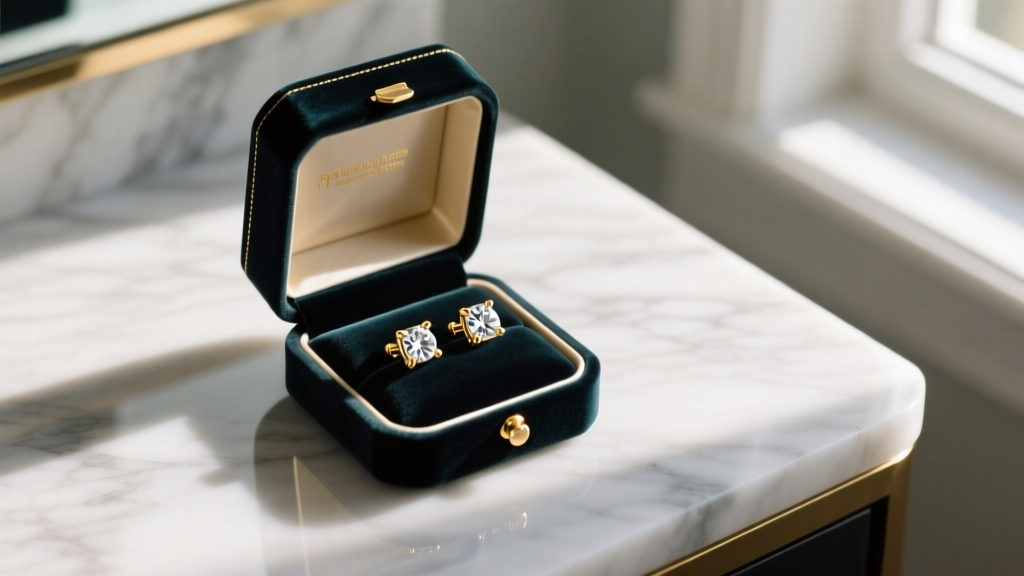
Gifting fine jewelry is an intimate gesture, but navigating the technical nuances of body jewelry can quickly turn a romantic surprise into a logistical headache. If your recipient has standard lobe piercings or delicate cartilage setups, 20 gauge earrings are likely their daily staple. Measuring exactly 0.81 millimeters in thickness, 20 gauge is the undisputed standard for commercial earlobe piercings and lightweight fashion jewelry. Yet, buying them as a gift requires more than just picking a pretty gemstone; it demands an understanding of material biocompatibility, structural integrity, and occasion-appropriate styling.
In this comprehensive 2026 gift guide, we break down exactly how to select, size, and style 20 gauge earrings for every major milestone, ensuring your gift is both breathtaking and anatomically compatible.
The Anatomy of a 20 Gauge Earring: What Gifters Must Know
Before selecting a style, you must understand the physical limitations and advantages of the 20g (0.81mm) wire. Because it is significantly thinner than 18g (1.0mm) or 16g (1.2mm), 20 gauge jewelry is exceptionally lightweight. This makes it ideal for recipients with thin earlobes or those who experience 'earring fatigue' from heavy pieces. However, this thinness also dictates the types of clasps and settings that are safe to gift.
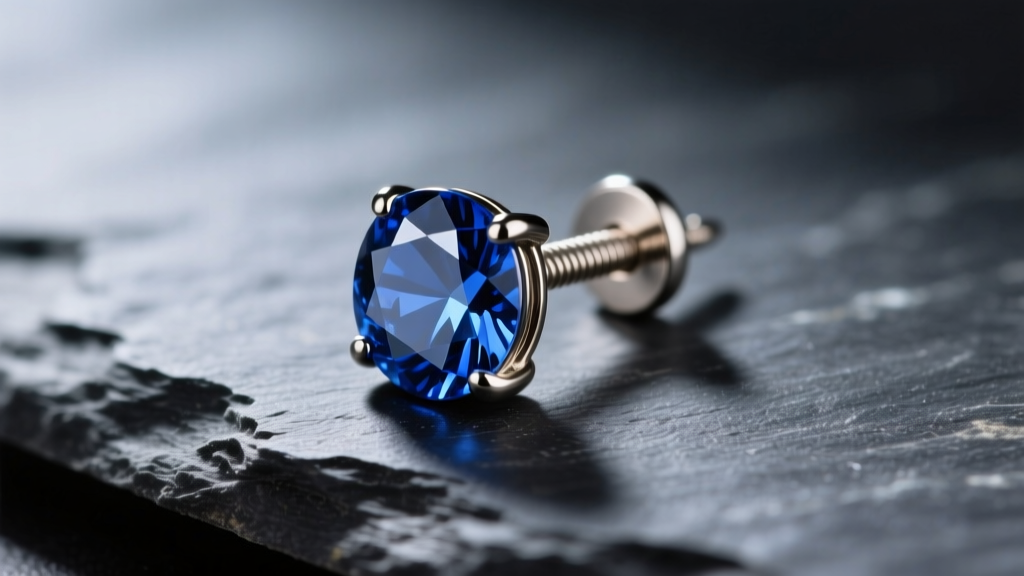
- Threaded vs. Threadless: Traditional screw-in threaded posts at 20 gauge are notoriously fragile; the delicate pins can easily bend or snap if forced. For high-end gifts, opt for threadless (push-pin) 20 gauge ends from premium brands like BVLA or Intrinsic Body. They use tension to stay secure, eliminating the risk of stripped threads or bent pins.
- The Butterfly Back Dilemma: Standard friction-backed 'butterfly' clasps trap bacteria and put uneven pressure on the earlobe. Upgrade your gift to custom-fit flat-back labret studs or secure click-closure huggies for superior comfort and hygiene.
Occasion-by-Occasion 20 Gauge Gifting Matrix
Matching the earring style to the recipient's milestone is crucial for maximizing the emotional impact of your gift. Here is how to align 20 gauge styles with 2026's most common gifting occasions.
Milestone Birthdays (Sweet 16, 18th, 21st)
For coming-of-age birthdays, the goal is to transition the recipient from 'mall kiosk' jewelry to their first piece of fine, body-safe jewelry. A pair of 20 gauge bezel-set birthstone studs in solid 14k gold is a timeless choice. Bezel settings are vital here; unlike prong settings, a smooth bezel won't catch on hair or clothing, making it perfect for active teens and young adults. Look for lab-grown gemstones, which offer flawless clarity and ethical sourcing at a fraction of the mined cost.
College Graduations & Professional Leaps
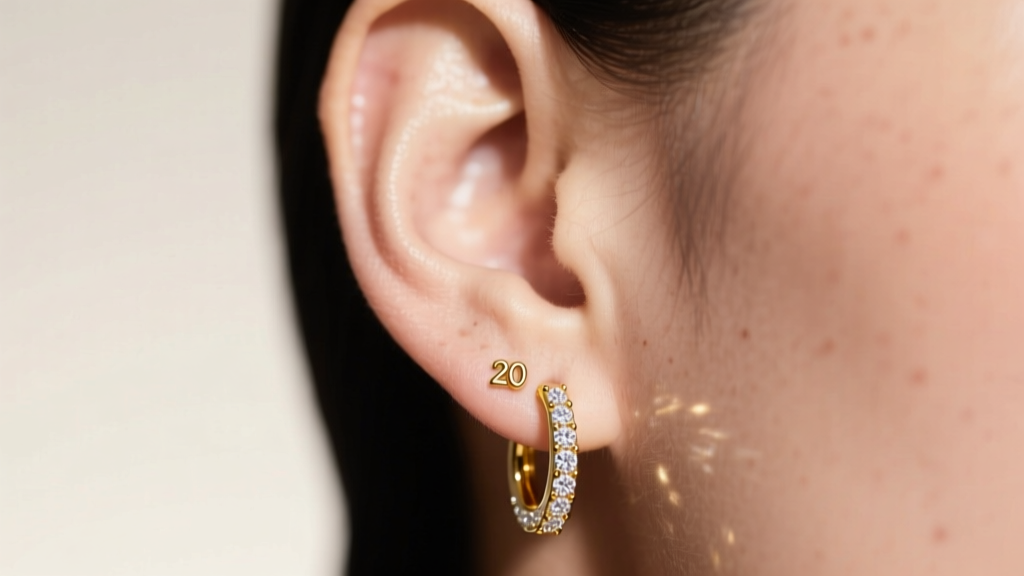
As graduates enter the corporate sphere, their jewelry needs shift toward polished, minimalist versatility. 20 gauge huggie hoops with a diameter of 10mm to 12mm are the ultimate 'desk-to-dinner' accessory. Choose a sleek, unembellished 14k yellow or white gold huggie with a secure clicker closure. Avoid heavy diamond pavé for conservative corporate environments; instead, opt for a single, flush-set diamond or a high-polish finish that catches the light subtly during boardroom presentations.
Anniversaries & Romantic Milestones
Anniversaries call for elevated luxury. Since 20 gauge posts cannot support the weight of massive carat clusters without risking the 'cheese-cutter effect' (where thin wire slowly migrates through the earlobe), focus on quality over carat weight. A pair of 20 gauge studs featuring 0.25ct each of Ideal-cut, VVS-clarity lab-grown diamonds provides blinding brilliance without the structural risk. According to the Gemological Institute of America (GIA), prioritizing cut grade over sheer size ensures maximum light return, which is especially important in delicate 20g settings where the stone is the sole focal point.
Material Science: Biocompatibility for Sensitive Ears
Never gift 'surgical steel' or 'hypoallergenic alloy' if you want to guarantee a safe reaction. The term 'surgical steel' is largely unregulated and often contains nickel, a primary contact allergen. When investing in fine jewelry, refer to the Association of Professional Piercers (APP) guidelines for safe materials. Stick to these three elite tiers for 20 gauge gifts:
- Implant-Grade Titanium (ASTM F136): The gold standard for sensitive ears and healing piercings. It is entirely nickel-free, lightweight, and can be anodized to create vibrant, non-toxic colors like rose gold or deep violet without using surface plating.
- Solid 14k or 18k Gold: Must be nickel-free and alloyed with elements like palladium or silver. Avoid gold-plated or gold-filled 20 gauge wire, as the thin plating will eventually wear away, exposing the reactive base metal underneath.
- Niobium: A highly reactive, hypoallergenic metal that is slightly softer than titanium but excellent for seamless 20 gauge rings and custom-colored pieces.
2026 Pricing & Style Guide: Budget to Luxury
Use this matrix to align your budget with the appropriate 20 gauge earring category, ensuring you get the best material quality within your price bracket.
| Occasion | Ideal 20g Style | Recommended Material | Price Range |
|---|---|---|---|
| Holidays / Stocking Stuffers | Minimalist threadless ends, geometric shapes | ASTM F136 Titanium (Anodized) | $25 - $60 |
| Birthdays / Graduations | Bezel-set birthstones, small clicker huggies | 14k Solid Gold, Lab-Grown Gems | $80 - $250 |
| Anniversaries / Proposals | Martini-set solitaires, custom diamond clusters | 18k Solid Gold, Natural/Lab Diamonds | $300 - $800+ |
| Just Because / Self-Care | Opal or moonstone cabochon studs | Niobium or 14k Rose Gold | $45 - $150 |
Troubleshooting: The 'Cheese Cutter' Effect & Gauge Mismatches
The most common mistake gifters make is assuming all standard earlobes are strictly 20 gauge. Many professional piercers initially pierce lobes at 18g or 16g to provide better structural support. If you gift a heavy 20g earring to someone with a 16g piercing, the thin 0.81mm wire will slide around in the larger fistula (piercing hole). Worse, if the earring is heavy, gravity will pull the thin wire downward, slowly slicing through the tissue—a painful phenomenon known in the body modification community as the 'cheese cutter effect.'
How to Secretly Verify Their Gauge Size
If you cannot ask them directly, borrow a standard stud earring from their jewelry box while they are showering. Take it to a local professional piercer or use a digital caliper to measure the post thickness. If it measures closer to 1.2mm, they are wearing 16 gauge, and a 20 gauge gift will be unwearable without causing irritation. When in doubt, purchase a high-quality 20 gauge threadless end and include a gift receipt, or opt for a universal 20g/18g adapter sleeve available from specialized body jewelry retailers.
Final Gifting Checklist for 20 Gauge Earrings
Before wrapping your 20 gauge earrings, run through this final quality assurance checklist to ensure your gift is flawless:
- Check the Clasp: Are the friction backs replaced with secure, flat-back labret screws or threadless pins?
- Verify the Alloy: Does the packaging explicitly state 'Nickel-Free 14k/18k' or 'ASTM F136 Titanium'?
- Inspect the Stone Setting: Are the gemstones bezel or flush-set to prevent snagging on delicate fabrics?
- Include Care Instructions: Provide a small card explaining how to clean the jewelry using warm water and mild, fragrance-free soap, avoiding harsh chemical dips that can damage porous gemstones like opals or pearls.
By prioritizing anatomical safety, premium materials, and occasion-specific styling, your 20 gauge earring gift will transcend being a mere accessory and become a cherished, wearable milestone.


