Are 24k Gold Earrings Worth It? 2026 Value Guide
Assessing the true value of 24k gold earrings in 2026. We break down purity, durability, pricing premiums, and the best styles for pure gold.

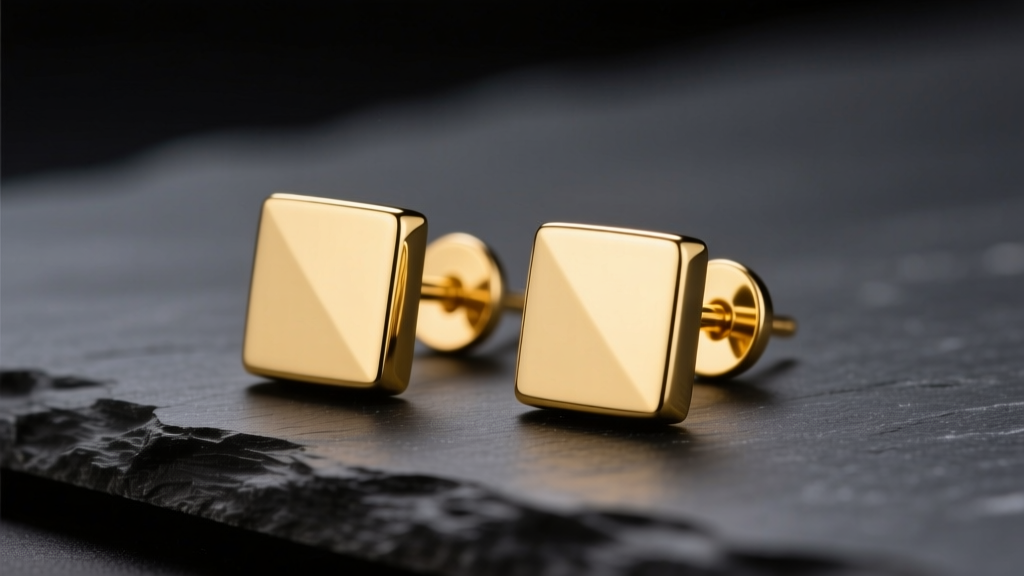
The allure of pure, unalloyed gold is undeniable. In a jewelry market saturated with 14k and 18k blends, 24k gold earrings represent the pinnacle of material purity, boasting a rich, buttery yellow hue that lower-karat alloys simply cannot replicate. However, as we navigate the 2026 precious metals market—where gold spot prices continue to hover at historic highs—consumers must ask a critical question: does the premium paid for 99.9% purity translate to actual value, or is it a liability for daily wear?
This comprehensive budget and value assessment breaks down the metallurgical realities, market economics, and structural limitations of pure gold ear jewelry. Whether you are viewing these pieces as a wearable asset class or a daily accessory, understanding the true cost of 24k gold is essential for making an informed purchase.
The Metallurgical Reality: Why 99.9% Purity is a Double-Edged Sword
To assess the value of pure gold jewelry, we must first look at the Gemological Institute of America (GIA) standards for metal hardness. Gold purity is measured in karats, with 24k representing 99.9% pure gold. While this maximizes the intrinsic melt value and eliminates the risk of nickel or copper allergies, it creates a severe structural vulnerability.
On the Vickers Hardness (HV) scale, pure 24k gold scores a mere 25 to 30 HV. By comparison, 18k gold sits around 120 HV, and 14k gold reaches roughly 160 HV. This extreme malleability means that 24k gold lacks the 'spring back' memory required for tension-based jewelry components. It scratches, dents, and warps under minimal physical stress. When applied to ear piercings—which endure friction from hair, clothing, and sleeping—this softness transitions from a mere characteristic to a critical failure point.
2026 Market Economics: Melt Value vs. Craftsmanship Premiums
Evaluating the budget for pure gold earrings requires separating the intrinsic commodity value from the retail markup. In 2026, with global economic fluctuations keeping gold spot prices elevated, the raw material cost is significant. However, the retail premium—the 'making charge' or craftsmanship fee—varies wildly based on the earring's design complexity.
| Karat | Purity % | Vickers Hardness (HV) | Typical Retail Premium | Best Earring Application |
|---|---|---|---|---|
| 24k | 99.9% | 25 - 30 HV | 15% - 40% | Solid cast studs, bezel-set fronts |
| 22k | 91.6% | 45 - 55 HV | 12% - 25% | Thick huggies, heavy hoops |
| 18k | 75.0% | 120 - 130 HV | 20% - 60% | Intricate dangles, tension settings |
| 14k | 58.3% | 160 - 170 HV | 30% - 100%+ | Friction posts, hinges, ear cuffs |
When purchasing 24k gold earrings, a fair budget framework dictates that you should never pay more than 20% over the melt value for simple, cast designs. If a pair of 5-gram pure gold studs has a melt value of $350 (based on a $70/gram spot price), a retail tag of $700 represents a 100% premium—a poor financial decision unless the piece features exceptional, verifiable artisan craftsmanship.
Which Earring Styles Actually Survive in 24k Gold?
Not all earring silhouettes are viable in pure gold. The structural demands of the piercing mechanism often dictate the maximum purity you can safely wear. Here is how different styles perform under the strict constraints of 99.9% gold.
The Stud Dilemma and the Bimetallic Solution
A standard earring post is typically 20-gauge (0.81mm) or 18-gauge (1.02mm). If an 18-gauge post is cast in 24k gold, it will permanently bend the first time you struggle with a friction back or sleep on it. The most common industry solution is bimetallic construction: a 14k or 18k gold post laser-welded to a 24k gold decorative front. This preserves the hypoallergenic, richly colored 24k surface against the earlobe while providing the necessary tensile strength for the post. If you demand a 100% pure gold post, you must size up to a 12-gauge (2.05mm) or 10-gauge (2.58mm) wire, which requires a stretched piercing and limits your design options to heavy, minimalist spheres or discs.
Huggies and Hoops: The Hinge Failure Point
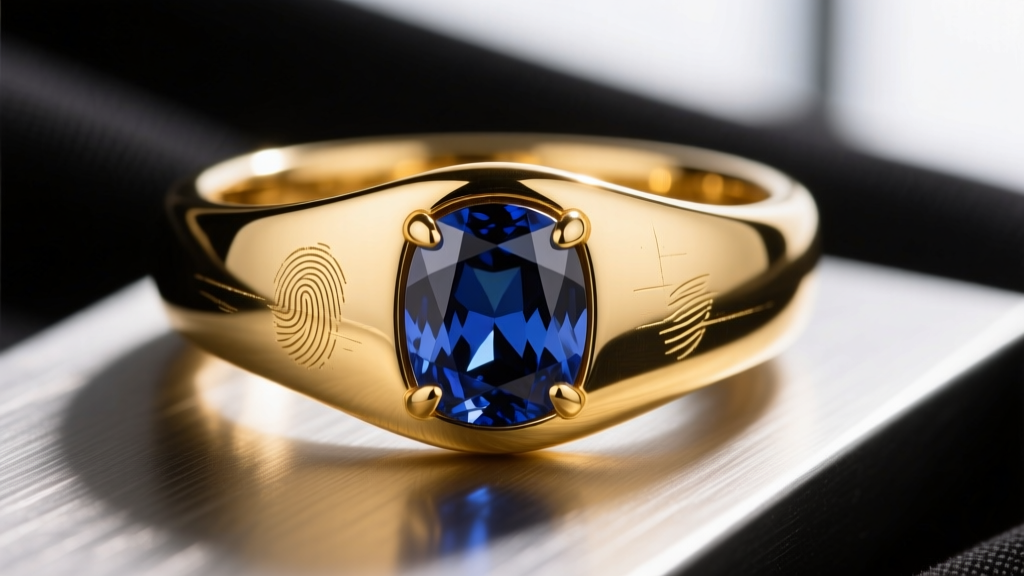
Huggies and clicker hoops rely on precision hinges and snap-locks to stay secured in the ear. Because 24k gold lacks structural rigidity, a pure gold hinge will quickly deform, causing the clicker mechanism to fail and the earring to fall out. Furthermore, the thin wire used in classic continuous hoops will warp into an oval shape within weeks of daily wear. For these styles, 22k gold is generally the absolute maximum purity recommended by master jewelers to maintain mechanical integrity.
Ear Cuffs and the Tension Problem
Ear cuffs require a precise amount of spring tension to grip the cartilage without pinching. Because pure gold does not possess elastic memory, a 24k ear cuff will slowly loosen over time as you take it on and off, eventually failing to grip the ear entirely. Adjusting it back into shape will eventually lead to metal fatigue and cracking at the stress points.
Budgeting Framework: How to Calculate a Fair Price
To ensure you are getting genuine value when shopping for pure gold ear jewelry, use this standardized pricing formula before making a purchase:
- Calculate Melt Value: Weigh the earrings (in grams) and multiply by the current daily spot price of gold per gram.
- Assess the Making Charge: For simple, machine-cast or plain hammered designs, the making charge should not exceed 15-20% of the melt value.
- Factor in Gemstones: If the 24k gold is used as a bezel for cabochon stones (like turquoise or jade), the premium can justify a 30-40% markup due to the labor-intensive nature of pushing soft gold over stone edges without scratching them.
'In 2026, the most sophisticated buyers treat 24k gold jewelry as a wearable asset. They track the spot price, demand transparent weight disclosures, and view the making charge as a commission paid to the artist, rather than an arbitrary retail markup.' - World Gold Council Market Trends Report
Verifying Authenticity: Beyond the '999' Stamp
Because the financial premium for pure gold is so high, the market is unfortunately rife with counterfeit or misrepresented pieces. A '999' or '24k' hallmark stamp is easily forged and should never be your sole metric for verification.
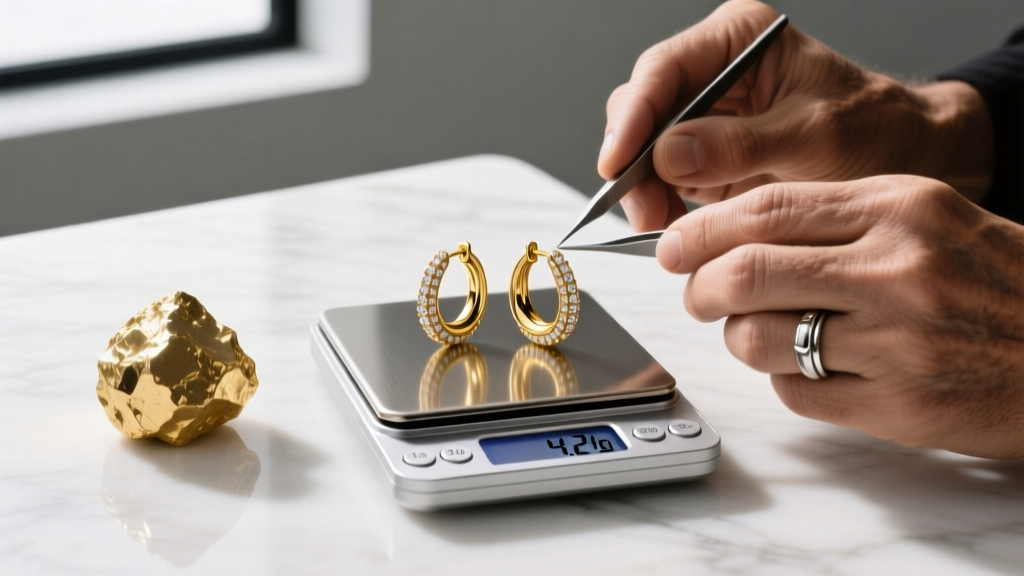
When investing a significant budget into 24k gold earrings, insist on X-ray Fluorescence (XRF) testing. Reputable jewelers and bullion dealers use XRF scanners to provide a precise elemental breakdown of the metal without damaging the piece. Additionally, pure gold has a specific gravity of 19.32. If you are buying vintage or second-hand pure gold earrings, a specific gravity test using a precision scale and water displacement can quickly reveal if the core has been tungsten-filled or alloyed with lighter metals.
Final Verdict: Investment Asset or Daily Wear?
From a strict budget and value perspective, 24k gold earrings are an excellent vehicle for storing wealth in a tangible, beautiful form, provided you buy them close to their melt value. However, as a practical, everyday accessory, they are a liability. The extreme softness of the metal means they will inevitably show wear, scratch, and potentially break if subjected to the rigors of daily life.
If your primary goal is hypoallergenic daily wear, high-quality titanium or platinum offers superior durability at a fraction of the cost. But if you are seeking the unmatched, sun-drenched luster of pure gold for occasional wear, or if you view your jewelry box as an extension of your investment portfolio, 24k gold remains an unparalleled choice—just be sure to budget for the reality of its delicate nature.


