6mm Earrings Gauge Explained: Sizing, Budget & Value Guide
Decode the 6mm earrings gauge myth. Compare 6mm hoop diameters and stud lengths across 18G-14G, with a budget and material value assessment.

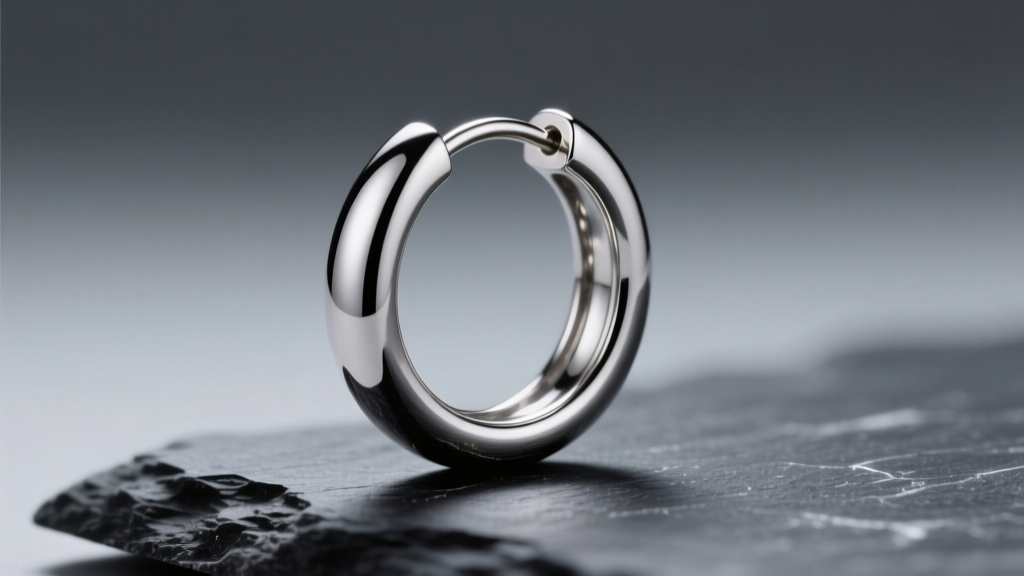
The "6mm Earrings Gauge" Misconception: Diameter vs. Thickness
When shopping for fine body jewelry, terminology is everything. A common search query that leads to widespread confusion is the 6mm earrings gauge. To the untrained eye, this phrase suggests a specific thickness of the earring post. However, in professional piercing and metallurgy, "gauge" and "millimeters" measure two entirely different dimensions. Understanding this distinction is the first step in assessing the true value and budget requirements for your ear jewelry.
The American Wire Gauge (AWG) system measures the thickness of the jewelry post. Standard ear piercings are typically 18G (1.0mm), 16G (1.2mm), or 14G (1.6mm). A true "6mm gauge" wire would be approximately 1.5mm thick, falling somewhere between a 2 Gauge and 0 Gauge—a massive size reserved for heavily stretched earlobes, not standard cartilage or lobe piercings.
Therefore, when consumers and even some retail algorithms reference a 6mm earrings gauge, they are actually referring to one of two things:
- 6mm Inner Diameter (ID) Hoops: Captive bead rings, segment rings, or huggies with a 6mm circle diameter. This is a micro-size, often used for snug fits in the tragus, helix, or forward helix.
- 6mm Post Length Studs: Flat-back labrets or threadless barbells where the wearable post length is exactly 6mm, ideal for standard lobe thicknesses or shallow cartilage piercings.
Clarifying this metric is crucial for your budget assessment, as the pricing structure for micro-hoops versus standard-length studs varies wildly based on manufacturing complexity and material grades.
Material Value Matrix: What Should You Pay for 6mm Jewelry?
Because 6mm jewelry requires significantly less raw metal than larger statement pieces, the baseline material cost is lower. However, the micro-machining premium applies. Crafting flawless internal threads or precision tension-pins on a tiny 6mm scale requires advanced CNC machining. Here is how the top three biocompatible materials stack up in terms of budget and long-term value.
1. ASTM F136 Implant-Grade Titanium (The Gold Standard)
According to the Association of Professional Piercers (APP), ASTM F136 titanium is the premier choice for both fresh and healed piercings. It contains virtually zero free nickel, eliminating the risk of contact dermatitis.
Budget Range: $15 - $35 for a basic 6mm hoop or threadless post.
Value Assessment: Exceptional. The low material volume of a 6mm piece keeps titanium highly affordable, making it the smartest investment for sensitive ears.
2. 316L Surgical Steel (The Budget Compromise)
316L steel is highly polished and durable, but it contains 8-10% nickel bound within the alloy. While safe for fully healed lobes, it is a gamble for cartilage or sensitive wearers.
Budget Range: $6 - $14.
Value Assessment: Moderate. You save $10-$20 upfront compared to titanium, but if you develop a nickel allergy, the "allergy tax" (medical creams, replacing the jewelry, and dealing with irritation bumps) will far exceed your initial savings.
3. 14k & 18k Solid Gold (The Luxury Investment)
High-quality body jewelry brands alloy their gold with palladium or silver rather than copper or nickel to ensure biocompatibility.
Budget Range: $65 - $180+ for 6mm solid gold hoops or gem-set ends.
Value Assessment: High aesthetic value, moderate practical value. Gold is softer than titanium and can scratch, but a 6mm solid gold huggie hoop retains its resale and heirloom value far better than steel.
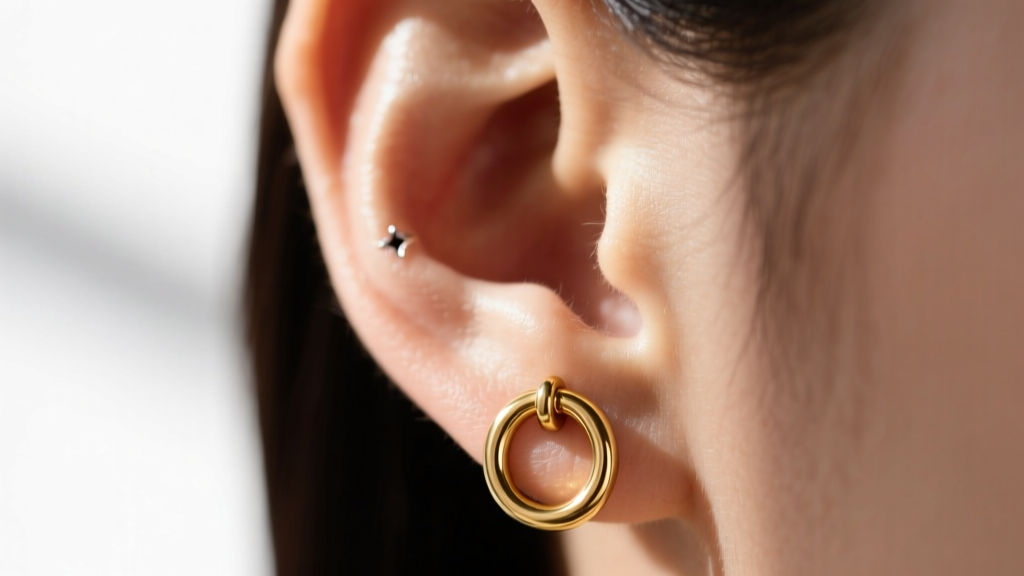
Budget Breakdown: 6mm Hoops vs. 6mm Threadless Studs
When allocating your jewelry budget, the style of the 6mm piece dictates the price. Below is a comparative breakdown of what you should expect to pay in the 2026 market for premium, body-safe jewelry.
| Jewelry Type (6mm) | Implant-Grade Titanium | 14k Solid Gold | Machining Complexity | Best Piercing Placement |
|---|---|---|---|---|
| 6mm ID Seamless Hoop | $12 - $22 | $75 - $110 | Low (Continuous wire) | Helix, Tragus, Snug |
| 6mm ID Captive Bead Ring | $15 - $28 | $90 - $140 | Medium (Bead tension) | Cartilage, Daith |
| 6mm Threadless Post | $14 - $18 (Post only) | $85 - $120 (Post only) | High (Precision pin) | Lobe, Conch, Flat |
| 6mm Internally Threaded | $18 - $30 | $110 - $160 | Very High (Micro-tapping) | Shallow Lobes |
Note: Threadless posts require a separate decorative "end" (gems, opals, or clusters), which typically add $20 to $80 to your total budget depending on the stone quality.
Hidden Costs: Cheap Alloys and the Micro-Machining Premium
When evaluating the budget for a 6mm earrings gauge product, buyers often fall into the trap of purchasing ultra-cheap 6mm barbells from mass-market e-commerce sites. These are almost universally externally threaded.
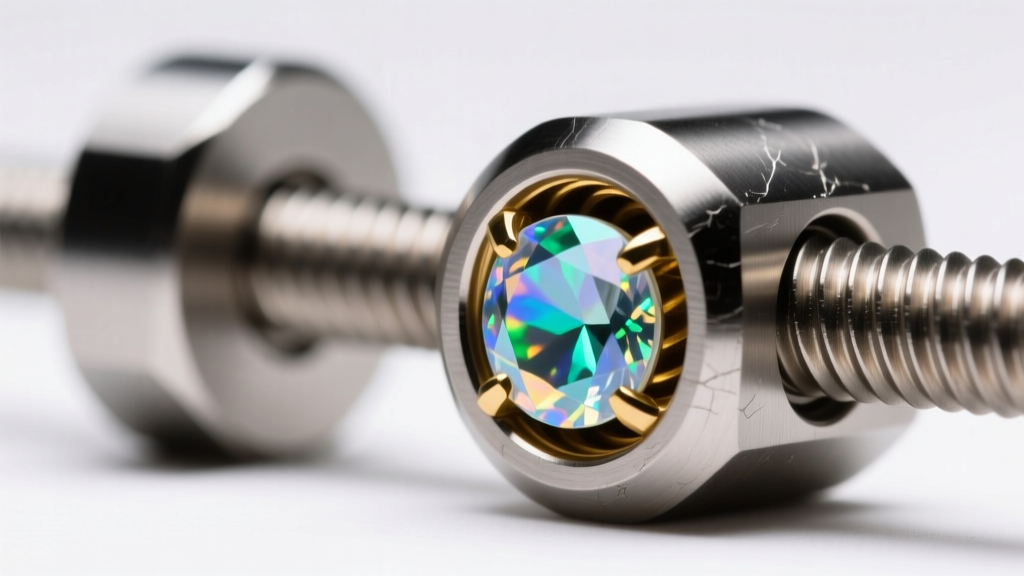
Externally threaded jewelry features screw threads cut directly into the post that passes through your fistula (the piercing tunnel). On a tiny 6mm post, these threads are sharp and jagged. Every time you insert or remove the earring, those micro-threads scrape the delicate interior tissue, causing micro-tears, scar tissue buildup, and chronic irritation.
Conversely, high-end brands like NeoMetal or Anatometal utilize threadless tension systems or internal threading (where the post is smooth and the screw is hidden inside the decorative end). The CNC machining required to tap internal threads into a 1.2mm (16G) titanium post that is only 6mm long is incredibly precise. This is why a $16 titanium stud from a reputable brand is a massive upgrade in value over a $3 externally threaded alternative. You are paying for tissue preservation.
The 6mm Hoop Fitment Guide: Avoiding the Cheese-Cutter Effect
If your budget is focused on 6mm inner diameter hoops, you must factor in your specific ear anatomy. A 6mm ID is exceptionally small. In the body jewelry industry, a 6mm hoop is considered a "snug" or "huggie" fit.
While aesthetically pleasing, placing a rigid 6mm hoop in a fresh or easily irritated cartilage piercing can lead to the dreaded "cheese-cutter effect." If the piercing swells even slightly, the tight 6mm circle will exert downward pressure on the fistula, slowly migrating through the tissue like a wire through cheese.
Expert Value Tip: If you are buying for a newly healed tragus or helix, allocate your budget toward an 8mm ID hoop for the first year to accommodate fluctuating swelling. Reserve your 6mm hoop budget strictly for mature, fully settled piercings where the tissue density is stable.
Expert Verdict: Maximizing Your Ear Jewelry Budget
Navigating the 6mm earrings gauge market requires looking past misleading terminology and focusing on material integrity and mechanical precision. To maximize your budget in 2026, follow this decision framework:
- Ditch the Steel: Because 6mm pieces use so little metal, the price gap between 316L steel and ASTM F136 titanium is often less than $10. Always stretch your budget to accommodate implant-grade titanium to guarantee hypoallergenic wear.
- Invest in Threadless Systems: For 6mm studs, threadless tension jewelry offers the most secure fit with the lowest risk of losing your gemstone ends, providing superior long-term value over friction-fit or butterfly-back earrings.
- Respect the Anatomy: Never force a 6mm ID hoop into a piercing that naturally requires an 8mm or 10mm diameter. The cost of treating an irritation bump caused by improper jewelry geometry will instantly erase any money saved on the jewelry itself.
By understanding the true dimensions, material grades, and manufacturing realities of micro-jewelry, you can build a high-quality, biocompatible ear curation without overspending on marketing hype.


