Expert Care and Cleaning Tips for Oval Link Earrings
Learn expert cleaning and maintenance tips for oval link earrings. Discover how to safely remove tarnish, prevent tangling, and restore their shine.

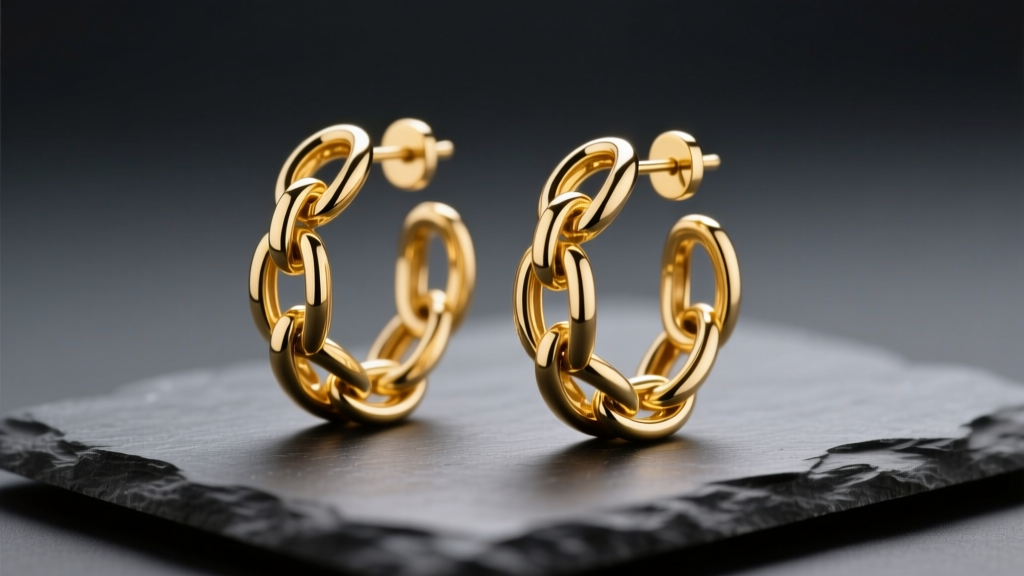
The Unique Anatomy of Oval Link Earrings: Why They Need Special Care
Oval link earrings have surged in popularity due to their striking blend of vintage charm and modern minimalist geometry. However, their very structure—the interlocking elliptical loops—creates a unique set of maintenance challenges that standard stud or hoop earrings do not face. The primary issue lies in the crevices where the links connect. These interlocking joints act as microscopic traps for sebum, dead skin cells, cosmetic residues, and environmental sulfur. Over time, this buildup not only dulls the metal's reflective surface but can also accelerate localized galvanic corrosion, particularly in sterling silver or brass-based pieces.
Furthermore, many large-scale oval link earrings are constructed using hollow links to keep the overall weight manageable for the earlobe. While comfortable, hollow links introduce a severe vulnerability during cleaning: water entrapment. If moisture becomes sealed inside a hollow link after washing, it can lead to internal oxidation, structural weakening, and a foul odor that is nearly impossible to eliminate without professional intervention. Understanding these structural nuances is the first step in preserving the longevity and brilliance of your chain-link jewelry.
Material-Specific Cleaning Protocols
Before applying any cleaning solution, you must identify the exact metal composition of your oval link earrings. The Gemological Institute of America (GIA) emphasizes that treating plated metals with the same aggressiveness as solid alloys is the leading cause of irreversible jewelry damage.
Solid 14k/18k Gold and Platinum
Solid gold and platinum oval links are highly resilient. For routine maintenance, a simple solution of warm distilled water and a few drops of phosphate-free dish detergent (such as Dawn) is sufficient. The critical tool here is an extra-soft baby toothbrush. Standard adult toothbrushes possess bristles that are too stiff and can cause microscopic abrasions on high-polish gold surfaces, eventually giving the metal a cloudy, matte appearance.
Sterling Silver and Oxidation Management
Sterling silver (.925) is notoriously susceptible to tarnish when exposed to the sulfur compounds found in everyday lotions and urban air pollution. For solid sterling silver oval links, a chemical reduction bath using aluminum foil, boiling water, and baking soda can safely reverse heavy tarnish without removing the base metal. However, if your silver earrings feature intentional oxidation (blackened recesses for contrast), avoid this method entirely, as it will strip the darkened detailing and leave the earring looking flat and washed out.
Gold Vermeil and Plated Links (The Warning Zone)
Gold vermeil (a thick layer of gold over a sterling silver core) and standard gold-plated brass require extreme gentleness. Never use ultrasonic cleaners on vermeil or plated oval link earrings. The high-frequency cavitation bubbles generated by ultrasonics will literally strip the microscopic gold layers from the edges of the links, exposing the base metal beneath. Instead, use a damp microfiber cloth and gently wipe the exterior curves of the links, avoiding vigorous scrubbing at the friction-heavy joints.
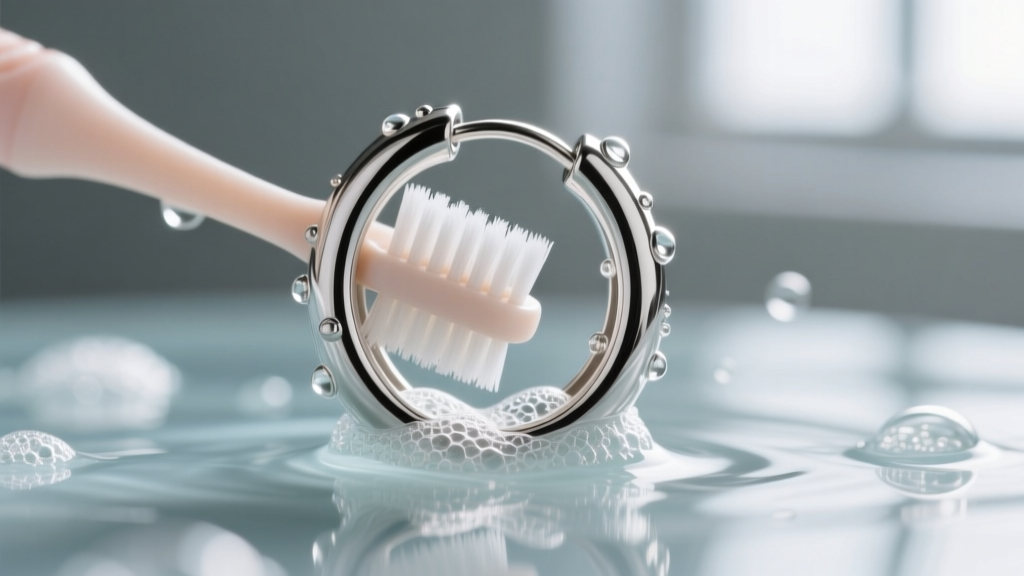
Step-by-Step Deep Cleaning Method for Crevices
To properly clean the interlocking joints of your oval link earrings without causing damage or trapping moisture, follow this precise, four-step protocol endorsed by professional jewelers:
- The Lukewarm Soak: Submerge solid metal links in a bowl of lukewarm (not hot) water mixed with mild surfactant for exactly 5 to 7 minutes. This softens hardened sebum and cosmetic buildup without shocking the metal.
- Targeted Agitation: Using an extra-soft baby toothbrush, gently sweep the bristles through the inner curve of each oval link and directly into the interlocking gaps. Do not apply downward pressure; let the bristle tips do the work.
- The Distilled Rinse: Rinse the earrings under a gentle stream of distilled water. Tap water contains trace minerals and chlorine that can leave water spots or react with silver alloys.
- Moisture Evacuation (Crucial for Hollow Links): Pat the exterior dry with a lint-free microfiber cloth. Then, use a hairdryer on the cool, low-speed setting to blow air directly into the link joints for 30 seconds. This evacuates any trapped water from inside hollow links, preventing internal corrosion.
Cleaning Agents vs. Link Materials
Using the wrong chemical agent can permanently ruin the finish of your earrings. Refer to this compatibility matrix before reaching for commercial jewelry dips.
| Metal Type | Safe Cleaning Agents | Agents to Avoid | Drying Method |
|---|---|---|---|
| Solid 14k/18k Gold | Mild dish soap, warm water, commercial ammonia-free gold dips | Bleach, chlorine, abrasive pastes | Microfiber cloth, cool air |
| Sterling Silver (.925) | Aluminum foil/baking soda bath, specialized silver polishing cloths | Chlorine, hard-bristled brushes, toothpaste | Polishing cloth, immediate storage |
| Gold Vermeil | Damp microfiber cloth, mild soap suds (applied sparingly) | Ultrasonic cleaners, silver dips, soaking | Air dry, gentle patting |
| Gold-Plated Brass | Dry polishing cloth only | Any liquid submersion, chemical dips | N/A (Keep completely dry) |
Daily Wear Maintenance and Snag Prevention
According to Jewelers of America, mechanical damage from daily wear is just as detrimental as chemical tarnish. Oval link earrings are notorious snag hazards. The elliptical shape creates a natural hook that easily catches on loose-knit sweaters, silk scarves, and long hair. When an oval link snags, the tension is transferred directly to the solder joints connecting the links or to the earring post itself, frequently resulting in a sheared post or a warped link.
To mitigate this, always put your oval link earrings on after you have finished styling your hair and applying all cosmetics, hairsprays, and perfumes. Hairspray, in particular, acts as a liquid adhesive that will glue the interlocking joints together, restricting the fluid movement of the chain and causing the metal to bend when you turn your head. When removing the earrings, never pull them through tangled hair; carefully untangle the links from the bottom up to avoid stressing the solder points.
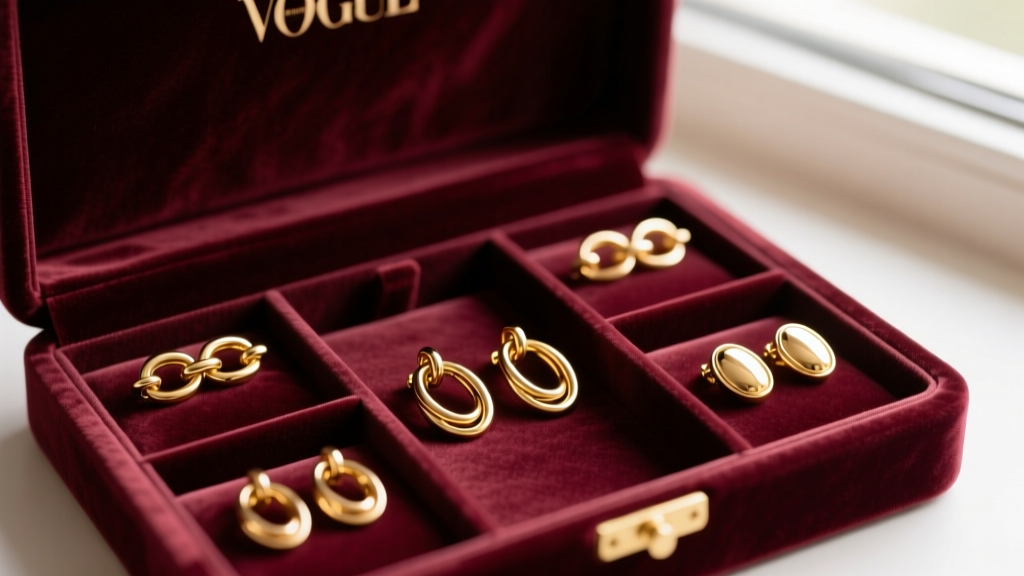
Proper Storage to Prevent Tangling and Warping
Tossing oval link earrings into a communal jewelry box is a guaranteed way to end up with a frustrating, knotted mess. Because of their elongated geometry, oval links can easily thread through one another, creating complex tangles that are difficult to undo without bending the metal out of its intended shape.
For optimal storage, lay the earrings perfectly flat in a dedicated, fabric-lined compartment where they will not slide around. If the earrings are particularly long or heavy, hang them from a specialized jewelry stand with individual prongs to keep the links suspended and separated. Always store sterling silver oval links inside anti-tarnish ziplock bags with a piece of 3M anti-tarnish strip or a simple piece of chalk to absorb ambient moisture and sulfur compounds.
When to Seek Professional Jewelry Repair
While diligent home maintenance will keep your oval link earrings looking pristine, certain issues require the expertise of a bench jeweler. If you notice that the interlocking joints feel stiff, gritty, or refuse to move freely even after a deep clean, the internal friction may have worn away the rhodium plating or exposed raw brass. A jeweler can ultrasonically clean the piece at a professional grade (if the metal allows) and re-plate the affected areas.
Additionally, if you discover a hairline fracture near the earring post or the jump ring connecting the chain to the clasp, stop wearing the earrings immediately. The structural integrity of chain-link jewelry relies on the continuous strength of every individual loop; a single compromised link will inevitably lead to the loss of the entire earring. A professional can easily laser-weld the fracture in seconds, ensuring your favorite oval links remain secure for years to come.


