Bunny Rabbit Earrings Care: Cleaning & Maintenance Guide
Discover expert cleaning and maintenance tips for bunny rabbit earrings. Learn how to safely clean enamel, silver, and gemstone rabbit motifs.

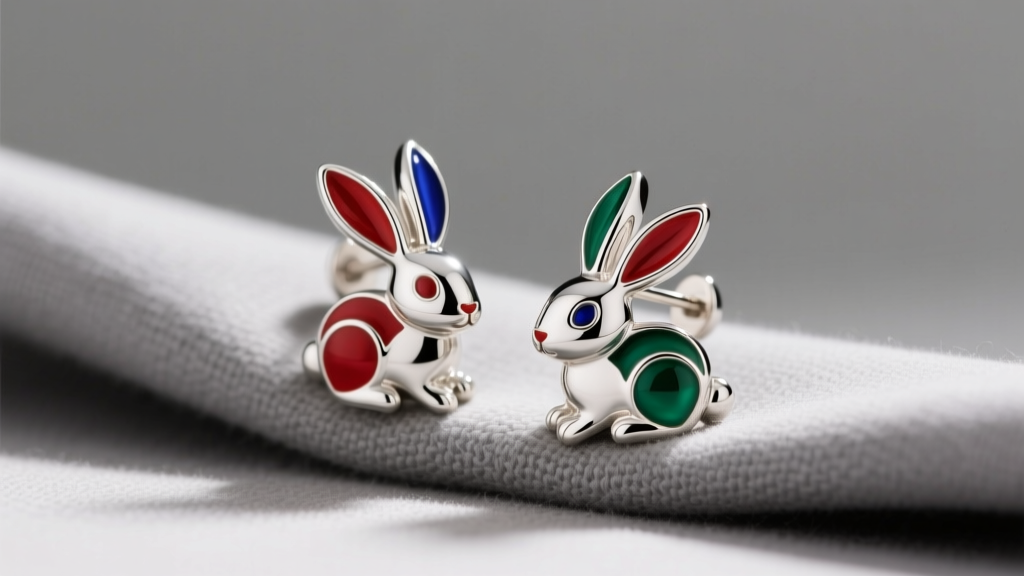
Bunny rabbit earrings are beloved for their whimsical charm, intricate silhouettes, and playful appeal. However, the very details that make these earrings so captivating—long sculpted ears, recessed enamel eyes, tiny whiskers, and delicate gemstone noses—also make them notorious magnets for dust, sebum, cosmetic residue, and environmental pollutants. Standard jewelry cleaning methods often fall short when dealing with the complex topography of animal motif jewelry. To preserve the luster of your metals and the vibrancy of your enamel or gemstone accents, a specialized approach to care and maintenance is required.
Material Identification: What Are Your Bunny Earrings Made Of?
Before applying any cleaning solution, you must accurately identify the materials used in your rabbit earrings. The cleaning protocol for bare sterling silver will instantly ruin cold enamel or acrylic components. Below is a breakdown of common materials used in bunny rabbit earrings and their specific vulnerabilities.
| Material | Common Applications in Rabbit Motifs | Cleaning Vulnerabilities |
|---|---|---|
| 925 Sterling Silver | Main body, ears, friction posts | Prone to silver sulfide tarnish; scratches easily with abrasive pastes. |
| Gold Vermeil (14k/18k) | High-end rabbit studs and dangles | Polishing cloths can strip the gold layer (must be at least 2.5 microns thick) down to the silver core. |
| Vitreous & Cold Enamel | Inner ear details, eyes, noses | Cold enamel (epoxy) yellows with UV and melts with heat; vitreous (glass) shatters on impact or thermal shock. |
| Cubic Zirconia (CZ) | Eye or nose accents | Attracts grease, causing a cloudy appearance; can be rattled loose by ultrasonic cavitation. |
Step-by-Step Cleaning Guide for Intricate Rabbit Motifs
Because bunny rabbit earrings feature deep crevices—especially where the ears meet the head or around the whiskers—you need tools that can reach these micro-areas without causing micro-scratches on the metal.
The Soft Brush and Wooden Toothpick Technique
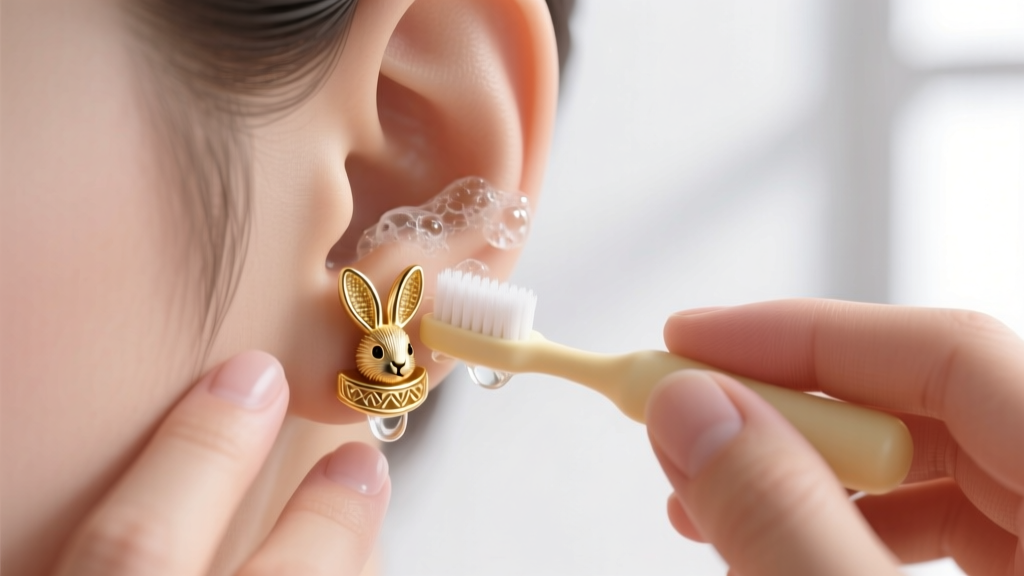
Forget standard jewelry brushes, which often have bristles that are too stiff for delicate gold vermeil. Instead, use an extra-soft baby toothbrush. Mix three drops of phosphate-free, mild dish detergent (like Dawn) into a bowl of lukewarm distilled water. Submerge the earrings for exactly three minutes to loosen sebum and dead skin cells trapped in the friction posts and rabbit ear grooves.
After soaking, gently agitate the crevices with the baby toothbrush. For the most stubborn grime trapped in the rabbit's whiskers or the corners of the eyes, use a standard wooden toothpick. Wood has a Mohs hardness rating of roughly 1.5, meaning it is hard enough to dislodge compacted debris but entirely incapable of scratching sterling silver (Mohs 2.5-3) or gold. Never use metal needles or safety pins, as they will leave permanent, unsightly gouges in the metal.
Ultrasonic Cleaners: A Severe Warning
While ultrasonic cleaners are excellent for plain diamond solitaires, they are highly dangerous for bunny rabbit earrings. The high-frequency cavitation bubbles created by ultrasonic machines can easily shatter cold enamel details or rattle tiny CZ stones out of their bezel or prong settings. According to the Gemological Institute of America (GIA), ultrasonic vibrations can also worsen existing microscopic fractures in gemstones and completely strip away oxidized (blackened) detailing that jewelers often use to give rabbit motifs a 3D, textured appearance.
Polishing and Restoring Metal Components
Tarnish on sterling silver is a chemical reaction where silver reacts with hydrogen sulfide in the air to form silver sulfide (Ag2S), manifesting as a yellow, brown, or black film. If your bunny earrings have lost their shine, you must remove this layer carefully.
For bare sterling silver rabbit earrings, a dedicated silver polishing cloth impregnated with jeweler's rouge is highly effective. However, if your earrings are gold vermeil, you must avoid polishing cloths entirely. As noted by jewelry manufacturing experts at Rio Grande, abrasive polishing compounds will strip the thin micron layer of gold, exposing the raw silver underneath and ruining the piece's aesthetic and resale value. For gold vermeil rabbit earrings, rely solely on the mild soap and water method, followed by a gentle buff with a clean, untreated microfiber cloth.
Pro-Tip for Oxidized Details: Many artisan bunny rabbit earrings feature intentional oxidation (blackening) in the recesses of the fur texture to create depth. Never use liquid silver dip cleaners on these pieces, as the harsh chemicals will strip the intentional patina, leaving the rabbit looking flat and artificially bright.
Proper Storage to Prevent Tarnish and Snagging
The elongated shape of rabbit ears makes these earrings particularly susceptible to bending, snagging, and physical deformation during storage. Tossing them into a communal jewelry box is a guaranteed way to end up with bent ear posts and scratched enamel.
Anti-Tarnish Environments
To halt the formation of silver sulfide, store your bunny earrings in an airtight environment. Use small ziplock bags equipped with 3M anti-tarnish strips, which actively absorb sulfur gases and hydrogen sulfide from the trapped air. Adding a tiny silica gel packet will control ambient humidity, further slowing the oxidation process.
Protecting Protruding Elements
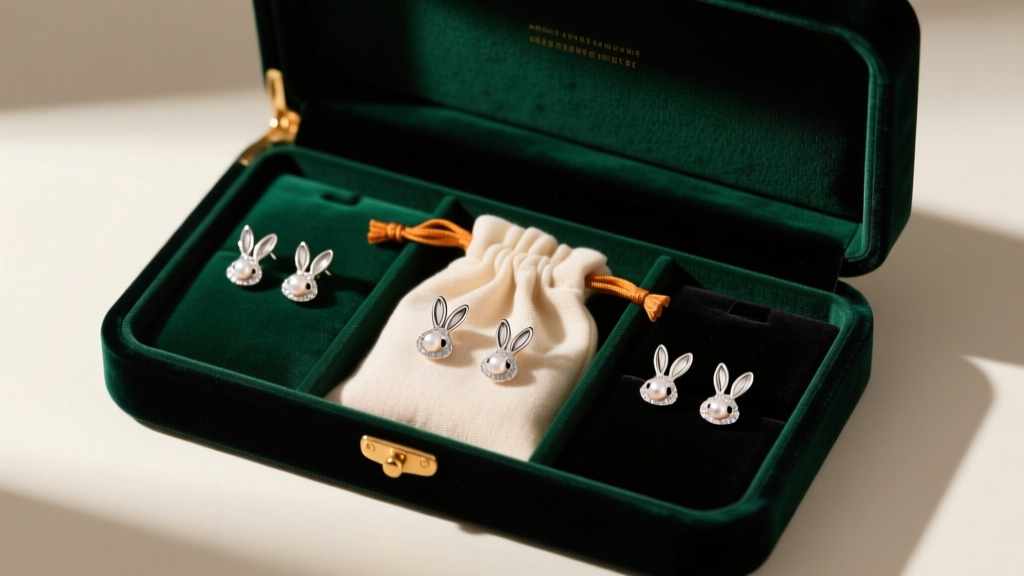
For rabbit dangle earrings or studs with long, protruding ears, wrap each piece individually in a soft, lint-free cotton pouch before placing them in their anti-tarnish bag. This prevents the metal ears from scratching the enamel or gemstone accents of their partner earring. If the earrings have custom-shaped backs (such as a carrot or paw-shaped silicone clutch), ensure the clutches are fully seated on the posts during storage so they don't dry out or lose their elasticity.
Troubleshooting Common Bunny Earring Issues
Even with meticulous care, whimsical motif jewelry can suffer from specific wear-and-tear issues. Here is how to address them with professional-grade solutions:
- Loose CZ Stones in the Eyes/Nose: If the tiny stone rattling in your rabbit's eye is caught early, you can gently tighten the bezel or prongs using a dull, plastic-tipped burnisher. Never use cyanoacrylate (Super Glue) to secure jewelry stones; it dries cloudy and creates a permanent, messy residue. If the prongs are worn down, take the piece to a jeweler for laser welding or re-tipping.
- Bent Friction Posts: 925 sterling silver is a relatively soft alloy. If the post of your rabbit earring bends, do not use standard steel needle-nose pliers to straighten it, as the hardened steel teeth will bite into and scar the silver. Instead, use nylon jaw pliers, which provide the necessary leverage to bend the post back to a perfect 90-degree angle without marring the metal surface.
- Chipped Cold Enamel: If the colored epoxy resin on the rabbit's nose chips off, it cannot be simply "glued" back on. A professional jeweler can carefully drill out the remaining cold enamel and pour a fresh layer of color-matched jeweler's epoxy, curing it under UV light for a factory-fresh finish.
- Stuck Butterfly Clutches: Sebum and dead skin can calcify inside the metal clutch, making it nearly impossible to remove from the earring post. Apply a single drop of mineral oil to the back of the clutch, let it sit for ten minutes to break down the organic buildup, and gently twist the clutch off. Clean the post with isopropyl alcohol before wearing again.
By understanding the specific material vulnerabilities and structural quirks of bunny rabbit earrings, you can ensure that these playful, detailed pieces remain vibrant, hygienic, and structurally sound for years of daily wear.


