90s Gold Earrings Value Guide 2026: Pricing & Karat Tips
Discover the true value of 90s gold earrings in 2026. Compare 14k vs 18k vintage pricing, spot gold-plated fakes, and learn expert buying tips.

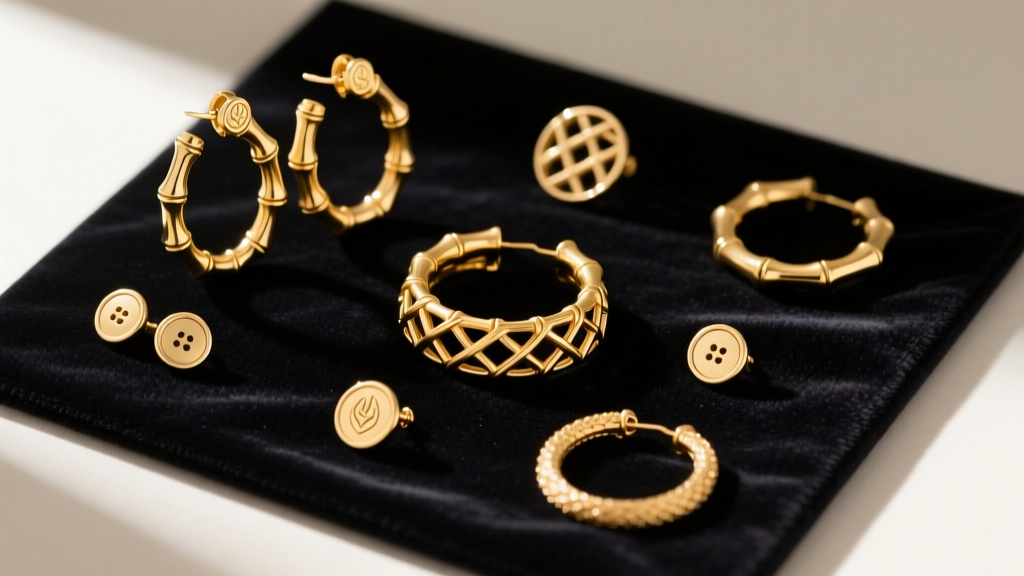
The 2026 Market: Nostalgia vs. Melt Value
The secondary market for 90s gold earrings has experienced a massive resurgence, driven by a cultural pivot toward Y2K and late-90s minimalist aesthetics. However, assessing the true budget and value of these pieces in 2026 requires separating nostalgic hype from intrinsic metallurgical worth. With gold spot prices pushing past historic highs this year, the baseline 'melt value' of vintage solid gold jewelry has fundamentally shifted the pricing floor.
When evaluating 90s gold earrings, buyers are often caught between two distinct value propositions: the vintage premium (paying for the specific designer, era, or deadstock condition) and the raw material value. A pair of genuine 14K gold bamboo hoops from 1996 weighing 5.2 grams contains roughly 3 grams of pure gold. At 2026 scrap prices, the metal alone commands a significant baseline price before any vintage markup is applied. Understanding this intersection is the key to avoiding overpriced 'costume' pieces masquerading as vintage investments.
Decoding 90s Alloys: Solid, Filled, or Plated?
The 1990s was a golden era for mall jewelry, but not all that glitters is solid gold. To accurately assess value, you must understand the manufacturing shortcuts of the decade. According to the Gemological Institute of America (GIA), the karat system dictates the exact ratio of pure gold to alloy metals like copper, silver, and zinc. In the US during the 90s, 14K (58.5% pure gold) was the undisputed standard for everyday earrings, prized for its durability and warm, rich hue derived from higher copper content compared to modern alloys.
The Stamp Dictionary: What to Look For
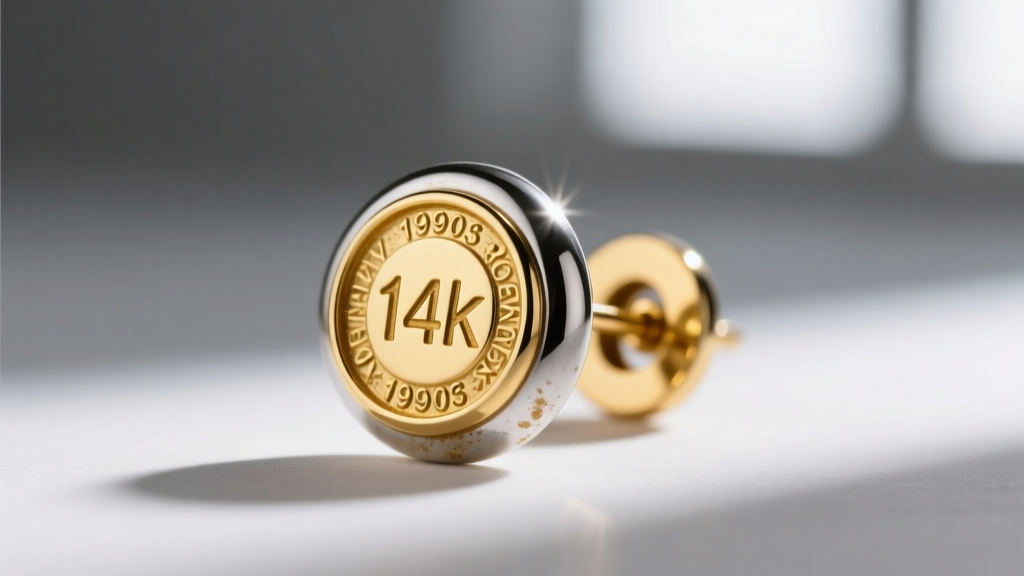
Turn the earring post over and examine the stamp under a 10x jeweler's loupe. Here is the definitive guide to 90s hallmarks and their actual market value:
- 14K or 585: Solid 14-karat gold. The most common and reliable investment for 90s pieces. Holds intrinsic melt value.
- 18K or 750: Solid 18-karat gold. Less common in US mall jewelry, more frequently found in European 90s imports or high-end designer pieces (e.g., Buccellati). Commands a 20-30% premium over 14K.
- 1/20 14K GF: Gold Filled. A thick layer of 14K gold mechanically bonded to a brass core. Common in 90s wire-wrapped drops. Has virtually zero melt value but offers decent longevity.
- HGE or HGP: Heavy Gold Electroplate. A microscopic layer of gold over base metal. Despite the word 'heavy,' these are costume pieces and should be priced under $30.
- 925 with Gold Tone: Vermeil or gold-plated sterling silver. Highly prevalent in 90s minimalist studs. Value is tied strictly to the silver weight.
2026 Fair Market Price Matrix
To prevent budget bleed, use this 2026 pricing matrix as your baseline when negotiating on resale platforms, estate sales, or vintage boutiques. These ranges assume the pieces are in good, wearable condition with functional closures.
| 90s Earring Style | Typical Material | 2026 Fair Market Value | Overpriced Red Flag |
|---|---|---|---|
| Small Button Studs (4-6mm) | 14K Solid Gold | $95 - $150 | > $220 |
| Medium Bamboo Hoops (20mm) | 14K Solid Gold | $280 - $480 | > $650 |
| Large Geometric Drops | 18K Gold Vermeil | $65 - $120 | > $190 |
| 'Puka Shell' Gold Accents | 10K or Gold Filled | $45 - $95 | > $160 |
| Twisted Rope Huggies | 14K Solid Gold | $180 - $320 | > $450 |
Iconic 90s Styles & Hidden Repair Costs
When budgeting for vintage 90s gold earrings, the purchase price is only half the equation. Decades of wear introduce specific mechanical failure modes that require professional bench jeweler repairs. Factor these hidden costs into your value assessment before buying.
Bamboo Hoops & Hinge Fatigue
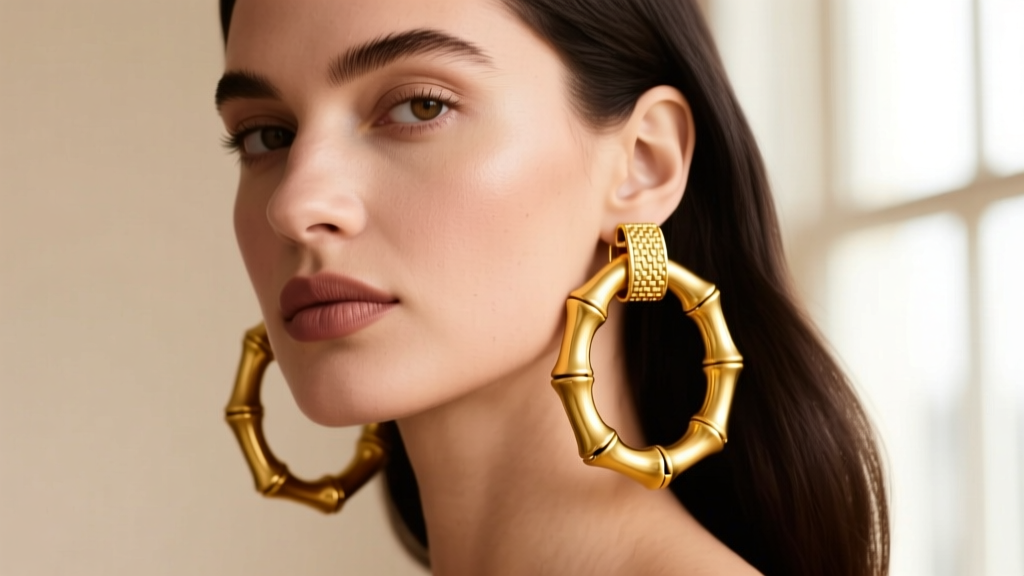
The thick, textured bamboo hoop is the quintessential 90s gold earring. However, the latch-back closures on authentic 90s pairs often suffer from severe hinge fatigue. The tiny steel or gold tension springs inside the hinge barrel degrade, causing the earring to pop open unexpectedly. Rebuilding a 90s bamboo hoop hinge typically costs between $40 and $75 per pair. If a seller lists bamboo hoops with a 'loose clasp,' deduct at least $80 from your maximum offer to cover the inevitable repair.
Omega Backs & Tension Loss
For non-pierced ears or heavy 90s gold drops, the omega back (a hinged, spring-loaded clip) was the standard. Over 30 years, the tension on these clips inevitably softens, leading to painful pinching or lost earrings. Furthermore, the Jewelers of America notes that replacing vintage omega clips is increasingly difficult, as modern casting molds differ slightly from 90s specifications. Budget an extra $50 for tension adjustments or custom clip replacements.
Expert Authentication Tactics
Because 90s gold earrings are highly counterfeited using modern brass and heavy electroplating, visual inspection is not enough. When evaluating high-ticket vintage pieces, employ these professional authentication tactics:
The Magnet Slide Test: Pure gold and standard 14K/18K alloys are entirely non-magnetic. However, the internal spring mechanism of a 90s hoop clasp will attract a magnet. If the main body of the earring hoop or the stud post reacts to a neodymium magnet, you are looking at a gold-plated steel or nickel core. Walk away immediately.
- The Electronic Conductivity Test: Modern electronic gold testers measure electrical conductivity to determine karat purity without damaging the piece. Many local pawn shops and bench jewelers will perform this test for a $10 fee, saving you from a $400 mistake on mislabeled 'solid gold' geometric drops.
- The Ceramic Streak Test (Use with Caution):strong> Rubbing an unglazed ceramic tile against an inconspicuous part of the earring will leave a black streak if the item is pyrite or brass, but a distinct golden-yellow streak if it is solid gold. Never use this on vermeil or gold-filled pieces, as it will permanently ruin the finish.
Final Verdict: Are 90s Gold Earrings a Smart Buy?
From a strict budget and value perspective, 90s gold earrings represent one of the smartest entry points into vintage jewelry in 2026. Unlike highly marked-up contemporary designer pieces, 90s mall gold and boutique gold were mass-produced with a focus on durability and heavy gram weights. By strictly targeting solid 14K and 18K pieces, verifying hallmarks, and budgeting for minor hinge or clasp restorations, you can acquire historically significant, trend-proof accessories that retain their intrinsic melt value while riding the wave of 90s nostalgia. Avoid anything stamped HGE or GF if your primary goal is long-term financial retention, and always negotiate based on the current daily gold spot price.


