Allergic to Earrings? The Ultimate Guide to Hypoallergenic Metals
Allergic to earrings? Discover which metals cause contact dermatitis and learn the exact grades of hypoallergenic titanium, gold, and niobium to wear safely.

Why Am I Suddenly Allergic to Earrings?
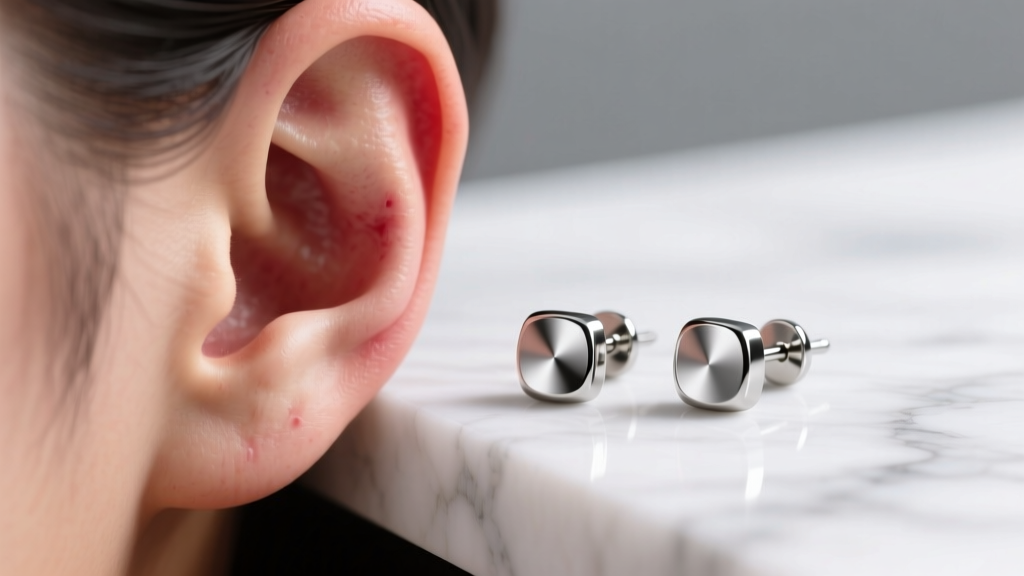
If you have ever experienced itchy, red, or flaky earlobes after wearing your favorite jewelry, you are not alone. Being allergic to earrings is one of the most common dermatological complaints worldwide. However, the term "allergy" in this context is slightly misleading. What you are actually experiencing is Nickel Allergic Contact Dermatitis (NACD), a localized immune response triggered when specific metal ions penetrate the skin barrier.
According to the National Center for Biotechnology Information (NCBI), nickel allergy affects approximately 10% to 20% of the general population, with a significantly higher prevalence in women due to historical piercing and jewelry-wearing habits. The reaction occurs when sweat and natural skin oils create a slightly acidic microenvironment on your earlobe. This acidity causes trace amounts of nickel or other reactive metals to leach out of the earring post. Your body's macrophages identify these free-floating metal ions as foreign invaders, launching an inflammatory attack that results in the dreaded redness, swelling, and weeping associated with contact dermatitis.
As of 2026, the jewelry market is more saturated than ever, making it increasingly difficult for beginners to separate safe, biocompatible metals from cheap, reactive alloys. This guide will break down the exact metallurgical grades you need to look for, the marketing traps you must avoid, and how to curate an earring wardrobe that keeps your piercings healthy and irritation-free.
The Metal Blacklist: What to Throw Away Immediately
If you are highly sensitive, the first step in managing your allergy is auditing your current jewelry box. Many mainstream jewelry brands use base metals that are notorious for triggering flare-ups. If your earrings contain any of the following materials, it is time to retire them:
- Surgical Stainless Steel (316L): Despite the medical-sounding name, surgical steel contains between 8% and 12% nickel to achieve its corrosion resistance and shine. While the Association of Professional Piercers (APP) considers it acceptable for fully healed piercings in some individuals, it is a major trigger for those with active nickel sensitivities.
- Brass and Bronze: These are copper-based alloys that frequently contain trace amounts of nickel, lead, or zinc. They oxidize quickly when exposed to sweat, turning your skin green and causing severe irritation.
- Nickel Silver (German Silver): This is perhaps the most deceptive metal in the jewelry industry. Nickel silver contains absolutely zero actual silver. It is an alloy of copper, nickel, and zinc, and it is a guaranteed flare-up for anyone allergic to earrings.
- Standard White Gold: To achieve a silvery-white color, many jewelers alloy yellow gold with nickel or palladium. If your white gold earrings are not specifically rhodium-plated and re-plated regularly, the underlying nickel will eventually contact your skin.
Furthermore, pay attention to the earring backs. Traditional "butterfly" friction backs trap dead skin cells, sebum, and moisture against the earlobe. This trapped debris accelerates metal corrosion and creates a breeding ground for bacteria, compounding your allergic reaction. Always opt for flat-back labrets or secure screw-in backs to maintain proper airflow.
The Safe List: Exact Metal Grades You Can Trust
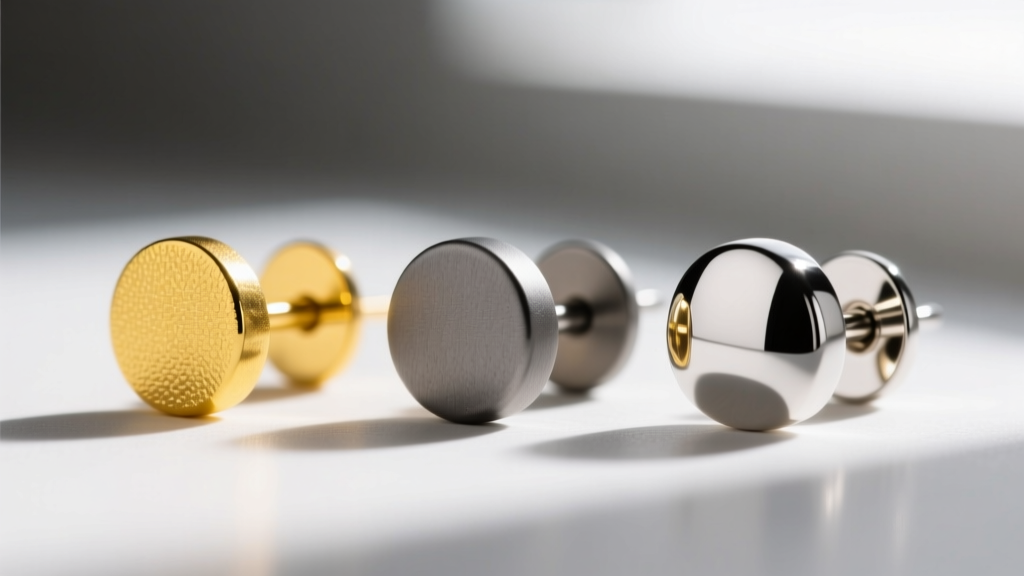
When shopping for hypoallergenic earrings, vague descriptions like "silver-toned" or "gold-dipped" are red flags. You must look for specific elemental metals and standardized alloy grades. Here are the only materials you should trust against your skin:
1. Implant-Grade Titanium (ASTM F136)
Titanium is the gold standard for sensitive ears, but not all titanium is created equal. You must look for ASTM F136 compliant titanium, which is the specific designation for implant-grade titanium used in medical devices like joint replacements and pacemakers. It contains zero nickel and is highly biocompatible. Beware of "commercial grade" titanium, which may contain impurities or trace alloys that can still cause mild reactions. Standard 20-gauge (0.81mm) or 18-gauge (1.02mm) titanium posts are lightweight, incredibly strong, and completely immune to sweat corrosion.
2. Niobium
Niobium is an elemental metal, meaning it is not an alloy and contains no hidden nickel or copper. It is highly malleable and naturally hypoallergenic. One of the most unique properties of niobium is that it can be anodized—using an electrical current to change the surface oxide layer—allowing it to display vibrant colors like deep blues, purples, and golds without the use of toxic dyes or plating. Niobium huggies and seamless rings are excellent choices for cartilage piercings.
3. High-Karat Yellow Gold (14k and 18k)
Pure 24k gold is too soft for earring posts, so it must be alloyed for durability. For allergy sufferers, 14k or 18k yellow gold alloyed with silver, copper, or zinc is generally safe. However, you must verify with the jeweler that their specific alloy mix is completely nickel-free. Avoid rose gold if you have a known copper sensitivity, as rose gold relies on a high copper content to achieve its pink hue.
4. Platinum
Platinum jewelry is typically 95% pure (marked as 950 Pt), with the remaining 5% usually consisting of iridium or ruthenium. It is exceptionally dense, naturally white (so no rhodium plating is required), and entirely hypoallergenic. The only drawback is the premium price point, making it a luxury investment rather than an everyday staple for beginners.
Comparison Chart: Hypoallergenic Earring Metals
To help you make informed purchasing decisions, here is a breakdown of the safest metals, their standard classifications, and what you can expect to pay for a basic pair of stud earrings.
| Metal | Required Grade / Standard | Nickel Content | Avg. Price Range (Studs) | Best Use Case |
|---|---|---|---|---|
| Titanium | ASTM F136 (Implant Grade) | 0% | $25 - $60 | Everyday wear, fresh piercings, sleeping |
| Niobium | 99.9% Pure Elemental | 0% | $20 - $45 | Hoops, huggies, colorful anodized jewelry |
| Yellow Gold | 14k or 18k (Nickel-Free Alloy) | 0% | $80 - $250+ | Special occasions, premium daily studs |
| Platinum | 950 Pt (95% Pure) | 0% | $200 - $500+ | Luxury heirlooms, high-end diamond settings |
The "Hypoallergenic" Marketing Trap
One of the most critical lessons for beginners is understanding that the term "hypoallergenic" is entirely unregulated in the United States and most international jewelry markets. A brand can legally stamp "hypoallergenic" on a pair of brass earrings coated in a microscopically thin layer of rhodium. While the rhodium itself is safe, everyday wear will cause that plating to fracture and wear away within weeks, exposing the reactive base metal underneath.
This is why the American Academy of Dermatology (AAD) advises patients to look past marketing buzzwords and demand transparency regarding the exact elemental composition of the jewelry. If a retailer cannot tell you the specific alloy or ASTM grade of their metal, do not risk wearing it. Additionally, the European Nickel Directive strictly limits nickel release to less than 0.5 µg/cm²/week for items in prolonged contact with the skin. Reputable global brands will adhere to this standard, but fast-fashion accessories rarely do.
How to Heal an Active Earring Allergy Flare-Up
If you are currently dealing with an active, weeping, or intensely itchy flare-up, you must take immediate action to prevent secondary bacterial infections and scarring.
- Remove the Offending Jewelry: Take out the earrings immediately. Do not attempt to "push through" the irritation.
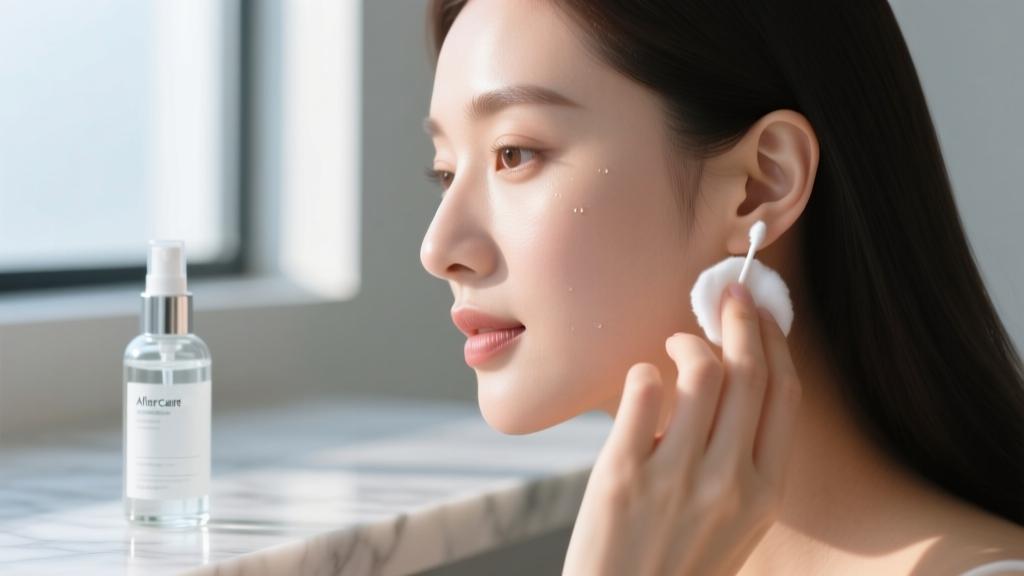
- Cleanse with Sterile Saline: Avoid harsh chemicals like rubbing alcohol or hydrogen peroxide, which destroy healing tissue. Use a sterile 0.9% sodium chloride wound wash spray twice a day.
- Apply a Topical Corticosteroid: An over-the-counter 1% hydrocortisone cream can significantly reduce localized inflammation and itching. Apply a thin layer for no more than 5 to 7 days.
- Let the Piercing Breathe: Leave the ear bare until all redness, flaking, and tenderness have completely subsided. This usually takes 7 to 14 days.
- Re-Insert with Implant-Grade Titanium: When the lobe is fully healed, your first piece of jewelry back in the hole should be a sterilized, internally threaded ASTM F136 titanium flat-back labret to ensure the tissue is not immediately re-traumatized.
Being allergic to earrings does not mean you have to sacrifice style. By understanding the science of contact dermatitis and strictly limiting your jewelry box to verified, biocompatible metals like implant-grade titanium, pure niobium, and high-karat yellow gold, you can enjoy a lifetime of comfortable, irritation-free wear. Always prioritize material integrity over flashy marketing, and your earlobes will thank you.


