Are Aluminum Earrings Safe for Sensitive Ears? A Material Guide
Discover if aluminum earrings are safe for sensitive ears. We compare anodized aluminum, titanium, and niobium for hypoallergenic jewelry.

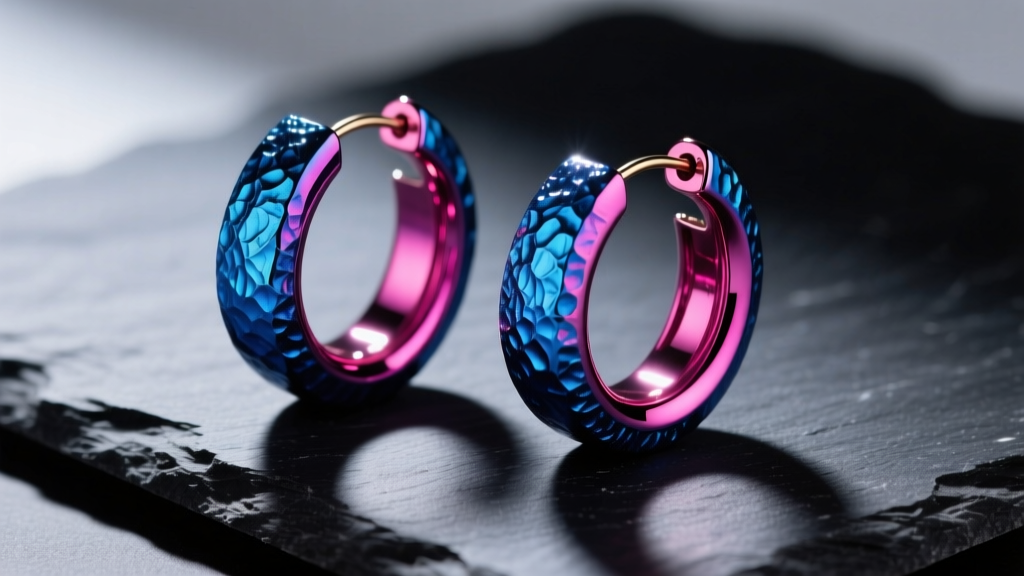
The Truth About Aluminum as a Jewelry Metal
When browsing through contemporary jewelry collections, you will frequently encounter aluminum earrings marketed as lightweight, colorful, and hypoallergenic. But from a metallurgical and dermatological perspective, is aluminum actually safe for sensitive ears or fresh piercings? The answer requires distinguishing between raw aluminum and anodized aluminum, as their biological reactivity differs drastically.
Raw, uncoated aluminum is highly reactive. When exposed to the natural acidity of human sweat (which typically has a pH between 4.5 and 6.0), raw aluminum undergoes rapid oxidation. This reaction releases aluminum ions that can cause contact dermatitis, localized itching, and the notorious gray or black staining often seen on the skin after wearing cheap fashion jewelry. For this reason, the Association of Professional Piercers (APP) strictly advises against using raw aluminum in any body jewelry, especially for unhealed piercings.
However, the aluminum earrings you see in high-end body jewelry shops are rarely raw. They undergo a process called anodization. Anodizing uses an electrolytic passivation process to increase the thickness of the natural oxide layer on the metal's surface. This transforms the reactive aluminum surface into aluminum oxide (Al2O3)—the exact same chemical compound as sapphire and ruby. This oxide layer is completely inert, non-toxic, and highly biocompatible, effectively sealing the reactive metal away from your skin.
Anodized Aluminum vs. Implant-Grade Titanium
To understand where aluminum earrings fit into a curated jewelry wardrobe, we must compare them to the gold standard of hypoallergenic metals: ASTM F136 implant-grade titanium. While both metals rely on a passive oxide layer for their biocompatibility, their structural integrity and failure modes are vastly different.
Titanium's oxide layer is self-healing. If you scratch a titanium earring, it instantly reacts with oxygen in the air to reform its protective barrier. Anodized aluminum, on the other hand, does not self-heal in the same robust manner. If the anodized layer on an aluminum earring is deeply scratched or chipped, the raw aluminum core is exposed to your skin's moisture, leading to galvanic corrosion and potential allergic reactions.
| Feature | Anodized Aluminum | Implant-Grade Titanium (ASTM F136) | Niobium (99.9% Pure) | Surgical Steel (316L) |
|---|---|---|---|---|
| Density (g/cm³) | 2.70 | 4.43 | 8.57 | 8.00 |
| Biocompatibility | High (if unscratched) | Excellent (Gold Standard) | Excellent | Moderate (contains nickel) |
| Scratch Resistance | Moderate (Oxide layer) | High | Low (very soft metal) | High |
| Average Price Range | $12 - $30 | $25 - $65 | $30 - $75 | $8 - $25 |
| Best Use Case | Stretched lobes, statement dangles | Fresh piercings, daily wear | Sensitive healed lobes | Budget fashion jewelry |
Weight and Gauge Considerations for Stretched Lobes
The single greatest advantage of aluminum earrings is their exceptional strength-to-weight ratio. With a density of just 2.70 g/cm³, aluminum is roughly one-third the weight of surgical steel and significantly lighter than titanium. This physical property makes aluminum an absolute game-changer for individuals with stretched earlobes or those who prefer heavy, oversized statement dangles.
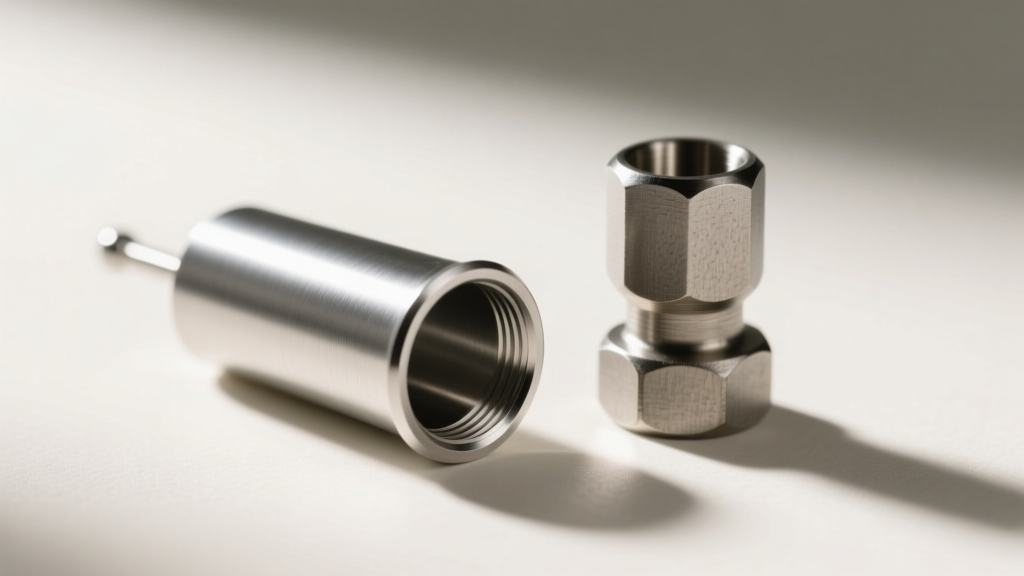
When wearing large gauges (such as 00g, 0g, or 2g), the cumulative weight of steel or glass jewelry can cause gradual tissue thinning, lobe migration, and discomfort. A pair of 0g aluminum eyelets or flesh tunnels can weigh less than 4 grams per ear, effectively eliminating the drag that leads to tissue damage. For cartilage piercings like the daith or conch, where heavy jewelry can cause pressure necrosis or migration, lightweight aluminum clickers offer a comfortable alternative, provided the piercing is fully healed and the anodization remains intact.
The Threading Problem: Structural Failure Modes
While aluminum is light, it is also a relatively soft metal on the Mohs scale compared to steel. This creates a specific failure mode in threaded jewelry. Externally threaded aluminum earrings (where the screw pattern is on the post) are highly prone to cross-threading and stripping. If the threads strip inside your earring backing, the jewelry becomes unusable.
Actionable Advice: When purchasing aluminum body jewelry, exclusively seek out internally threaded designs (where the screw is inside the decorative end) or threadless push-pin mechanisms. Threadless aluminum jewelry relies on a bent titanium or steel pin that inserts into a smooth aluminum shaft, completely bypassing the risk of stripping the soft aluminum threads.
Niobium vs. Aluminum: Which Hypoallergenic Metal Wins?
Niobium is frequently compared to aluminum because both metals can be anodized to produce a stunning spectrum of vibrant colors without using toxic dyes or plating. However, their physical properties dictate entirely different use cases.
Niobium is a heavy, incredibly soft, and highly malleable refractory metal. It is completely hypoallergenic and will never react with human tissue, making it superior for individuals with extreme metal sensitivities. However, its softness means it can easily bend out of shape, making it unsuitable for intricate clasps or structural components like huggie hinges. Aluminum, conversely, is much harder and more rigid when machined, allowing for precise, durable closures and intricate geometric shapes that niobium simply cannot support. If you need a rigid, lightweight geometric ear cuff or a structured huggie hoop, anodized aluminum is the superior structural choice.
Care, Maintenance, and Preserving the Oxide Layer
The longevity of your aluminum earrings depends entirely on preserving the anodized oxide layer. Because this layer is essentially a ceramic coating over a soft metal core, improper cleaning will destroy the jewelry's biocompatibility and vibrant color.
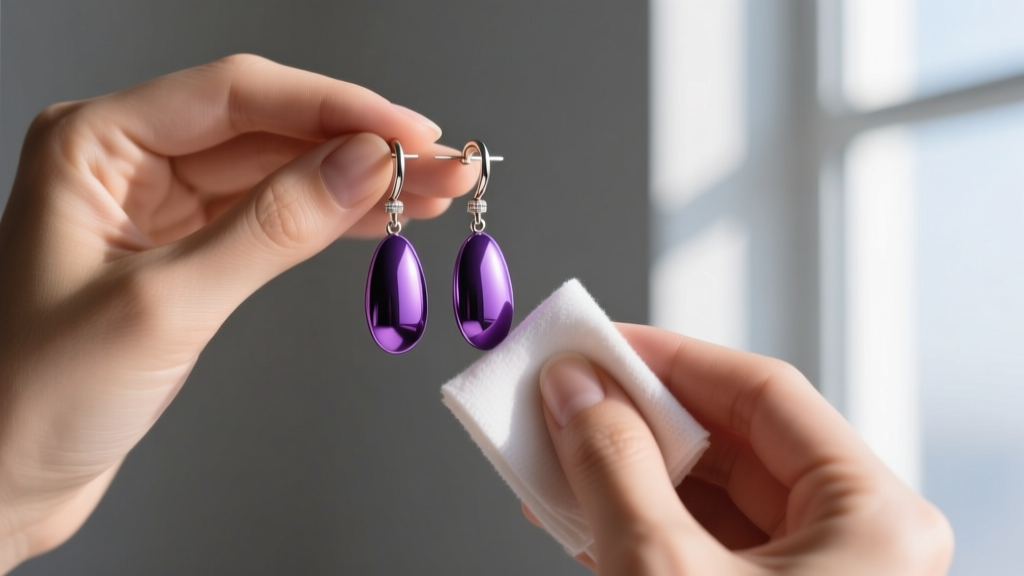
- Never use ultrasonic cleaners: The high-frequency cavitation bubbles in ultrasonic cleaners can micro-fracture and strip the anodized layer, exposing the raw aluminum beneath.
- Avoid harsh chemicals: Bleach, rubbing alcohol, and abrasive jewelry dips will degrade the oxide layer and dull the vibrant anodized colors. According to dermatological guidelines on contact dermatitis, degraded metals are a primary trigger for localized skin flare-ups.
- The proper cleaning method: Wash your aluminum earrings with warm water, a mild, fragrance-free liquid soap (like unscented Castile soap), and your bare hands. Dry them immediately with a soft microfiber cloth to prevent water spotting on the porous oxide surface.
- Storage matters: Store aluminum pieces individually in soft pouches. Tossing them into a communal jewelry box will result in micro-scratches from harder metals like steel or tungsten, compromising the anodized seal.
"Anodized aluminum is a fantastic, lightweight option for healed piercings and stretched lobes, but it should be treated as a delicate, semi-permanent coating rather than an indestructible metal. Once the color fades or scratches down to the silver base metal, it is time to retire the piece to avoid tissue irritation."
— Materials Science Guidelines for Body Jewelry, 2025 Edition
Final Verdict: Should You Wear Aluminum Earrings?
Aluminum earrings are a highly specialized tool in a jewelry collector's arsenal. They are not recommended for fresh, unhealed piercings where the risk of scratching the oxide layer and exposing raw metal to an open wound is too high. For fresh piercings, ASTM F136 implant-grade titanium remains the undisputed champion.
However, for fully healed piercings, stretched lobes, and lightweight statement pieces, high-quality, internally threaded anodized aluminum is a brilliant, safe, and comfortable choice. By understanding the material's limitations—specifically its vulnerability to deep scratches and thread stripping—you can safely enjoy the vibrant colors and featherlight comfort that only aluminum earrings can provide.


