Antique Diamond Drop Earrings: A Timeless Gift Guide
Discover how to choose, authenticate, and gift antique diamond drop earrings for anniversaries and milestones. Expert tips on cuts, metals, and eras.

The Allure of Antique Diamond Drop Earrings as a Gift
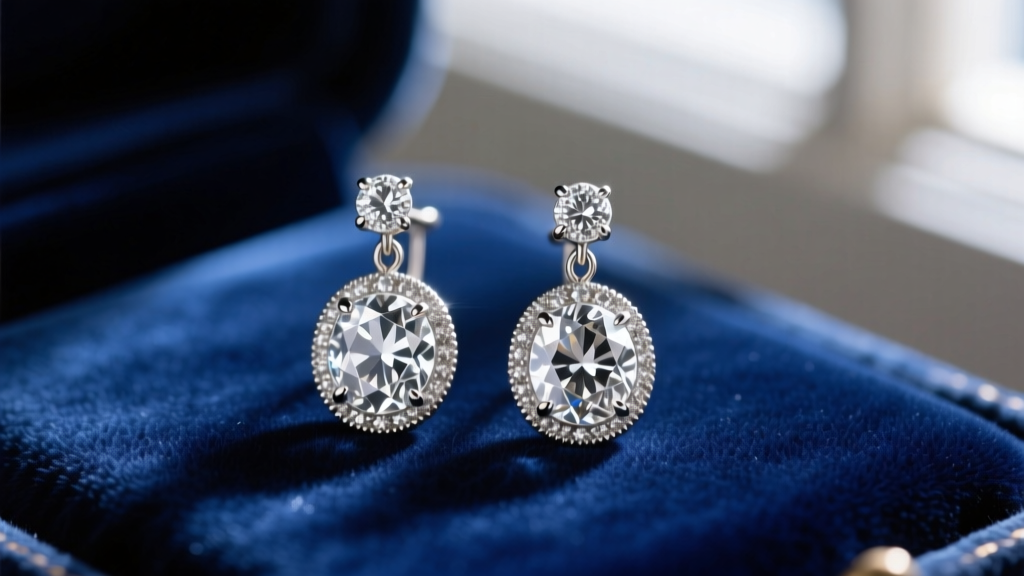
Gifting jewelry is an inherently intimate act, but presenting someone with antique diamond drop earrings elevates the gesture from a simple transaction to the passing of history. In 2026, the luxury market has seen a massive pivot toward sustainable, historically significant pieces. Discerning buyers are moving away from newly mined stones, opting instead for the romance and eco-conscious appeal of heirloom jewelry. Whether you are celebrating a 30th anniversary, a milestone birthday, or a significant personal triumph, antique drops offer a timeless elegance that modern mass-produced earrings simply cannot replicate.
However, navigating the antique jewelry market requires a keen eye and a deep understanding of historical craftsmanship. This guide will walk you through the eras, the unique diamond cuts, authentication techniques, and occasion-matching strategies to ensure your gift is both authentic and deeply meaningful.
Decoding the Eras: Victorian, Edwardian, and Art Deco
To gift an antique piece intelligently, you must first understand the era from which it hails. The aesthetic and metallurgical choices of the past dictate the style, durability, and value of the earrings today. According to the Victoria and Albert Museum's jewelry archives, the transition between the 19th and early 20th centuries radically transformed earring design.
Victorian (1837-1901): Romantic and Motif-Driven
Victorian diamond drop earrings are heavily romantic, often featuring floral motifs, crescents, or stars. Because platinum was not yet easily workable for jewelry, Victorian pieces were typically crafted in silver-topped gold. The silver top allowed the diamonds to appear whiter, while the gold backing prevented the silver from tarnishing the wearer's skin or clothing. If you are gifting Victorian drops, be prepared for a slightly warmer, more antique patina and heavier gold settings.
Edwardian (1901-1915): Lace-Like Elegance
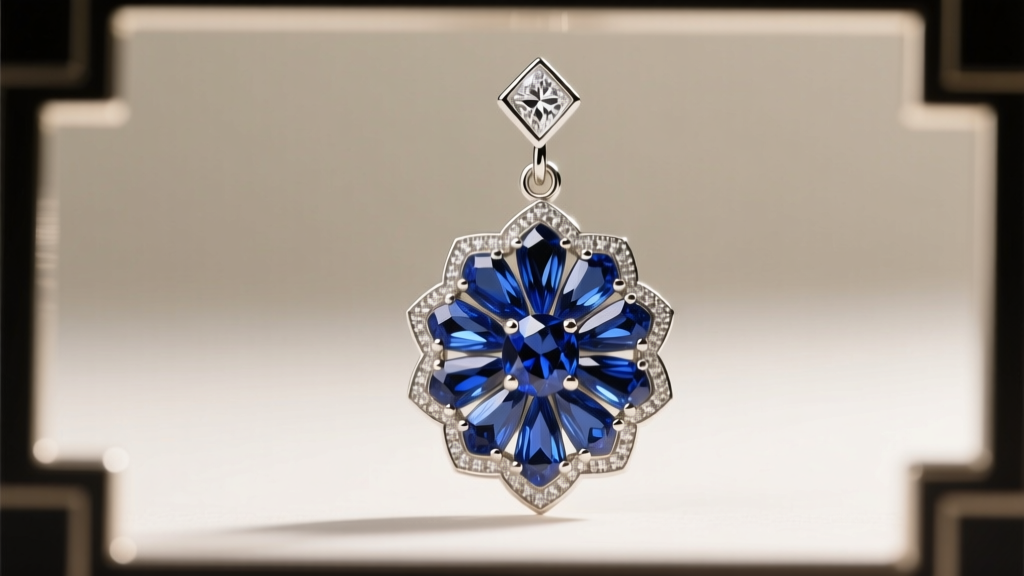 The Edwardian era introduced the widespread use of platinum, which is incredibly strong and can be drawn into fine, lace-like wires. Edwardian diamond drop earrings are characterized by their lightness, intricate milgrain detailing, and bow or garland motifs. They are the perfect gift for someone who appreciates delicate, ultra-feminine, and intricate craftsmanship.
Art Deco (1920-1935): Geometric Glamour
Art Deco drops are bold, symmetrical, and geometric. Expect to see step-cuts, baguettes, and contrasting gemstones like onyx, ruby, or calibré-cut sapphires alongside diamonds. These earrings are ideal for a recipient with a strong, modern sense of style who appreciates architectural lines and high-contrast glamour.
The Anatomy of Antique Diamonds: What Buyers Must Know
One of the most common mistakes novice buyers make is judging antique diamonds by modern standards. Antique diamonds were cut by hand, relying on the cutter's eye rather than computer-aided lasers. As noted in the GIA's comprehensive guide on diamond cut history, these stones prioritize carat weight retention and unique light return over the symmetrical brilliance of modern stones.
| Cut Style | Era | Shape & Faceting | Light Return |
|---|---|---|---|
| Old Mine Cut | Victorian / Georgian | Cushion-like, high crown, small table, open culet | Chunky, romantic, flashes of broad light |
| Old European Cut | Edwardian / Early Art Deco | Round, high crown, small table, open culet | Fiery, deep, mesmerizing internal scintillation |
| Transitional Cut | Late Art Deco (1930s) | Round, larger table, beginning of modern proportions | Bridge between antique chunkiness and modern brilliance |
Collectors actively seek out the 'bullet hole' effect—a dark spot visible through the table of the diamond caused by the open culet. Rather than a flaw, this is a badge of authenticity and a highly desired trait among antique jewelry purists. When selecting antique diamond drop earrings, look for this chunky light return and celebrate the hand-cut asymmetries that prove the stone's historical lineage.
Occasion Matching: When to Gift Antique Drops
Because of their historical weight and higher price points, antique diamond drop earrings are not casual gifts. They are reserved for moments of profound significance.
- The 30th or 60th Wedding Anniversary: Diamonds are the traditional gift for both the 30th and 60th anniversaries. Gifting a pair of Edwardian platinum drops symbolizes a marriage that has endured and grown more beautiful with time.
- Milestone Birthdays (40th, 50th): A pair of bold Art Deco drops makes a striking statement for a milestone birthday, offering a wearable piece of art that bridges the gap between vintage glamour and contemporary fashion.
- Heirloom Passing / Generational Gifts: Purchasing antique earrings to pass down to a daughter or granddaughter on her wedding day creates an instant family heirloom, imbued with the romance of the past.
- Red Carpet or Gala Events: For a partner who frequently attends high-society events, a dramatic pair of Victorian silver-topped diamond chandelier or long drop earrings provides unmatched, conversation-starting elegance.
Authentication and Pricing: Avoiding Reproductions
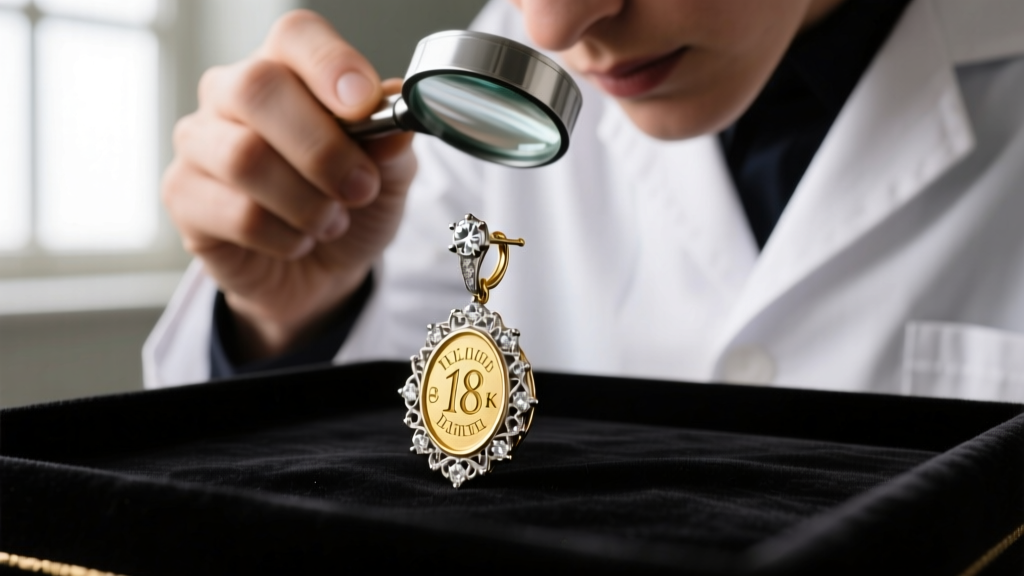 The market is flooded with 'antique-style' reproduction earrings. To ensure you are gifting a genuine artifact, you must know what to look for and what to pay. The Sotheby's Antique Jewelry department frequently highlights the importance of verifying tool marks, soldering techniques, and hallmark placements.
Red Flags for Reproductions
Use a 10x jeweler's loupe to inspect the earrings. If you see laser-inscribed serial numbers on the girdle of the diamond, it is a modern stone. Check the findings (the posts and clasps). Modern friction posts and butterfly backs are a dead giveaway; antique earrings will feature screw-backs, shepherd hooks, or early lever-backs. Furthermore, examine the soldering. Modern laser welding leaves distinct, perfectly smooth joints, whereas antique soldering may show slight historical imperfections or flux residue under magnification.
Another vital authentication tool is the ultraviolet (UV) blacklight. Modern jewelry repairs often utilize synthetic resins or modern epoxies that fluoresce brightly under UV light. If you shine a blacklight on the earring's settings and see a stark, milky-blue glow in the crevices, the piece has likely undergone modern, non-traditional repairs, which diminishes its antique value.
Current Market Pricing Tiers (2026 Estimates)
| Tier | Carat Weight (Total) | Era & Quality | Estimated Price Range |
|---|---|---|---|
| Entry-Level | 1.00 - 2.50 ctw | Victorian/Edwardian, SI-I1 clarity, warmer color | $4,500 - $9,000 |
| Mid-Range | 3.00 - 5.00 ctw | Art Deco/Edwardian, VS clarity, near-colorless | $12,000 - $28,000 |
| Investment/Museum | 6.00+ ctw | Exceptional provenance, high color/clarity, rare motifs | $45,000 - $120,000+ |
Styling and Care for Heirloom Drops
Gifting antique jewelry also means gifting the responsibility of its care. Antique diamond drop earrings require specific maintenance to preserve their historical integrity. When styling antique drop earrings, the neckline and hairstyle are paramount. Because these pieces are designed to catch the candlelight (or modern ambient light) while in motion, they are best showcased with an updo or a sleek, swept-back chignon. Pair Edwardian lace-like drops with an off-the-shoulder or sweetheart neckline to frame the face and elongate the neck. Conversely, heavy Victorian drops demand a structured, high-necked gown to balance their visual weight.
Expert Warning: Never place antique jewelry in an ultrasonic cleaner. The high-frequency vibrations can easily shake loose the delicate, hand-cut milgrain edges, fracture included stones, or dissolve the antique foil backing sometimes used in closed-back Victorian settings.
Instead, advise the recipient to clean the earrings using a mild, phosphate-free dish soap, lukewarm water, and a baby-soft toothbrush. Gently brush behind the diamond culet where lotion and skin oils accumulate, which can drastically dull the stone's unique antique fire. Store the drops in a soft, anti-tarnish flannel pouch, separate from modern jewelry, to prevent the harder modern diamonds from scratching the softer, historical metalwork.
Final Thoughts on Gifting History
Choosing antique diamond drop earrings is an exercise in curation and romance. You are not merely buying a pair of earrings; you are rescuing a piece of art from the past and giving it a new chapter in someone's life. By understanding the distinct eras, appreciating the unique hand-cut facets of Old Mine and Old European diamonds, and rigorously authenticating the piece, you ensure that your gift will be cherished not just for its beauty, but for the incredible history it carries.


