How to Make Earrings With Beads and Wire: 2026 Trend Guide
Master how to make earrings with beads and wire. Explore 2026 jewelry trends, wire gauge guides, and step-by-step techniques for artisan dangles.

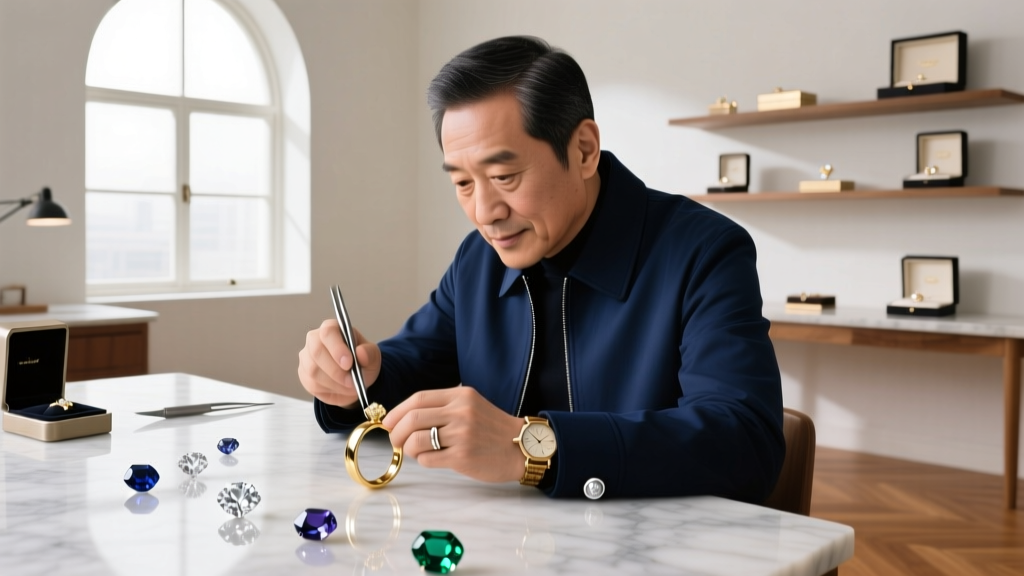
The 2026 Renaissance of Artisan Wire-Wrapped Earrings
In the landscape of contemporary jewelry, the shift away from mass-produced, cast-metal accessories has accelerated dramatically. As we navigate 2026, consumers and collectors alike are gravitating toward the visible craftsmanship of hand-fabricated pieces. Learning how to make earrings with beads and wire is no longer just a hobbyist pursuit; it is a highly sought-after skill for independent jewelers tapping into the "slow fashion" movement. The tactile nature of wire wrapping—where every loop, coil, and tension bend is shaped by hand—offers a bespoke quality that machine-stamped earrings simply cannot replicate. This comprehensive guide will walk you through the exact materials, structural techniques, and trending aesthetics defining the artisan earring market this year.
Essential Materials: Wire Gauges, Tempers, and Bead Grades
Before cutting your first coil, you must understand the metallurgy and geometry of your supplies. The success of your dangle or drop earring hinges on matching the correct wire temper and gauge to the specific structural demand of the design. According to technical specifications from Rio Grande, wire temper dictates how easily the metal bends and how well it holds its shape under stress.
| Wire Gauge (AWG) | Thickness (mm) | Recommended Temper | Best Application in Earrings | 2026 Trend Material |
|---|---|---|---|---|
| 20-Gauge | 0.81mm | Half-Hard | French ear wires, structural frames, clasps | 925 Sterling Silver, Niobium |
| 22-Gauge | 0.64mm | Half-Hard / Dead Soft | Head pins, heavy bead links, ear cuffs | 14K Gold-Filled, Brass |
| 24-Gauge | 0.51mm | Dead Soft | Wire wrapping, weaving, securing briolettes | Copper, Rose Gold-Filled |
| 26-Gauge | 0.40mm | Dead Soft | Micro-coiling, intricate filigree accents | Fine Silver (.999) |
Equally critical is the bead selection. The Gemological Institute of America (GIA) emphasizes that understanding gemstone treatments and grading is vital for pricing your artisan work accurately. When sourcing from suppliers like Fire Mountain Gems, look for AAA-grade freshwater pearls for high-luster classics, or ethically sourced, uncut tourmaline and sapphire slices for the raw, organic aesthetics dominating 2026. Always verify the bead hole diameter; a standard 0.8mm hole accommodates 20-gauge wire, but micro-drilled gemstones (0.4mm - 0.5mm) require 24-gauge or 26-gauge wire for threading.
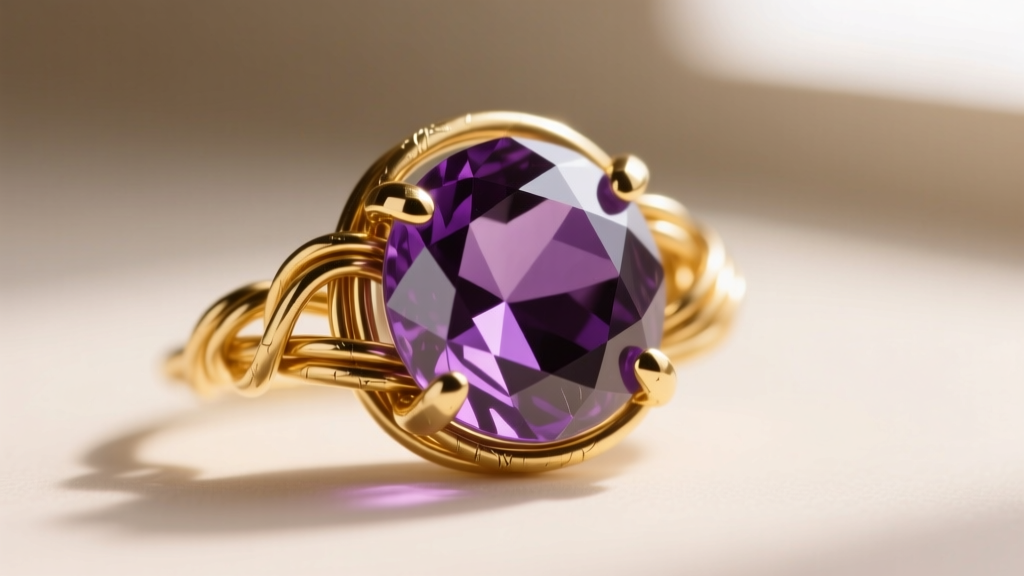
How to Make Earrings With Beads and Wire: Step-by-Step
Creating a durable, professional-grade beaded dangle earring requires mastering three fundamental techniques: the ear wire, the wrapped loop, and the tension weave. Here is a precise, actionable framework for constructing a classic wrapped bead link.
Step 1: Fabricating the Custom Ear Wire
Skip the store-bought findings. Custom ear wires elevate the perceived value of your jewelry. Cut a 3-inch length of 20-gauge half-hard sterling silver wire. Using the rounded tip of your chain-nose pliers, form a small, simple loop at one end—this will connect to your bead dangle. Slide the wire over a mandrel or a wooden dowel (approx. 8mm diameter) to create a smooth, uniform curve. Trim the tail to your desired length (usually 1 inch past the curve) and file the end completely flush with a cup bur to prevent ear lobe scratching. For added durability and a work-hardened finish, gently tap the curved section with a rawhide mallet against a steel bench block.
Step 2: The Bead Stringing and Tension Wrap
Cut a 4-inch piece of 24-gauge dead soft wire. Thread your chosen bead (e.g., a 6mm AAA-grade lapis lazuli rondelle). Leave a 1-inch tail at the top. Bend both wire ends upward so they sit flush against the bead. Take the longer wire and wrap it tightly around the shorter tail wire exactly three times, creating a secure collar just above the bead hole. This prevents the bead from spinning and distributes mechanical stress away from the fragile gemstone drill hole.
Step 3: The Finishing Loop and Coil
Using your round-nose pliers, grip the top of the wrapped wires and roll them back to form a perfectly centered top loop. Wrap the remaining tail wire down the neck of the loop, coiling tightly. Snip the excess wire with flush cutters, ensuring the flat side of the cutter faces the coil for a seamless finish. Use nylon-jaw pliers to gently squeeze the final coil, locking it into place without marring the metal.
Trend Analysis: Top Bead and Wire Aesthetics for 2026
The jewelry market in 2026 is defined by a juxtaposition of raw, unpolished elements and hyper-refined metalwork. If you are building an inventory or a custom collection, integrate these three dominant trends:
- Raw Crystal & Oxidized Copper: Uncut, rough-hewn gemstones like emerald-in-matrix or raw aquamarine wrapped in heavily oxidized (liver of sulfur treated) 22-gauge copper wire. The dark, textured metal highlights the natural inclusions and geometric fractures of the stones.
- Asymmetrical Pearl Drops: Mismatched, baroque freshwater pearls suspended from delicate, 24-gauge gold-filled wire weaves. One earring features a long, cascading wire-wrapped chain, while the other is a compact, clustered stud-to-dangle conversion. This caters to the ongoing consumer desire for individualized, non-uniform styling.
- Micro-Filigree Weaving: Utilizing 26-gauge fine silver wire to create intricate, lace-like weaves around large, faceted briolettes. This technique requires immense patience and high magnification but commands premium pricing in the artisan sector due to the sheer labor hours involved.

Troubleshooting Common Wire-Wrapping Failures
Even experienced jewelers encounter structural and aesthetic failures when working with wire and beads. Here is how to diagnose and fix the most common issues:
Problem: The wire keeps kinking and breaking during wrapping.
Solution: You are likely using a wire temper that is too hard for tight coils, or you are pulling the wire with bare fingers, introducing microscopic stress fractures. Switch to "dead soft" temper for all wrapping wire. Always use smooth, nylon-jaw pliers to pull and tension the wire, which prevents tool marks and distributes the bending force evenly.
Problem: The bead spins loosely on the wire link.
Solution: The bead hole is too large for the wire gauge. Do not simply use a thicker wire, as it may crack the stone. Instead, use a micro-bead spacer or a tiny coil of 26-gauge wire wrapped around the main wire shaft just above and below the bead to act as a custom-fitted bumper. Alternatively, a microscopic drop of jeweler's two-part epoxy inside the bead hole will permanently lock the stone in place.
Problem: Ear wires cause allergic reactions.
Solution: Sterling silver contains 7.5% copper, which can cause reactions in highly sensitive ears. For hypoallergenic 2026 collections, fabricate your ear wires from pure niobium or anodized titanium. These reactive metals are completely nickel-free and can be anodized with electricity to produce vibrant, permanent colors without the use of chemical dyes.
Sourcing and Pricing: Building Your Artisan Inventory
Understanding your material costs is vital for sustainable pricing. As of early 2026, the spot price of silver has stabilized but remains a premium investment. Expect to pay approximately $1.15 to $1.30 per gram for high-quality 925 sterling silver wire from reputable wholesale suppliers. Gold-filled wire (typically 1/20 14K) offers a luxurious aesthetic at roughly 15% of the cost of solid gold, making it the undisputed champion for accessible luxury wire-wrapped earrings.
When pricing your finished bead and wire earrings, adopt the standard artisan formula: (Materials Cost x 3) + (Hourly Labor Rate x Hours Spent). A pair of intricately woven, raw sapphire dangle earrings that takes two hours to fabricate and uses $18 in materials should retail for no less than $130 to $160. Undervaluing the intense manual labor of wire wrapping devalues the craft and leads to rapid burnout.
"The beauty of wire wrapping lies in its imperfections. A machine can stamp out a thousand identical castings in an hour, but it cannot replicate the deliberate, rhythmic tension of a jeweler's hand guiding 24-gauge gold around a raw opal. That human fingerprint is what collectors are paying for in 2026."
Mastering how to make earrings with beads and wire is a journey of metallurgical understanding and artistic expression. By respecting the physical properties of your materials, staying attuned to the organic aesthetics trending this year, and executing flawless structural wraps, you position your work not just as jewelry, but as wearable, contemporary art.


