Authentic Kashmiri Earrings: A Complete Buying Guide
Discover what to look for when buying authentic Kashmiri earrings. Learn about Meenakari enamel, Kundan settings, weight management, and pricing.

The Allure of Kashmiri Ear Adornments
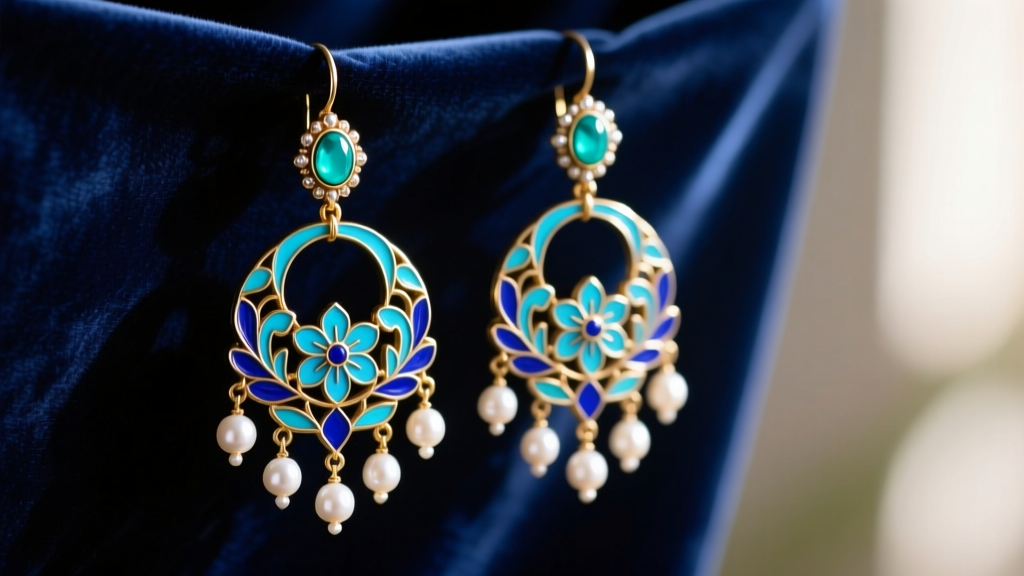
Kashmiri earrings represent a pinnacle of Himalayan craftsmanship, blending Mughal opulence with indigenous artistry. Characterized by intricate Meenakari (enameling), Kundan (foil-set gemstones), and motifs inspired by the region's flora—such as the Chinar leaf and the Badam (almond)—these pieces are more than mere accessories; they are wearable heritage. However, as global demand for artisanal jewelry surges in 2026, the market has become saturated with mass-produced imitations. Navigating this landscape requires a trained eye for metallurgy, gemology, and structural integrity.
This comprehensive buying guide will equip you with the exact specifications, material grades, and structural red flags to look for when investing in authentic Kashmiri ear jewelry, ensuring your purchase is both historically resonant and built for modern wearability.
Decoding the Craft: Materials and Motifs
Authentic Kashmiri earrings are defined by their multi-layered construction. Unlike stamped or cast fashion jewelry, traditional pieces are hand-fabricated, often requiring weeks of labor by specialized artisans. When evaluating a piece, you must scrutinize the three core components: the metal base, the enamel work, and the gemstone settings.
The Metal Base: Silver vs. Alloy
Historically, Kashmiri jewelry was crafted in 22k or 24k gold. Today, 925 sterling silver with heavy gold vermeil (a minimum of 2.5 microns of 22k gold plating over sterling) is the standard for high-quality, accessible pieces. What to avoid: Tourist markets frequently sell brass or nickel-alloy bases painted with gold-colored lacquer. These alloys not only cause severe contact dermatitis but also react with the natural oils in your skin, turning the metal black or green within weeks. Always demand a '925' hallmark stamped on the post or the reverse of the main chassis.
Enamel and Gemstone Quality
Meenakari is the soul of Kashmiri jewelry. Traditional vitreous enamel is made from finely ground glass fused to metal at high temperatures. It is brilliant, scratch-resistant, and cool to the touch. Conversely, modern commercial pieces often use 'cold enamel' (epoxy resin). While epoxy is less fragile, it is prone to yellowing and peeling after prolonged exposure to UV light and cosmetics. To test the material, gently tap the enameled surface with a fingernail; glass-based enamel produces a sharp, high-pitched 'clink,' while epoxy yields a dull thud.
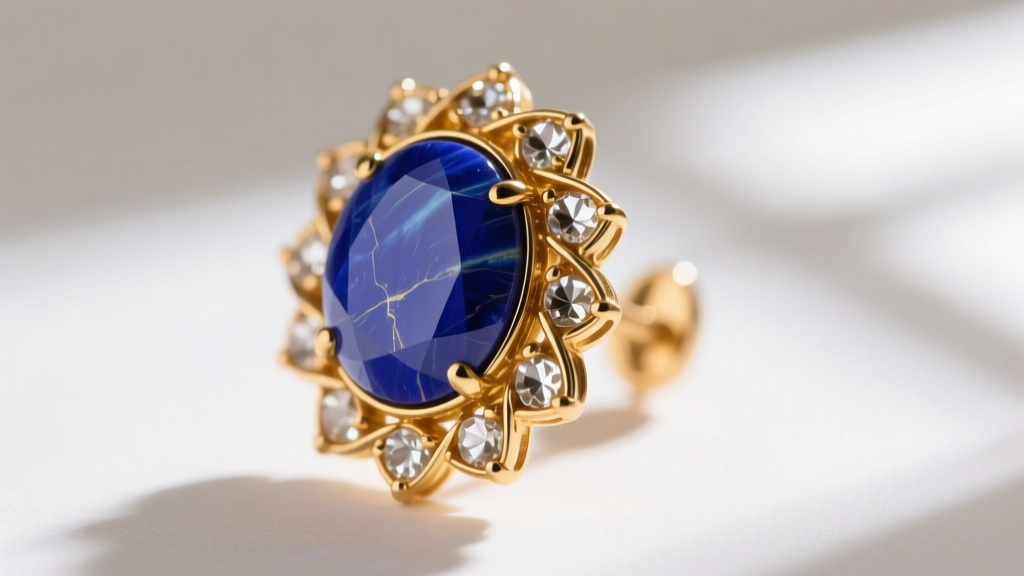
Regarding gemstones, Kashmiri designs heavily feature turquoise, lapis lazuli, and coral. Be wary of dyed howlite masquerading as turquoise. According to the Gemological Institute of America (GIA), natural turquoise often features a matrix (veining) that varies in depth, whereas dyed imitations show color concentrated in the cracks. For lapis lazuli, look for natural pyrite flecks (gold specks); an absence of pyrite or a completely uniform, overly bright blue often indicates a synthetic or reconstituted stone.
The Weight Factor: Managing Heavy Ear Jewelry
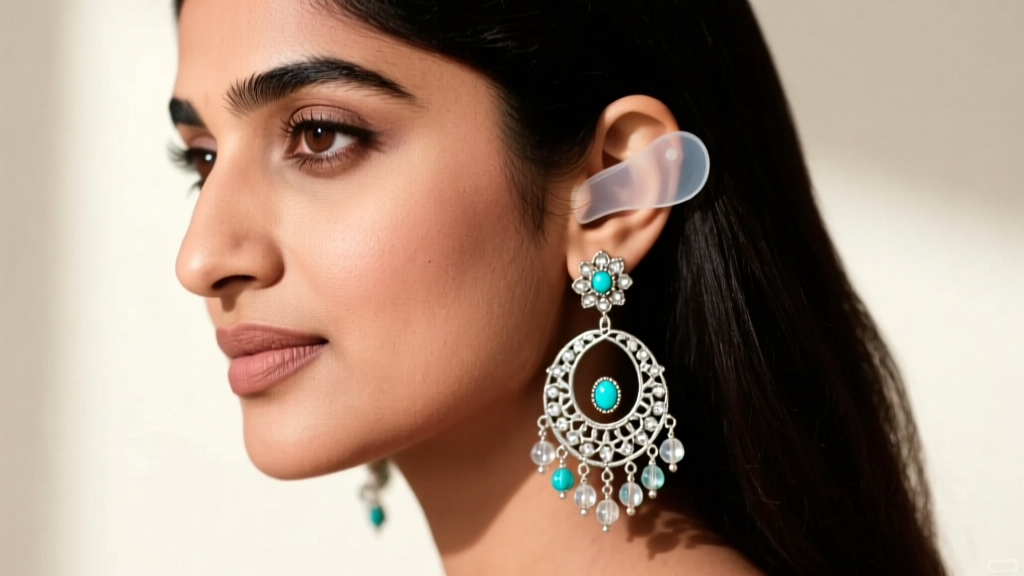
The most common complaint among buyers of traditional Indian jewelry is the weight. Authentic Kashmiri jhumkas and chandelier dangles are substantial, often weighing between 18 to 35 grams per earring. A standard earlobe piercing can comfortably support up to 7-10 grams before experiencing fatigue, stretching, or tearing. Wearing heavy earrings without support will permanently elongate the piercing fistula over time.
Weight Categories and Support Solutions
| Style Category | Average Weight (Per Ear) | Recommended Support Method |
|---|---|---|
| Kashmiri Studs / Small Badam Drops | 4g - 9g | Standard butterfly backs or silicone stoppers |
| Medium Meenakari Jhumkas | 12g - 18g | French wire with ear support patches (e.g., Ombre) |
| Heavy Bridal Chandeliers | 22g - 35g+ | Chain adapters (hooking to hair) or leverback conversions |
Pro Tip: If you are buying heavy jhumkas online, check the clasp type. Avoid standard 'push-through' friction posts for anything over 10 grams, as the weight will cause the earring to droop forward. Opt for 'French wire' (fishhook) styles paired with invisible silicone support patches that adhere to the back of the earlobe, distributing the weight across a wider surface area.
Authenticity Check: Spotting Mass-Produced Fakes
As the aesthetic of Kashmiri jewelry gains traction on global runways, factory-made replicas have flooded the market. Here is a rapid-fire checklist to separate artisanal heritage from assembly-line costume jewelry:
- The Reverse Side Test: Authentic Meenakari is often enameled on the back of the earring as well, a hallmark of luxury finishing meant to protect the silver from tarnishing and provide a smooth surface against the skin. Fakes usually leave the back bare, rough, or painted with cheap gold lacquer.
- The Kundan Foil Edge: Kundan setting involves pressing highly refined 24k gold foil around the gemstone to hold it in place. In genuine pieces, the foil edge is smooth, continuous, and burnished. In fakes, the 'foil' is actually a glued-on metallic paint or epoxy rim that shows microscopic gaps or bubbling under a jeweler's loupe.
- Motif Symmetry vs. Organic Flow: While machine-stamped jewelry is flawlessly symmetrical, hand-crafted Kashmiri motifs possess a subtle, organic asymmetry. The Chinar leaves will have slight variations in their enamel fill, proving human intervention.
Pricing Guide: What Should You Pay?
Understanding the fair market value prevents you from overpaying for costume pieces or falling for 'too good to be true' scams. Prices in 2026 reflect the rising cost of raw silver and skilled artisan labor.
- $20 - $60 (Fashion / Alloy): Brass or copper bases, cold epoxy enamel, and glass or plastic stones. Suitable for occasional wear but lacks longevity and intrinsic value.
- $85 - $250 (Artisan Sterling): 925 sterling silver base, gold vermeil plating, traditional vitreous or high-grade cold enamel, and genuine semi-precious stones (turquoise, coral). This is the sweet spot for serious collectors and everyday luxury.
- $300 - $800+ (Heirloom / Solid Gold): 18k or 22k solid gold, natural unheated gemstones, and master-crafted vitreous Meenakari. These are investment pieces often sourced directly from master jewelers in Srinagar or specialized heritage boutiques.
Care and Maintenance for Longevity
Kashmiri earrings require a highly specific care regimen. The most common mistake owners make is using ultrasonic jewelry cleaners or chemical dips. Never put Kundan or Meenakari jewelry in an ultrasonic cleaner. The high-frequency vibrations will shatter the glass stones and strip the delicate gold foil from its setting. Furthermore, chemical silver dips will instantly dissolve vitreous enamel and strip gold vermeil.
Instead, adopt the 'dry dusting' method. Use a clean, soft-bristled makeup brush (like a blending brush) to gently sweep away skin oils and cosmetic dust from the gemstone settings and enamel grooves. For the metal backings, lightly buff with a dry, untreated microfiber cloth. Store your earrings flat in a tarnish-resistant anti-tarnish cloth pouch, as hanging heavy jhumkas can cause the delicate pearl drops and chain links to stretch and snap over time.
Final Verdict
Investing in authentic Kashmiri earrings is an exercise in cultural appreciation and aesthetic brilliance. By prioritizing 925 sterling silver bases, scrutinizing the quality of the Kundan foil and Meenakari enamel, and proactively managing the weight with proper ear supports, you can comfortably integrate these breathtaking Himalayan masterpieces into your modern jewelry rotation. Always buy from transparent artisans who disclose their materials, and treat each piece not just as jewelry, but as a fragile, beautiful artifact of history.


