How to Authenticate, Clean, and Restore 925 JWBR Earrings
Learn how to authenticate, deep-clean, and restore 925 JWBR stamped sterling silver earrings with our expert step-by-step metallurgical guide.

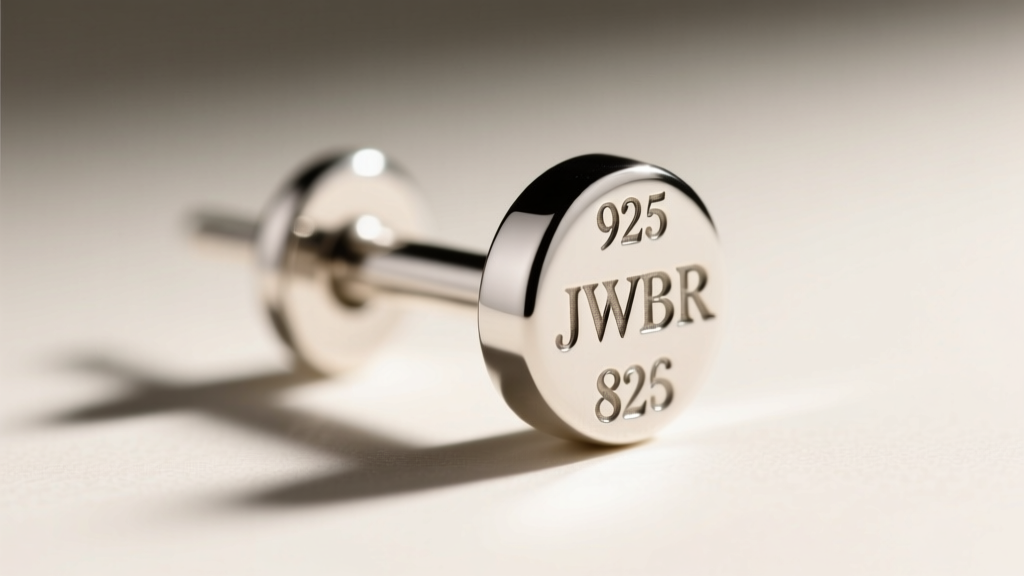
Finding a pair of vintage or secondhand earrings stamped with "925 JWBR" can feel like a treasure hunt. However, purchasing, authenticating, and maintaining these specific pieces requires a solid understanding of precious metal metallurgy and hallmarking standards. Whether you have just acquired a pair of 925 JWBR earrings at an estate sale or you are trying to restore a heavily tarnished heirloom, this comprehensive guide will walk you through the exact steps to verify their authenticity and restore their original luster without damaging the metal.
Understanding the 925 JWBR Stamp on Sterling Silver
Before diving into the cleaning process, it is crucial to understand what the markings on your earrings actually mean. The 925 stamp indicates that the metal is sterling silver, an alloy composed of 92.5% pure silver and 7.5% secondary metals, usually copper. Pure silver (999) is too soft for jewelry, making the copper addition necessary for structural integrity, especially for earring posts and French hooks.
The JWBR marking is a maker's mark or sponsor's mark. According to the Federal Trade Commission (FTC) Jewelry Guides, makers must stamp their registered trademark alongside the purity mark to guarantee the metal's quality. JWBR is a recognized manufacturer stamp often associated with mid-century and late-20th-century imported silver jewelry, frequently originating from specialized silversmiths in South America and Europe. Knowing this helps contextualize the age and manufacturing techniques used in your earrings.
Step 1: Authenticating Your 925 JWBR Earrings
Counterfeiters often stamp base metals with "925" to deceive buyers. To ensure your 925 JWBR earrings are genuine sterling silver, perform these three non-destructive and minimally invasive tests.
The Magnet and Ice Tests
Silver is paramagnetic, meaning it exhibits a very weak attraction to magnets. Hold a strong neodymium magnet near the earring. If the earring snaps to the magnet, it contains ferromagnetic metals like iron or nickel and is a fake. Note that the internal steel spring inside a butterfly clutch backing may attract the magnet, so test the main body of the earring only.
Next, use the ice test. Silver has the highest thermal conductivity of any common metal. Place an ice cube on the earring. Genuine 925 silver will melt the ice significantly faster than a stainless steel or brass counterfeit, and the earring itself will become freezing cold to the touch almost instantly.
Acid Testing for Purity
For definitive proof, use a precious metal testing kit. File a tiny, discreet notch in an inconspicuous area (like the inside of a clip-on mechanism or the back of a post). Apply a drop of silver testing acid (typically a nitric acid solution). According to the Gemological Institute of America (GIA), genuine 925 sterling silver will turn the acid a creamy, cloudy white. If it turns green, the piece is heavily plated brass or copper; if it turns clear or blue, it is a base metal.
Step 2: Deep Cleaning Tarnished JWBR Silver
The 7.5% copper in your 925 JWBR earrings is the culprit behind tarnish. When copper reacts with sulfur compounds in the air, it forms copper sulfide, which appears as a yellow, brown, or black film. Avoid commercial silver dips, as they contain harsh thiourea chemicals that strip the silver's natural patina and can cause micro-pitting over time.
The Electrochemical Bath Method (Step-by-Step)
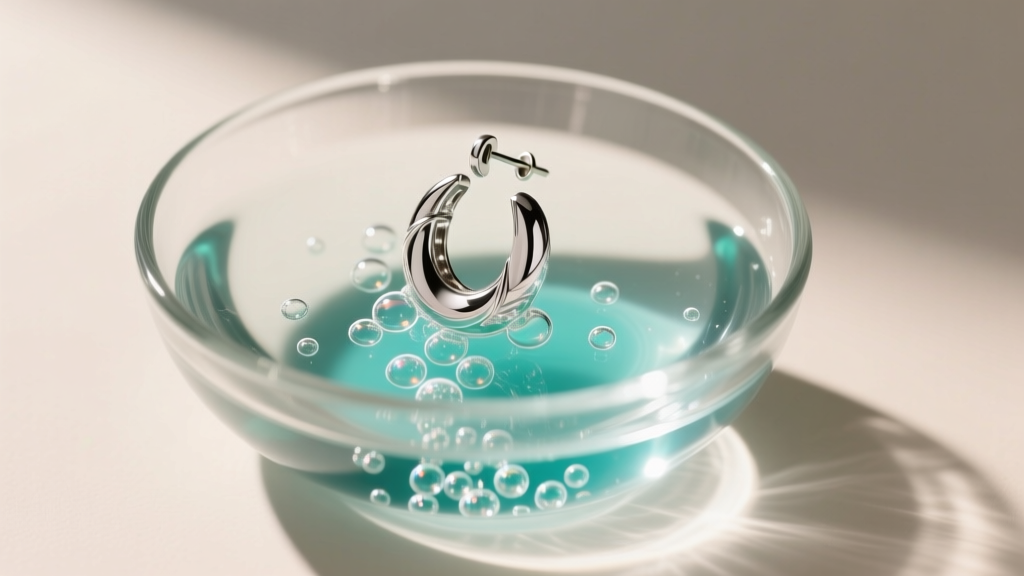
The safest, most effective way to remove heavy sulfide tarnish from solid silver is through an electrochemical reduction bath. This process reverses the chemical reaction, transferring the sulfur from the silver to an aluminum anode.
- Prepare the Vessel: Line a glass or ceramic bowl with heavy-duty aluminum foil, shiny side up. Ensure the foil touches the sides.
- Add the Electrolyte: Sprinkle 2 tablespoons of baking soda (sodium bicarbonate) and 1 tablespoon of non-iodized salt over the foil.
- Catalyze the Reaction: Pour boiling water into the bowl. You will see immediate bubbling as the electrolyte dissolves and activates.
- Submerge the Earrings: Drop your 925 JWBR earrings into the water. Critical Rule: The silver must physically touch the aluminum foil for the electron transfer to occur.
- Monitor and Remove: Let them sit for 3 to 5 minutes. You will smell a distinct sulfur (rotten egg) odor as the tarnish leaves the silver. Remove with wooden tongs, rinse thoroughly under warm distilled water, and pat dry with a microfiber cloth.
Warning for Gemstones: If your JWBR earrings feature glued-in gemstones (like turquoise, opal, or amber), skip the boiling water. The heat will soften the jeweler's epoxy, causing the stones to fall out. Instead, clean around the stones with a cotton swab dipped in a mild dish soap solution.
Step 3: Polishing and Restoring the Luster
The electrochemical bath removes tarnish but leaves the silver looking matte or dull. To restore the high-shine finish typical of vintage JWBR pieces, you must mechanically polish the metal.
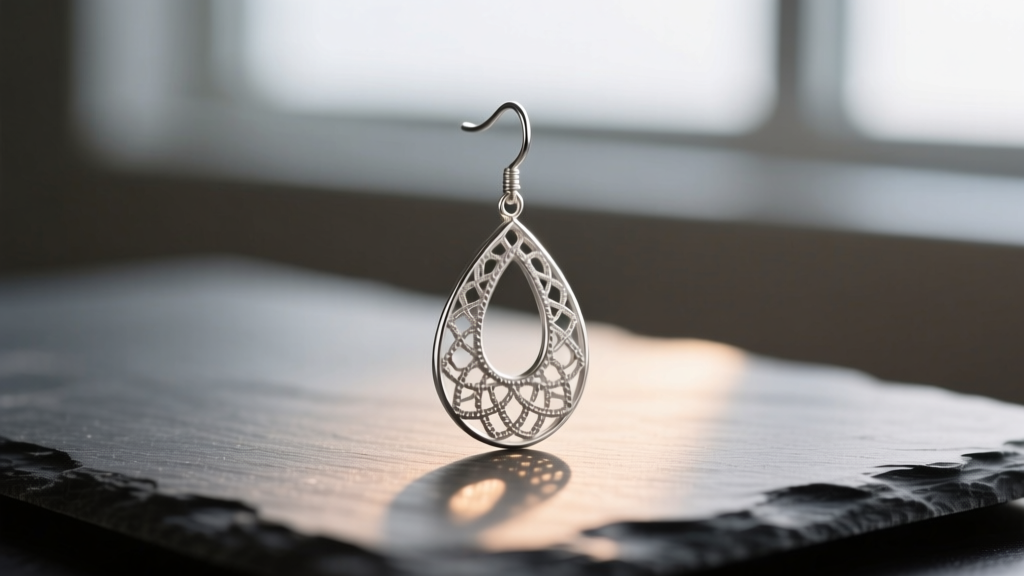
Use a two-sided jeweler's polishing cloth. The inner cloth is treated with micro-abrasives and jeweler's rouge (iron oxide) to remove microscopic scratches, while the outer flannel cloth buffs the metal to a high shine. Rub the earring gently in one direction, rather than in circles, to avoid creating visible swirl marks. For intricate filigree designs common in vintage JWBR earrings, use a horsehair detailing brush to work a tiny amount of silver paste into the crevices, then buff away the excess.
Checking the Ear Wires and Posts
Vintage 925 JWBR earrings often feature 21-gauge or 22-gauge French hook ear wires. Because sterling silver is relatively soft, these wires frequently bend out of shape over decades of wear. Do not use standard steel jewelry pliers to reshape them, as the steel teeth will gouge the silver. Instead, use nylon-jaw pliers to gently bend the wire back into its original teardrop curve, ensuring a secure fit on the ear.
Comparison of Silver Cleaning Methods
Choosing the wrong cleaning method can permanently damage your earrings. Refer to this matrix to select the right approach based on the condition of your 925 JWBR pieces.
| Method | Best For | Pros | Cons & Risks |
|---|---|---|---|
| Electrochemical Bath | Heavy, black sulfide tarnish on solid silver | Removes tarnish without stripping silver; no scrubbing required | Can loosen glued gemstones; ineffective on rhodium-plated silver |
| Polishing Cloth | Light tarnish, fingerprints, and final buffing | Portable, safe for all finishes, adds anti-tarnish layer | Will strip oxidized (blackened) antique finishes; requires elbow grease |
| Commercial Silver Dip | Mass-produced modern silver with no patina | Extremely fast (seconds) | Toxic chemicals; causes micro-pitting; ruins oxidized details |
| Ultrasonic Cleaner | Diamonds and hard stones set in silver | Removes dirt and oils from under settings | Vibrations can shatter soft stones (opal, emerald); does not remove tarnish |
Maintenance Tips for Long-Term Wear
Once your 925 JWBR earrings are restored, proper storage is essential to prevent the copper alloy from reacting with environmental sulfur. According to The Silver Institute, silver tarnishes primarily due to exposure to hydrogen sulfide in the air, as well as high humidity.
- Use Anti-Tarnish Strips: Store your earrings in a sealed polyethylene bag with a 3M anti-tarnish strip. These strips absorb airborne sulfur compounds before they can reach the copper in your silver.
- Pacific Silvercloth: For high-value vintage JWBR pieces, wrap them in Pacific Silvercloth. This specialized fabric is embedded with microscopic silver particles that act as a sacrificial anode, tarnishing themselves to protect your earrings.
- Avoid Environmental Hazards: Never wear sterling silver earrings in chlorinated pools, hot tubs, or natural hot springs. Chlorine reacts with silver to form silver chloride, which causes permanent surface pitting that cannot be polished out. Similarly, remove them before applying hairspray, perfumes, or lotions, as the alcohols and chemicals can accelerate oxidation.
By understanding the metallurgical properties of the 925 alloy and respecting the craftsmanship behind the JWBR maker's mark, you can ensure these beautiful earrings remain a staple in your jewelry collection for decades to come.


