Back Earring Mechanics: Technical Guide to Secure Piercing Backings
Discover the engineering behind every back earring mechanism. Compare friction, screw, and locking backings for gauge compatibility and safety.

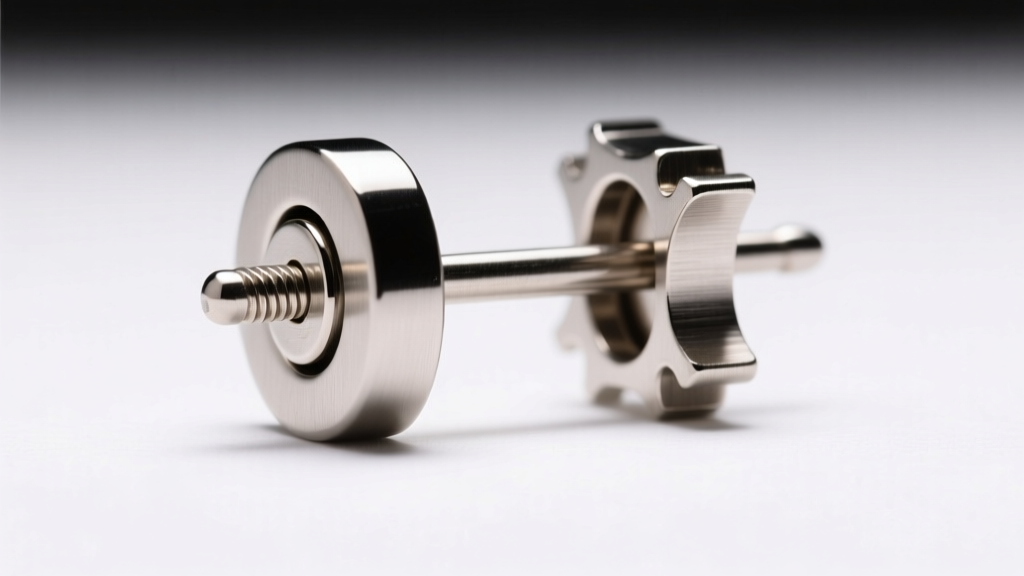
The Engineering of the Back Earring: Beyond the Butterfly
When curating a fine jewelry collection, enthusiasts often obsess over the carat weight of a diamond stud or the metallurgical purity of a gold hoop. Yet, the structural integrity of the entire assembly relies on a component that is frequently treated as an afterthought: the back earring mechanism. In the 2026 fine jewelry market, where high-value gemstone settings and precision-machined body jewelry dominate, understanding the mechanical engineering, material science, and failure modes of earring backings is no longer optional for serious collectors and piercers.
The term 'back earring' encompasses the clutch, stopper, or backing system that secures the primary post or wire to the earlobe or cartilage. A failure in this micro-mechanical system doesn't just result in a lost accessory; it can lead to severe tissue trauma, contact dermatitis, or the catastrophic loss of a high-value gemstone. This technical deep dive explores the exact tolerances, metallurgical standards, and mechanical designs that define modern back earring systems.
Metallurgy and Biocompatibility: What Touches Your Skin
The back earring sits in direct, continuous contact with the healing fistula (the piercing channel) and the posterior skin of the ear. Because it is subject to friction, moisture, and body heat, the alloy composition of the backing is critical. According to the Association of Professional Piercers (APP), only specific implant-grade materials should be utilized for long-term wear in any piercing.
Nickel Release Rates and ISO Standards
Cheap friction backs are frequently stamped from brass or nickel-silver alloys and plated with a microscopically thin layer of gold or rhodium. Once this plating wears away from the friction of insertion, the underlying nickel is exposed. The American Academy of Dermatology identifies nickel as the leading cause of allergic contact dermatitis. Under the European standard EN 1811 (and ISO 17516:2014), jewelry intended for prolonged skin contact must not release nickel at a rate greater than 0.5 µg/cm²/week. Standard commercial butterfly clutches routinely exceed this limit once the plating degrades.
For optimal biocompatibility, a high-quality back earring should be machined from:
- Implant-Grade Titanium (ASTM F136): Contains zero nickel and boasts a high strength-to-weight ratio, making it ideal for complex internal locking mechanisms.
- Implant-Grade Steel (ASTM F138): Contains nickel, but the alloy's crystalline structure binds the nickel so tightly that the release rate is virtually undetectable and safe for the vast majority of wearers.
- Solid 14k or 18k Gold (Alloyed for Biocompatibility): Must be nickel-free and cadmium-free. Note that gold-plated backings are entirely unacceptable for internal locking mechanisms due to rapid wear.
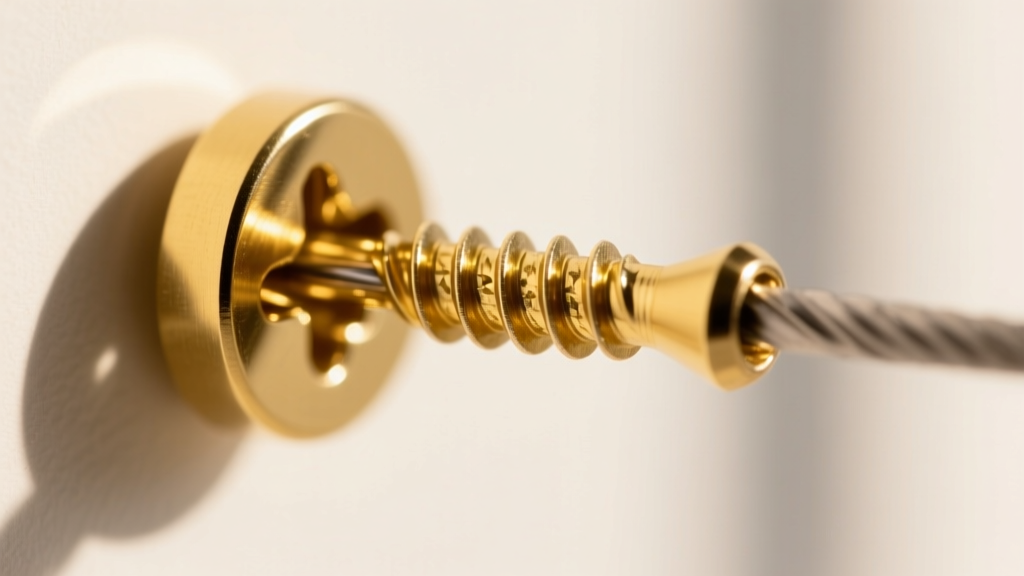
Mechanical Breakdown: Friction vs. Threaded vs. Locking
The security of a back earring is dictated by its mechanical retention method. We can categorize these into three primary engineering designs, each with distinct clamping forces and failure profiles.
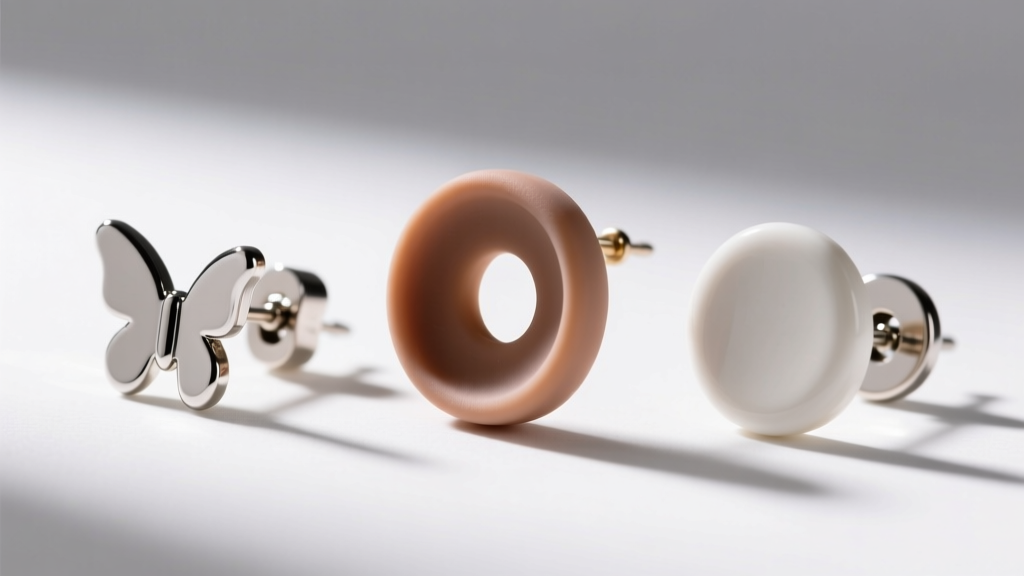
1. Standard Friction Clutches (Butterfly Backs)
The ubiquitous butterfly clutch relies on leaf-spring tension. The metal is stamped and folded to create two flexible 'wings' that grip the grooved or smooth post. A new, high-quality 18-gauge friction clutch exerts roughly 1.5 to 2.5 Newtons of radial clamping force. However, the primary failure mode of the friction back earring is work hardening. Repeated bending of the metal wings during insertion and removal causes the crystalline structure of the alloy to become brittle and lose its spring memory. Over six to twelve months, the clamping force degrades to near zero, resulting in the earring sliding out during sleep or physical activity.
2. Screw Back Earring Mechanisms
Screw backs utilize a threaded post and a correspondingly tapped barrel. This design eliminates the reliance on spring tension, replacing it with the mechanical advantage of an inclined plane (the thread). Standard fine jewelry screw backs feature a thread pitch of 0.5mm to 0.8mm. While highly secure against accidental pulls, screw backs are vulnerable to cross-threading. If the user forces the back earring at an incorrect angle, the soft gold or silver threads will strip, permanently ruining both the post and the backing. Furthermore, sebum and dead skin cells frequently accumulate in the spiral grooves, acting as a biological lubricant that can slowly unscrew the backing over time.
3. La Pousette and Internal Locking Systems
The pinnacle of back earring engineering is the locking clutch, most famously commercialized as the La Pousette mechanism. Instead of leaf springs, these backings house microscopic stainless steel ball bearings and an internal coil spring. When pushed onto the post, the bearings retract; when pulled, the bearings wedge aggressively against the post's grooves, creating a one-way ratchet effect. These mechanisms offer upwards of 15 Newtons of withdrawal resistance, making them the mandatory choice for high-carat diamond studs and heavy cartilage pieces.
| Mechanism Type | Retention Method | Avg. Withdrawal Resistance | Best Use Case | Estimated Lifespan |
|---|---|---|---|---|
| Friction (Butterfly) | Leaf-Spring Tension | 1.5 - 2.5 N | Lightweight daily studs | 6 - 12 Months |
| Screw Back | Threaded Pitch (0.5mm) | 8.0 - 12.0 N | Valuable gems, sleepers | 3 - 5 Years |
| Locking (La Pousette) | Internal Ball Bearings | 15.0+ N | Heavy drops, high-value assets | 10+ Years |
| Silicone O-Ring | Elastomeric Friction | 0.5 - 1.0 N | Temporary securement, sports | 1 - 3 Months |
Gauge Compatibility and Post Diameter Tolerances
A critical error made by consumers and novice jewelers is mismatching the back earring to the post gauge. Jewelry wire gauges are not arbitrary; they represent precise millimeter measurements. A standard earlobe piercing is typically 20G (0.81mm) or 18G (1.02mm), while cartilage piercings often utilize 16G (1.29mm) or 14G (1.63mm).
Attempting to force an 18G friction clutch onto a 16G post will overstress the leaf springs, permanently deforming the clutch and potentially scratching the mirror finish of the post. Conversely, placing a 20G clutch on an 18G post results in a lack of interference fit. The tolerance gap (0.21mm) is large enough to allow the backing to rotate freely and slide off with minimal kinetic force. Always verify the exact millimeter diameter of your post using digital calipers before purchasing replacement back earring components, especially when sourcing from bespoke or international artisans who may use metric wire draws rather than standard American Wire Gauge (AWG) sizing.
Failure Modes: Why You Lose Earrings (and How to Fix It)
Even the most精密 (precision-machined) back earring systems will fail if subjected to adverse environmental or biological conditions. Understanding these failure modes allows for proactive maintenance.
- The Sebum Lubrication Effect: The human body naturally secretes sebum (oil) and sheds keratinocytes (dead skin). Inside the tight tolerance of a back earring clutch, this biological matter forms a slick, waxy paste. In screw-back and friction systems, this paste eliminates the coefficient of friction required for retention. Solution: Ultrasonic cleaning of both the post and the back earring in a mild enzymatic solution every two weeks.
- Post Deformation (Bending): Sleeping in friction-back earrings often results in lateral pressure against the post. A bent 20G post alters the cylindrical geometry, causing the clutch to bind or fail to seat fully. Solution: Utilize flat-back labret posts for sleep, or upgrade to 18G/16G posts which possess a higher moment of inertia and resist bending.
- Spring Fatigue in Locking Clutches: While rare, the internal coil spring in a La Pousette-style back earring can accumulate microscopic debris, preventing the bearings from fully engaging. Solution: Never use compressed air to clean locking backs, as it can force debris deeper. Instead, flush with high-purity isopropyl alcohol (99%) and allow to dry completely.
Expert Maintenance and Sourcing Protocols
For jewelers and serious collectors, sourcing back earring components requires vetting the manufacturer's metallurgical certifications. Always request a mill certificate or a material safety data sheet (MSDS) confirming the alloy composition, particularly the absence of cadmium and nickel in gold alloys. When evaluating a new batch of friction clutches, perform a manual tension test: the clutch should require a deliberate, firm pull to remove from a grooved test post, and the wings should immediately return to their exact original position without any visible splaying. By treating the back earring not as a disposable accessory, but as a vital piece of micro-engineering, you ensure the safety, comfort, and longevity of your most prized jewelry investments.


