Prevent and Treat an Embedding Earring: Expert Guide
Learn how to identify, prevent, and safely treat an embedding earring. Expert advice on downsizing, swelling management, and safe removal.

What Exactly is an Embedding Earring?
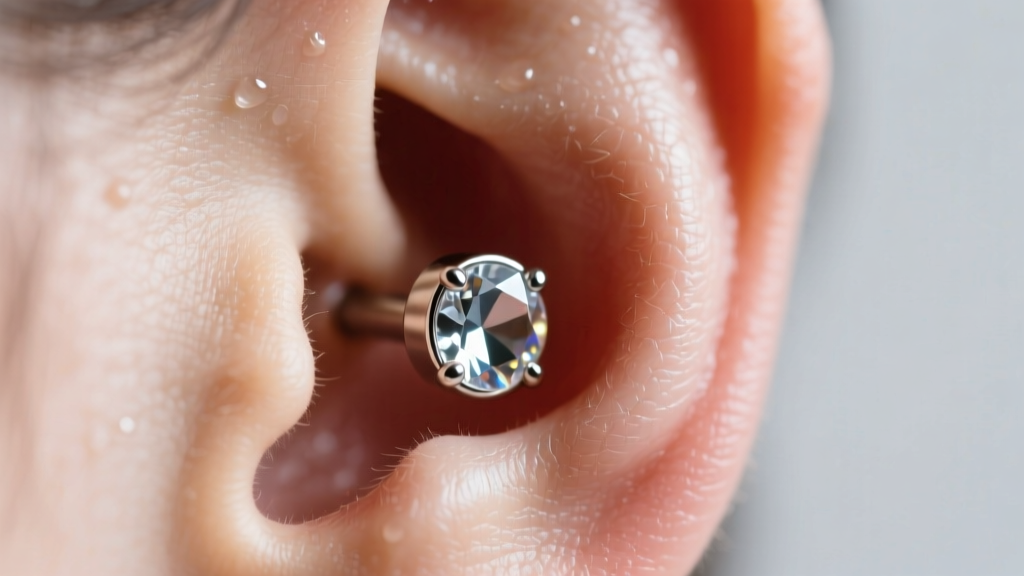
An embedding earring is a serious complication in body modification where the skin and surrounding tissue grow partially or completely over the jewelry. This is not merely a matter of "tight jewelry"; it is a biological response. When a piercing swells and the jewelry lacks adequate length to accommodate the fluid buildup, the lymphatic system struggles to drain the area. The body's immune system then treats the constricted jewelry as a foreign invader, initiating a rapid healing response that causes epithelial tissue to engulf the post or the backing.
While most commonly seen in fresh cartilage and lobe piercings, embedding can also occur in fully healed piercings due to sudden weight gain, localized trauma, or allergic reactions. If left untreated, an embedding earring can lead to severe infection, permanent tissue scarring, and the need for surgical excision. Understanding the mechanics of embedding is the first step toward effective prevention and safe removal.
The 4 Primary Causes of Ear Embedding
Embedding rarely happens without a catalyst. By identifying the root cause, you can prevent the tissue from overtaking your jewelry.
1. Skipping the Downsizing Appointment
When a professional piercer performs an initial piercing, they use a longer post—typically 3/8" (10mm) for lobes and 5/16" (8mm) or 3/8" for cartilage—to accommodate the inevitable swelling that peaks between days three and seven. Once the swelling subsides (usually around the 2-to-4-week mark), the jewelry must be "downsized" to a shorter post. Failing to downsize leaves excess metal that catches on hair and clothing, causing micro-trauma that triggers secondary swelling, ultimately driving the tissue over the jewelry's front or back.
2. The Danger of Friction and Butterfly Backs
Commercial jewelry often utilizes friction backs (butterfly clasps). These are notorious for causing an embedding earring because the push-pin mechanism can easily compress forward under pressure, such as when sleeping on the ear. Furthermore, the sharp prongs of a butterfly back can dig into the posterior tissue, creating a wound that heals directly over the metal. Professional piercers exclusively use flat-back labrets (either internally threaded or threadless) to distribute pressure evenly across the back of the ear.
3. Low-Quality Materials and Contact Dermatitis
Jewelry made from "surgical steel" or mystery alloys often contains nickel. A nickel allergy triggers a massive histamine response, resulting in extreme, localized swelling that a standard post cannot accommodate. To prevent this, the Association of Professional Piercers strongly recommends using only Implant-Grade Titanium (ASTM F136) or Niobium for all fresh and problematic piercings.
4. Improper Gauge and the Cheese-Cutter Effect
Using jewelry that is too thin (such as 20g or 22g) for a fresh or irritated piercing creates a phenomenon known as the "cheese-cutter effect." The thin wire slices through the tissue under the weight of the jewelry or external pressure, causing the body to rapidly heal behind the wire, effectively embedding it inside the earlobe or cartilage.
Step-by-Step Emergency Protocol: What to Do
If you suspect your jewelry is embedding, time is of the essence. Do not attempt to dig the jewelry out with tweezers or needles, as this will introduce bacteria and exacerbate the swelling.
Expert Warning: Never forcefully yank an embedded post. The tissue has likely formed a seal around the metal, and tearing it will result in severe lacerations and scar tissue formation.
- Reduce Systemic Inflammation: Take an over-the-counter NSAID (like Ibuprofen 400mg-600mg, if medically appropriate for you) to inhibit prostaglandin production and reduce swelling from the inside out.
- Apply a Cool Compress: Wrap a clean ice pack in a sterile paper towel and apply it to the area for 5-minute intervals. Do not apply ice directly to the skin, as this can cause frostbite and further restrict lymphatic drainage.
- Warm Saline Soak: Soak a sterile non-woven gauze in warm (not hot) 0.9% sterile saline and hold it against the ear for 5 minutes. This helps soften the hardened lymph and epithelial tissue gripping the jewelry.
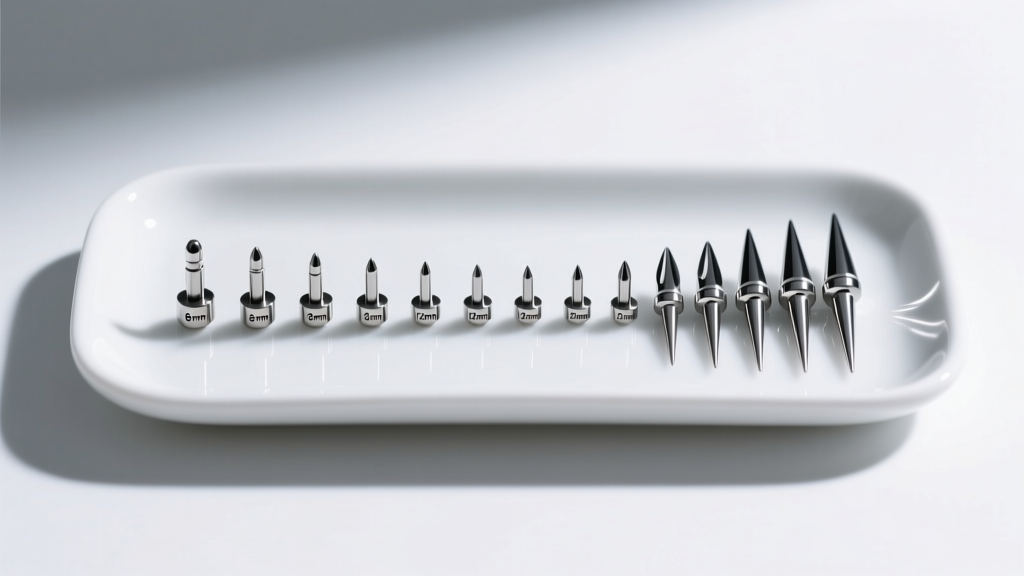
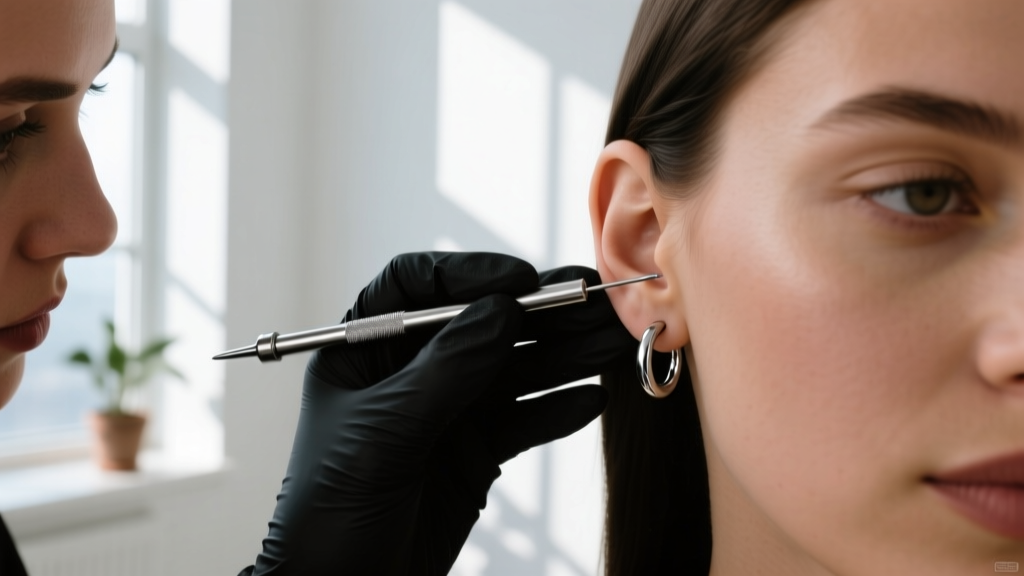
- Visit a Professional Piercer Immediately: A certified piercer will use a sterilized steel insertion taper coated with a water-based lubricant to gently stretch the fistula, push the swollen tissue back, and safely unscrew the embedded component.
Preventative Jewelry Specs & Sizing Chart
Proper initial sizing and timely downsizing are your best defenses against an embedding earring. Refer to this chart for standard professional specifications:
| Piercing Location | Initial Gauge | Initial Post Length | Downsized Post Length | Recommended Material |
|---|---|---|---|---|
| Standard Earlobe | 18g or 16g | 3/8" (10mm) | 1/4" (6mm) | ASTM F136 Titanium |
| Helix / Cartilage | 16g | 5/16" (8mm) or 3/8" (10mm) | 1/4" (6mm) or 5/16" (8mm) | ASTM F136 Titanium |
| Tragus / Conch | 16g | 5/16" (8mm) | 1/4" (6mm) | ASTM F136 Titanium |
| Industrial (Scaffold) | 14g | Custom Fit (Usually 1.25"+) | Custom Downsized Bar | ASTM F136 Titanium |
Safe Cleaning & Aftercare to Avoid Embedding
Improper aftercare is a leading cause of the excessive swelling that leads to embedding. The goal of aftercare is to support the body's natural healing processes without introducing chemical irritants.
- Use Only Sterile Saline: The only liquid you should use is a sterile wound wash containing exactly 0.9% sodium chloride and water. No additives, no fragrances.
- Avoid Harsh Chemicals: Never use rubbing alcohol, hydrogen peroxide, or tea tree oil. According to wound care research indexed by the National Library of Medicine, these substances destroy fibroblasts—the cells responsible for rebuilding tissue—delaying healing and prolonging the swelling phase.
- The L.I.T.H.A. Method: "Leave It The Hell Alone." Do not twist, turn, or sleep on the piercing. Use a U-shaped travel pillow to keep pressure off the ear while sleeping, ensuring uninterrupted lymphatic drainage.
When to See a Medical Professional
While professional piercers are experts in jewelry removal and piercing troubleshooting, they are not medical doctors. You must bypass the piercing studio and go directly to an urgent care clinic or dermatologist if you experience any of the following:
- Complete Epithelialization: If the skin has completely healed over the front or back of the jewelry, leaving no visible metal, a piercer cannot safely remove it. A doctor must perform a minor localized excision under lidocaine to free the jewelry.
- Signs of Systemic Infection: If the embedding is accompanied by red streaks radiating from the ear, a fever, chills, or thick, foul-smelling green pus, this indicates a bacterial infection that requires prescription antibiotics.
- Necrosis: If the tissue surrounding the embedded jewelry turns black, dark purple, or cold to the touch, the blood supply has been cut off. This is a medical emergency requiring immediate surgical intervention to prevent tissue death.
For more detailed troubleshooting on severe piercing complications, Healthline's guide on embedded piercings offers excellent supplementary medical perspectives. By respecting the biology of your piercing, utilizing high-quality titanium jewelry, and adhering to strict downsizing timelines, you can ensure your ear modifications remain safe, healthy, and beautifully displayed.