Back Screw for Earrings: The 2026 Trend Toward Secure Luxury
Discover why the back screw for earrings is the ultimate 2026 jewelry trend. Explore threading types, material grades, and styling tips.

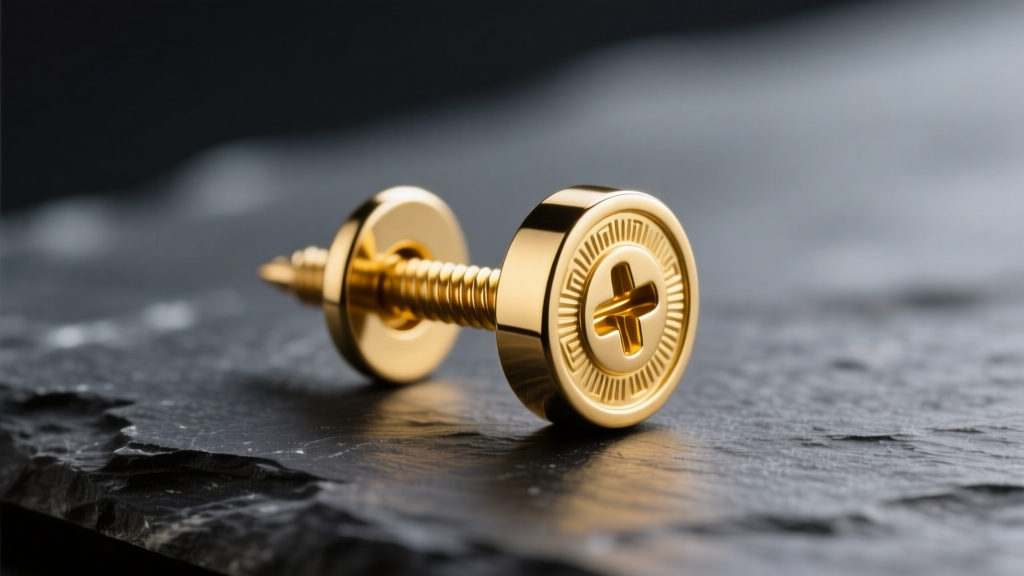
For decades, the jewelry industry relied on a flawed standard: the friction butterfly back. While ubiquitous, these traditional clasps are notorious for bending, losing tension, and ultimately sending expensive diamond studs down sink drains. As we navigate the jewelry landscape of 2026, a massive paradigm shift is underway. The back screw for earrings has evolved from a purely pediatric or medical necessity into a hallmark of high-end luxury, everyday comfort, and modern style. Today’s style-conscious consumers and elite jewelers are demanding threaded security, recognizing that true luxury means never having to worry about losing your favorite pieces.
This trend analysis dives deep into the mechanics, materials, and styling realities of the screw-back renaissance. Whether you are investing in fine jewelry or curating a curated ear project, understanding the hardware holding your pieces in place is no longer optional—it is essential.
The Evolution of Earring Security: Why Screw Backs Are Dominating 2026
The shift toward the back screw for earrings is driven by a combination of lifestyle changes and material science advancements. In 2026, the 'curated ear' trend has matured. Consumers are no longer just piercing their lobes; they are investing in permanent, high-quality cartilage arrangements. Friction backs fail in cartilage piercings due to the angle of insertion and the pressure of sleeping, leading to tissue irritation and lost jewelry.
Screw backs solve this by utilizing mechanical threading. When you twist a screw back onto a threaded post, the clamping force is distributed evenly across the threads rather than relying on the fragile metal tension of a butterfly clutch. Furthermore, high-end brands have realized that screw backs offer a superior aesthetic. Without the sharp, protruding prongs of a standard post poking the back of the neck, screw-back studs sit flush and allow for seamless wear with high-collared clothing, scarves, and headphones.
Decoding the Hardware: Internal vs. External Threading
Not all back screws for earrings are created equal. The most critical distinction in modern jewelry hardware is whether the threading is internal or external. This distinction drastically affects both the health of your piercing and the longevity of the jewelry.
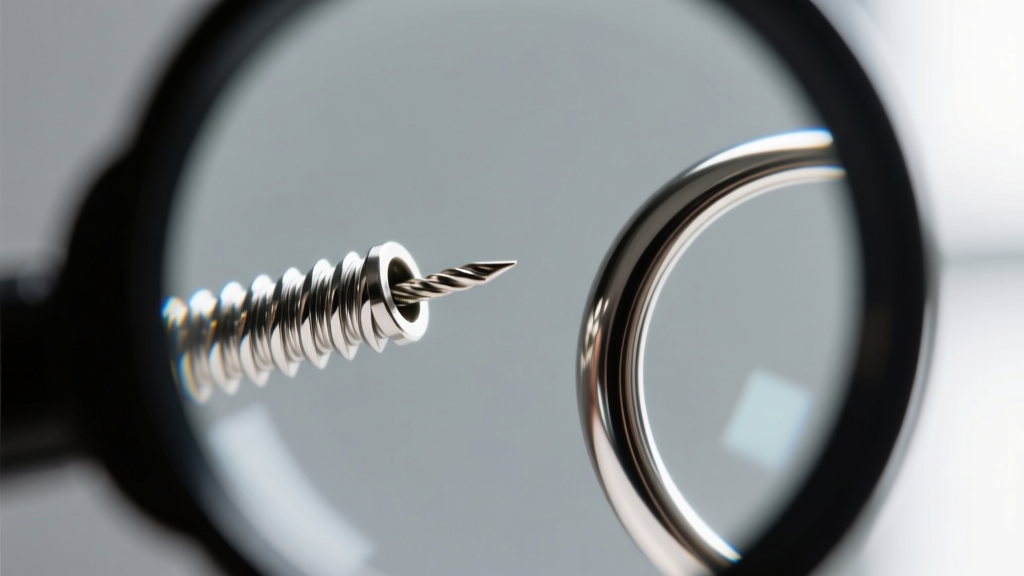
External Threading (The Outdated Standard)
In externally threaded jewelry, the screw pattern is cut directly into the post that passes through your ear. When you push or pull this through a piercing, the sharp, jagged threads act like a microscopic file, scraping the delicate fistula (the healed skin tube inside the piercing). Over time, this causes micro-tears, irritation bumps, and delayed healing. Furthermore, external threads are highly prone to stripping because the post must be made incredibly thin to accommodate the carved grooves.
Internal Threading (The Luxury Standard)
Internally threaded jewelry flips the design. The post is completely smooth, and the threads are hidden inside the backing (or the decorative end, in the case of labrets). The Association of Professional Piercers strictly recommends internally threaded or threadless jewelry for all fresh and healed piercings. The smooth post glides through the ear without causing trauma, while the secure screw mechanism locks safely on the outside.
| Feature | External Threading | Internal Threading |
|---|---|---|
| Thread Location | On the post (shaft) | Inside the back or decorative end |
| Piercing Trauma | High (sharp edges scrape tissue) | None (smooth post insertion) |
| Durability | Low (threads strip easily) | High (thicker core metal) |
| Common Use Case | Mass-market fashion jewelry | Fine jewelry, professional body art |
| Price Range | $15 - $80 | $90 - $600+ |
Material Grades That Matter for Screw-Back Earrings
A screw mechanism requires precise machining. If the metal is too soft, the threads will strip after a few uses; if it contains reactive alloys, it will cause contact dermatitis. When shopping for a back screw for earrings, you must scrutinize the material grade.
ASTM F-136 Implant-Grade Titanium
This is the gold standard for jewelry hardware. Titanium is incredibly strong, allowing for the machining of microscopic, precise threads that will not strip. It is also completely nickel-free and biocompatible. Brands like Anatometal and BVLA utilize this material for their threaded ends and labret posts, ensuring the screw mechanism lasts a lifetime.
14k and 18k Solid Gold
Gold is a softer metal, making it challenging to machine internal threads without compromising structural integrity. According to the Gemological Institute of America (GIA), the alloy mix in gold jewelry dictates its hardness. For screw-back gold earrings, 14k gold often holds a thread slightly better than 18k due to its higher alloy content, but premium jewelers use specialized hardening techniques to offer 18k internally threaded options. Always avoid gold-plated screw backs; the friction of twisting will quickly wear away the plating, exposing reactive base metals and ruining the threads.
The Rise of the Threaded Labret as a 'Screw Back' Alternative
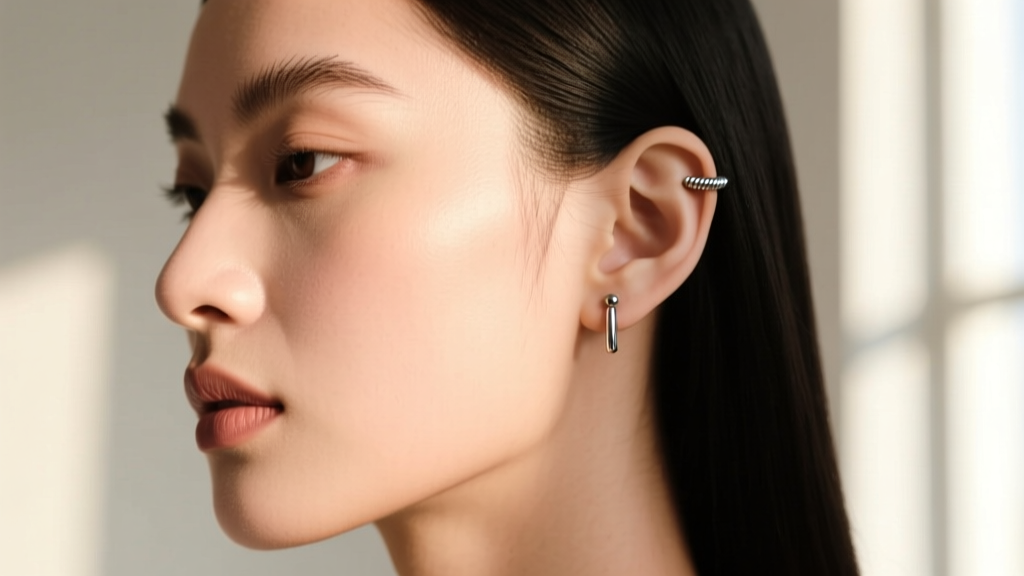
When discussing the back screw for earrings in 2026, we must address the dominance of the flat-back labret. Originally designed for lip piercings, the internally threaded labret has completely conquered the ear market. Instead of a traditional post and a separate screw back, a labret features a flat disc on one end and an internally threaded post on the other. The decorative front (the 'end') screws directly onto the post from the front of the ear.
This design eliminates the need to fumble with a tiny screw back behind your earlobe. The flat disc rests flush against the back of the ear, making it the ultimate 'sleep-friendly' earring. For cartilage piercings like the helix, conch, or tragus, threaded labrets provide unparalleled security and comfort, effectively replacing the traditional earring back altogether.
Sizing the Hardware: Gauge and Thread Pitch
You cannot simply mix and match screw backs across different earrings. The hardware is governed by strict gauge sizes and thread pitches. Understanding these metrics is vital for building a versatile, secure jewelry collection.
- 18 Gauge (1.0mm) / 20 Gauge (0.8mm): Standard for traditional lobe piercings and delicate diamond studs. The thread pitch is usually 0.8mm. These screws are incredibly fine and require a gentle touch to avoid cross-threading.
- 16 Gauge (1.2mm): The universal standard for cartilage piercings (helix, tragus, conch) and increasingly common for primary lobe piercings. The 1.2mm thread is robust, highly resistant to stripping, and offers the best balance of security and comfort.
- 14 Gauge (1.6mm): Rarely used for standard earrings, but common in heavy industrial bars or specialized daith piercings. The screw mechanism here is thick and highly durable.
Pro Tip: Always use a jeweler's loupe to inspect the thread pitch if you are buying replacement backs from a third-party vendor. Forcing a 0.8mm back onto a 1.2mm post will permanently destroy the threading on both pieces.
Troubleshooting: What to Do When Threads Strip
Even the finest back screw for earrings can encounter mechanical failure, usually due to user error. The most common issue is cross-threading—when the back is applied at a slight angle, cutting a new, misaligned path into the metal.
The Golden Rule of Threading: Never force a screw back. If you feel resistance, stop immediately. Reverse the turn, realign the back so it is perfectly perpendicular to the post, and try again. A properly aligned internal thread will glide smoothly and 'catch' with a satisfying, subtle click.
If your threads are already stripped, the jewelry is unfortunately compromised. Unlike a bent friction post which can be manipulated with pliers, stripped machined threads cannot be repaired at home. The backing or the decorative end must be replaced by the manufacturer. To prevent this, clean your threads monthly with a soft brush and warm soapy water to remove sebum and lotion buildup, which can act like an abrasive paste inside the threading.
Final Verdict on the Screw-Back Renaissance
The transition to the back screw for earrings represents a maturation in jewelry design. It reflects a consumer base that values engineering, comfort, and security just as much as carat weight and gold purity. As we move through 2026, expect to see friction backs relegated to cheap, disposable fashion jewelry, while internally threaded screw backs and flat-back labrets cement their status as the undisputed standard for fine jewelry and curated ear styling. Invest in threaded hardware, and your earrings will stay exactly where they belong: securely on your ears.


