Bamboo Heart Earrings: A Budget & Value Assessment
Discover the true value of bamboo heart earrings. We compare materials, pricing tiers, and hardware to help you buy smart in 2026.

The Evolution of a Streetwear Staple
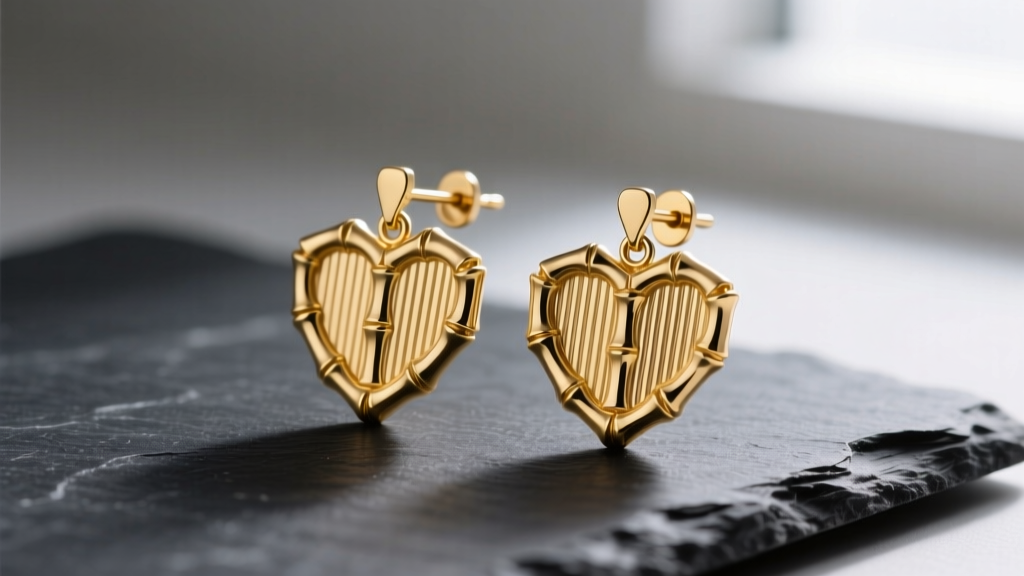
Bamboo earrings have long been a cornerstone of hip-hop culture and streetwear fashion, originating in the 1980s and 90s as a bold statement of identity and resilience. Today, the silhouette has evolved. The introduction of bamboo heart earrings merges the iconic ribbed, knotted texture of traditional bamboo hoops with a romantic, universally flattering heart motif. However, as this hybrid style surges in popularity across 2026 fashion markets, consumers are faced with a confusing array of price points ranging from $10 to over $800.
As a jewelry appraiser and style guide, I frequently see buyers overpay for poorly constructed alloy knockoffs or misunderstand the material composition of their pieces. The term "bamboo" in jewelry rarely refers to the actual plant; instead, it denotes a specific textured metalworking technique designed to mimic the nodes of Phyllostachys edulis (Moso bamboo). That said, sustainable carved wood alternatives are also gaining traction. This comprehensive value assessment will break down material grades, hardware mechanics, and pricing tiers so you can invest in a pair that offers genuine longevity and style.
Material Breakdown: Real Bamboo vs. Bamboo-Textured Metal
To accurately assess value, you must first understand what you are actually buying. The market is currently split between organic materials and textured metals, each with distinct manufacturing costs and lifespans.
Sustainable Carved Bamboo & Wood (Budget Tier)
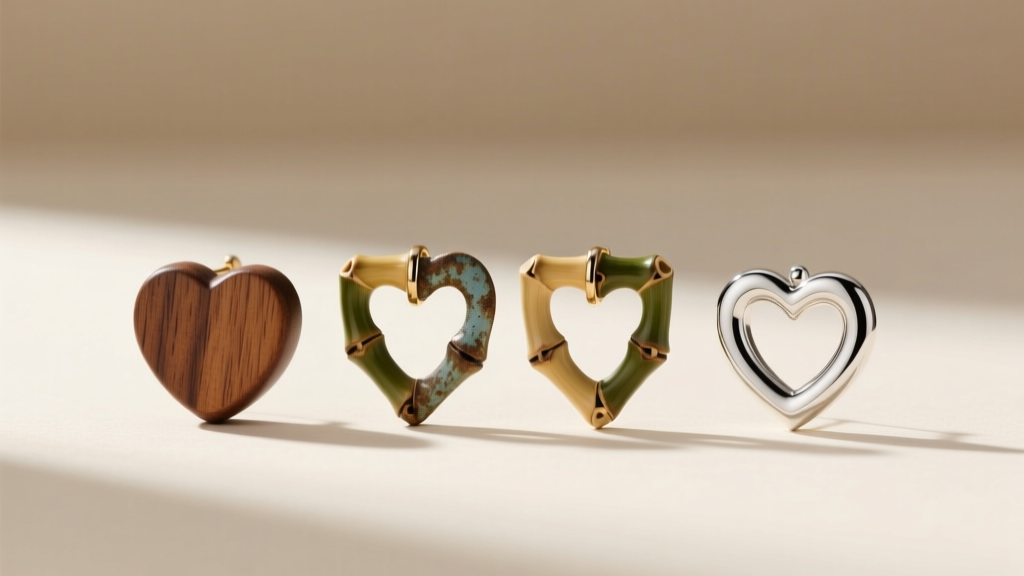
Authentic carved bamboo or lightweight wood heart earrings are eco-friendly and exceptionally lightweight. Artisans typically use CNC milling or hand-carving to shape the wood, followed by a non-toxic resin sealant to prevent moisture absorption. While beautiful, organic materials are inherently porous. If the resin sealant chips, the underlying wood can harbor bacteria or warp when exposed to humidity and skin oils. These are best treated as seasonal fashion pieces rather than heirloom investments.
Bamboo-Textured Sterling Silver & Gold Vermeil (Mid-Tier)
The vast majority of high-quality bamboo heart earrings on the market are crafted from 925 sterling silver and finished with gold vermeil. The bamboo texture is achieved through precision wax casting or CNC milling the silver base before plating. According to the Federal Trade Commission (FTC) Jewelry Guides, a piece can only be legally marketed as "vermeil" if it features a sterling silver base coated with at least 10k gold that is a minimum of 2.5 microns thick. This thickness is the critical threshold for value; anything less will wear through to the silver base within months of daily wear.
Hollow-Formed Solid Gold (Investment Tier)
For fine jewelry buyers, hollow-formed 14k or 18k solid gold bamboo heart earrings represent the pinnacle of the category. Because the heart shape requires a larger surface area than a standard circular hoop, solid gold pieces are intentionally crafted with hollow interiors to keep the weight manageable for the earlobe. The bamboo nodes are individually soldered or cast into the hollow tube, requiring immense technical skill and driving the price upward.

The True Cost of Wear: Pricing & Longevity Matrix
When evaluating budget versus value, the initial purchase price is only half the equation. Cost-per-wear and material degradation must be factored into your decision. Below is a comparative matrix based on current 2026 market data for standard 1.5-inch bamboo heart hoops.
| Material Category | Average Price Range | Metal Purity / Base | Expected Lifespan | Skin Safety (Allergy Risk) |
|---|---|---|---|---|
| Zinc Alloy / Brass | $8 - $25 | Unknown base, flash plated | 3 - 6 Months | High (Nickel/Lead risk) |
| Carved Bamboo/Wood | $15 - $40 | Organic, resin sealed | 1 - 2 Years | Low (Hypoallergenic posts) |
| Gold Vermeil (2.5μm+) | $65 - $140 | 925 Sterling Silver | 3 - 5+ Years | Very Low (Nickel-free) |
| Solid 14k Gold (Hollow) | $350 - $850+ | 58.5% Pure Gold | Lifetime / Heirloom | None |
Note: The American Academy of Dermatology (AAD) frequently cites nickel and cobalt in cheap alloys as the primary culprits for allergic contact dermatitis. Always avoid unverified alloy bases for lobe piercings.
Hardware & Sizing: The Mechanics of the Heart Shape
A common failure point in bamboo heart earrings is structural drooping. Unlike a perfectly symmetrical circular hoop, a heart silhouette has an uneven center of gravity. The top lobes of the heart add weight near the piercing, while the bottom point extends downward. If the hardware is not engineered correctly, the earring will constantly flip forward or sag awkwardly.
Gauge Thickness and Post Security
Standard earlobe piercings are typically 20G (0.8mm) or 18G (1.0mm). For bamboo heart styles exceeding 1 inch in height, I strongly recommend seeking out 18G (1.0mm) posts or wires. The slightly thicker gauge provides the necessary rigidity to support the asymmetric weight of the heart shape without bending over time.
Clasp Mechanisms: Hinge vs. Latch-Back
The clasp dictates both security and comfort.
- Hinged Snap Clasps: Excellent for security, but the rigid hinge can sometimes force the heart shape to sit at an unnatural angle if the earring's diameter is too small for your ear anatomy.
- Traditional Latch-Back (Fishhook): Allows the heart to dangle and move freely, accommodating different ear shapes. However, ensure the latch catches deeply into the receiving notch; shallow notches will result in lost earrings.
- Saddle-Back Omega Clips: Found on higher-end, heavier solid gold pieces, these distribute the weight across a wider surface area of the earlobe, preventing the dreaded "earlobe tear" effect over time.
Value Assessment: How to Spot a Worthwhile Pair
When shopping, use this quick diagnostic checklist to separate high-value pieces from overpriced fast fashion:
- Demand the Micron Count: If a retailer advertises "gold bamboo heart earrings" but cannot confirm a minimum of 2.5 microns of plating over sterling silver, you are likely buying gold-plated brass. Walk away.
- Inspect the Node Transitions: Look closely at where the "bamboo knots" meet the smooth tubing. In cheap cast pieces, these transitions will look muddy or have visible seam lines. High-quality CNC-milled or hand-finished pieces will have crisp, sharp transitions.
- Check the Hallmarks: Genuine mid-tier and investment pieces will be stamped with "925" (for sterling) or "14k"/"585" (for solid gold). These stamps are usually located on the inside of the post or the clasp arm.
- Evaluate the Weight: Hollow-formed gold should feel surprisingly light for its size. If a pair of large solid gold bamboo hearts feels excessively heavy, they may be poorly constructed solid castings that will stretch your piercing.
Care & Maintenance to Protect Your Investment
The ribbed texture of bamboo earrings is notoriously difficult to clean because skin oils, lotions, and environmental dust easily become trapped in the deep grooves of the "nodes."
For metal pairs, avoid ultrasonic cleaners if your earrings feature any glued-in gemstones or enamel accents. Instead, use a soft-bristled baby toothbrush dipped in a mild solution of warm water and phosphate-free dish soap. Gently brush along the grain of the bamboo texture, rinse thoroughly, and pat dry with a microfiber cloth. For carved wooden or bamboo pairs, never submerge them in water; simply wipe them down with a slightly damp cloth and occasionally condition the wood with a tiny drop of jojoba oil to prevent cracking.
Final Verdict
Bamboo heart earrings are a brilliant fusion of cultural heritage and modern romanticism. If your budget is strictly under $30, opt for sealed, sustainable carved wood from independent artisans rather than toxic alloy knockoffs. However, for the best balance of budget and long-term value, a 925 sterling silver base with 2.5-micron gold vermeil remains the undisputed champion. By paying attention to gauge thickness, clasp mechanics, and verifiable plating standards, you can secure a pair that honors the legacy of the bamboo hoop while standing the test of time.


