Baroque Pearls Earrings: 2026 Value & Pricing Guide
Discover the true value of baroque pearls earrings in 2026. We break down freshwater vs. saltwater pricing, nacre grades, and hardware quality.

The Organic Appeal and Market Reality of Baroque Pearls
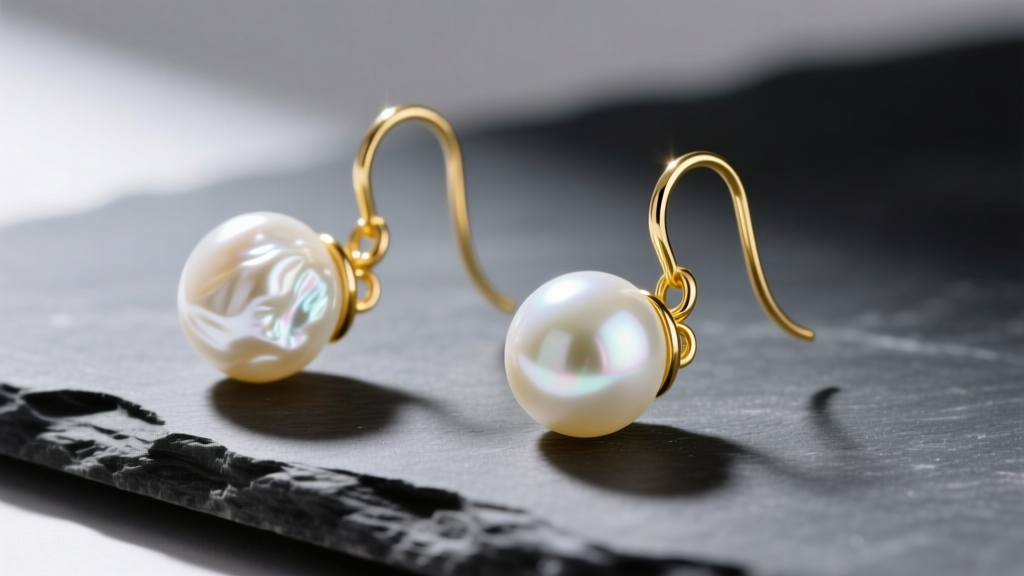
The organic, asymmetrical allure of baroque pearls has cemented them as a staple in contemporary jewelry. Unlike perfectly round Akoya or South Sea pearls, baroque pearls embrace their irregular shapes, offering a unique, sculptural aesthetic. However, as we navigate the jewelry market in 2026, the pricing landscape for baroque pearls earrings has become increasingly fragmented. Consumers are often caught between ultra-cheap fast-fashion options and exorbitant luxury boutique markups. This comprehensive value assessment breaks down the exact material grades, hardware specifications, and pricing tiers you need to know to make an informed investment.
Understanding the true cost requires looking past the pearl itself. A high-quality baroque pearl ruined by a poorly soldered 22-gauge brass post is a wasted investment. Below, we dissect the anatomy of pearl earring value, from nacre thickness to setting failure modes.
Freshwater vs. Saltwater: Where Does Your Budget Go?
The most critical factor in assessing the budget for baroque pearls earrings is the origin of the pearl. The cultivation method dictates not only the price but the long-term durability and luster of the piece.
Freshwater Baroque: The Budget Champion
Modern freshwater pearls, primarily cultivated in China's Zhejiang province, are tissue-nucleated. This means the resulting pearl is composed of 100% solid nacre (calcium carbonate and conchiolin) from the center to the surface. Because they are solid nacre, freshwater baroque pearls are incredibly durable and resistant to peeling. In 2026, a high-luster pair of 10mm to 14mm freshwater baroque drop earrings set in solid 14k gold typically ranges from $85 to $220. This represents the highest value-to-cost ratio on the market for everyday wear.
Saltwater Baroque: The Luxury Investment
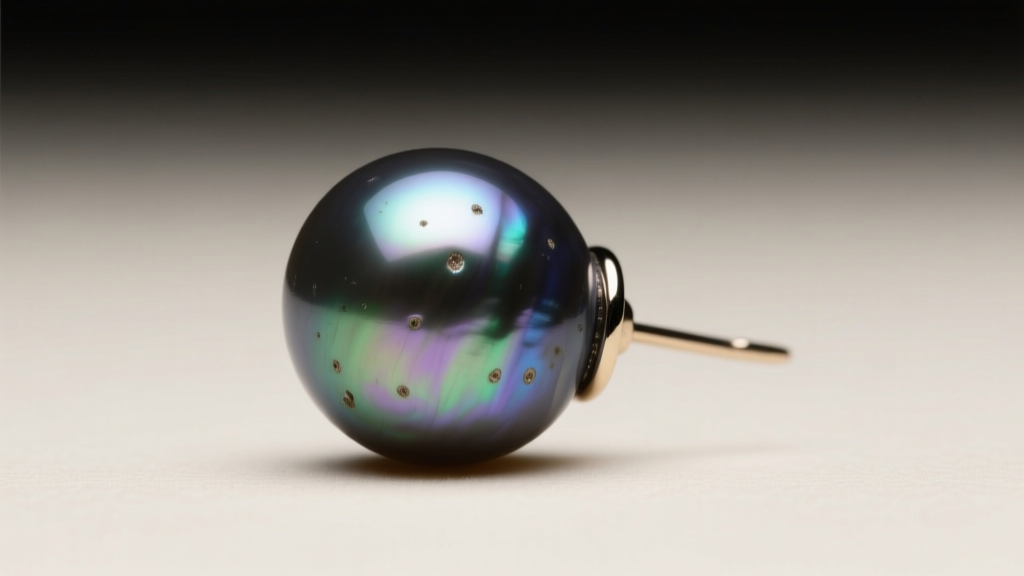
Saltwater pearls (Tahitian, South Sea, and baroque Akoya) are bead-nucleated using a mother-of-pearl shell bead. The oyster secretes nacre over this bead. The value here is driven by the rarity of the host oyster, the longer cultivation time (2 to 4 years), and the exotic color palettes, such as the peacock overtones of Tahitian baroques. Expect to pay $350 to $1,500+ for a pair of saltwater baroque earrings. The risk with saltwater baroques is nacre thickness; if the nacre is under 0.8mm, the pearl can chip or peel over time, rendering the investment worthless.
Decoding Pearl Grading and Luster Quality
The Gemological Institute of America (GIA) evaluates pearls based on seven value factors, but for baroque shapes, luster and surface quality are the primary price drivers. Because baroque pearls are inherently asymmetrical, shape grading is largely subjective and based on artistic appeal rather than geometric perfection.
- Excellent Luster: Reflections are bright, sharp, and distinct. You can clearly see your own reflection in the curved ridges of the baroque pearl. (Commands a 40-60% premium).
- Good Luster: Reflections are bright but slightly hazy around the edges. Excellent for mid-tier budgets.
- Fair/Poor Luster: Reflections are dim, chalky, or blurred. Avoid these entirely, regardless of the low price point, as they indicate poor nacre crystallization.
When shopping for baroque pearls earrings, prioritize luster over size. A 9mm freshwater baroque with excellent luster will outshine and outlast a 14mm chalky baroque every time.
Hardware and Setting Failures: The Hidden Costs
A common trap in the $50 to $100 price bracket is pairing a decent freshwater baroque pearl with substandard hardware. In 2026, supply chain costs have pushed some mid-tier brands to cut corners on metals. Here is what you must scrutinize:
Metal Purity and Plating Thickness
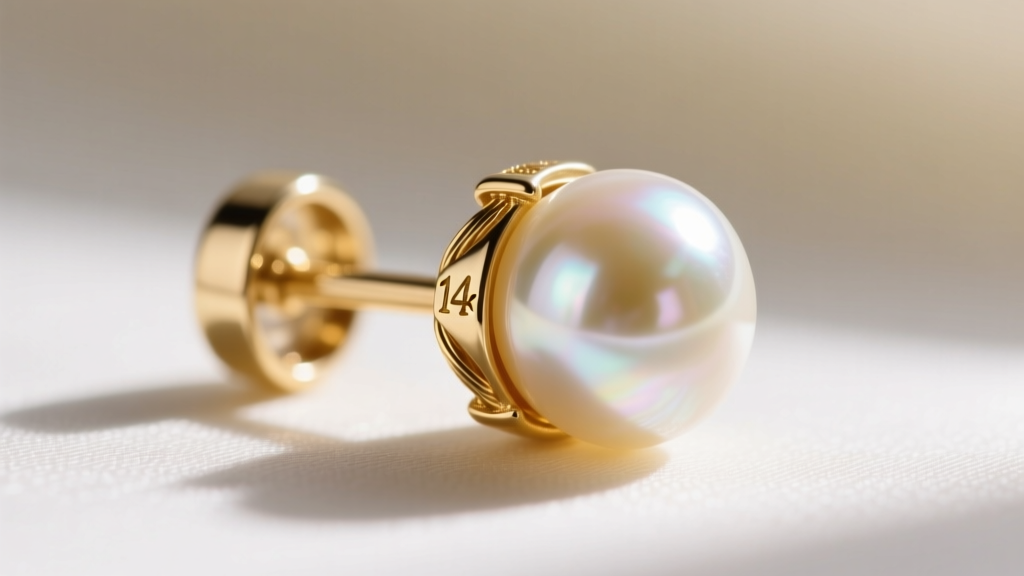
Avoid 'gold-plated brass' or 'gold-plated stainless steel.' These typically feature a microscopic flash plating of less than 0.5 microns, which will wear off within months, exposing base metals that can cause contact dermatitis or turn your earlobes green. Instead, look for Gold Vermeil (a regulated standard requiring a sterling silver base and a minimum of 2.5 microns of 10k+ gold plating) or, ideally, Solid 14k or 18k Gold. Solid gold adds roughly $40 to $90 to the base cost of the earrings but guarantees a lifetime of wear.
The Epoxy Glue Problem
Most baroque pearl studs and drop earrings use a 'cup and post' setting. The pearl is drilled halfway and glued to a metal peg. Budget manufacturers use cheap cyanoacrylate or low-grade epoxy that yellows and becomes brittle within 12 to 18 months, leading to the pearl snapping off and getting lost. High-end jewelers use specialized, flexible two-part jeweler's epoxy (like HXTAL NYL-1) that cures clear and absorbs shock. If a retailer cannot confirm their adhesive quality, opt for wire-wrapped or French wire drop settings that rely on mechanical tension rather than glue.
2026 Price vs. Value Matrix
Use this structured framework to assess if a pair of baroque pearls earrings is priced fairly based on current market conditions.
| Value Tier | Pearl Type & Size | Hardware Standard | Expected Price Range | Value Verdict |
|---|---|---|---|---|
| Budget | Freshwater Baroque (8-10mm) | Sterling Silver / Vermeil | $45 - $85 | Good for trend-testing; expect glue failure. |
| Mid-Tier | Freshwater Baroque (11-14mm) | Solid 14k Gold (Wire-wrap) | $120 - $250 | Best overall value; lifetime durability. |
| Premium | Tahitian Baroque (10-13mm) | Solid 18k Gold (Cup & Post) | $400 - $850 | High investment; verify nacre >0.8mm. |
| Luxury | South Sea Baroque (14mm+) | Solid 18k Gold w/ Diamonds | $1,500 - $4,000+ | Collector grade; buy from certified dealers. |
The Drill Hole Inspection Test
If you are buying saltwater baroque pearls earrings in person or receiving them via a high-end online retailer, perform the drill hole inspection. Using a 10x jeweler's loupe, examine the hole where the pearl was drilled. You should be able to see the boundary between the bead nucleus and the nacre layer. If the nacre appears paper-thin (less than 0.5mm), or if you see a chalky white core immediately beneath the surface, reject the pair. The American Pearl Society strongly advises against purchasing saltwater pearls with thin nacre, as they are prone to 'blinking' (showing the shell bead through the nacre) and eventual peeling.
Weight Distribution and Ear Health
Baroque pearls can be surprisingly dense. A pair of large, solid-nacre freshwater baroque drops can easily exceed 8 grams per earring. When assessing value, consider the ergonomic design of the ear wire. Flimsy, thin 22-gauge French wires will bend under the weight of heavy baroques, causing the earring to droop forward and stretch the earlobe piercing over time. Look for 20-gauge or 18-gauge wire, or designs that incorporate an 'omega back' or 'jacket' to distribute the weight across the back of the earlobe. A well-engineered setting adds immense functional value that justifies a slightly higher price point.
Final Verdict: Are Baroque Pearls Earrings a Smart Investment?
From a strict budget and value assessment perspective, freshwater baroque pearls earrings set in solid 14k gold represent the undisputed sweet spot in the 2026 jewelry market. You receive the visual impact, size, and orient of luxury pearls at a fraction of the cost, backed by the durability of solid nacre. Saltwater baroques remain a breathtaking investment for collectors willing to pay the premium for exotic colors, provided they rigorously verify nacre thickness and hardware integrity. By prioritizing luster, mechanical settings over glue, and appropriate wire gauges, you can build a collection of baroque earrings that retain their beauty and structural integrity for decades.


