The Ultimate Beginner Guide to Styling Beaded Drop Earrings
Discover how to choose, style, and care for beaded drop earrings. Our beginner-friendly guide covers materials, face shapes, and maintenance.

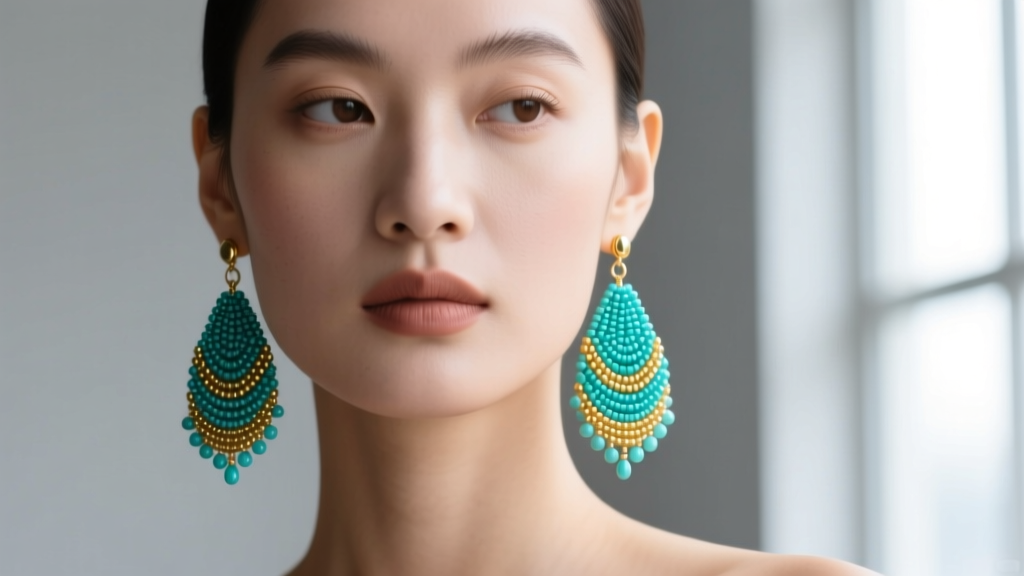
Understanding Beaded Drop Earrings: More Than Just a Bead on a Wire
When building a versatile jewelry collection, beaded drop earrings are an essential staple. But before we dive into styling and materials, we need to clarify a common point of confusion in the jewelry world: the difference between a "drop" and a "dangle." According to industry standards, a true drop earring features a bead or gemstone that hangs just below the earlobe and moves as a single, solid unit. Dangle earrings, conversely, consist of multiple articulated segments that swing independently. Understanding this distinction is crucial when shopping, as the physics of how the earring moves will dictate its weight distribution and overall comfort.
For beginners, beaded drop earrings offer an incredible entry point into expressive styling. They provide the visual impact of a statement piece without the overwhelming scale of large hoops or chandelier earrings. Whether you are drawn to the earthy vibe of natural gemstones or the vibrant pop of lampwork glass, mastering the selection and care of these earrings will elevate your everyday wardrobe.
The Anatomy of a Quality Drop Earring
A well-crafted beaded drop earring relies on precise wire-working and high-quality findings. As a beginner, inspecting these structural elements will help you differentiate between mass-produced costume jewelry and artisan-crafted pieces.
- The Hook (Finding): The most common finding for drops is the French wire (or fishhook). While elegant, it requires a silicone earring back to prevent loss. For heavier beads, a leverback finding is vastly superior, as the hinged closure secures the earring firmly to the lobe.
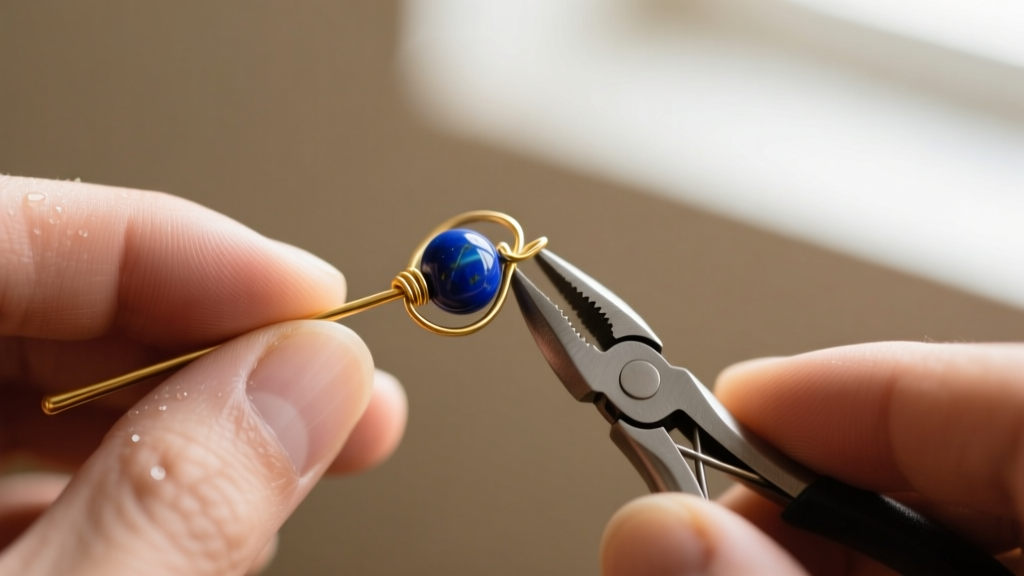
- Headpins vs. Eyepins: Artisans use headpins (which have a flat or decorative stopper at the base) to hold a single bead or a stacked cluster. Eyepins feature a loop at the base, allowing the jeweler to chain multiple beads together—though once you add multiple articulation points, you cross over into "dangle" territory.
- Wire Wrapping: Look for a tight, clean wire wrap at the top of the bead. A sloppy loop can easily snag on hair or sweaters, eventually causing the wire to fatigue and snap.
Choosing Your Beads: A Material Breakdown
The bead itself is the star of the show. Different materials offer vastly different weights, durability levels, and price points. Below is a comparative guide to help you choose the right material for your lifestyle.
| Material Type | Mohs Hardness | Average Weight | Price Range | Best For |
|---|---|---|---|---|
| Seed Glass | 5.5 - 6.5 | Very Light (1-2g) | $15 - $40 | Everyday wear, sensitive lobes |
| Lampwork Glass | 5.5 - 6.5 | Moderate (3-6g) | $35 - $120 | Artisan statements, evening wear |
| Turquoise (Natural) | 5.0 - 6.0 | Moderate (3-5g) | $50 - $200+ | Boho styles, warm skin tones |
| Sandalwood | N/A (Organic) | Ultra-Light (<1g) | $10 - $30 | Minimalists, stretched lobes |
When shopping for gemstone beads, always consult the Gemological Institute of America (GIA) guidelines for hardness and stability. For instance, while turquoise is beautiful, its porous nature means it can absorb oils and change color over time, whereas faceted quartz beads are highly resistant to scratching and environmental damage.
Matching Beaded Drop Earrings to Your Face Shape
The linear nature of drop earrings makes them a powerful tool for balancing facial proportions. Here is a practical framework for selecting the right bead shape based on your bone structure.
Round Faces
If your face is roughly equal in length and width with soft curves, your goal is to create the illusion of length. Opt for elongated, tubular beads or narrow teardrop shapes. Avoid perfectly spherical beads or wide, chunky lampwork discs, as these will echo and exaggerate the roundness of your face.
Oval Faces
Oval faces are naturally balanced, meaning you have the freedom to experiment with almost any bead shape. However, geometric beads (like faceted cubes or square-cut gemstones) provide a stunning, modern contrast to the soft curves of an oval jawline.
Square & Heart Faces
Angular jawlines (square) and wider foreheads tapering to a narrow chin (heart) benefit from softening elements. Choose drop earrings featuring round, polished beads, organic baroque pearls, or smoothly tumbled gemstones. The lack of sharp edges in the jewelry will beautifully offset the sharp angles of your bone structure.
Sizing, Gauge, and Weight: Avoiding the "Heavy Ear" Syndrome
One of the most frequent mistakes beginners make is ignoring the physics of earring weight. A standard earlobe piercing can comfortably support between 7 to 10 grams of jewelry before fatigue, stretching, or discomfort sets in. Large glass or dense gemstone beads can easily exceed this threshold.
Furthermore, pay attention to the wire gauge. Most commercial beaded drops use 20-gauge (0.8mm) wire, which is standard for earlobes. If you are buying heavy artisan drops, look for 18-gauge (1.0mm) wire, which offers superior structural integrity and resists bending under the weight of the bead. If you fall in love with a heavy pair of earrings, invest in silicone earring support patches (often called "earring lifts"). These adhesive pads sit behind the lobe and distribute the weight across a wider surface area, preventing the dreaded "drooping" effect.
Care and Maintenance: Keeping Your Beads Pristine
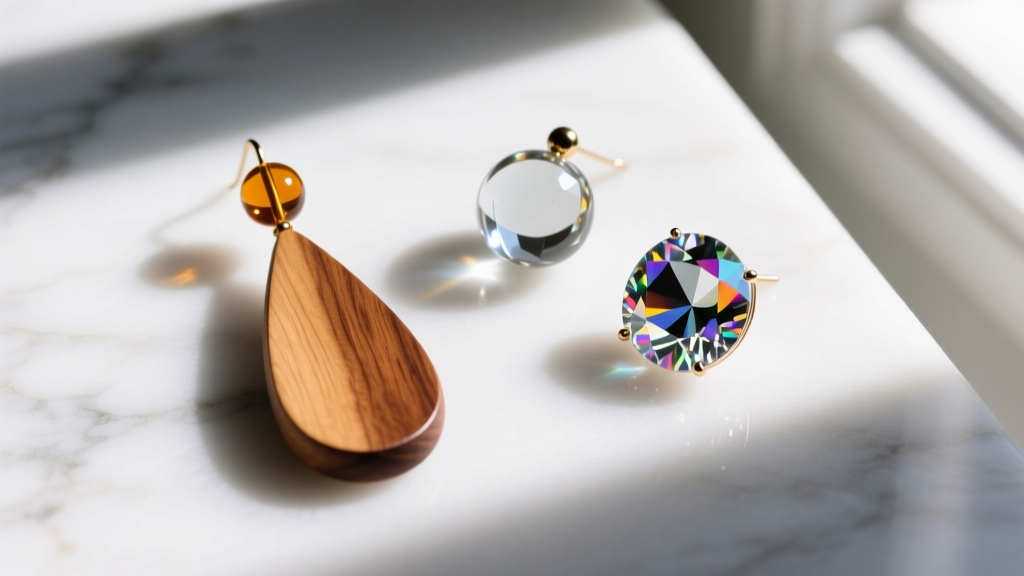
Proper maintenance ensures your beaded drop earrings last a lifetime. The golden rule of jewelry care is: put your jewelry on last, and take it off first. Hairspray, perfumes, and lotions can create a cloudy film on glass beads and chemically react with porous stones.
Expert Warning: Never place natural gemstone or wooden beaded earrings in an ultrasonic cleaner. The high-frequency vibrations can fracture internal inclusions in stones like emerald or opal, and the water will warp wood and strip the natural oils from turquoise.
For routine cleaning, follow the Jewelers of America guidelines: use a few drops of mild, phosphate-free dish soap in lukewarm water. Gently brush the bead and wire wrap with a soft-bristled baby toothbrush, rinse quickly, and pat completely dry with a microfiber cloth. Always store your drop earrings hanging or laid flat in an anti-tarnish pouch to prevent the metal findings from oxidizing and to keep the wire loops from bending out of shape.
Final Thoughts
Beaded drop earrings are a masterclass in understated elegance. By understanding the anatomy of the wire wrap, respecting the physical limits of your earlobes, and choosing materials that complement your face shape, you can confidently curate a collection that is both comfortable and visually striking. Start with a lightweight pair of seed glass drops for daily wear, and slowly expand into heavier, artisan-crafted gemstones as you refine your personal style.


