How to Get Earring Out of Sink: A Safe Recovery Guide
Learn how to get earring out of sink safely without damaging your jewelry or plumbing. Step-by-step P-trap recovery and cleaning guide.

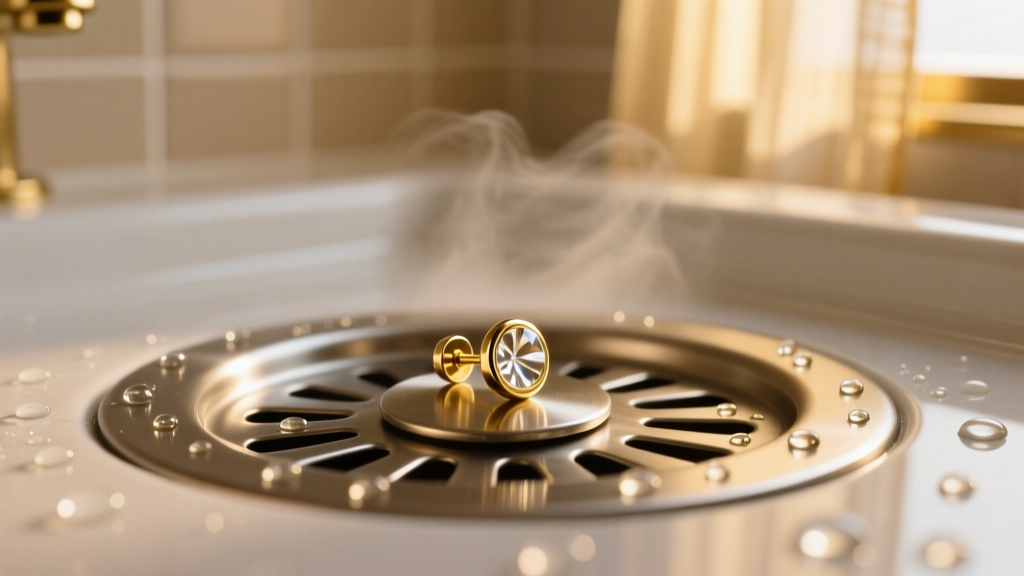
There are few sounds more heart-stopping to a jewelry lover than the tiny, metallic tink of a favorite earring hitting the porcelain basin, followed by the dreaded splash of it slipping past the drain grate. Whether it is a 20-gauge diamond stud, a delicate 18k gold huggie, or a vintage pearl drop, losing a piece of jewelry down the drain induces immediate panic. However, retrieving it is usually a highly successful process if you act quickly and methodically.
Understanding how to get earring out of sink drains requires a basic grasp of residential plumbing, an awareness of your jewelry's material vulnerabilities, and the right extraction technique. In this beginner-friendly explainer, we will walk you through the exact steps to recover your lost earrings safely, how to clean them without causing chemical damage, and how to prevent future bathroom losses.
The Anatomy of a Sink Drain (And Why Your Earring Fell In)
To successfully retrieve your jewelry, you must first understand where it went. Standard bathroom sink drain grates typically feature crossbars with gaps measuring between 0.5 and 0.75 inches. While a bulky 14-gauge hoop or a large statement dangle might get caught on these metal crossbars, standard earring posts are incredibly thin. A typical 20-gauge earring post is just 0.81mm in diameter, and even thicker 18-gauge posts are only 1.02mm. These easily slip through the grate.
Once past the grate, the earring falls into the tailpiece and drops directly into the P-trap. The P-trap is the U-shaped pipe located directly beneath your sink basin. Its primary function is to hold a small pool of stagnant water, which creates a seal that prevents foul-smelling sewer gases from entering your bathroom. Because of this design, gravity almost always pulls heavy metals and gemstones down into the lowest curve of the P-trap, where they sit submerged in water, toothpaste residue, and hair. As noted in Bob Vila's guide to P-trap maintenance, this curved pipe is specifically designed to catch heavy debris and small objects, meaning your earring is likely waiting for you right there.
Immediate First Aid: What NOT to Do
Before you learn how to get earring out of sink drains, you must know what actions will permanently ruin your jewelry or push it into the main sewer line.
- Do NOT run the water: Turning on the faucet to "flush" the drain will only push the earring past the P-trap and into the branch drain line, making recovery nearly impossible without a professional plumber's snake and camera.
- Do NOT use chemical drain cleaners: Products containing sodium hydroxide or sulfuric acid will not dissolve metal or gemstones, but they will ruin them. Harsh alkalis can permanently pit porous gems like pearls, turquoise, and opals. Furthermore, the exothermic (heat-producing) reaction of these chemicals can fracture heat-sensitive stones and strip the rhodium plating right off your white gold settings.
- Do NOT blindly poke a wire down the drain: Stabbing a wire hanger through the grate can easily scratch your gemstones, bend delicate prongs, or accidentally hook the earring and push it past the water seal.
Step-by-Step Recovery: How to Get Earring Out of Sink
Choose the method below that best matches the tools you have available and the type of sink plumbing installed in your bathroom.
Method 1: The P-Trap Extraction (The Safest Route)
This is the gold standard for jewelry recovery. It requires no special chemicals and guarantees you will get the earring back without scratching it.
- Clear the cabinet: Remove all cleaning supplies and towels from under the sink.
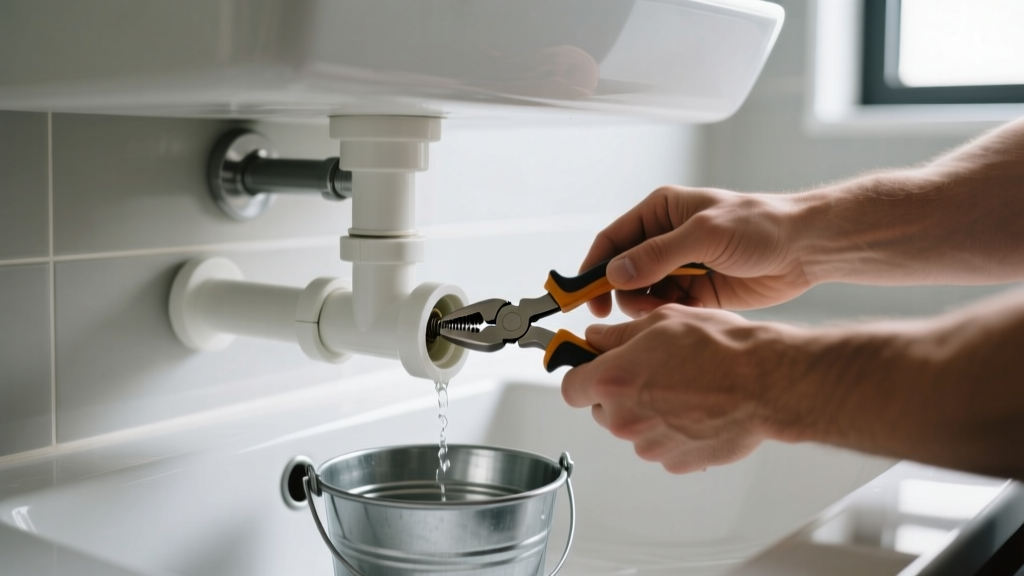
- Position a catch bucket: Place a small plastic bucket or a thick towel directly beneath the U-shaped P-trap pipe to catch the stagnant water.
- Loosen the slip nuts: Using slip-joint pliers (Channellocks) or even just your bare hands if the PVC is loose, unscrew the two slip nuts connecting the P-trap to the tailpiece and the wall pipe. Pro Tip: Wrap a small rag around the pipe before gripping with pliers to prevent scratching chrome or brass finishes.
- Dump and sift: Carefully lower the U-shaped pipe and pour the water and gunk into your bucket. Sift through the debris to locate your earring, backing, or gemstone.
- Reassemble: Rinse the P-trap, ensure the rubber slip washers are seated correctly to prevent future leaks, and hand-tighten the nuts back into place.
Method 2: The Wet/Dry Vacuum Trick
If your P-trap is glued (common in some older or DIY plumbing setups) or you lack pliers, a Shop-Vac is your next best option.
- Remove the internal paper filter from your wet/dry vacuum so you do not ruin it with sink water.
- Stretch a piece of thin nylon pantyhose or a fine mesh strainer over the vacuum hose nozzle.
- Secure the nylon tightly with a rubber band. This creates a barrier that will catch the earring while allowing water and air to pass through.
- Turn the vacuum on and press the hose firmly against the drain grate. The intense suction will often pull the lightweight earring up from the P-trap water seal, catching it safely against the nylon mesh.
Method 3: The Magnet on a String (For Ferrous Metals Only)
If you dropped a steel or magnetic-white-gold piece (some nickel alloys), you can tie a strong neodymium magnet to a piece of dental floss and lower it past the grate. However, this will not work for pure gold, sterling silver, platinum, or titanium, as these are non-magnetic metals.
Material-Specific Cleaning After Recovery
Once you have successfully figured out how to get earring out of sink plumbing, your piece will be covered in biofilm, soap scum, and bacteria. You must sanitize it, but you must do so according to the specific material grade and gemstone type. According to the Gemological Institute of America (GIA), improper cleaning is the leading cause of post-recovery gemstone damage.
| Material / Gemstone | Safe Cleaning Method | What to Avoid |
|---|---|---|
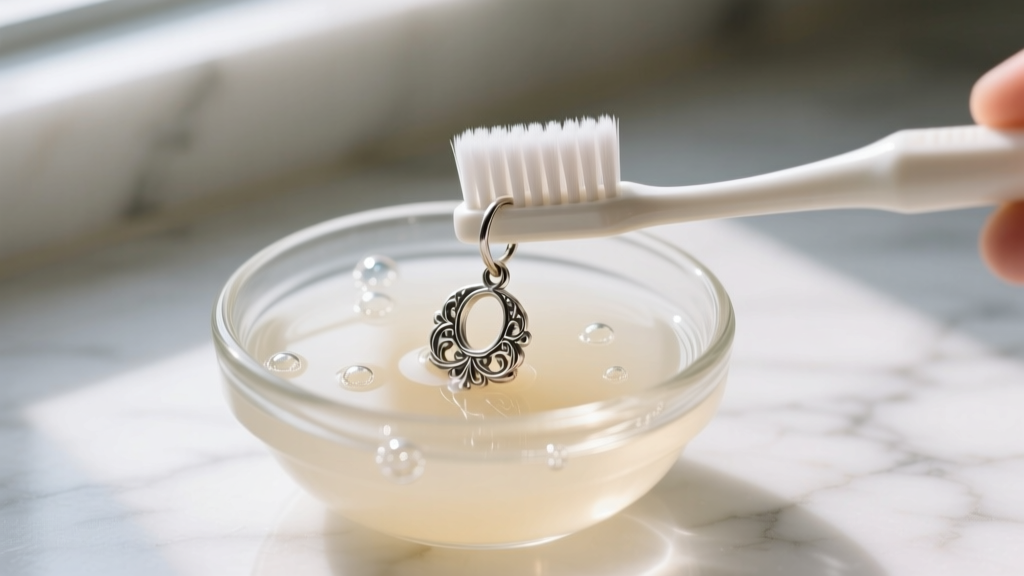
| 14k/18k Gold & Diamonds | Soak in warm water with a few drops of mild Dawn dish soap for 15 mins. Brush gently with a baby toothbrush. | Chlorine bleach (weakens gold prongs over time). |
| Sterling Silver (925) | Wash with mild soap and water. Dry immediately with a microfiber cloth to prevent water spots. | Toothpaste or baking soda (abrasives will scratch the silver). |
| Pearls & Coral | Wipe gently with a damp, soft cloth. Air dry flat on a towel. | Ultrasonic cleaners, ammonia, vinegar, or submerging in water (weakens the silk/thread). |
| Opals & Turquoise | Wipe with a barely damp cloth. Dry immediately. | Soaking in water (opals can craze; turquoise is highly porous and will absorb dirty sink water). |
Prevention: Upgrading Your Sink and Jewelry Habits
The best way to handle a dropped earring is to never drop it in the first place. Bathrooms are high-risk zones for jewelry loss due to the combination of wet hands, slippery surfaces, and open drains.
1. Install a Mesh Sink Strainer
You can purchase silicone or stainless steel mesh catchers that sit over or just inside your drain grate. These feature micro-holes that allow water to drain freely but will catch even the smallest 22-gauge earring posts and friction backs before they enter the tailpiece.
2. Change Your Earring Backs
Standard "butterfly" friction backs are notorious for loosening over time, especially when caught on towels or hair. If you frequently wear expensive studs, upgrade to screw-back earring posts or use secure silicone O-ring stoppers. These require intentional twisting or stretching to remove, meaning they will not simply fall off if bumped against a bathroom mirror.
3. The "Towel Rule"
Make it a strict habit to only remove or insert earrings over a soft surface. Draping a plush hand towel over the sink basin while changing your jewelry ensures that if a piece slips from your fingers, it lands on a soft, dry surface rather than bouncing off hard porcelain and into the drain.
Frequently Asked Questions
Will my earring rust if it sits in the P-trap?
If your earring is solid gold, platinum, or surgical-grade titanium (ASTM F-136), it will not rust, even if left in the P-trap for months. However, if the earring is gold-plated over a brass or copper base, the stagnant, acidic water can eat through the plating, causing irreversible tarnishing and verdigris (green corrosion) within a matter of days.
What if I only found the earring post, but the backing is still missing?
Earring backings (especially small silicone or metal friction clutches) frequently fall off in the sink. If you removed the P-trap and only found the earring itself, the backing is likely lodged further down the branch line or was already washed away during a previous sink use. Fortunately, replacement backings are universally sized based on gauge (usually 18g or 20g) and cost just a few dollars for a multi-pack at any jeweler.


