Beads Earrings Design: Material Properties & Weight Guide
Master beads earrings design by comparing material weights, Mohs hardness, and wire gauges to prevent structural failures in beaded jewelry.

The Physics of Beads Earrings Design: Why Material Matters
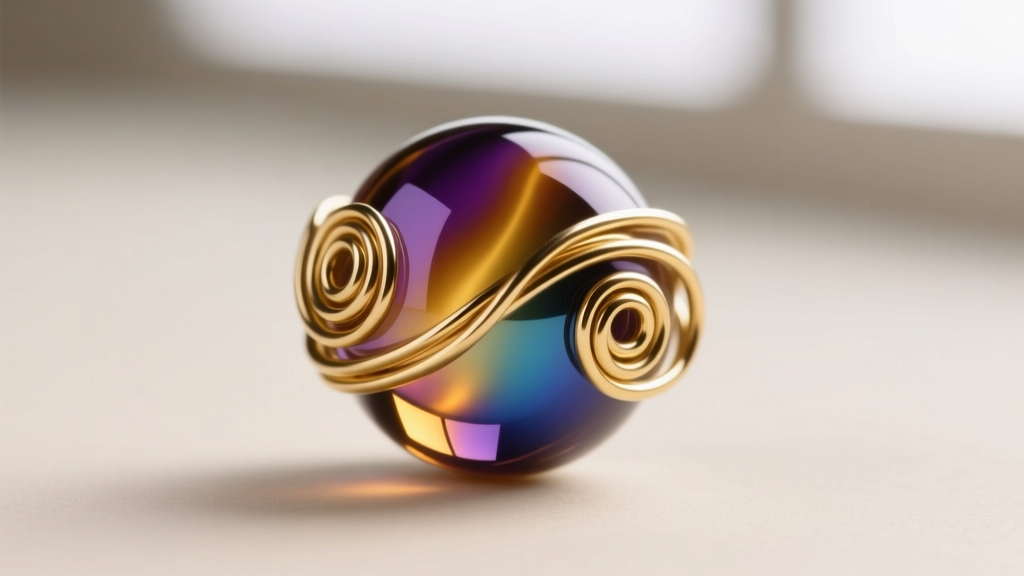
When approaching beads earrings design, most creators focus primarily on color palettes, bead shapes, and aesthetic themes. However, professional jewelry engineering requires a deep understanding of material science. Every bead material possesses unique physical properties—specifically density, Mohs hardness, and porosity—that dictate the structural framework of the earring. A design that works flawlessly with lightweight acrylic beads will suffer catastrophic structural failure if directly translated using heavy lampwork glass or natural gemstones.
The center of gravity, torsional stress on the wire axis, and the sheer weight load on the earlobe all hinge on the medium you select. In this comprehensive guide, we break down the material properties of popular beading mediums and provide exact wire gauges, finding types, and structural frameworks to ensure your earrings are as durable as they are beautiful.
Comprehensive Material Comparison Chart
Before selecting your wire and findings, consult this baseline data table. The recommended wire gauges refer to the primary structural wire (such as headpins or eye pins) passing through the bead. According to metallurgical standards outlined by the Fire Mountain Gems Encyclopedia, matching the wire temper (dead-soft vs. half-hard) to the bead weight is just as critical as the gauge itself.
| Material | Avg Density (g/cm³) | Mohs Hardness | Recommended Wire Gauge | Ideal Finding Type |
|---|---|---|---|---|
| Lampwork Glass | 2.50 - 2.80 | 5.5 - 6.0 | 20g (0.81mm) | French Wire / Leverback |
| Natural Quartz | 2.65 | 7.0 | 22g (0.64mm) | Headpins / Eye Pins |
| Polymer Clay | 1.20 - 1.40 | 2.0 - 3.0 | 24g (0.51mm) | Flat Pad / Post |
| Cast Acrylic | 1.18 | 3.0 - 4.0 | 24g - 26g | Jump Rings / Wire Wrap |
| Hardwood (Ebony) | 1.00 - 1.20 | 2.5 | 22g - 24g | Chandelier Links |
Heavyweight Contenders: Glass, Stone, and Metal
Designing with dense materials requires managing momentum. When a wearer turns their head, heavy beads create a pendulum effect that places immense shear stress on the earring's top loop.
Designing with Lampwork and Murano Glass
Glass beads, particularly artisan lampwork, often feature large holes (1.5mm to 2mm) to accommodate the thick mandrels used during creation. The primary failure mode in glass beads earrings design is "loop pull-through," where the wire's wrapped loop slips entirely through the bead's oversized hole. To counteract this, designers must use a 1.5mm metal spacer bead, a crimp cover, or a decorative bead cap at the base of the wire wrap to act as a structural flange. Furthermore, because glass is brittle (Mohs 5.5-6.0), it will shatter if dropped. Always use 20-gauge half-hard wire to provide a rigid spine that prevents the bead from swinging violently and chipping against adjacent metal findings.
Natural Gemstones and the Porosity Factor
According to the GIA Gem Encyclopedia, natural stones vary wildly in structural integrity. While quartz and agate are highly durable, porous stones like turquoise, lapis lazuli, and malachite require special attention. The sharp edges of injection-molded or poorly drilled stone bead holes can easily slice through thin wire over time. When designing with porous stones, avoid using bare wire directly against the hole edge; instead, thread a micro-bead of UV resin inside the hole or use a flexible wire guardian to protect the structural integrity of your wrap.
Lightweight Champions: Acrylic, Polymer Clay, and Wood
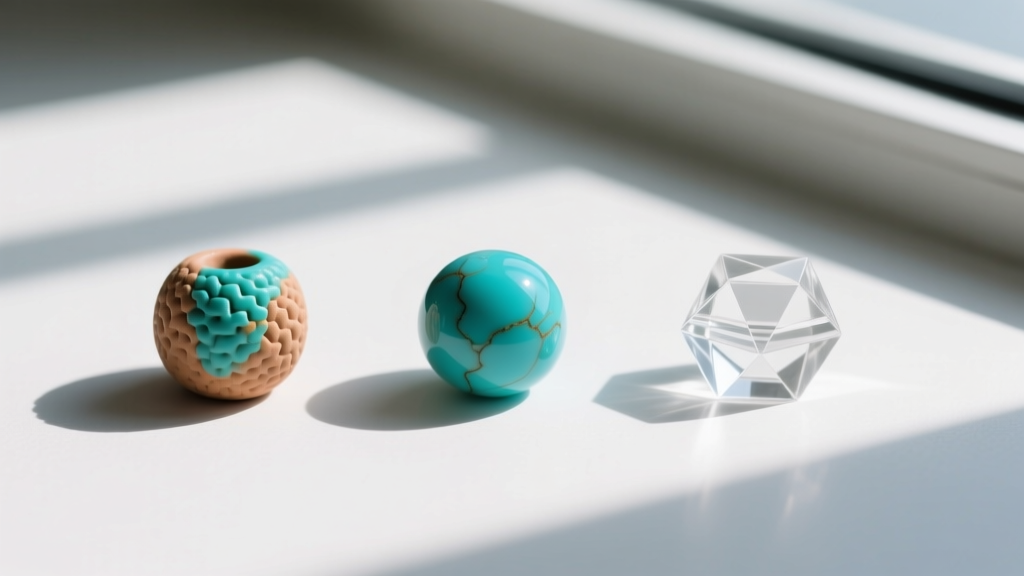
Lightweight materials allow for massive, oversized statement dangles that won't stretch the earlobe. However, their low density introduces entirely different engineering challenges, primarily related to material softness and thermal tolerance.
Polymer Clay: Curing, Sealing, and Pin Integration
Polymer clay is exceptionally versatile but structurally fragile if improperly cured. To achieve maximum durability, the clay must be baked at exactly 130°C (265°F) for the manufacturer's specified duration per quarter-inch of thickness. Under-baked clay will crumble under the torque of a wire wrap. When integrating headpins directly into polymer clay beads earrings design, always use a pin with a flat, wide pad or a twisted wire shaft to maximize surface area and prevent the pin from spinning or pulling out. Seal the finished bead with a polyurethane varnish to prevent oils from the skin from degrading the plasticizers in the clay over time.
Acrylic and Resin: Avoiding Stress Fractures
Acrylic beads are incredibly light, allowing designers to use thin 24-gauge or 26-gauge wire. However, acrylic is prone to stress fractures. If you use round-nose pliers to grip an acrylic bead too tightly while wrapping, the localized pressure will cause micro-cracks that eventually split the bead. Always use nylon jaw pliers when manipulating wire near acrylic or resin components to distribute the pressure evenly and protect the bead's surface.
Structural Failure Modes in Beaded Earrings
Even the most beautiful beads earrings design will fail if the micro-mechanics are ignored. Here are the three most common structural failures and their exact solutions:
- Torsional Spin: When a bead spins freely on the wire axis, it tangles the earring hook. Solution: Apply a microscopic drop of cyanoacrylate (CA) glue to the wire inside the bead hole, or use a tight, multi-wrap wire technique instead of a simple loop.
- Wire Fatigue Snaps: Dead-soft wire becomes brittle when "work-hardened" through excessive bending. If you bend a dead-soft 22-gauge wire back and forth to shape a loop, it will snap. Solution: Use half-hard wire for structural loops, or anneal the wire if you must use dead-soft for complex weaving.
- Hook Deformation: Heavy glass beads will slowly pull a standard 20-gauge French wire hook open. Solution: Use a leverback finding with a secure clasp, or upgrade to a 18-gauge ear wire for beads exceeding 15 grams.
Hypoallergenic Considerations for Bead Caps and Findings
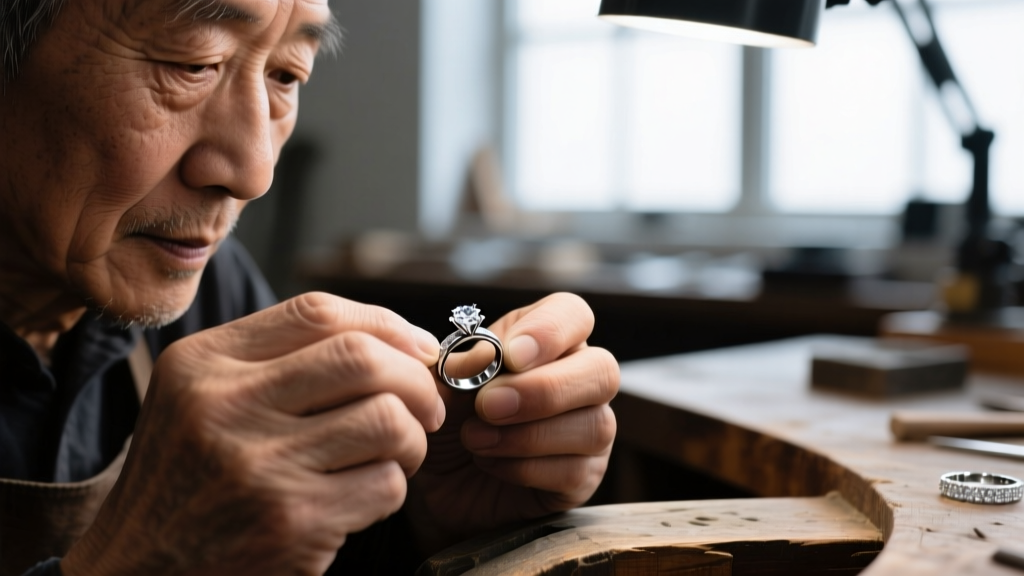
While the beads themselves (glass, clay, stone) are generally hypoallergenic, the metal findings used in beads earrings design are the primary culprits for contact dermatitis. Standard brass or nickel-silver bead caps will oxidize and cause severe reactions in sensitive ears.
For high-end, sensitive-skin designs, upgrade your structural components to Grade 23 Titanium (Ti6Al4V ELI) or Niobium. If you must use sterling silver bead caps for aesthetic reasons, ensure they are stamped .925 and avoid "Tibetan Silver" or "Silver-Plated" alternatives, which often contain high levels of nickel and lead. For posts that pass directly through the earlobe, 316L surgical steel is the industry minimum standard, though implant-grade titanium remains the gold standard for fresh piercings and highly reactive skin.
Final Framework for Selecting Your Bead Medium
Successful beaded earring creation is an exercise in balancing aesthetic vision with physical limitations. By respecting the density, hardness, and structural quirks of your chosen materials, you can engineer jewelry that not only looks stunning on the display card but survives years of daily wear. Always match your wire gauge to the bead's weight, protect fragile holes from wire shear, and prioritize hypoallergenic findings to ensure your designs are as comfortable as they are captivating.


