A Beginner's Guide to Buying Antique Pierced Earrings
Learn how to identify, authenticate, and safely wear antique pierced earrings. Discover hallmark guides, metal grades, and conversion tips.

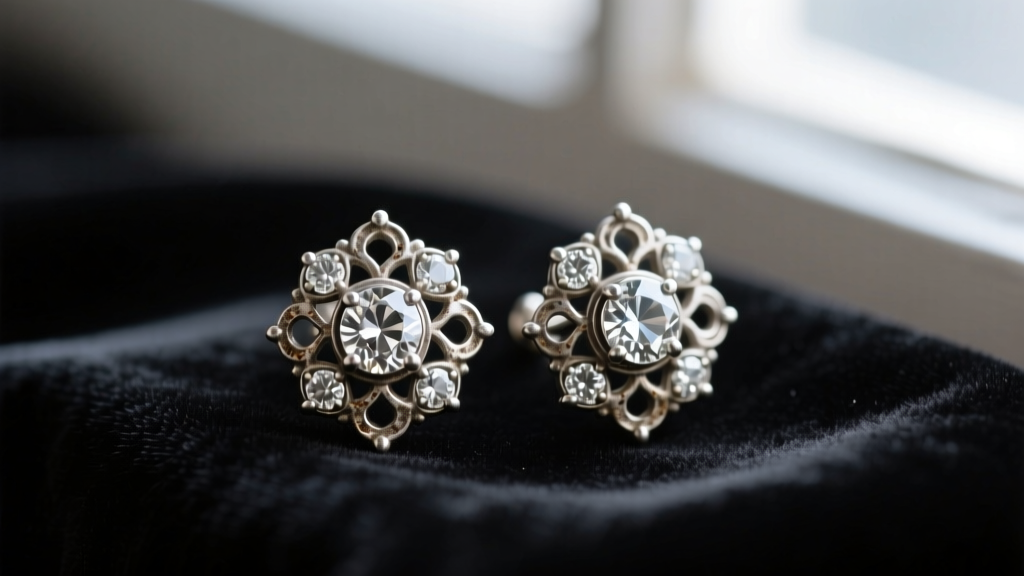
The Allure of Antique Pierced Earrings: Beyond the Aesthetic
When collectors and jewelry enthusiasts talk about antique jewelry, they are strictly referring to pieces that are at least 100 years old. This means true antique pieces were crafted in 1926 or earlier, spanning the Victorian, Edwardian, and early Art Deco eras. However, finding genuine antique pierced earrings presents a unique historical paradox. Ear piercing fell largely out of fashion in Western cultures during the mid-19th to early 20th centuries, with screw-backs and clip-ons dominating the market. Therefore, original pierced antiques are rare, highly sought after, and require a trained eye to authenticate.
For beginners stepping into the vintage jewelry market, understanding the structural, metallurgical, and historical nuances of these pieces is critical. This guide will equip you with the technical knowledge needed to identify authentic hardware, decode precious metal hallmarks, and safely wear century-old treasures without damaging your earlobes or the jewelry itself.
Pierced vs. Converted: Understanding the Hardware
The most common point of confusion for novice buyers is the difference between an original pierced antique and a 'converted' piece. Because original pierced earrings from the 1800s and early 1900s were relatively uncommon, modern jewelers frequently take vintage screw-back or clip-on earrings and solder modern posts onto them to make them wearable for pierced ears.
Identifying Original Antique Posts
Original antique pierced earrings typically feature one of two styles: the shepherd hook (a continuous wire that loops through the ear and hooks at the back) or the early threaded post with a nut. Early 20th-century platinum posts were often remarkably thin but incredibly strong due to the metal's density. If you are examining an Edwardian or Art Deco drop earring, look for a seamless transition from the main body of the earring to the wire. Original wires often show slight, organic irregularities from being hand-drawn and shaped by a bench jeweler, unlike the perfectly uniform, machine-stamped posts of the modern era.
The 'Converted' Screw-Back Dilemma
While conversions make vintage jewelry accessible, they carry inherent risks. The process of soldering a modern 18k or 14k gold post onto an original platinum or silver setting requires intense heat. According to conservation experts at Lang Antiques University, excessive heat transfer during soldering can easily destroy delicate gemstone treatments. For instance, foil-backed stones (common in Victorian garnets and rose-cut diamonds) can scorch, and the heat can dissolve the adhesives used in opal doublets or fracture-filled emeralds. Always ask a seller if a piece has been converted, and if so, request details on how the stones were protected during the soldering process.
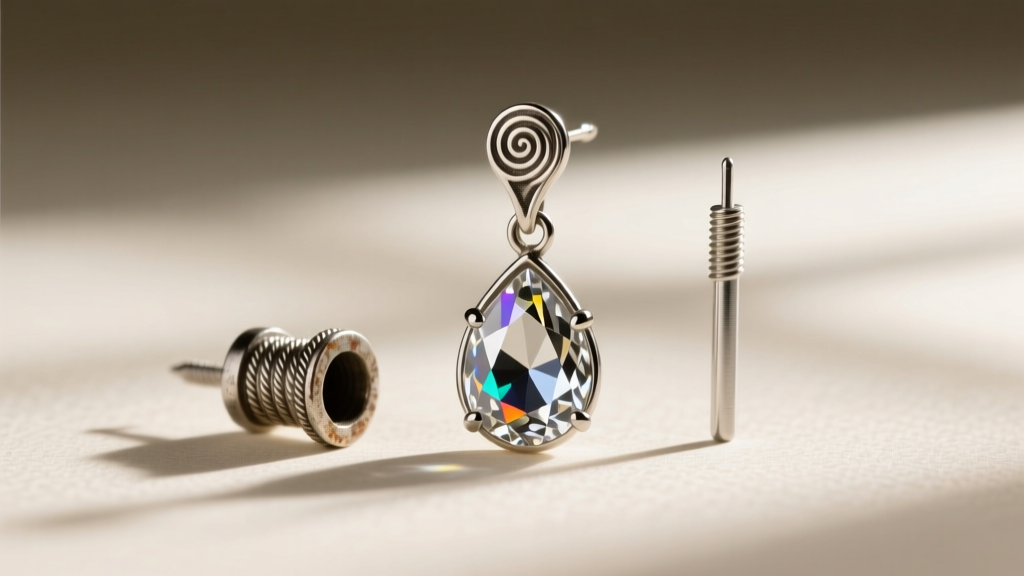
Decoding Hallmarks and Metal Grades in Vintage Jewelry
Authenticating antique pierced earrings requires a solid grasp of historical metallurgy and hallmarking laws. Different eras favored different alloys, and understanding these can help you date a piece and assess its allergy risks.
| Era | Common Metals | Typical Hallmarks | Allergy & Wear Risks |
|---|---|---|---|
| Victorian (1837-1901) | 15k Gold, 18k Gold, Silver | '15', '18', Lion Passant (UK) | Low allergy risk, but silver tarnishes heavily and requires careful polishing. |
| Edwardian (1901-1915) | Platinum, Platinum over Gold | Often unmarked or 'PT' | Hypoallergenic. Platinum is highly durable but can develop a patina over time. |
| Art Deco (1920-1935) | Platinum, 18k White Gold | '18k', '750', Maker's Marks | Early white gold was heavily alloyed with nickel, posing a severe contact dermatitis risk for sensitive ears. |
A crucial historical note: 15-karat gold was a standard alloy in the United Kingdom during the Victorian era but was officially discontinued and banned from hallmarking in 1932. If you find a pair of earrings stamped '15k', you have a strong indicator of a true 19th-century antique. Conversely, if a piece claims to be Victorian but features a modern butterfly clutch back or a laser-engraved hallmark, it is likely a reproduction.
Sizing, Gauges, and Earlobe Health
Modern standard ear piercings are typically done at 20-gauge (0.81mm) or 18-gauge (1.02mm). Antique shepherd hooks and early threaded wires, however, were not standardized. You may encounter wires that are as thick as 16-gauge or as thin as 22-gauge. Forcing a thick antique wire through a modern, narrow piercing can cause micro-tears in the fistula (the piercing channel), leading to irritation and scar tissue buildup.
Managing the Weight of Antique Drops
Many antique pierced earrings, particularly Art Deco chandelier drops and heavy Victorian girandoles, were designed with a different center of gravity than modern jewelry. The lack of a modern, flat butterfly back means the weight of the earring pulls entirely on the bottom curve of the earlobe. Over time, wearing heavy antique drops without support will cause irreversible lobe sagging or even tearing. To mitigate this, always use clear silicone earlobe stabilizer patches (like the brand EarLifts) when wearing heavy antique pieces. These patches distribute the weight across a wider surface area of the ear's cartilage and skin, preserving your earlobe's structural integrity.
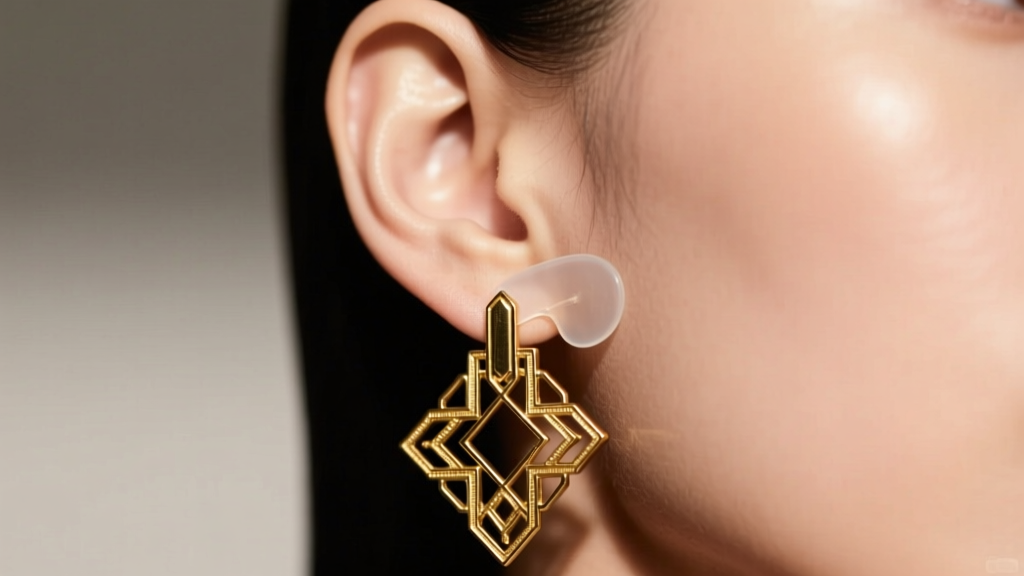
Troubleshooting Common Antique Earring Failures
Owning century-old jewelry means accepting that it requires specialized maintenance. The most common mistake beginners make is treating antique earrings like modern, mass-produced jewelry.
Expert Warning: Never place antique pierced earrings in an ultrasonic cleaner. The high-frequency vibrations can shatter internally fractured stones (like antique emeralds and opals) and will instantly strip the delicate oxidized patina that gives silver and early gold alloys their historical character and depth.
Instead, clean your pieces using a soft-bristled baby toothbrush, lukewarm water, and a drop of pH-neutral dish soap. Dry them immediately with a microfiber cloth. If the earring features a foil-backed stone, avoid submerging it in water entirely; moisture trapped behind the foil will cause it to oxidize and turn black, ruining the stone's brilliance. Simply wipe the front with a dry, untreated jewelry cloth.
Where to Source Authentic Pieces (and What to Pay)
Sourcing genuine antique pierced earrings requires moving beyond standard mall jewelers. Reputable online marketplaces like 1stDibs and Ruby Lane vet their sellers, offering a layer of protection regarding authenticity and accurate era descriptions. When browsing, look for sellers who provide high-resolution macro photography of the hallmarks, the clasp mechanisms, and the stone settings.
Current Market Pricing Guide:
- Victorian Silver & Paste Studs: $150 - $400
- Edwardian Platinum & Pearl Drops: $800 - $2,500
- Art Deco Diamond & Onyx Chandeliers: $3,000 - $15,000+
For a comprehensive look at the evolution of jewelry design and metalwork, the Victoria and Albert Museum's Jewellery Collection offers unparalleled historical context that can help train your eye to spot period-accurate design motifs.
Final Thoughts on Curating Your Vintage Collection
Collecting antique pierced earrings is a rewarding pursuit that connects you directly to the craftsmanship of the past. By prioritizing original hardware, respecting the metallurgical realities of early alloys, and committing to proper, non-destructive cleaning methods, you ensure that these wearable artifacts survive for another century. Always prioritize structural integrity and historical accuracy over fleeting trends, and your collection will become a timeless testament to jewelry history.


