Jennifer Behr Iris Pearl Earrings: Expert Technical Review
An expert technical review of the Jennifer Behr Iris Pearl Earrings, analyzing metallurgy, pearl grading, weight distribution, and lobe support.

Introduction: The Intersection of Bridal Luxury and Material Science
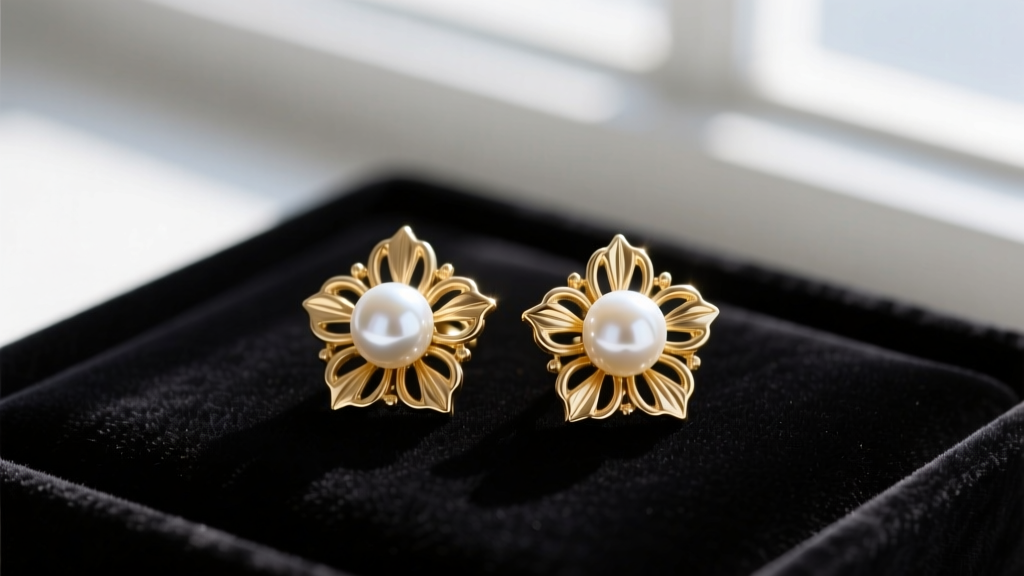
When evaluating high-end bridal and evening accessories, the Jennifer Behr Iris Pearl Earrings consistently emerge as a benchmark for design elegance. However, beyond their immediate visual appeal lies a complex assembly of metallurgical choices, gemological grading, and biomechanical engineering. As we move through 2026, the luxury fashion jewelry market has seen a massive shift toward transparency in material sourcing and manufacturing tolerances. This expert deep dive bypasses the standard marketing fluff to examine the precise technical specifications, failure modes, and ergonomic realities of the Iris Pearl Earrings, providing you with an authoritative framework for your investment.
Metallurgical Breakdown: Base Alloys and Plating Thickness
The structural foundation of the Jennifer Behr Iris Pearl Earrings relies on a specialized brass alloy. Brass (an alloy of copper and zinc) is chosen over cheaper alternatives like pewter or zinc alloy due to its superior malleability, which allows for the intricate, high-fidelity casting of the delicate iris petal motifs. Furthermore, brass provides a remarkably smooth substrate for electroplating, minimizing the 'orange peel' effect often seen in lower-tier fashion jewelry.
Plating Specifications and Barrier Layers
The gold-toned versions of these earrings utilize a 14k or 18k gold electroplating process. While standard commercial fashion jewelry typically features a flash plating of 0.1 to 0.5 microns, luxury houses like Jennifer Behr generally target a thickness between 1.0 and 2.5 microns. This increased micron count is critical for longevity, ensuring the gold layer does not wear through to the brass base at high-friction contact points (such as where the earring rubs against the jawline or hair). Crucially, a nickel-free barrier layer—often palladium or a specialized rhodium undercoat—is applied beneath the gold to comply with strict EU REACH regulations and prevent contact dermatitis in sensitive wearers.
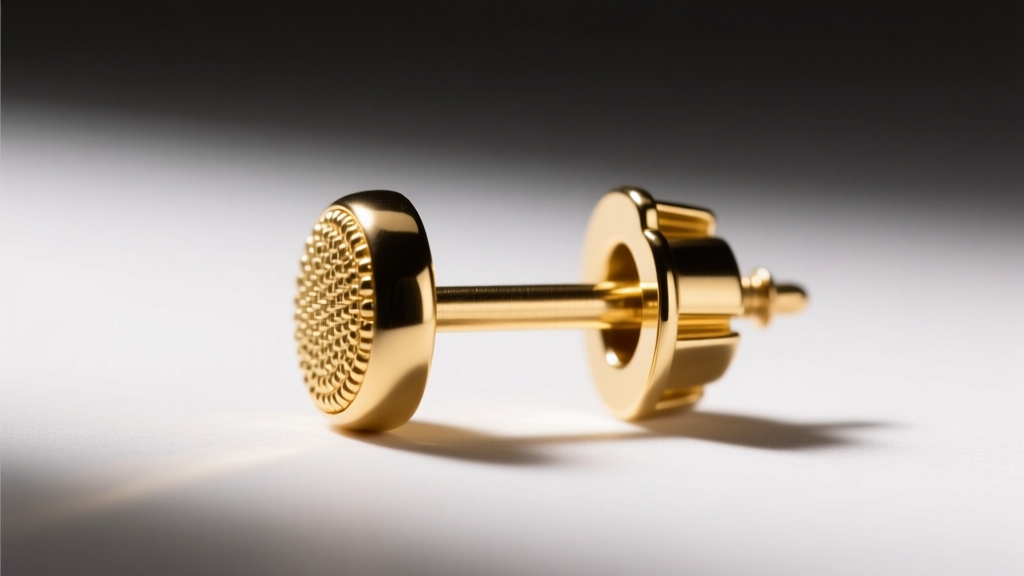
The earring posts themselves are typically manufactured from 20-gauge (0.81mm) sterling silver or surgical-grade stainless steel. This material divergence between the decorative brass body and the precious-metal post is a deliberate biomedical choice, ensuring that the portion of the earring penetrating the fistula (the piercing channel) remains hypoallergenic and resistant to the corrosive effects of sebum and wound exudate.
Gemological Analysis: Freshwater Pearl Grading and Crystal Accents
The focal points of the Iris design are the integrated pearls and crystal accents. Understanding the specific gemological properties of these materials is essential for assessing the earrings' true value and care requirements.
Freshwater Pearl Specifications
Jennifer Behr predominantly utilizes high-grade freshwater cultured pearls rather than saltwater Akoya pearls for these specific floral designs. According to the Gemological Institute of America (GIA), pearl quality is assessed on size, shape, color, luster, surface quality, and nacre thickness. The pearls used in the Iris earrings typically fall into the AAA grading tier, characterized by:
- Size: 6.0mm to 8.0mm, selected for proportional balance against the metallic iris petals.
- Luster: High to very high, exhibiting sharp, distinct light reflections on the surface.
- Nacre Thickness: Freshwater pearls are often nucleated with mantle tissue rather than a bead, resulting in nearly 100% solid nacre. This makes them highly resistant to chipping compared to thin-nacred saltwater alternatives.
- Surface Quality: 90-95% blemish-free, with minor microscopic ridges that authenticate their natural origin.
Crystal Integration and Setting Mechanics
The 'dew drops' and petal accents are crafted from precision-cut lead-free crystal glass. Unlike glued-in rhinestones found in mass-market accessories, these crystals are typically prong-set or secured within a bezel. This mechanical setting prevents the stones from dislodging when exposed to the solvents found in hairsprays and perfumes, which rapidly degrade standard jeweler's epoxies.
Biomechanics and Ergonomics: Weight Distribution on the Earlobe
Drop earrings introduce complex physics to the human earlobe. The earlobe (lobule) is composed primarily of adipose (fat) tissue and areolar connective tissue, lacking the rigid cartilage framework of the upper ear. When a heavy dangle earring is worn, it acts as a pendulum, generating dynamic shear stress on the fistula during movement.
| Specification | Jennifer Behr Iris Pearl | Standard Bridal Glass Drop | Solid 14k Gold Pearl Drop |
|---|---|---|---|
| Average Weight (per earring) | 6.5 - 8.5 grams | 3.0 - 4.5 grams | 4.0 - 6.0 grams |
| Post Gauge | 20G (0.81mm) | 22G (0.64mm) | 20G (0.81mm) |
| Center of Gravity Drop | ~25mm below fistula | ~35mm below fistula | ~20mm below fistula |
| Lobe Support Required | Recommended for 8hr+ wear | Not strictly required | Optional |
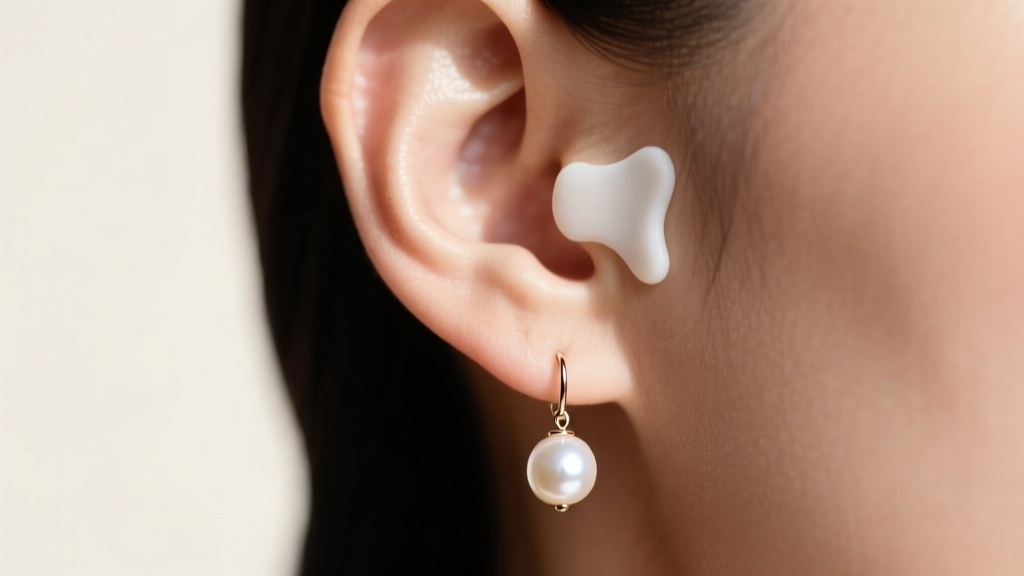
While the Iris Pearl Earrings are relatively lightweight compared to heavy chandelier styles, an 8.5-gram weight suspended 25mm below the piercing creates enough torque to cause lobe fatigue or 'forward tilt' over a 10-hour wedding day. To mitigate this, we strongly recommend pairing the 20-gauge posts with jumbo silicone friction clutches or adhesive earlobe support patches (such as Lobe Wonder). These patches distribute the compressive force across a 15mm diameter area of the posterior lobule, effectively neutralizing the shear stress and keeping the iris motif perfectly perpendicular to the face.
Failure Modes and Long-Term Maintenance Protocols
Even luxury fashion jewelry is subject to material degradation if improperly maintained. Based on our technical analysis, here are the primary failure modes associated with the Jennifer Behr Iris Pearl Earrings and the exact protocols to prevent them.
1. Ultrasonic Cavitation Damage
The Risk: Using ultrasonic jewelry cleaners. The high-frequency sound waves create microscopic cavitation bubbles that implode against the surface of the pearls. Because pearls rank at a mere 2.5 to 3.0 on the Mohs hardness scale, this implosion force will instantly strip the outer layers of nacre, destroying the luster and leaving a dull, chalky surface.
The Protocol: Clean only with a damp, lint-free microfiber cloth. If the brass settings accumulate skin oils, use a cotton swab lightly dampened with distilled water and a pH-neutral soap, carefully avoiding the pearl surface.
2. Galvanic Corrosion and Tarnish
The Risk: Storing the earrings in high-humidity environments (like a bathroom) or leaving them exposed to sulfur compounds in the air, which can penetrate microscopic pores in the gold plating and tarnish the underlying brass.
The Protocol: As recommended by the Jennifer Behr Official Care Guide, always store the earrings in their original anti-tarnish pouch. For added protection, include a silica gel desiccant packet and a 3M anti-tarnish strip in the storage box to absorb ambient moisture and neutralize sulfur gases.
Expert Troubleshooting Tip: If the gold plating begins to show micro-scratches from contact with diamond rings or harder gemstones, do not attempt to polish it with a jeweler's rouge cloth. Polishing compounds are abrasive and will strip the 1.5-micron gold layer entirely, exposing the brass. Instead, rely on professional re-plating services if the wear becomes severe.
Final Verdict: Investment Value and Styling Matrix
The Jennifer Behr Iris Pearl Earrings represent a masterclass in balancing aesthetic romance with structural integrity. The decision to utilize a brass core allows for intricate, lightweight floral casting that would be prohibitively expensive and overly heavy if executed in solid gold. Meanwhile, the integration of AAA-grade freshwater pearls and mechanically set crystals ensures the piece withstands the rigors of a high-motion event.
From a styling perspective, the 25mm drop length and spherical pearl geometry make these earrings universally flattering. They provide necessary verticality for round and square face shapes, while the soft, organic curves of the iris motif complement the sharp angles of heart and diamond face shapes. When supported by proper ergonomic clutches and maintained with strict, non-abrasive cleaning protocols, these earrings will retain their optical brilliance and structural fidelity for decades, cementing their status as a technically sound luxury investment.


