How to Choose Blue Sapphire Drop Earrings: A Beginner's Guide
Discover how to choose the perfect blue sapphire drop earrings. Learn about gem treatments, metal pairings, and styling tips in our beginner guide.

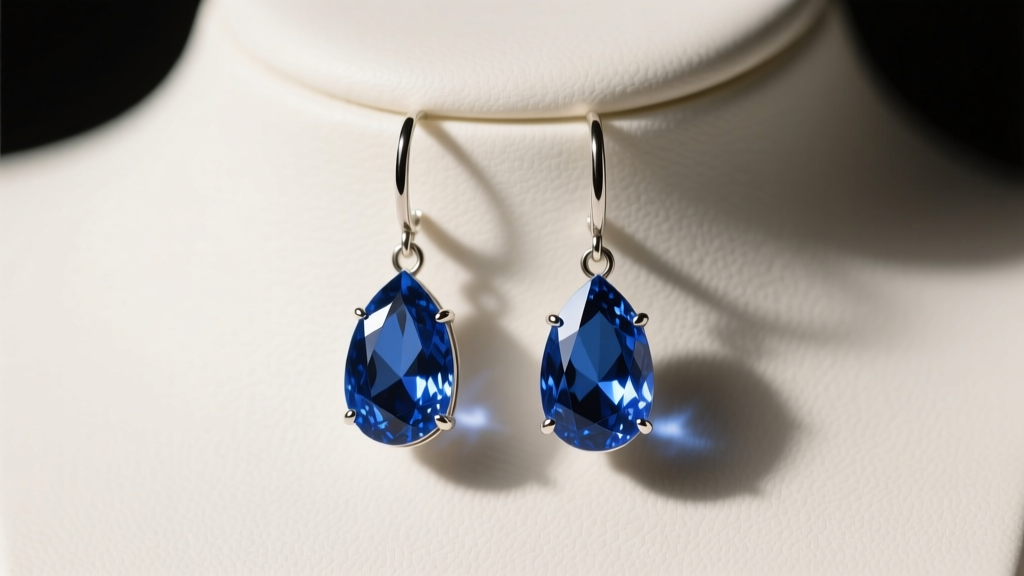
The Ultimate Beginner's Guide to Blue Sapphire Drop Earrings
If you are stepping into the world of fine jewelry, blue sapphire drop earrings are one of the most rewarding investments you can make. Unlike studs that sit flush against the earlobe, drop earrings feature a gemstone or metal element that dangles just below the ear, catching the light with every movement. Sapphires, ranking at a 9 on the Mohs scale of hardness, offer exceptional durability for everyday wear, second only to diamonds. However, navigating the market can be overwhelming for newcomers. Between natural, lab-grown, and heated stones, the terminology often feels like a secret language. This guide strips away the jargon, providing you with actionable, expert-level frameworks to confidently select a pair of blue sapphire drop earrings that fit your budget, style, and anatomy.
Decoding Sapphire Quality: What Beginners Must Know
When shopping for diamonds, buyers are taught to obsess over clarity. In the colored gemstone world, and specifically for sapphires, color is king. The most prized sapphires exhibit a vivid, highly saturated medium-dark blue. In the trade, you will frequently encounter two highly sought-after color designations:
- Cornflower Blue: A lighter, velvety, medium-light blue often associated with Kashmir-origin sapphires.
- Royal Blue: A deeper, more intense, and slightly darker blue that commands premium pricing in today's market.
According to the Gemological Institute of America (GIA), tone and saturation are the primary drivers of value. Avoid stones that appear 'inky' or black in low light, as they lack the necessary light return to sparkle. Furthermore, do not be alarmed by inclusions. Sapphires naturally form with internal characteristics known as 'silk' (rutile needles). In fact, a completely flawless natural sapphire is exceedingly rare and should immediately prompt a request for a gemological certificate to rule out synthetic glass or spinel imitations.
Natural vs. Treated vs. Lab-Created
Understanding treatments is the single most important financial decision you will make. Approximately 95% of natural sapphires on the market are heat-treated to improve their color and clarity. This is a permanent, universally accepted practice that does not diminish the stone's structural integrity. However, unheated natural sapphires with excellent color carry a massive rarity premium. If you are a beginner working within a standard budget, lab-created sapphires offer a brilliant alternative. Grown via the Verneuil (flame fusion) or Czochralski methods, these stones share the exact chemical composition (aluminum oxide) as mined stones but cost a fraction of the price, allowing you to purchase larger carat weights for your drop settings.
Choosing the Right Metal Setting
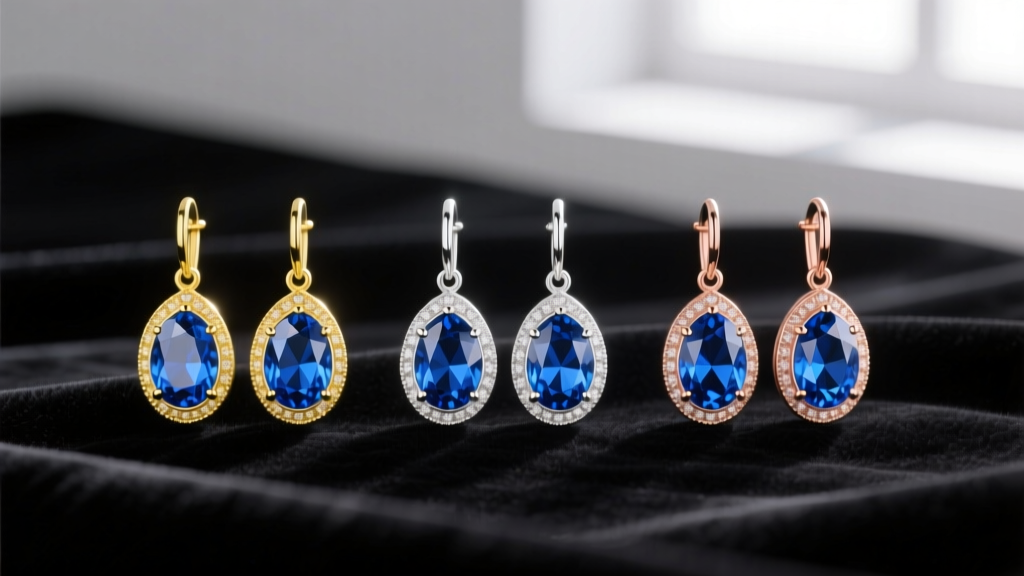
The metal you choose for your blue sapphire drop earrings dramatically alters their visual temperature and maintenance requirements. Because drop earrings swing and catch ambient light, the metal's reflectivity plays a major role in the overall presentation. Below is a breakdown of the most common precious metals used in sapphire settings.
| Metal Type | Visual Effect | Durability & Maintenance | Average Price Premium |
|---|---|---|---|
| 14k White Gold | Crisp, modern contrast; enhances the cool tones of the blue sapphire. | Requires rhodium re-plating every 1-2 years to prevent yellowing. | Base / Standard |
| 18k Yellow Gold | Warm, vintage aesthetic; creates a striking complementary color contrast. | Softer than 14k; prongs may require annual tightening by a jeweler. | +15% to +25% |
| Platinum (950) | Naturally white, heavy, and luxurious; does not tarnish or fade. | Extremely durable; develops a natural patina over time but loses no metal. | +40% to +60% |
For drop earrings specifically, 14k white gold or platinum is often recommended by jewelers. The structural rigidity of these metals ensures that the prongs holding the sapphire remain secure against the kinetic stress of a dangling earring.
Proportions and Face Shapes
Drop earrings are a powerful tool for balancing facial proportions. Because they draw the eye vertically, the length of the drop should be chosen based on your face shape:
- Round Faces: Opt for long, linear blue sapphire drop earrings (1.5 to 2.5 inches). The vertical elongation helps slim and balance the width of the cheeks.
- Square Faces: Choose drops with curved elements or pear-shaped sapphires. Avoid harsh geometric angles, which can exaggerate a strong jawline.
- Heart-Shaped Faces: Teardrop or chandelier-style drops that are wider at the bottom help add visual weight to a narrower chin.
- Oval Faces: You have the most versatility. Medium-length drops (0.75 to 1.25 inches) will highlight your natural symmetry without overwhelming your features.
Earring Backs and Security: A Crucial Detail
Beginners often overlook the earring back, but for drop earrings, it is a critical point of failure. Sapphires are dense gemstones; a pair of 2-carat sapphire drops set in platinum can easily weigh over 8 grams. Standard friction posts (butterfly backs) are insufficient for this weight and will cause the earring to droop forward, ruining the drape and increasing the risk of loss.
The Best Closures for Drop Earrings
When reviewing product specifications, look for these secure closure types:
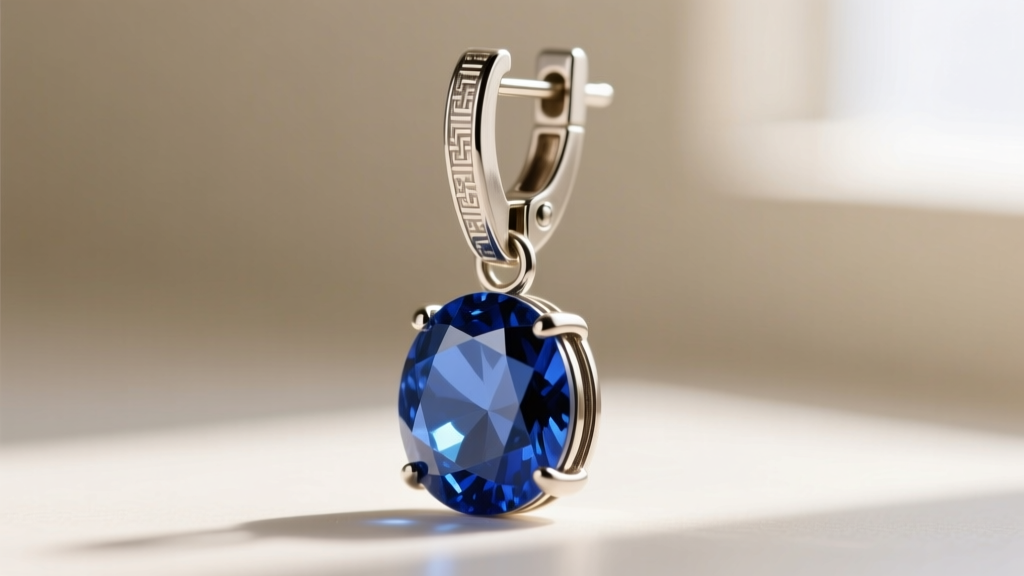
- Leverbacks: The gold standard for drop earrings. A hinged wire snaps securely into a catch at the back of the ear, completely enclosing the earlobe. This prevents the earring from being pulled off by hair or clothing.
- Shepherd Hooks with Silicone Stoppers: A classic fish-hook wire paired with a high-friction silicone o-ring stopper. This is a cost-effective and highly secure method favored by modern artisans.
- Omega Backs: Often used for heavier, wider drops, these feature a hinged paddle that clips firmly against the post, distributing the weight across a larger surface area of the earlobe.
Additionally, pay attention to the wire gauge. The International Gem Society notes that wire thickness affects both comfort and strength. For lightweight drops, a 21-gauge wire is standard and fits most piercings. For heavy sapphire drops, ensure the jeweler uses a thicker 19-gauge or 18-gauge wire to prevent the metal from bending under the gemstone's weight.
Real-World Pricing: What Should You Pay?
To avoid overpaying, it is essential to understand the pricing tiers for blue sapphire drop earrings in the current market. Prices below represent a standard pair (totaling 1.5 to 2.0 carats of sapphire) set in 14k gold.
- Lab-Created Sapphires: $150 – $400. Ideal for trendy, oversized drops or travelers who want high-impact jewelry without the insurance anxiety.
- Heated Natural Sapphires: $600 – $2,500. The sweet spot for fine jewelry buyers. You get genuine, earth-mined stones with excellent color and clarity.
- Unheated Natural Sapphires: $3,500 – $10,000+. Reserved for serious collectors and investment-grade jewelry. Always requires a certificate from a reputable lab like GIA or AGL.
Expert Tip: If a seller offers 'natural, unheated' sapphire drop earrings for under $500, walk away. The colored gemstone market is highly efficient, and true unheated material commands a strict premium.
Caring for Your Sapphire Drops
While sapphires are incredibly hard, the metal settings and the accumulated oils from your skin can dull their brilliance. Because drop earrings swing near the neck and hair, they are prone to catching hairspray, perfume, and skin oils. Clean your earrings bi-weekly using a simple solution of warm water and a few drops of mild dish soap. Use a soft-bristled baby toothbrush to gently scrub the pavilion (the underside) of the sapphire, where light enters and exits. Never use ultrasonic cleaners on fracture-filled sapphires, and always remove your drop earrings before sleeping to prevent the posts from bending or the prongs from catching on your linens.


