Clasp Hoop Earrings: A Beginner's Guide to Secure Fits
Discover how to choose, wear, and troubleshoot clasp hoop earrings. Learn about gauge sizes, secure hinge types, and hypoallergenic metals for everyday wear.

The Anatomy of a Secure Hoop
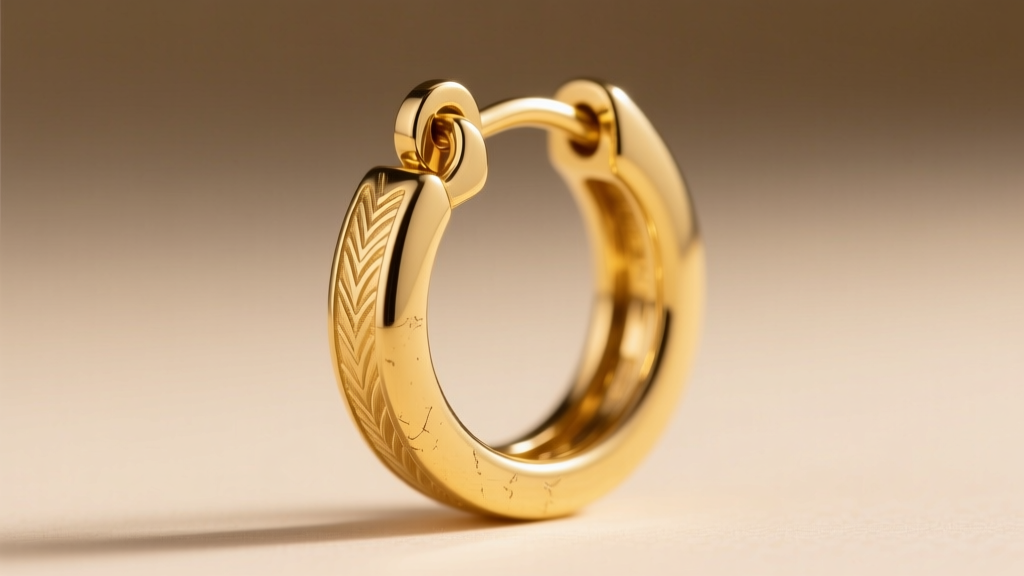
For beginners, the world of hoop earrings can feel surprisingly complex. While studs simply push and secure with a backing, hoops rely on integrated mechanical clasps to stay attached to your ear. A failed clasp doesn't just mean a lost earring; it can mean a torn piercing or a swallowed piece of precious metal. Understanding the mechanics of clasp hoop earrings is the first step to wearing them with absolute confidence.
Every secure hoop relies on three main components: the wire (the part that passes through the fistula), the hinge (the pivot point), and the catch (the locking mechanism). The male end of the clasp is typically the tapered or notched wire, while the female end is the hollow tube or grooved catch. When you close a high-quality hoop, you should hear and feel a distinct "click." This auditory cue confirms that the tension of the hinge is properly calibrated and the male end has fully seated into the female catch, creating a continuous, secure circle.
Clasp Types Compared: Which is Right for You?
Not all clasps are created equal. The jewelry industry utilizes several distinct hinge and locking mechanisms, each suited for different piercing placements and hoop diameters. Choosing the wrong clasp type for your specific anatomy or lifestyle is the leading cause of lost earrings among beginners.
| Clasp Type | Mechanism | Security Level | Best Placement | Common Failure Mode |
|---|---|---|---|---|
| Hinged Snap (Leverback) | Wire snaps into a hollow U-shaped catch. | High | Standard Lobes | Catch bends outward if pulled. |
| Click-Top (Segment) | Hinged segment clicks into a curved groove. | Medium-High | Cartilage, Helix, Lobes | Sebum buildup prevents full closure. |
| Latch-Back | Post hooks over a saddle and locks underneath. | Medium | Large Statement Hoops | Hook snags on hair or clothing. |
| Continuous (Endless) | Thin wire slides into a hollow tube. | Low (for beginners) | Healing piercings, Sleepers | Wire slips out if tension is lost. |
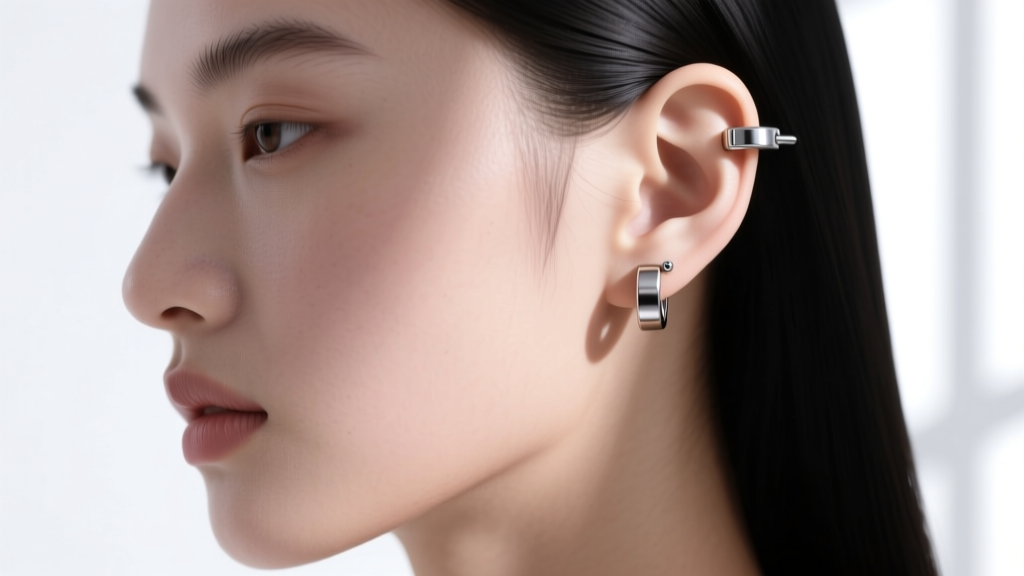
For everyday lobe wear, the hinged snap is the gold standard. It offers a low profile and excellent security. For cartilage piercings, where space is limited and angles are awkward, click-top segment rings provide a seamless look without the protruding post of a traditional latch-back.
The "Wobble Effect": Why Gauge Size Matters
One of the most frequent reasons beginners lose their hoops has nothing to do with the clasp itself, but rather the thickness of the wire. This is known in the piercing community as the "Wobble Effect."
Earring thickness is measured in gauges (G). The standard sizes are:
- 20G (0.81mm): Standard for basic commercial lobe earrings.
- 18G (1.02mm): Common for professional lobe piercings and some cartilage.
- 16G (1.29mm): The standard for most cartilage, helix, and tragus piercings.
- 14G (1.60mm): Used for thicker cartilage or conch piercings.
If your piercing was done with an 18G needle, but you wear a 20G hoop, there is a 0.21mm gap between the wire and your tissue. This gap allows the hoop to slide laterally and rotate freely. When a heavy hoop swings, that lateral momentum transfers directly to the clasp, acting like a tiny crowbar prying the male and female ends apart. Always match your hoop gauge to your piercing gauge. If you are unsure of your size, visit a professional piercer to have your fistula measured with a taper before purchasing expensive clasp hoop earrings.
Material Safety: Protecting Your Piercings
Because the clasp sits directly inside or immediately adjacent to the sensitive fistula (the piercing channel), material biocompatibility is non-negotiable. The constant friction of the hinge and catch against healing or sensitive tissue can trigger severe reactions if the metal is substandard.
"The clasp mechanism is a high-friction zone. Micro-abrasions from a rough catch can introduce nickel ions directly into the bloodstream, triggering contact dermatitis even in those with mild sensitivities." — Insights derived from the Association of Professional Piercers (APP) material guidelines.
For beginners with sensitive ears, stick to these proven materials:
- Implant-Grade Titanium (ASTM F-136): The absolute best choice. It is entirely nickel-free, lightweight, and highly polished.
- Niobium: A reactive metal that is hypoallergenic and can be anodized to various colors.
- 14k or 18k Solid Gold: Ensure it is nickel-free and alloyed for biocompatibility. Avoid gold-plated hoops, as the plating will quickly wear off at the friction point of the clasp.
Avoid generic "surgical steel" (often 316L), as it contains up to 10% nickel. According to the Gemological Institute of America (GIA), nickel allergies are the most common jewelry-related skin reaction, and the mechanical wear of a clasp accelerates nickel exposure.
Troubleshooting: When the Clasp Fails
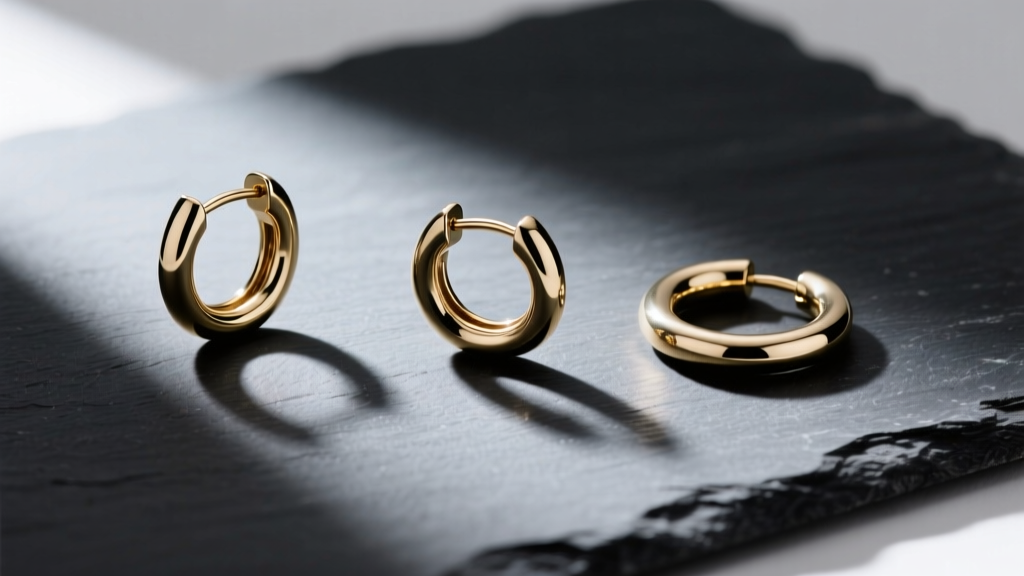
Don't throw away a favorite pair of hoops just because the clasp feels loose. In 90% of cases, clasp failure is a maintenance issue, not a structural defect. Here is how to troubleshoot the most common problems:
1. The Hoop Won't "Click" Shut
The Cause: Sebum (skin oils), dead skin cells, and lotion buildup inside the female catch. This debris acts as a cushion, preventing the male wire from seating fully.
The Fix: Soak the earring in 70% isopropyl alcohol for 10 minutes. Use a clean, soft-bristled baby toothbrush to gently scrub the inside of the catch. Rinse with distilled water and dry completely. The click should return immediately.
2. The Clasp Pops Open Randomly
The Cause: The hinge tension has relaxed over time, or the wire is slightly bent.
The Fix: Do not use pliers to squeeze the clasp shut. Pliers will work-harden the metal, making it brittle and prone to snapping. Instead, take the earring to a local jeweler. They can use specialized nylon-jaw pliers to gently re-tension the hinge or slightly adjust the angle of the male post without damaging the metal's structural integrity.
3. The Hinge Feels Stiff or Squeaks
The Cause: Micro-corrosion or lack of lubrication in the hinge pin.
The Fix: Apply a microscopic drop of jojoba oil or vitamin E oil to the hinge pin. Open and close the clasp a dozen times to work the oil into the joint, then wipe away any excess to prevent attracting dust.
Final Best Practices for Beginners
Mastering clasp hoop earrings comes down to mindful wear and proper handling. Always open and close your hoops by the hinge, never by pulling the wire away from the catch, which warps the circle. Take your hoops out before sleeping to prevent the pillow from bending the wire and stressing the clasp. Finally, when inserting the hoop, ensure your hands are clean and the piercing is fully dry, as moisture can make the small clasp components slippery and difficult to align. By respecting the mechanics and materials of your jewelry, your hoops will remain secure, comfortable, and beautiful for years to come.


