The Beginner's Guide to Buying Emerald Hoop Earrings
Discover everything you need to know about emerald hoop earrings. Learn about gauge sizes, gemstone quality, pricing, and essential care tips.

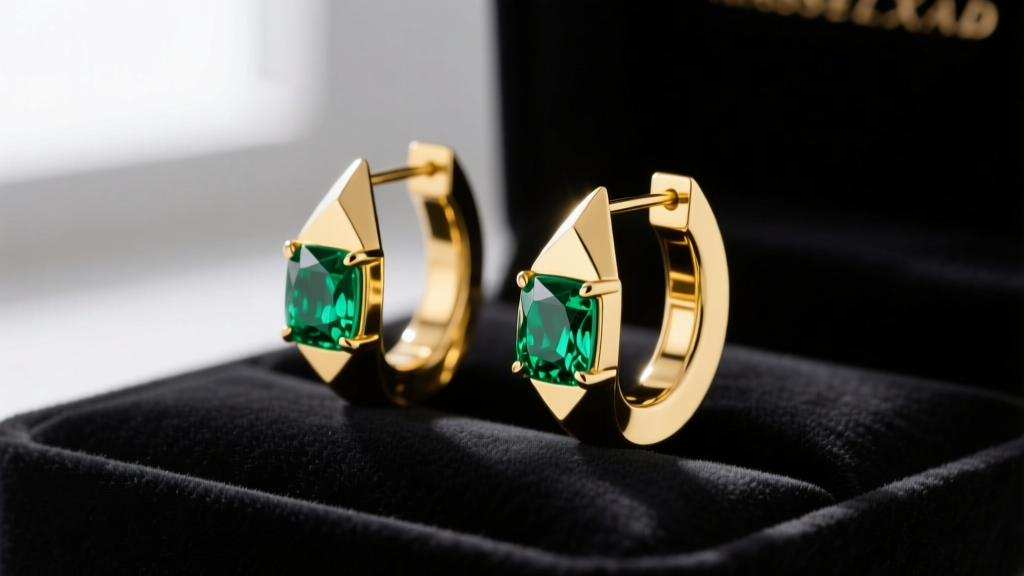
Emerald hoop earrings represent a masterful collision of timeless silhouette and vibrant, organic color. While the classic metal hoop has been a jewelry box staple for centuries, integrating the lush green hues of emeralds transforms a simple accessory into a statement of refined luxury. However, navigating the intersection of gemology and metallurgy can be daunting for first-time buyers. As of 2026, the market is flooded with everything from hydrothermal lab-grown stones to heavily treated natural gems, making it crucial to understand exactly what you are purchasing.
This beginner-friendly explainer will demystify the buying process. We will break down gauge thicknesses, decode emerald clarity standards, compare closure mechanisms, and provide a strict care regimen to ensure your investment lasts a lifetime.
The Anatomy of the Hoop: Sizing and Gauge Thickness
Before evaluating the gemstones, you must understand the structural foundation of the earring. The comfort and longevity of your hoops depend heavily on two metrics: inner diameter (ID) and wire gauge.
Inner Diameter (ID) Guide
- Huggies (8mm - 12mm ID): Designed to 'hug' the earlobe. These are ideal for smaller, accent emeralds and offer a minimalist, everyday aesthetic.
- Standard Hoops (15mm - 25mm ID): The most versatile category. A 20mm hoop provides enough surface area to showcase a prominent emerald drop or a continuous channel of pave-set stones.
- Statement Hoops (30mm+ ID): Bold and heavy. These require lightweight gemstone settings to prevent the earlobe from stretching over time.
Wire Gauge and Piercing Health
The 'gauge' refers to the thickness of the metal wire that passes through your piercing. Most standard fashion hoops are crafted at 20-gauge (0.8mm). While lightweight, 20g wire can act like a cheese cutter on the earlobe if the emerald setting is heavy, leading to migration or tearing. For emerald hoops, which carry extra weight from the gemstones and metal bezels, upgrading to an 18-gauge (1.0mm) or even 16-gauge (1.2mm) post is highly recommended. This provides structural integrity and distributes the weight more evenly across the fistula.
Decoding Emerald Quality: A Beginner’s Cheat Sheet
Evaluating emeralds requires a different mindset than evaluating diamonds. According to the Gemological Institute of America (GIA), color is the single most critical value factor for emeralds, far outweighing clarity.
Color: The 'Green Fire'
The most prized emeralds exhibit a bluish-green to pure green hue with vivid saturation. Avoid stones that are too yellowish or too dark, as they will appear muddy when set in small hoop accents. Look for the term 'Muzo Green' (a Colombian trade term) or 'Zambian' emeralds, which are famous for their deep, slightly bluish, highly saturated tones.
Clarity and 'Jardin'
Unlike diamonds, where flawless clarity is the goal, emeralds are expected to have inclusions. The French call these internal fractures and mineral deposits jardin (garden) because they resemble moss or plant foliage.
Expert Insight: A completely 'clean' natural emerald is exceptionally rare and prohibitively expensive for most jewelry buyers. If a budget-friendly natural emerald hoop claims to be flawless, it is likely glass or synthetic beryl. Always ask for a gemological report for stones over 1.0 carat.
The Reality of Oiling
Because of their inherent fracturing, nearly 90% of natural emeralds on the market are treated with cedar oil or synthetic resins (like Opticon) to improve clarity and stability. This is an accepted industry practice, but it drastically impacts how you must care for the earrings, which we will cover later.
Setting Styles and Closure Mechanics
Emeralds rank between 7.5 and 8 on the Mohs hardness scale, but they possess poor toughness due to their internal inclusions. This makes them highly susceptible to chipping if they strike a hard surface.
Prong vs. Bezel Settings
While prong settings allow maximum light to enter the stone, they leave the vulnerable corners of an emerald exposed. For hoop earrings—which naturally swing and bump against hair, phones, and clothing—a bezel setting (where a rim of metal completely encircles the gemstone) is vastly superior. A bezel not only protects the stone's edges but also provides a sleek, modern frame that enhances the green color through metal reflection.
Clicker vs. Latch-Back Closures
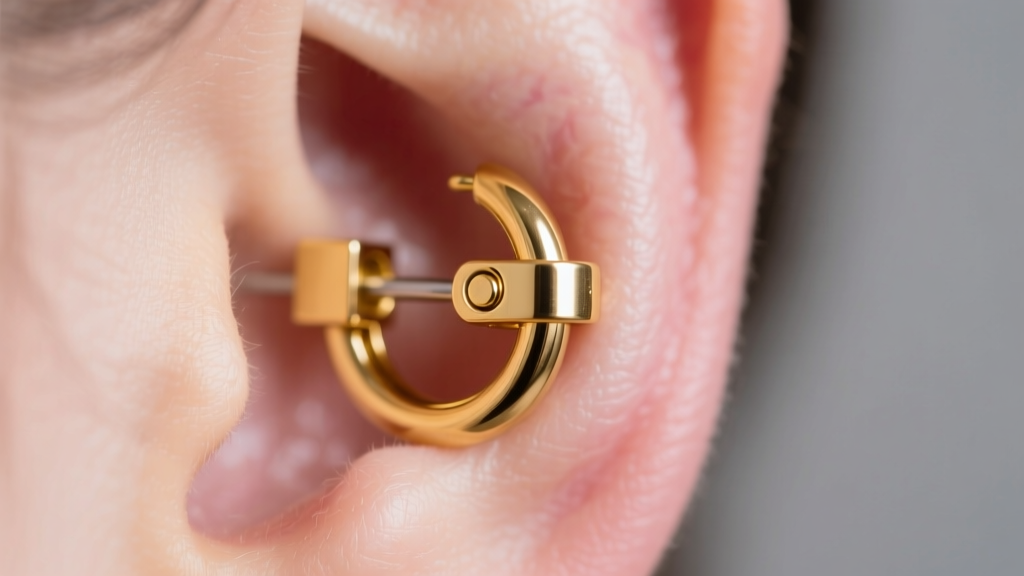
Traditional latch-back hoops feature a hinged post that clicks into a V-shaped notch. These are notorious for catching in long hair and pulling the earring open. Modern clicker closures utilize a continuous, hinged segment that snaps shut with a satisfying 'click', creating a seamless ring that is virtually impossible to pull open accidentally. When buying emerald hoops, always prioritize clicker or continuous hoop mechanisms for security.
Natural vs. Lab-Grown: Pricing and Value Matrix
The rise of advanced hydrothermal synthesis has revolutionized the emerald market. Lab-grown emeralds share the exact same chemical composition (beryllium aluminum silicate) and physical properties as natural stones, but they are grown in controlled environments, resulting in fewer inclusions and lower prices.
| Feature | Natural Emerald (Minor Oil) | Lab-Grown (Hydrothermal) | Natural Emerald (Untreated) |
|---|---|---|---|
| Price Range (per pair) | $400 - $2,500+ | $150 - $600 | $3,000 - $15,000+ |
| Clarity | Visible Jardin (Inclusions) | Eye-Clean to Very Slight | Heavy Jardin |
| Durability | Moderate (Requires Care) | High (Fewer Fractures) | Low to Moderate (Brittle) |
| Resale Value | High (With Certification) | Low (Retail Value Only) | Exceptional (Investment Grade) |
For beginners looking for vibrant, durable emerald hoop earrings for daily wear, lab-grown hydrothermal emeralds offer the best intersection of beauty, structural integrity, and affordability. The American Gem Society notes that lab-grown stones are an excellent ethical and financial alternative for fashion-forward jewelry pieces.
Critical Care Rules: What NOT to Do
The most common way beginners ruin their emerald jewelry is through improper cleaning. Because natural emeralds are fracture-filled with oils, exposing them to heat, harsh chemicals, or ultrasonic vibrations will draw the oil out, leaving the stone looking cloudy, white, and heavily fractured.
The Golden Rules of Emerald Maintenance
- NEVER use an ultrasonic cleaner: The high-frequency vibrations will shatter the internal inclusions of the emerald.
- NEVER use steam cleaners: Heat will melt or evaporate the cedar oil filling the stone's natural fissures.
- AVOID harsh chemicals: Remove your hoops before swimming in chlorinated pools or using household cleaning sprays, which can degrade the metal settings and strip the gemstone oils.
The Safe Cleaning Method
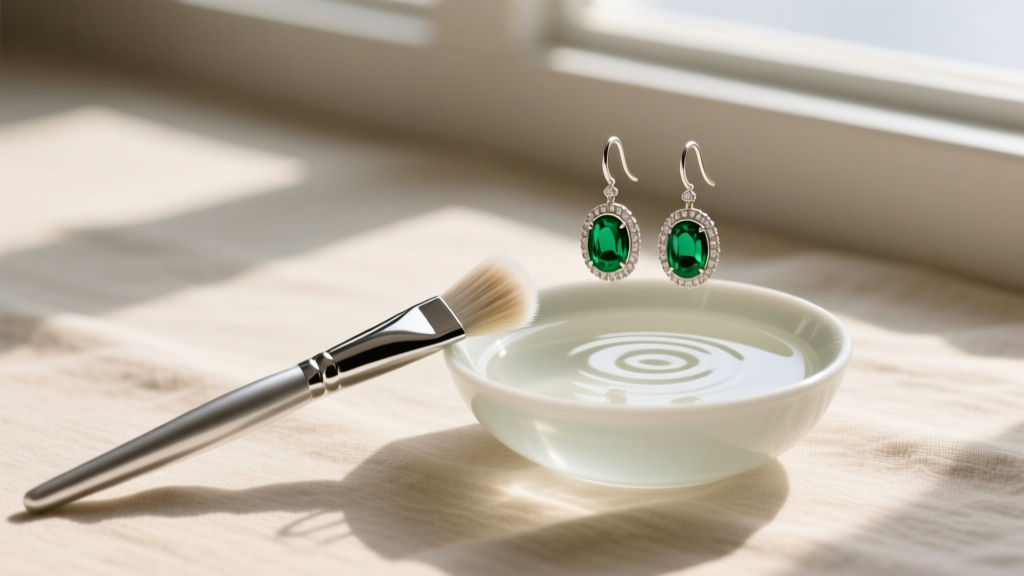
To clean your emerald hoops, mix a few drops of mild, non-detergent dish soap (like Dawn) into a bowl of lukewarm water. Let the earrings soak for no more than 3 to 5 minutes. Gently scrub the back of the settings and the metal hoops with a baby toothbrush or a specialized soft jewelry brush. Rinse under a gentle stream of lukewarm water, and pat dry with a microfiber cloth. If your natural emeralds begin to look dull after a few years, take them to a professional jeweler to have them safely 're-oiled'.
Final Thoughts on Styling
Emerald hoop earrings are remarkably versatile. A pair of 12mm 18k yellow gold huggies with bezel-set emeralds pairs effortlessly with casual denim and a blazer for the office, while 25mm white gold hoops featuring emerald pavé transitions seamlessly into evening wear. By prioritizing an 18-gauge thickness, opting for protective bezel settings, and strictly avoiding ultrasonic cleaners, your emerald hoops will remain a vibrant, structural masterpiece in your collection for decades to come.


