Lion Door Knocker Earrings: A Beginner's Style Guide
Discover how to wear lion door knocker earrings with confidence. Learn about weight, materials, backing types, and face-shape styling in this beginner guide.

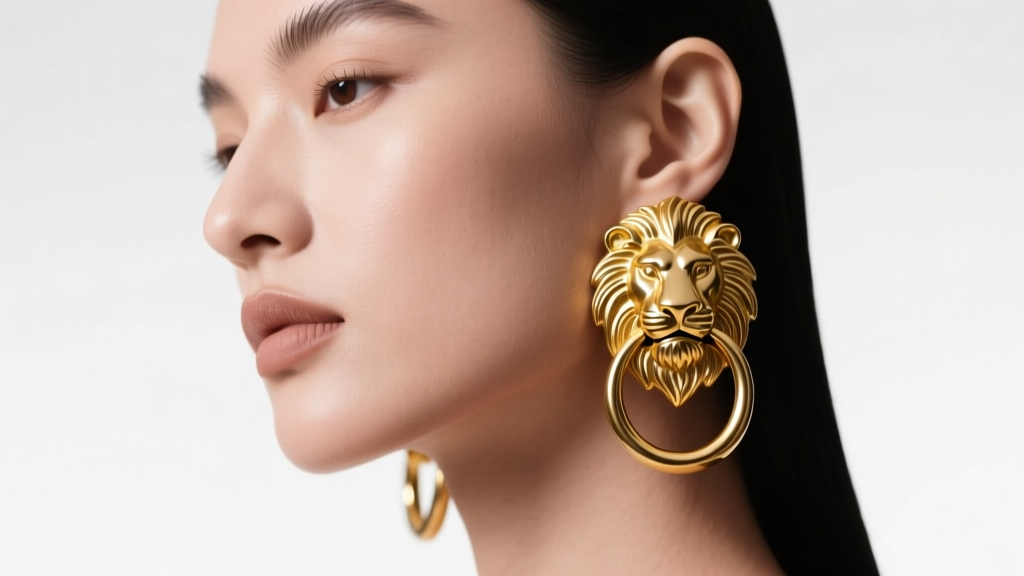
The Cultural and Stylistic Roots of the Lion Door Knocker
Door knocker earrings are far more than a fleeting trend; they are a cornerstone of streetwear and hip-hop fashion history. Emerging prominently in the 1980s and 1990s, popularized by iconic groups like Salt-N-Pepa and deeply rooted in Black and Latina urban culture, door knockers represent boldness, resilience, and unapologetic self-expression. The specific variation known as lion door knocker earrings adds a layer of regal symbolism. The lion motif draws heavily from Afrocentric pride, representing strength, royalty, and leadership. For beginners looking to adopt this statement piece, understanding the cultural weight and stylistic mechanics of the earring is just as important as knowing how to wear it. This guide breaks down everything you need to know about selecting, securing, and styling lion door knockers without compromising your ear health or personal aesthetic.
Anatomy of the Earring: Face, Hinge, and Ring
Before purchasing your first pair, it is crucial to understand the three distinct components that dictate the quality and movement of the earring. A poorly constructed door knocker will pinch your hair, tarnish quickly, or fail to swing properly.
- The Face (The Lion Head): This is the stationary front piece. High-quality pairs feature a deeply cast or stamped lion face with intricate mane detailing. Cheaper versions may use flat enamel fills or lack depth, making the lion look two-dimensional.
- The Hinge Mechanism: This connects the face to the swinging ring. Barrel hinges are the gold standard for door knockers because they enclose the pivot point, preventing hair from getting caught and ensuring a smooth, satisfying swing. Avoid simple jump-ring hinges, which easily bend and pinch the skin.
- The Knocker (The Ring): The ring that hangs and moves. It should have enough weight to swing freely but not so much that it drags the earlobe downward. The inner diameter of the ring typically ranges from 1.5 to 2.5 inches.
The Physics of Heavy Jewelry: Gauge and Weight
The most common mistake beginners make with lion door knocker earrings is ignoring the post gauge (thickness) relative to the earring's weight. Standard fashion earrings usually feature a 20-gauge (0.8mm) or 22-gauge (0.6mm) post. When you hang a 15-gram brass lion head and ring from a 20-gauge wire, you create the 'cheese wire effect.' Over time, the thin metal will slowly slice through your earlobe tissue, causing permanent stretching or tearing.
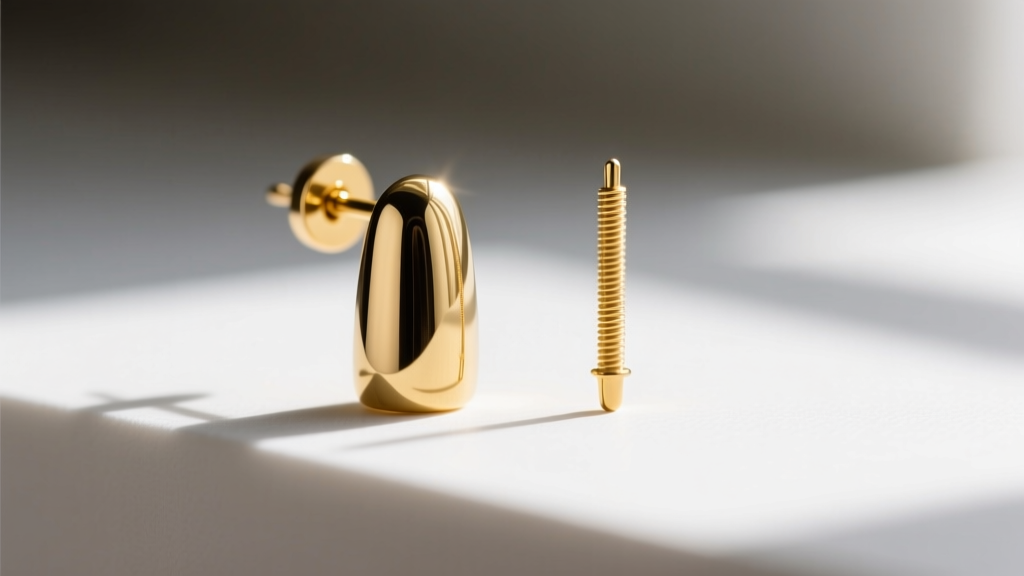
For any door knocker weighing over 10 grams per earring, you must look for a minimum of 18-gauge (1.0mm), with 16-gauge (1.2mm) being the ideal standard for long-term lobe health. Below is a breakdown of common materials used for lion door knockers and how they impact weight and pricing.
| Material Composition | Average Weight (Per Pair) | Estimated Price Range | Pros & Cons |
|---|---|---|---|
| Solid 14k Yellow Gold | 18g - 28g | $1,200 - $3,500+ | Pro: Heirloom quality, hypoallergenic, retains value. Con: Extremely heavy, requires 14g posts, high cost. |
| Gold-Plated Brass | 14g - 22g | $45 - $150 | Pro: Authentic heavy feel, affordable, great swing. Con: Plating wears off, high risk of nickel exposure. |
| Hollow Electroformed Gold | 6g - 10g | $200 - $600 | Pro: Oversized look without the heavy drag on lobes. Con: Dents very easily, nearly impossible to repair. |
| 316L Surgical Steel (PVD Gold) | 12g - 18g | $30 - $90 | Pro: Highly hypoallergenic, durable, waterproof. Con: PVD gold color lacks the warm, rich depth of real gold. |
Securing the Statement: Backings That Actually Work
The standard 'butterfly' friction back that comes with most jewelry is entirely inadequate for lion door knocker earrings. The surface area is too small, meaning the heavy earring will tilt forward, putting uneven pressure on the piercing hole and causing the backing to slip off. To secure heavy knockers, you need to upgrade your backing system.
Jumbo Friction Backs and Silicone Stabilizers
Invest in jumbo butterfly backs that measure at least 10mm to 12mm in diameter. The wider surface area distributes the weight evenly against the back of your earlobe, keeping the lion face perfectly upright. Alternatively, clear silicone stabilizer discs (often sold under brand names like Ovalia) are a game-changer. These flat, wide discs slide onto the post and sit flush against the ear, providing maximum support while remaining virtually invisible. If you are buying solid gold or high-end plated pairs, look for jewelers who offer screw-back posts, which physically thread onto the earring post, making it impossible for the earring to fall off accidentally.
Proportions and Face Shapes: A Practical Framework
Lion door knocker earrings are inherently loud, but you can manipulate their visual impact by choosing the right proportions for your face shape. The goal is to create balance, not to let the earrings wear you.
Round and Square Faces
If you have a round or square face shape, your objective is to create vertical elongation and soften angular jawlines. Look for a lion face design that is slightly elongated rather than perfectly circular. Pair this with a smaller, tighter knocker ring (around 1.5 inches in diameter). The vertical drop of the longer lion mane combined with a smaller ring will draw the eye downward, creating a slimming, elongating effect without adding excessive horizontal width to your cheeks.
Oval and Heart Faces
Oval and heart-shaped faces can handle the most dramatic proportions. You can comfortably wear oversized, wide-maned lion heads paired with thick, large-diameter knocker rings (2 inches or more). The width of the larger ring will beautifully balance a narrower chin or a prominent forehead, creating a harmonious, symmetrical frame for your features.
Material Care and Avoiding Contact Dermatitis
Because the earlobe is a sensitive area with high blood flow, heavy earrings that rest against the skin for hours can trigger reactions if the base metal is problematic. The most common culprit in affordable gold-plated brass earrings is nickel, which is often used in the alloy to increase hardness. According to the Mayo Clinic, nickel allergy is one of the leading causes of allergic contact dermatitis, resulting in itching, redness, and blistering where the metal touches the skin.
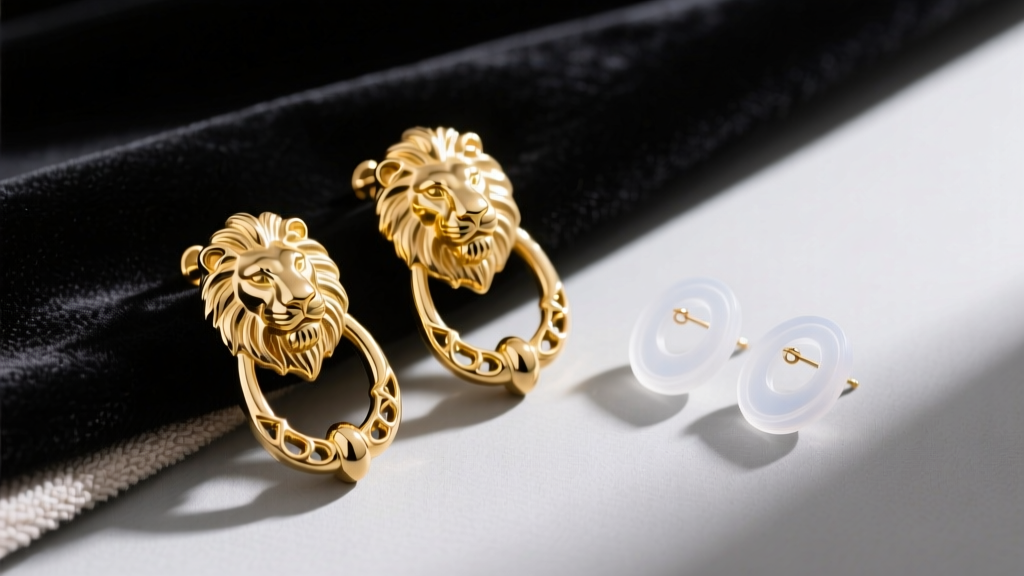
If you have sensitive skin but want the look of gold without the solid gold price tag, opt for 316L surgical stainless steel with PVD (Physical Vapor Deposition) gold plating. PVD coating is vastly superior to traditional electroplating; it is highly resistant to sweat, water, and friction, and the steel base guarantees no nickel exposure. For traditional brass pairs, always remove them before showering or exercising, as the combination of moisture and body heat accelerates the breakdown of the gold plating, exposing the reactive base metals underneath.
Where to Buy: Navigating the Market
When shopping for lion door knocker earrings, avoid fast-fashion retailers where hinge mechanisms are usually flimsy jump-rings and posts are dangerously thin. Instead, look for specialized streetwear jewelers, hip-hop jewelry boutiques (like Icebox or local equivalents), and verified artisans on platforms like Etsy who specialize in custom hip-hop jewelry. Always check the product description for the post gauge size and the hinge type. If a retailer does not list the gauge size, assume it is a standard 20-gauge and proceed with caution if the earrings are heavy. By prioritizing structural integrity and lobe health, you can rock this iconic, regal style with absolute confidence.


