Beginner's Guide to Seal Earrings: Wax Stamps & Motifs
Discover everything about seal earrings, from artisan wax seal signets to marine motifs. Learn about metals, gauges, and styling in this guide.

What Exactly Are Seal Earrings?
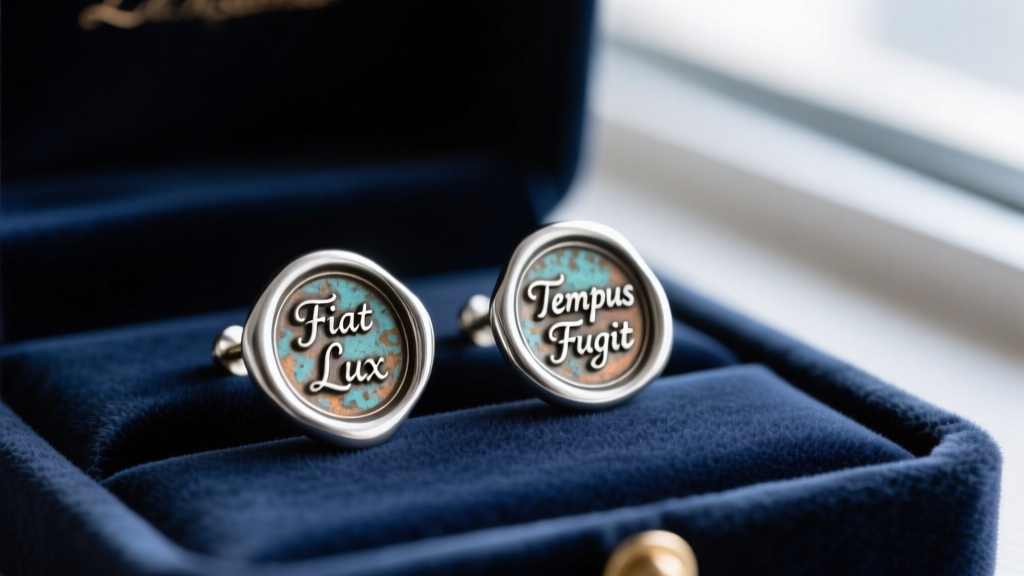
When browsing artisan jewelry markets or curated online boutiques, you will inevitably encounter the term "seal earrings." For beginners, this phrase can be slightly ambiguous. Does it refer to the beloved marine mammal, or does it point to the historical art of wax seal signets? In the contemporary jewelry industry, "seal earrings" predominantly refers to wax seal signet jewelry—charms cast from actual wax impressions, stamped with mottos, initials, or botanical designs. However, marine seal motifs also hold a distinct place in novelty and wildlife-inspired collections. This comprehensive guide breaks down both interpretations, with a heavy emphasis on the metallurgy, sizing, and structural integrity of artisan wax seal earrings to help you make an informed purchase.
The Anatomy of Artisan Wax Seal Earrings
Authentic wax seal earrings are born from the ancient lost-wax casting technique. An artisan begins by carving a design into hard jeweler's wax or pressing a vintage brass seal into soft wax. This wax model is attached to a "sprue" (a wax stem), encased in investment plaster, and placed in a kiln. The heat melts the wax away, leaving a hollow cavity. Molten metal is then injected into this cavity. Once cooled, the plaster is broken away to reveal the metal charm. This process results in a slightly imperfect, organic texture with soft edges that defines the highly sought-after "wax seal" aesthetic. High-end artisans will carefully file down the sprue mark, while mass-produced budget pieces often leave a noticeable bump on the back of the seal.
Understanding Metal Alloys and Patinas
The base metal dictates the longevity, price, and skin-safety of your seal earrings. Here is what you need to look for:
- Sterling Silver (925): The gold standard for artisan seals. According to the Gemological Institute of America (GIA), sterling silver contains 92.5% pure silver and 7.5% copper. Artisans often intentionally oxidize (blacken) the silver and then polish the high spots, creating a high-contrast patina that makes stamped lettering pop. Expect to pay $80 to $180 for quality sterling pieces.
- Brass and Bronze: Popular for budget-friendly, rustic designs ($30–$60). Brass is an alloy of copper and zinc. While beautiful, raw brass will oxidize and can turn your skin green due to the copper content unless it is sealed with a jeweler's lacquer.
- Gold Vermeil: If you want gold seal earrings without the solid gold price tag, look for vermeil. By law, vermeil must be a sterling silver base plated with at least 2.5 microns of 10k or higher gold. Avoid standard "gold-plated" brass, as the thin plating will quickly wear off on the high-relief edges of a wax seal.
The Enamel Factor: Vitreous vs. Cold
Many wax seal earrings feature colored backgrounds behind the raised silver lettering. This is achieved through enamel. Vitreous enamel is powdered glass fired in a kiln at over 1400°F, fusing permanently to the metal. It is highly durable and found in luxury pieces. Cold enamel (often labeled as epoxy or resin) is essentially painted on and air-dried. It is cheaper but highly prone to chipping, yellowing, and peeling away from the metal over time. Always check the product description to confirm which type is used.
Marine Motifs: The Animal Seal Alternative
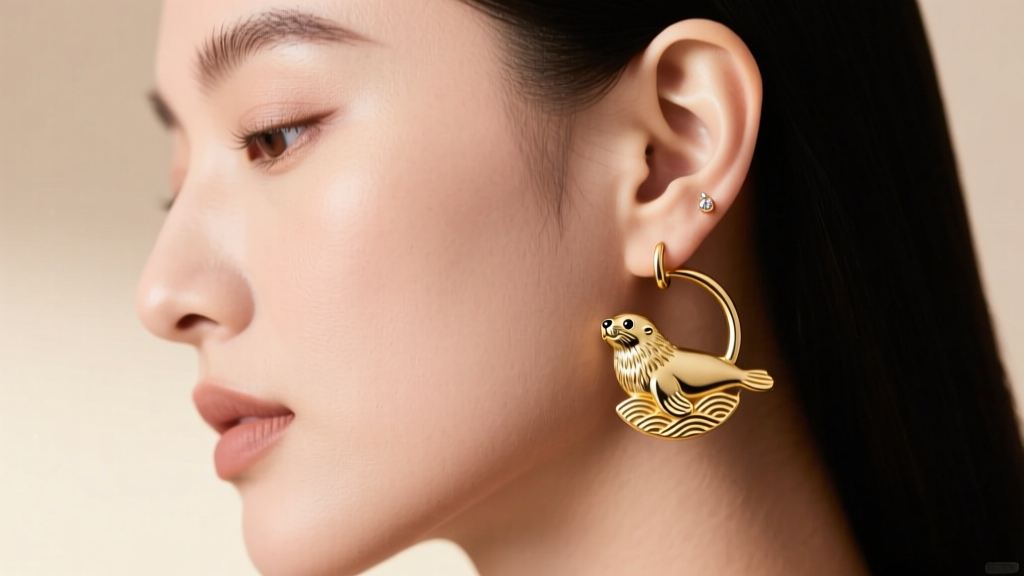
If your search for "seal earrings" was driven by a love for ocean life, marine seal motifs offer a whimsical alternative. These are typically manufactured via die-striking (flat, lightweight sheet metal cut into a seal shape) or 3D casting (solid, rounded baby seal charms). For daily wear, die-struck 14k gold or sterling silver seal studs are ideal because their low profile prevents them from catching on hair or clothing. When buying animal motifs, ensure the eyes and flippers are cast cleanly without sharp metal burrs that could irritate the skin behind your ear.
Gauge Sizing, Weight Limits, and Placement Guide
One of the most common mistakes beginners make is ignoring the weight of a wax seal charm. A standard 12mm wax seal dangle can weigh between 3 to 5 grams, while large statement seals can exceed 12 grams. The Association of Professional Piercers (APP) notes that excessive weight on standard earlobe piercings can lead to tissue fatigue, stretching, and eventual migration of the piercing hole. Always match the earring weight and post gauge to your specific piercing.
| Seal Earring Style | Average Weight | Recommended Gauge | Best Placement |
|---|---|---|---|
| Small Stud Seal (6-8mm) | 1 - 2 grams | 20G - 18G | Standard Lobe, Helix |
| Medium Dangle Seal (10-12mm) | 3 - 5 grams | 18G - 16G | Standard Lobe Only |
| Large Statement Seal (15mm+) | 8 - 14 grams | 16G - 14G | Standard Lobe (Limit wear time) |
Critical Failure Modes in Seal Jewelry
Because wax seal earrings are often heavy and feature dangling components, they are subject to specific structural failure modes. Before purchasing or wearing vintage seals, inspect the following areas:
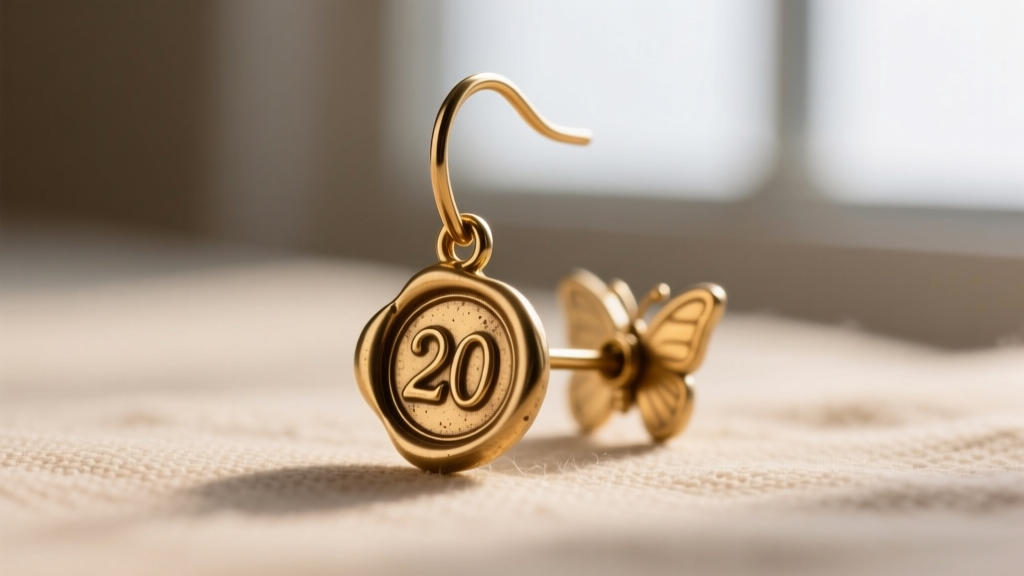
- The Jump Ring Weak Point: The jump ring connects the seal charm to the earring post or hook. If this ring is merely bent closed (unsoldered), the weight of the seal will eventually pull it open, causing you to lose the charm. Always look for soldered closed jump rings on dangle seals.
- Post Shearing: Heavy wax seals placed on thin 20-gauge posts create a fulcrum effect. The leverage of the heavy charm against the thin post can cause the metal to snap or bend permanently. For any seal over 4 grams, a thick 16-gauge or 14-gauge post is mandatory.
- Friction Back Slippage: Standard butterfly friction backs are insufficient for heavy seals. The weight of the charm will cause the earring to droop forward, and the backing will slide off. Opt for secure screw-backs, locking ear wires, or silicone O-rings placed behind the metal backing for added security.
Styling Seal Earrings for Your Face Shape
Wax seal earrings are inherently top-heavy and visually dense. Balancing their proportions with your face shape is key to a polished look:
- Round Faces: Avoid wide, circular seals that mimic your face shape. Instead, opt for elongated, rectangular wax seals or oval seals suspended from long, delicate chains to create a lengthening illusion.
- Square Faces: Soften a strong jawline with circular, botanical wax seals or organic, unevenly shaped signets that draw the eye with curved lines.
- Heart-Shaped Faces: Teardrop-shaped seals or triangular motifs work beautifully, echoing the natural contour of the chin and balancing a wider forehead.
- Oval Faces: You have the versatility to wear almost any seal shape. Try mismatched artisan seals—one featuring an initial, the other a Latin motto—for a modern, eclectic styling approach.
Maintenance: Preserving the Patina
Caring for oxidized sterling silver seal earrings requires a counter-intuitive approach. Never use ultrasonic cleaners or liquid silver dips on intentionally blackened jewelry. These harsh chemicals will strip the oxidized patina from the recessed lettering, leaving you with a flat, blindingly bright silver charm that loses all its legible contrast. Instead, use a dry, untreated microfiber cloth to gently buff only the raised, high-polish edges of the seal. Store your earrings in an anti-tarnish ziplock bag with a silica gel packet to prevent ambient moisture from triggering unwanted, patchy tarnishing on the polished surfaces.


