How Do You Know If Your Earring Is Infected? Signs & Care Guide
Learn how do you know if your earring is infected with our expert guide. Discover clinical signs, cleaning protocols, and when to see a doctor.

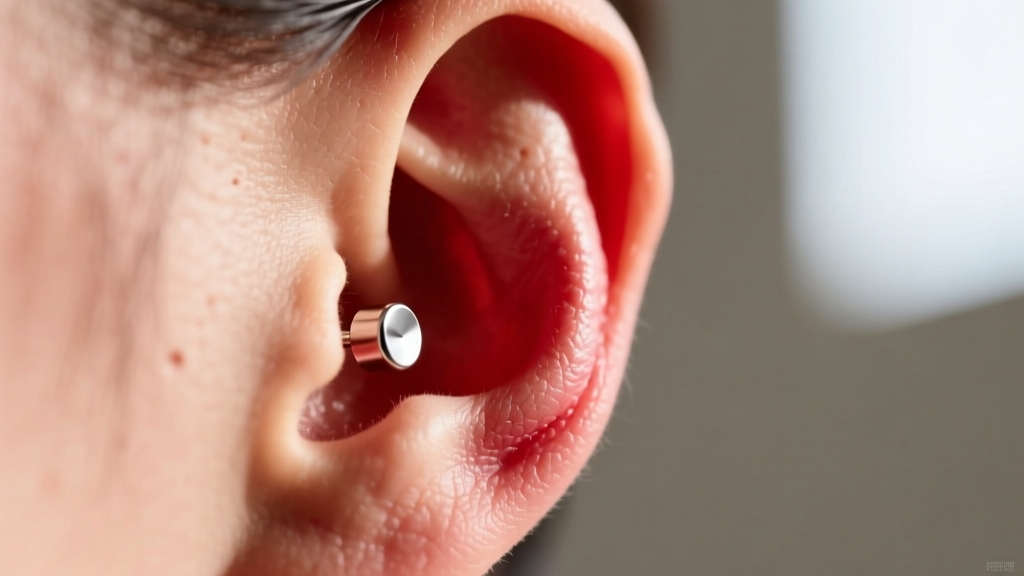
Whether you are navigating the initial healing phase of a fresh piercing or dealing with a sudden flare-up in an established hole, ear health requires vigilance. If you have recently switched jewelry, slept on an awkward angle, or upgraded to a new metal, you might find yourself asking: how do you know if your earring is infected? The line between a minor irritation bump and a genuine bacterial infection is often blurred, leading to improper at-home treatments that can worsen the issue. As of 2026, professional piercers and dermatologists emphasize that understanding the biological signs of infection—and knowing exactly which materials and cleaning agents to use—is the cornerstone of long-term ear health.
The Core Differences: Irritation vs. True Infection
Before panicking, it is crucial to differentiate between mechanical irritation, allergic contact dermatitis, and a true bacterial infection. The vast majority of what people assume is an infection is actually localized trauma or a nickel allergy. Below is a clinical breakdown to help you identify what is happening beneath the skin.
| Condition | Primary Cause | Visual Signs | Discharge Type | Pain Level |
|---|---|---|---|---|
| Mechanical Irritation | Sleeping on the ear, snagging, over-cleaning | Localized bump (hypertrophic scarring), mild redness | Clear or pale white lymph fluid | Tender to the touch, dull ache |
| Allergic Reaction | Nickel or low-grade alloys in the jewelry | Flaky skin, intense itching, widespread redness | Clear, watery weeping | Burning, intense itching |
| Bacterial Infection | Staphylococcus or Pseudomonas bacteria | Spreading erythema, extreme swelling, radiating heat | Thick yellow, green, or brown pus | Throbbing, severe, escalating |
How Do You Know If Your Earring Is Infected? 5 Clinical Signs
When trying to determine how do you know if your earring is infected, medical professionals look for a specific cluster of symptoms. If you exhibit two or more of the following signs, you are likely dealing with a bacterial invasion rather than simple irritation.
1. Purulent Discharge
During normal healing, your body produces lymph—a clear or slightly whitish fluid that dries into crusties. An infection, however, produces purulent exudate (pus). This discharge is thick, opaque, and typically yellow, green, or brownish. It may also carry a distinct, foul odor caused by the breakdown of white blood cells and bacteria.
2. Radiating Heat and Spreading Redness
A piercing that is simply irritated will be red strictly around the immediate puncture site. An infection triggers an aggressive immune response, causing erythema (redness) that spreads outward across the earlobe or cartilage. If the skin surrounding the earring feels noticeably hot to the touch compared to the rest of your face, this is a primary indicator of active infection.
3. Escalating, Throbbing Pain
While fresh piercings are tender, the pain should steadily decrease after the first 72 hours. If your ear suddenly begins to throb in time with your heartbeat, or if the pain sharply escalates weeks into the healing process, bacterial proliferation is likely putting pressure on the surrounding tissue.
4. Systemic Symptoms
In severe cases, the infection can enter the bloodstream or trigger a systemic immune response. If you develop a fever, chills, or swollen lymph nodes in your neck or jawline, seek medical attention immediately.
5. The "Embedded" Feeling
Extreme swelling can cause the tissue to engulf the jewelry, particularly if you are wearing a stud with a tight backing or a hoop with a small diameter. This restricts blood flow and traps bacteria inside the fistula (the piercing channel).
Cartilage vs. Lobe: Why Location Changes the Risk Profile
The anatomy of your ear dictates how dangerous an infection can be. Earlobes are highly vascular, meaning they have a robust blood supply that delivers white blood cells to fight off bacteria and promotes rapid healing (typically 6 to 8 weeks for standard 18G or 16G lobe piercings).
Cartilage, on the other hand, is avascular. It lacks a direct blood supply and relies on surrounding tissues for nutrients and immune defense. Because of this, cartilage piercings (like helixes, conches, or tragus piercings) take 6 to 12 months to heal. More importantly, an untreated cartilage infection can rapidly develop into perichondritis or chondritis—a severe infection of the cartilage tissue itself that can lead to permanent structural deformity (often called "cauliflower ear"). If you suspect a cartilage infection, do not wait; consult a physician immediately.
The 2026 Gold-Standard Cleaning Protocol
If you have identified an infection, your cleaning routine must be flawless. The American Academy of Dermatology (AAD) and professional piercing organizations universally condemn the use of harsh chemicals on healing or infected tissue.
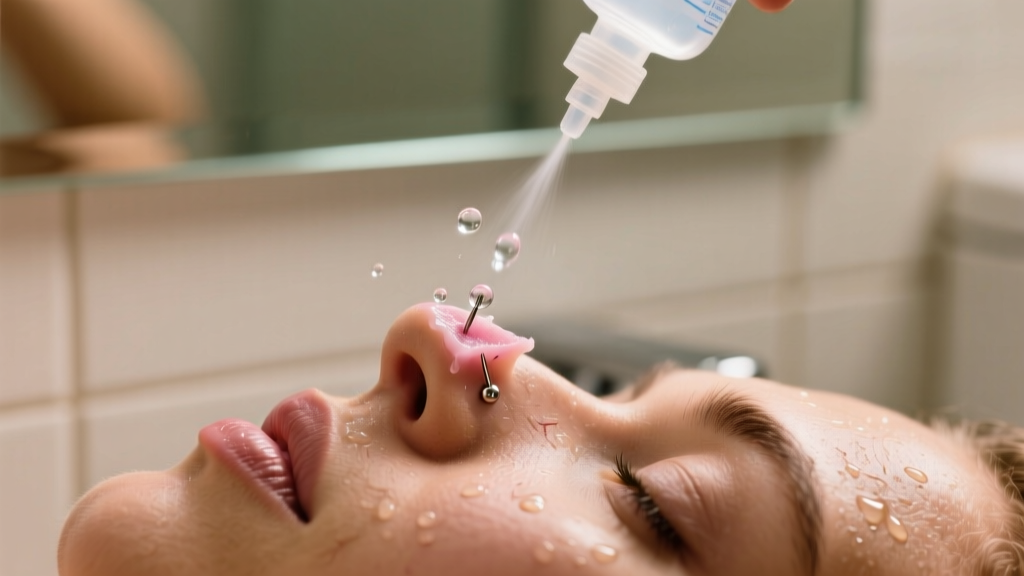
- DO USE: Sterile 0.9% sodium chloride wound wash (e.g., NeilMed Piercing Aftercare or H2Ocean). Spray it directly onto the site twice daily and gently pat dry with non-woven sterile gauze.
- DO NOT USE: Rubbing alcohol, hydrogen peroxide, tea tree oil, or antibiotic ointments like Neosporin. These agents are cytotoxic; they destroy the fragile fibroblast cells trying to rebuild your fistula and trap bacteria by blocking oxygen flow.
- DO NOT USE: Cotton balls or Q-tips. They shed microscopic fibers that can become embedded in the wound, acting as a wick for bacteria.
Material Matters: Upgrading to Hypoallergenic Metals
Often, chronic low-grade infections are actually persistent allergic reactions to nickel leaching from low-quality jewelry. If your ear is constantly weeping, the metal is likely the culprit. To resolve this, you must upgrade to biocompatible materials.
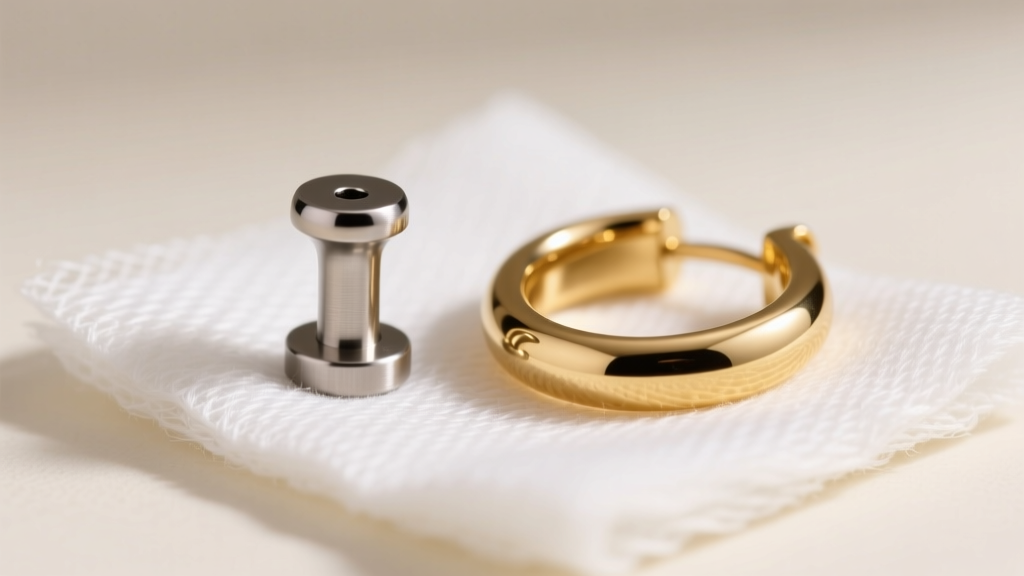
Expert Tip: The term "surgical steel" is largely unregulated and often contains up to 8% nickel. For a healing or infected piercing, always demand ASTM F-136 Implant-Grade Titanium. It is entirely nickel-free, highly polished, and the exact same material used in joint replacements and pacemakers.
Safe materials for infected or healing ears include:
- Implant-Grade Titanium (ASTM F-136): The absolute best choice for fresh, irritated, or infected piercings. Lightweight and 100% nickel-free.
- Niobium: A highly reactive metal that is anodized for color without using dyes or plating. Excellent for sensitive ears.
- Solid 14k or 18k Gold: Must be nickel-free and alloyed for biocompatibility (avoid white gold, which often contains nickel). Note: Gold is generally recommended only for healed piercings, as the softer metal can harbor bacteria in microscopic scratches during the initial healing phase.
When to See a Doctor (And Why You Shouldn't Remove the Earring)
A common instinct when answering the question "how do you know if your earring is infected" and confirming your suspicions is to immediately take the jewelry out. Do not remove the earring. According to the Cleveland Clinic, removing the jewelry from an infected piercing allows the surface of the skin to heal over the puncture hole. This traps the active bacterial infection inside the tissue, forming a painful abscess that may require surgical lancing to drain.
Leave the jewelry in place to act as a drain for the pus and exudate. If the swelling is so severe that the jewelry is embedding into the skin, visit a professional piercer immediately so they can swap it for a longer, implant-grade titanium post to accommodate the swelling. If you experience a fever, spreading red streaks, or severe cartilage pain, bypass the piercing studio and head straight to an urgent care clinic or dermatologist for a course of oral antibiotics.


