A Beginner's Guide to Styling Turquoise Chandelier Earrings
Discover how to choose, style, and care for turquoise chandelier earrings. Learn about stone authenticity, metal pairings, and lobe support.

The Architecture of Statement: What Are Chandelier Earrings?
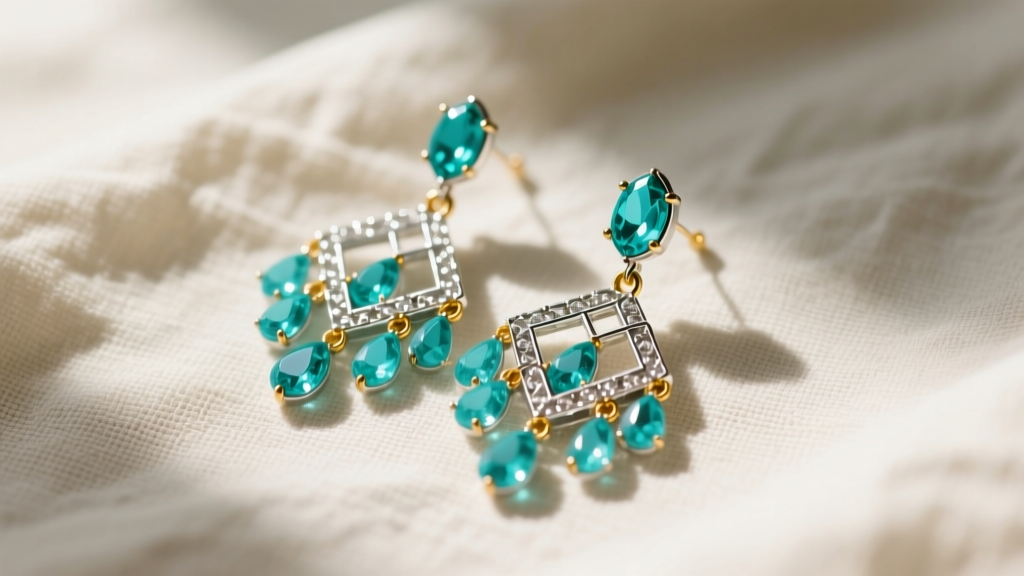
Turquoise chandelier earrings are a masterclass in kinetic jewelry design. Unlike standard drop earrings that feature a single focal point, chandelier earrings utilize a tiered, multi-branching framework that mimics the structure of a classic lighting fixture. For beginners stepping into the world of statement jewelry, understanding the anatomy of these pieces is crucial for both comfort and aesthetic balance.
A well-crafted chandelier earring consists of three main components:
- The Primary Anchor: This is the ear wire or stud. For heavy turquoise pieces, experts recommend an 18-gauge (1.02mm) or 20-gauge (0.81mm) wire. Anything thinner (like 22-gauge) risks warping under the weight of the stone.
- The Chassis (Connector): The central metal framework that distributes weight. High-quality pieces use soldered jump rings rather than simply twisted wire, which can pull apart over time.
- The Tiered Drops: The cascading elements, often featuring turquoise cabochons, beads, or faceted chips. The movement of these tiers is what gives chandelier earrings their signature dramatic flair.
As we navigate the jewelry landscape in 2026, there is a distinct shift towards artisan-crafted, lightweight chassis designs that maximize visual volume without burdening the earlobe. However, knowing how to evaluate the stones themselves remains your most important skill as a buyer.
Authenticity 101: Decoding Turquoise Treatments
The most common pitfall for beginners is assuming all blue stones labeled 'turquoise' are created equal. Natural turquoise is a porous, relatively soft phosphate mineral. Because of its fragility, the vast majority of turquoise on the market undergoes some form of treatment. According to the Gemological Institute of America (GIA), understanding these treatments is vital for determining value and durability.
| Stone Type | Treatment Process | Durability (Mohs) | Avg. Price Range (Per Pair) |
|---|---|---|---|
| Natural, Untreated | None. Cut and polished only. | 5.0 - 6.0 (Fragile) | $250 - $800+ |
| Stabilized | Impregnated with clear epoxy resin under pressure to harden the stone and enhance color. | 6.5 - 7.0 (Durable) | $60 - $180 |
| Zachery-Treated | A proprietary, non-plastic chemical treatment that reduces porosity without adding dyes. | 6.0 - 6.5 | $150 - $350 |
| Dyed Howlite | A cheap, white silicate mineral dyed blue to mimic turquoise. | 3.5 (Very Soft) | $15 - $40 |
Beginner Tip: For chandelier earrings, stabilized turquoise is actually the superior choice. The dangling nature of chandelier designs means the stones will inevitably knock against each other, your neck, and your clothing. Stabilized turquoise resists chipping and won't absorb oils from your skin, which can cause untreated stones to turn a muddy green over time.
Metal Pairings: Choosing the Right Base
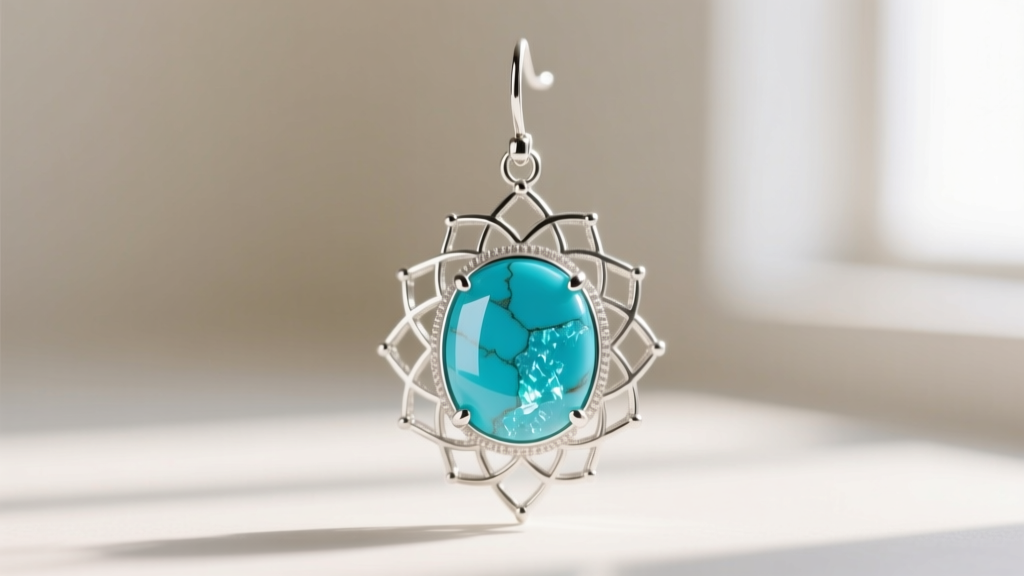
The metal chassis of your turquoise chandelier earrings dictates not only the price point but also the overall vibe and skin compatibility. Here is a breakdown of the most common base metals used in 2026:
Sterling Silver (925)
The traditional and most popular pairing for turquoise. The cool, bright tone of silver provides a high-contrast backdrop that makes the blue and green matrix of the turquoise pop. Caveat: Silver tarnishes when exposed to sulfur and moisture. Because chandelier earrings have intricate crevices, polishing tarnished silver chassis can be tedious. Look for rhodium-plated sterling silver to prevent oxidation.
Yellow Gold (14k or 18k)
Gold offers a warm, luxurious contrast to turquoise, leaning heavily into Southwestern or vintage Art Deco aesthetics. Because gold is dense, a solid gold chandelier earring will be significantly heavier than silver. If you have sensitive or stretched lobes, opt for hollow-tube gold wire or gold-plated brass to reduce the overall gram weight.
Oxidized Brass or Bronze
For a bohemian, antique look, oxidized brass is a staple. The darkened, blackened metal gives the turquoise an earthy, rustic appearance. Allergy Warning: Brass is an alloy of copper and zinc, but cheaper variants often contain nickel. If you have contact dermatitis, avoid brass ear wires and insist on surgical steel or titanium hooks, even if the decorative chassis is brass.
The Weight Factor: Protecting Your Earlobes
A standard stud earring weighs between 1 and 3 grams. A pair of elaborate turquoise chandelier earrings can easily weigh 15 to 30 grams per ear. Wearing this weight on a standard lobe piercing for more than a few hours can cause micro-tears, stretching, and permanent lobe drooping.
Implement these professional support hacks to wear heavy chandeliers comfortably:
- Silicone O-Rings: Ditch the standard butterfly clutch. Use 6mm outer-diameter silicone O-rings or disc backers. These distribute the downward pull across a wider surface area of the back of your earlobe.
- Ear Cuff Integration: Some modern chandelier designs feature a secondary cuff that grips the upper cartilage. This transfers up to 40% of the earring's weight away from the delicate lobe piercing.
- Leverback Closures: French wires (fishhooks) can easily slip out when the heavy tiers swing. Leverback wires feature a hinged, locking clasp that secures the earring firmly in place, preventing loss and reducing friction on the piercing hole.
Face Shape & Styling Framework for Beginners
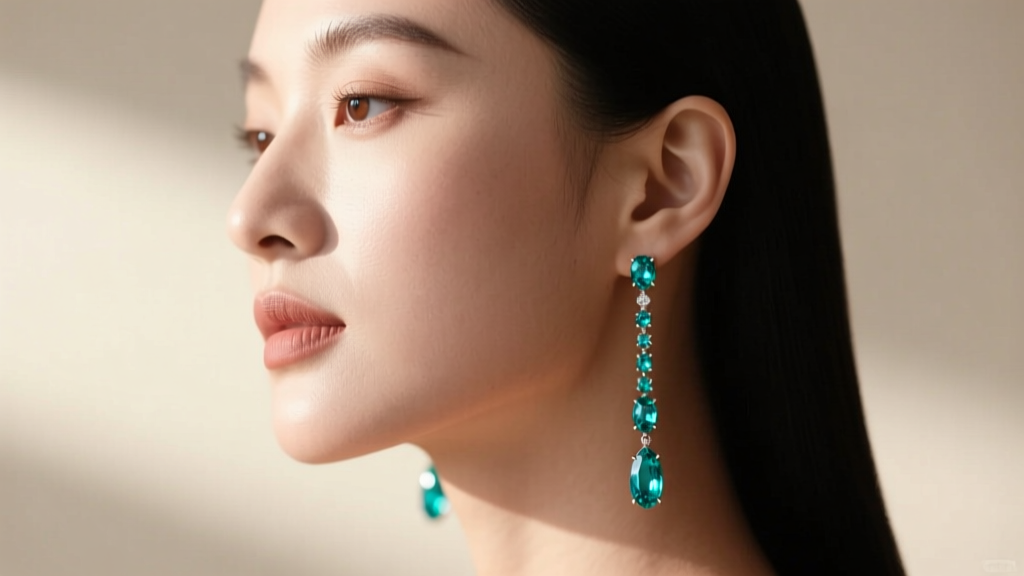
Chandelier earrings are inherently voluminous. To ensure they flatter rather than overwhelm your features, apply this geometric framework based on your face shape:
The Golden Rule of Earring Styling: Never mirror your face shape with your earring shape. Use the jewelry to create the illusion of balance and contrast.
- Round Faces: Avoid circular, hoop-style chandeliers. Instead, choose elongated, angular chandelier earrings with rectangular or sharp teardrop turquoise drops. The vertical lines will visually lengthen your face and slim the jawline.
- Square Faces: Soften a strong, angular jawline by selecting chandelier earrings with curved tiers, circular cabochons, and fluid, asymmetrical movement. Avoid harsh geometric lines.
- Oval Faces: You have the most versatile canvas. Almost any chandelier style works, but medium-length designs (2 to 2.5 inches) that end just above the collarbone provide the most elegant proportion.
- Heart-Shaped Faces: Choose chandelier earrings that are wider at the bottom than at the top. Teardrop clusters and inverted triangle designs will add visual weight to a narrower chin, balancing a broader forehead.
Wardrobe Pairing: Necklines and Textures
Because turquoise chandelier earrings command attention, your neckline must provide adequate negative space. Plunging V-necks, scoop necks, and off-the-shoulder tops are ideal. Avoid high boat necks or ruffled collars, which will physically tangle with the dangling tiers and create a cluttered visual field.
In terms of fabric textures, turquoise pairs beautifully with organic, matte materials like raw linen, suede, and heavyweight cotton denim. The matte finish of the fabric allows the waxy luster of the stabilized turquoise to stand out. Conversely, pairing these earrings with high-shine silk or sequined garments can result in a competing, overly busy aesthetic.
Care & Maintenance: Preventing Discoloration
Even stabilized turquoise requires mindful maintenance. The Jewelers of America strongly advises against using ultrasonic cleaners or steam cleaners on any turquoise jewelry. The high-frequency vibrations can cause internal fractures in the stone, and the heat can melt or cloud the epoxy resin used in stabilization.
Your Weekly Cleaning Routine:
- Wipe the turquoise stones gently with a dry, untreated microfiber cloth to remove skin oils and lotion residue.
- Use a specialized silver-polishing cloth only on the metal chassis. Avoid rubbing the polishing cloth directly on the stone, as the mild abrasives can dull the turquoise's finish over time.
- Store your chandelier earrings flat in an anti-tarnish ziplock bag. Hanging them in a jewelry box can cause the delicate jump rings to stretch under their own weight over several months.
Final Thoughts
Turquoise chandelier earrings are more than just an accessory; they are a wearable art form that requires a thoughtful approach to purchasing and styling. By prioritizing stabilized stones for durability, selecting the correct gauge wire for lobe health, and applying basic geometric styling principles, you can confidently wear these statement pieces. Whether you are attending a summer festival or elevating a simple linen blouse, a well-chosen pair of turquoise chandeliers will instantly anchor your look with vibrant, kinetic energy.


