The Beginner's Guide to Vintage Ciner Clip On Earrings
Discover everything about vintage Ciner clip on earrings. Learn how to identify authentic pieces, understand pricing, and wear them comfortably.

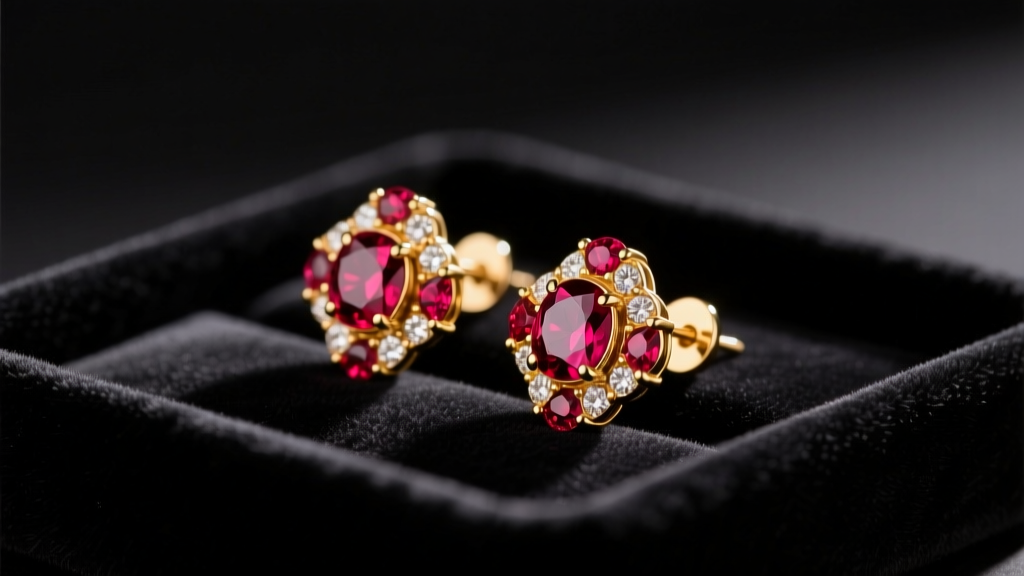
If you are stepping into the world of vintage costume jewelry for the first time, few names command as much respect as Ciner. Founded in 1892 by Emanuel Ciner in New York City, the brand initially specialized in fine jewelry before pivoting to high-end costume pieces during the Great Depression. Today, vintage Ciner clip on earrings are highly sought after by collectors and fashion enthusiasts alike for their exceptional craftsmanship, heavy gold plating, and brilliant rhinestones.
For beginners, navigating the secondary market for these mid-century treasures can feel overwhelming. How do you know if a piece is authentic? What should you expect to pay? And perhaps most importantly, how do you wear heavy vintage clips without hurting your ears? This comprehensive explainer will walk you through everything you need to know about collecting and wearing Ciner clip on earrings.
The History and Hallmarks of Ciner Jewelry
Before you purchase your first pair, it is crucial to understand what makes Ciner unique. Unlike many mid-century costume jewelers that used lightweight stampings, Ciner favored cast metal bases. This resulted in jewelry that felt substantial, mimicking the weight and drape of fine jewelry. According to Lang Antiques' Antique Jewelry University, Ciner's commitment to quality meant they often used the same manufacturing techniques for their costume lines as they did for their fine jewelry lines, including hand-set stones and rich, opaque enameling.
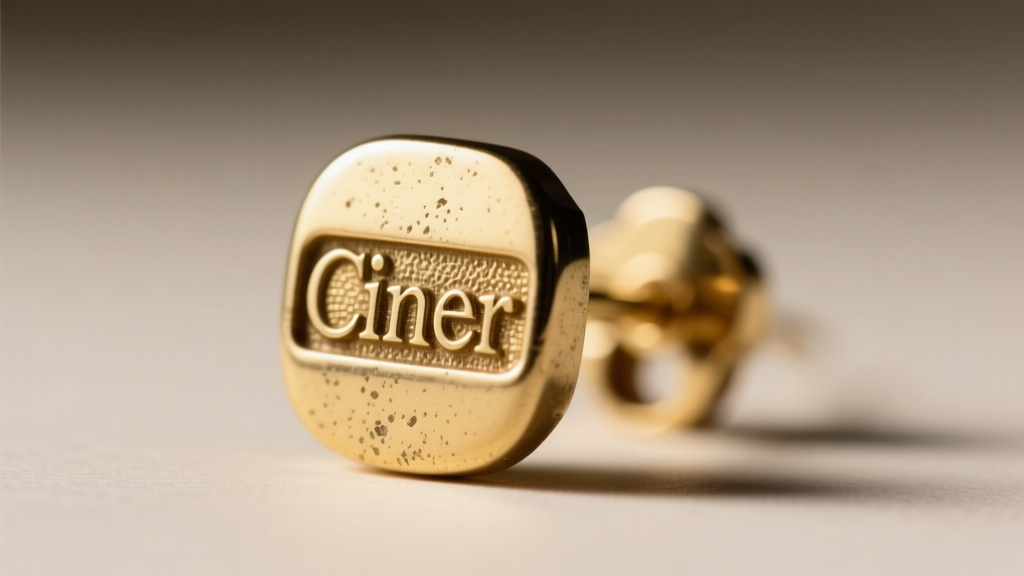
Identifying authentic vintage Ciner clip on earrings largely comes down to examining the hallmark on the back of the clip or the earring body. The marks evolved over the decades:
- 1930s–1940s: Early pieces may be unmarked or feature a simple, small "CINER" stamp in block letters.
- 1950s–1960s: The most common vintage hallmark is "CINER" in bold, uppercase block letters. You will often find this stamped directly into the metal of the clip mechanism or on a small soldered plaque.
- 1955 and beyond: Following the U.S. Copyright Act changes, Ciner began using a script "Ciner" alongside the copyright symbol (©).
Decoding the Clip-On Mechanisms
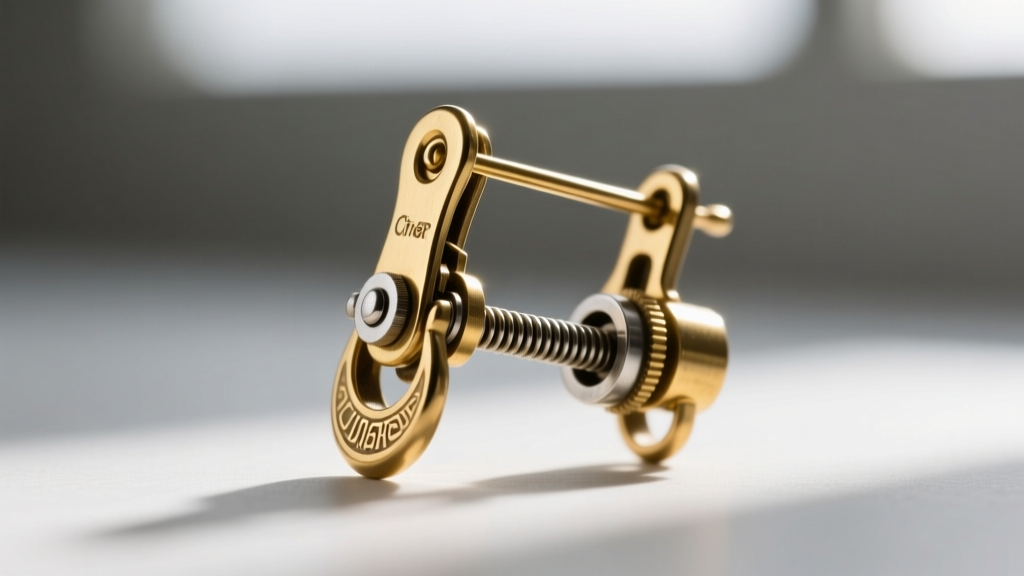
One of the biggest hurdles for beginners is dealing with vintage earring backs. Because Ciner earrings are notoriously heavy due to their cast metal bases and dense glass stones, the brand utilized specific clip mechanisms designed to distribute weight across the earlobe. Understanding these mechanisms will help you date a piece and determine its comfort level.
| Mechanism Type | Era of Prominence | Design Characteristics | Comfort & Adjustability |
|---|---|---|---|
| Screw-Back | 1930s–1940s | A small metal cup that presses against the back of the earlobe, tightened via a threaded screw. | Highly adjustable, but the small surface area can cause intense pinching on heavy pieces. |
| Hinged Paddle-Back | 1950s–1970s | A wide, flat, paddle-shaped metal hinge that snaps shut over the earlobe. | Excellent weight distribution. The tension can be gently adjusted by bending the metal paddle. |
| Comfort Clip (Padded) | 1980s–1990s | Standard hinged clips featuring factory-installed silicone or velvet cushions on the inner paddle. | Very comfortable for extended wear, though the pads may degrade or fall off over time. |
Pricing and Value Guide for Beginners
The market for vintage Ciner clip on earrings varies wildly based on condition, rarity, and materials. As of 2026, the vintage jewelry market has stabilized, but premium costume pieces continue to hold their value. Here is a practical pricing framework to help you budget:
Tier 1: Entry-Level ($35 – $75)
At this price point, you will typically find simpler, later-era pieces (1980s-1990s) or smaller 1950s designs. Expect basic gold-tone or silver-tone floral motifs, small faux pearls, or single-color enamel work. These are excellent for beginners looking for everyday vintage wear.
Tier 2: Mid-Century Statement Pieces ($85 – $250)
This is the sweet spot for serious collectors. In this range, you will find the iconic 1950s and 1960s Ciner clip on earrings featuring elaborate pave rhinestone settings, Aurora Borealis (AB) crystal finishes, and intricate guilloché or champlevé enameling. Pieces with matching parure sets (e.g., earrings that come with the original brooch or necklace) will push the higher end of this bracket.
Tier 3: Rare and Runway ($300 – $600+)
Reserved for museum-quality or highly rare designs. This includes heavy, oversized chandelier clips from the 1960s, pieces featuring rare colored glass stones (like sapphire or emerald imitations) in pristine condition, or documented runway pieces from Ciner's later high-fashion collaborations.
How to Wear Vintage Clip-Ons Comfortably
The most common complaint about vintage Ciner clip on earrings is that they hurt after an hour of wear. Because they were designed for the mid-century earlobe—which was often conditioned to wear heavier clips from a young age—modern wearers need a few tricks to enjoy them pain-free.
- Use Silicone Earring Pads: You can purchase inexpensive, reusable silicone slip-on pads that slide over the metal paddle back. These add a layer of cushioning and prevent the metal from slipping on your skin.
- Adjust the Tension: If the clip is too tight, do not force it open and closed repeatedly, as this will fatigue and snap the metal hinge. Instead, use a pair of nylon-jaw jewelry pliers to very gently bend the paddle back outward by a millimeter or two. If it is too loose, gently squeeze it inward.
- Target the Thickest Part of the Lobe: Position the clip on the thickest, fleshiest part of your earlobe rather than the thin edges or the cartilage.
- Take Micro-Breaks: For heavy, multi-tiered Ciner chandelier clips, remove them for five minutes every few hours to allow your earlobe's blood circulation to recover.
Authenticity Checklist: Spotting Fakes vs. Real Ciner
While Ciner is not counterfeited as heavily as fine jewelry brands like Cartier, the secondary market is flooded with misattributed pieces. Sellers often label any heavy, unmarked vintage clip-on as "Ciner-style." Use this checklist to verify authenticity before buying:
- The Weight Test: Authentic Ciner pieces are surprisingly heavy. If the earrings feel light, hollow, or like stamped tin, they are likely not Ciner.
- Stone Settings: Ciner almost exclusively used prong-set or bezel-set stones. If you see rhinestones that are simply glued onto the metal surface (a technique called "glue-setting"), it is a red flag. As noted by the Vintage Fashion Guild, high-end mid-century costume jewelers rarely relied on glue for primary stone placement.
- Plating Quality: Ciner used thick layers of gold or rhodium plating. While vintage pieces may show wear on high-contact points, the plating should not flake off in cheap, brassy sheets. The underlying base metal is typically a high-quality white metal or brass, not cheap pot metal.
- Enamel Work: If the piece features enamel, inspect it closely. Authentic Ciner enamel is smooth, glassy, and evenly fired. It should not look like painted-on resin or show brush strokes.
Final Thoughts for the Aspiring Collector
Collecting vintage Ciner clip on earrings is a rewarding entry point into the broader world of antique and vintage fashion. By understanding the brand's history, recognizing the evolution of their hallmarks, and knowing how to properly adjust the paddle-back mechanisms, you can build a stunning, wearable collection. Always buy from reputable vintage dealers who offer clear photographs of the hallmarks and the stone settings, and remember that the best vintage jewelry is the kind that is actually worn and enjoyed.


