Expert Care and Cleaning for Gold Flower Earrings
Discover expert techniques to clean, polish, and store your gold flower earrings. Learn safe solutions for 14k and 18k gold to maintain their bloom.

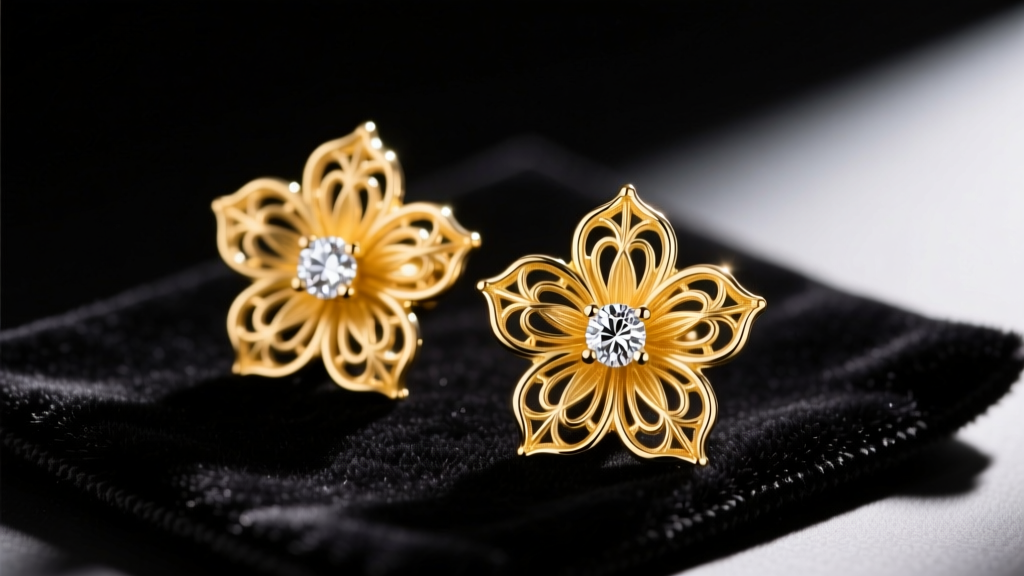
Floral jewelry has remained a cornerstone of fine accessory design for centuries, but the intricate architecture of gold flower earrings presents unique maintenance challenges. Unlike smooth geometric studs or simple hoops, botanical designs feature deep petal crevices, textured stamens, milgrain edges, and complex prong settings. These structural details are notorious for trapping sebum, cosmetic residues, and environmental dust, which can rapidly dull the metal and compromise gemstone settings. As a senior jewelry stylist, I have developed this comprehensive care guide to help you preserve the luster and structural integrity of your botanical pieces, drawing on modern metallurgical insights and professional jeweler protocols.
The Anatomy of Gold Flower Earrings and Vulnerability Points
To properly clean and maintain your earrings, you must first understand their structural vulnerabilities. Floral earrings are typically crafted using either die-striking or lost-wax casting. Cast pieces often feature microscopic porosity and intricate undercuts beneath the petals where dirt accumulates unseen. Furthermore, the "pistil" or center of the flower frequently houses a gemstone secured by delicate prongs. When cosmetic buildup hardens around these prongs, it can mask loosening, leading to catastrophic stone loss. Regular, meticulous cleaning is not just about aesthetics; it is a critical diagnostic tool to ensure your settings remain secure.
Metallurgy Matters: 14K vs. 18K Gold in Floral Designs
The karatage of your gold dictates both its color and its durability, which directly impacts how you should handle and clean the piece. According to the Gemological Institute of America (GIA), pure 24K gold is too soft for jewelry, meaning it must be alloyed with metals like copper, silver, and zinc.
- 14K Gold (58.5% Pure Gold): The higher alloy content makes 14K gold significantly harder and more resistant to scratching. Thin, elongated petals on 14K flower earrings will hold their shape better over time. However, the copper and silver alloys are more susceptible to tarnishing and oxidation when exposed to harsh chemicals.
- 18K Gold (75% Pure Gold): Prized for its rich, warm yellow hue, 18K gold is noticeably softer. While it resists tarnish better than 14K, the delicate petals of an 18K floral earring are highly prone to bending or warping if gripped too tightly during the cleaning process. Always handle 18K pieces by the sturdy post or the thickest part of the floral base, never by the petal tips.
The 5-Step Deep Cleaning Protocol for Intricate Petals
Forget generic jewelry dips; botanical designs require a gentle, targeted approach to dislodge debris from deep crevices without damaging the metal or any accompanying enamel work. Jewelers of America recommends mild, phosphate-free surfactants for routine precious metal care.
Step 1: Prepare a Neutral Cleaning Bath
Fill a small glass bowl with warm distilled water. Avoid tap water, as the chlorine and hard minerals can leave micro-deposits on the gold. Add exactly two drops of a mild, phosphate-free dish soap (such as original Dawn). Swirl gently to create a low-suds solution.
Step 2: The Controlled Soak
Submerge your gold flower earrings in the solution for 15 to 20 minutes. This duration is sufficient to soften hardened sebum and lotion trapped in the milgrain detailing and beneath the petal layers. Do not exceed 30 minutes, especially if your earrings feature fracture-filled gemstones or porous accents.
Step 3: Targeted Agitation
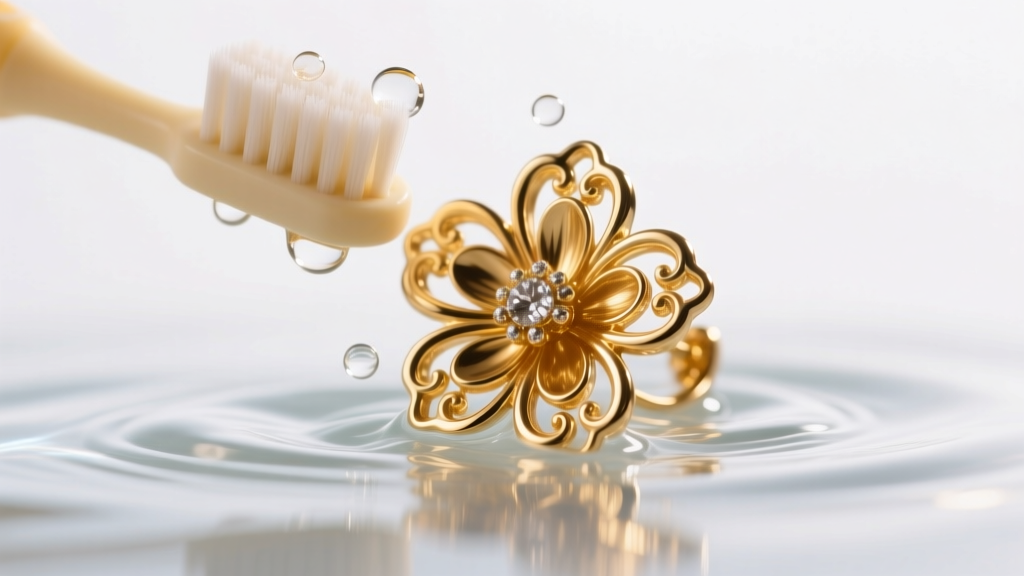
Using an ultra-soft baby toothbrush (bristle diameter of 0.1mm or less), gently brush the earrings. Use circular motions over the domed petals and short, flicking motions to push debris out from under the floral undercuts. Never use a standard adult toothbrush, as the stiff nylon bristles will induce micro-scratches on high-polish gold surfaces.
Step 4: The Distilled Rinse
Rinse the earrings under a gentle stream of lukewarm distilled water. Ensure the drain is securely plugged or use a mesh strainer to prevent accidental loss. Inspect the piece under a bright LED light to verify that all soap residue has been flushed from the center stone settings.
Step 5: Safe Drying Techniques
Pat the earrings dry with a lint-free microfiber cloth. To remove trapped moisture from the deepest crevices and the earring post backing, use a hair dryer on the "cool" setting or a canned air duster held at least six inches away. Trapped moisture against the skin can lead to contact dermatitis and accelerate post corrosion.
Chemical Hazards and Structural Failure Modes
Gold is a noble metal, but the alloys mixed into 14K and 18K gold are highly reactive to specific everyday chemicals. Understanding these failure modes is crucial for preserving the structural integrity of delicate floral shapes.
| Chemical Agent | Common Source | Failure Mode on Gold Florals |
|---|---|---|
| Chlorine | Swimming pools, household bleach | Causes stress corrosion cracking, particularly at the solder joints where the earring post meets the floral base. |
| Aerosol Propellants | Hairspray, dry shampoo | Creates a sticky, opaque film that traps dust in petal crevices and severely dulls any guilloché enamel accents. |
| Ammonia | Window cleaners, harsh jewelry dips | While safe for plain gold, ammonia will permanently cloud and degrade porous gemstones (like pearls or turquoise) often used as floral centers. |
| Sulfur Compounds | Hot springs, rubber bands, latex | Reacts with copper alloys in 14K gold, causing rapid black tarnishing that is difficult to remove from textured stamens. |
Managing Enamel and Gemstone Accents
Many premium gold flower earrings incorporate vitreous enamel or delicate gemstones to mimic the vibrant colors of real blossoms. If your floral earrings feature plique-à-jour (translucent enamel without a metal backing) or guilloché (enamel over an engraved metal base), you must completely avoid ultrasonic cleaners. The high-frequency cavitation bubbles generated by ultrasonic machines will shatter the glass-like enamel instantly. Similarly, if your flower's center features an opal, pearl, or emerald, stick strictly to the damp-cloth wipe-down method, as submersion can dissolve the adhesives or strip the natural oils from these porous materials.
Proper Storage to Prevent Petal Warping
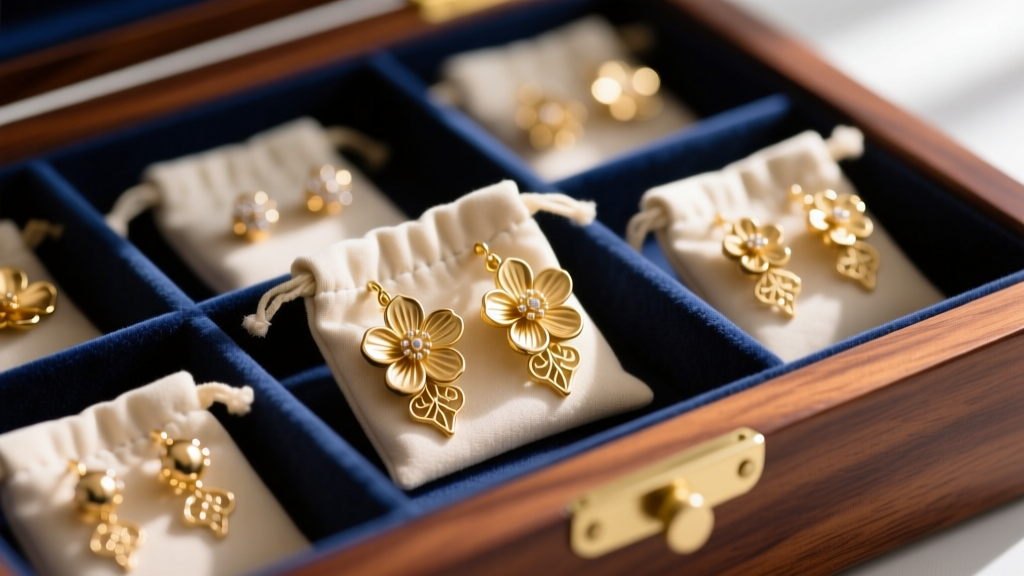
How you store your gold flower earrings is just as important as how you clean them. Floral designs are inherently three-dimensional and prone to snagging. Tossing them into a communal jewelry box guarantees that the delicate gold petals will scratch against harder gemstones (like diamonds or sapphires) from other pieces. Furthermore, the pressure from heavier items can easily bend 18K gold petals out of their intended symmetrical alignment.
Always store your floral earrings in individual, anti-tarnish flannel pouches. If you must use a shared compartment, ensure the earrings are laid flat with the posts facing upward, and never stack other items on top of them. For drop-style floral earrings, hang them from a dedicated jewelry tree to prevent the chains or articulated petal joints from tangling and kinking.
Professional Maintenance and Ultrasonic Warnings
While your at-home cleaning routine will maintain the daily brilliance of your gold flower earrings, it cannot replace professional oversight. Every 12 to 18 months, take your botanical pieces to a certified bench jeweler. They will use a professional steam cleaner to blast out microscopic debris that a toothbrush cannot reach, and more importantly, they will inspect the prongs holding your center stones under 10x magnification. Because floral prongs are often custom-shaped to look like leaves or stems, they require specialized re-tipping tools that only a professional possesses. By combining meticulous at-home care with annual professional check-ups, your gold flower earrings will continue to bloom brilliantly for generations.