Big Pearl Earrings Stud Care: Cleaning & Maintenance
Learn how to safely clean, maintain, and store your big pearl earrings stud collection. Expert tips on nacre care, post hygiene, and chemical avoidance.

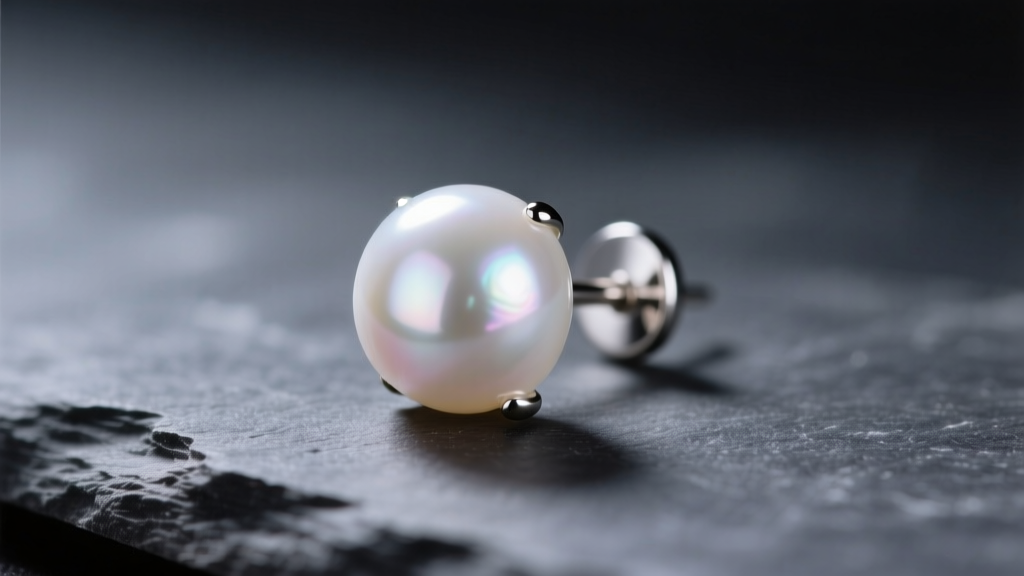
When you invest in a statement piece like a big pearl earrings stud, you are acquiring an organic gemstone that requires a highly specialized approach to maintenance. Unlike diamonds or sapphires, pearls are formed by living organisms, resulting in a delicate calcium carbonate structure that is highly susceptible to environmental damage. The larger the surface area of the pearl—typically ranging from 11mm to 16mm for major statement studs—the greater the exposure to acidic sweat, cosmetic chemicals, and abrasive friction.
According to the Gemological Institute of America (GIA), pearls rank between 2.5 and 3.0 on the Mohs scale of hardness. This means that the nacre can be easily scratched by dust, degraded by everyday cosmetics, and permanently dulled by improper cleaning techniques. In this comprehensive guide, we will break down the exact protocols required to clean, maintain, and store your large pearl studs to ensure their luster survives for generations.
The Anatomy of a Big Pearl Earrings Stud
Before applying any cleaning solution, it is crucial to understand the structural vulnerabilities of your jewelry. A big pearl earrings stud is rarely just a pearl and a metal wire; it is a complex assembly of organic material, metal, and adhesives.
Peg vs. Cup Settings
Large pearls (12mm and above) are predominantly mounted using a peg setting. A metal peg is inserted into a drilled hole in the pearl and secured with a specialized jeweler's epoxy. This introduces a critical vulnerability: heat. Submerging your studs in hot water or exposing them to steam can soften the epoxy, causing the pearl to detach from the post. Conversely, smaller pearls often use cup settings with prongs, which rely on mechanical tension rather than glue.
Nacre Thickness and Porosity
High-quality South Sea or Tahitian pearls boast nacre thicknesses between 2.0mm and 4.0mm. While thick nacre is durable, it remains inherently porous. The microscopic crystalline structure of aragonite (the mineral that makes up nacre) can absorb oils, perfumes, and lotions, leading to a permanent yellowing or loss of the prized 'orient' (the iridescent play of color on the surface).
The Invisible Threats to Nacre Luster
Daily wear introduces a barrage of chemical and physical threats to your jewelry. Understanding these enemies is the first step in preventive maintenance.
- Cosmetics and Aerosols: Hairspray, dry shampoo, and foundation contain alcohols and volatile organic compounds (VOCs) that strip the pearl's natural moisture, leading to a chalky appearance.
- Acidic Sweat: Human sweat has a pH ranging from 4.5 to 7.0. Prolonged contact with acidic perspiration slowly dissolves the calcium carbonate layers, causing pitting and dullness.
- Kitchen Vapors: Cooking with vinegar, lemon, or strong spices releases airborne acids that can settle on the pearl's surface.
- Abrasive Friction: Storing your studs loosely in a jewelry box allows them to rub against harder gemstones or metal clasps, resulting in irreversible surface scratching.
The 5-Step Cleaning Protocol
Forget commercial jewelry dips and ultrasonic machines. To safely clean a big pearl earrings stud, you must use a gentle, pH-neutral approach that respects both the organic nacre and the metal hardware.
Step 1: Prepare a Safe Solution
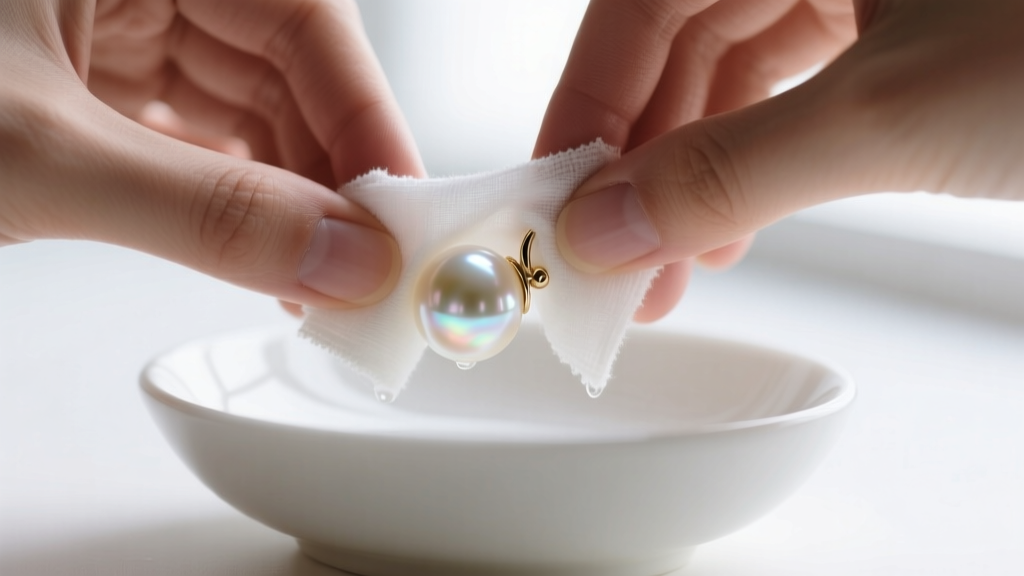
Fill a small glass bowl with distilled water (tap water contains chlorine and hard minerals that can leave microscopic deposits). Add a single drop of pH-neutral liquid castile soap or baby shampoo. Avoid any detergents containing enzymes, fragrances, or degreasers.
Step 2: The Surface Wipe
Do not submerge the pearl, as water can seep into the drill hole and degrade the epoxy. Instead, dip a clean, lint-free microfiber cloth into the solution, wring it out until it is barely damp, and gently wipe the surface of the pearl using circular motions. This lifts surface oils without risking the adhesive.
Step 3: Detailing the Drill Hole
Sebum and dead skin cells love to accumulate where the pearl meets the metal cup or peg. Take a dry, soft-bristled baby toothbrush or a wooden cotton swab and gently dislodge any debris from the junction. Never use metal pins or needles, as they will scratch the nacre.
Step 4: Post and Backing Sanitization
The metal post requires a different approach. Dip a cotton swab in 70% isopropyl alcohol and thoroughly clean the gold or platinum post, as well as the backing mechanism. Crucial warning: Ensure the alcohol does not touch the pearl, as it will dehydrate the nacre.
Step 5: Air Drying and Buffing
Lay the studs flat on a dry microfiber towel in a well-ventilated area away from direct sunlight or heating vents. Once completely dry, buff the pearl gently with a clean, dry jewelers' polishing cloth to restore the surface luster.
Chemical Safety Matrix: What to Avoid
The American Gem Society strictly advises against using harsh chemicals on organic gems. Refer to the table below to understand how common cleaning agents interact with your jewelry.
| Cleaning Agent | Effect on Pearl Nacre | Effect on Metal Post & Epoxy |
|---|---|---|
| Ultrasonic Cleaners | Causes micro-fractures, nacre peeling, and surface crazing | Loosens epoxy adhesives; safe for solid gold |
| Ammonia / Windex | Dissolves calcium carbonate; causes permanent etching | Can discolor lower-karat gold alloys |
| Chlorine Bleach | Destroys the protein matrix (conchiolin); causes yellowing | Corrodes sterling silver and solder joints |
| Steam Cleaners | Thermal shock can cause cracking and dehydration | Melts jeweler's epoxy; pearl may detach |
| Baking Soda Paste | Acts as an abrasive, scratching the 2.5 Mohs surface | Safe for metal, but difficult to rinse from crevices |
Expert Insight: If your pearl accidentally comes into contact with an acidic substance like vinegar or citrus juice, immediately wipe it with a cloth dampened with distilled water to neutralize the acid. Do not wait until you get home to address the spill.
Hardware and Post Maintenance
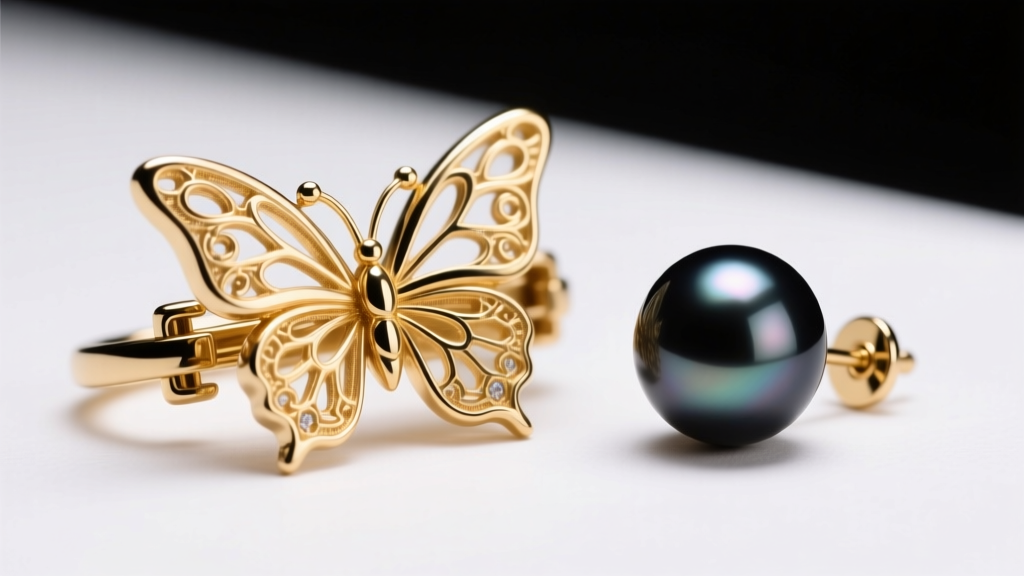
The 'stud' component of your jewelry requires its own maintenance routine. Large, heavy pearls place significant mechanical stress on the earlobe and the hardware.
Gauge Thickness and Earlobe Support
Standard earring posts are typically 20-gauge (0.81mm) or 18-gauge (1.02mm). For a big pearl earrings stud weighing over 4 grams, an 18-gauge post is highly recommended to prevent the metal from bending and the pearl from drooping forward on the earlobe. If your post is bending, visit a jeweler to have it replaced with a thicker, heavy-duty post.
Upgrading Your Backings
Standard butterfly backings often fail to support heavy pearls, causing them to tilt. Consider upgrading to silicone O-ring friction backs or locking screw-backs. However, silicone degrades over time, absorbing sebum and becoming brittle. Replace silicone backings every 12 to 18 months to ensure your valuable pearls remain secure.
Long-Term Storage and Nacre Preservation
How you store your pearls is just as critical as how you clean them. Pearls require a specific microclimate to maintain their structural integrity.
- Avoid Airtight Environments: Never store pearls in a plastic ziplock bag or a bank safety deposit box for extended periods. Pearls need ambient humidity (ideally 40% to 50%) to prevent the conchiolin (the organic protein binding the aragonite crystals) from drying out and cracking.
- Use Silk or Cotton Pouches: Store each stud individually in a soft silk pouch. Avoid cotton, as cotton fibers can sometimes trap microscopic dust particles that act as abrasives against the nacre.
- The 'Last On, First Off' Rule: Always put your pearl studs on after applying makeup, perfume, and hairspray. Take them off before showering, exercising, or doing household chores.
By adhering to these meticulous care, maintenance, and cleaning protocols, your statement studs will retain their mirror-like luster and structural integrity. Treating your organic gems with the respect they demand ensures they remain a flawless, radiant staple in your jewelry collection for decades to come.


