Betsey Johnson Skull Earrings: Metals, Weight & Care
An expert technical breakdown of Betsey Johnson skull earrings, covering base metal composition, weight distribution, and allergy-safe wearing hacks.

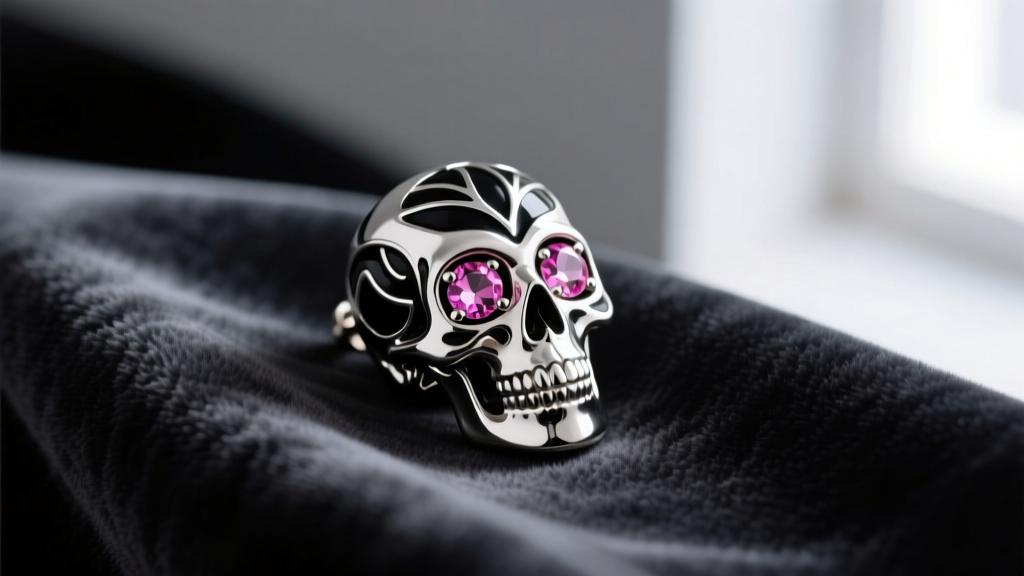
The Anatomy of Betsey Johnson Skull Earrings
Betsey Johnson skull earrings are iconic staples in the realm of punk-glamour fashion jewelry. However, beneath the rebellious aesthetic and intricate detailing lies a specific manufacturing reality that every serious collector and daily wearer must understand. These pieces are classified as fashion or costume jewelry, meaning their engineering prioritizes high-impact visual design over metallurgical purity or long-term hypoallergenic performance.
The skulls themselves are typically cast from Zamak (a zinc alloy containing aluminum, magnesium, and copper), often referred to in the jewelry industry as 'pot metal.' This specific alloy is chosen because of its low melting point and exceptional fluidity, allowing for the high-relief, intricate detailing seen in the crossbones, bows, and heart-shaped eye sockets. After the initial casting, the pieces are tumbled to smooth rough edges, electroplated with a silver-tone or gold-tone finish, and then hand-painted with epoxy-based enamel. Finally, foil-backed glass or acrylic rhinestones are set into the metal using a combination of prong settings and industrial jewelry adhesives.
Material Composition & Contact Dermatitis Risks
The most critical technical consideration when wearing Betsey Johnson skull earrings is the risk of allergic contact dermatitis. While the brand adheres to modern manufacturing guidelines, the electroplating process for base metals almost universally requires a 'nickel strike'—a microscopically thin layer of nickel applied to the zinc alloy to ensure the final silver or rhodium topcoat adheres smoothly and prevents the base metal from oxidizing.
According to the Mayo Clinic, nickel allergy is one of the most common causes of allergic contact dermatitis worldwide. The danger zone on these earrings is the post. Due to the constant friction of insertion and removal, combined with the acidic pH of human sebum and sweat, the top plating on the post wears away rapidly. Once the nickel underlayer is exposed, it reacts with sweat to release nickel salts into the skin, triggering an immune response. The American Academy of Dermatology notes that even microscopic exposures can trigger severe weeping, itching, and crusting in highly sensitized individuals.
Furthermore, the epoxy enamel used for the black, white, and red accents is highly durable against scratching but is brittle upon impact. Dropping the earrings on a hard surface can cause micro-fractures in the enamel, exposing the raw zinc alloy beneath, which can oxidize and turn the skin green due to a reaction with lactic acid.
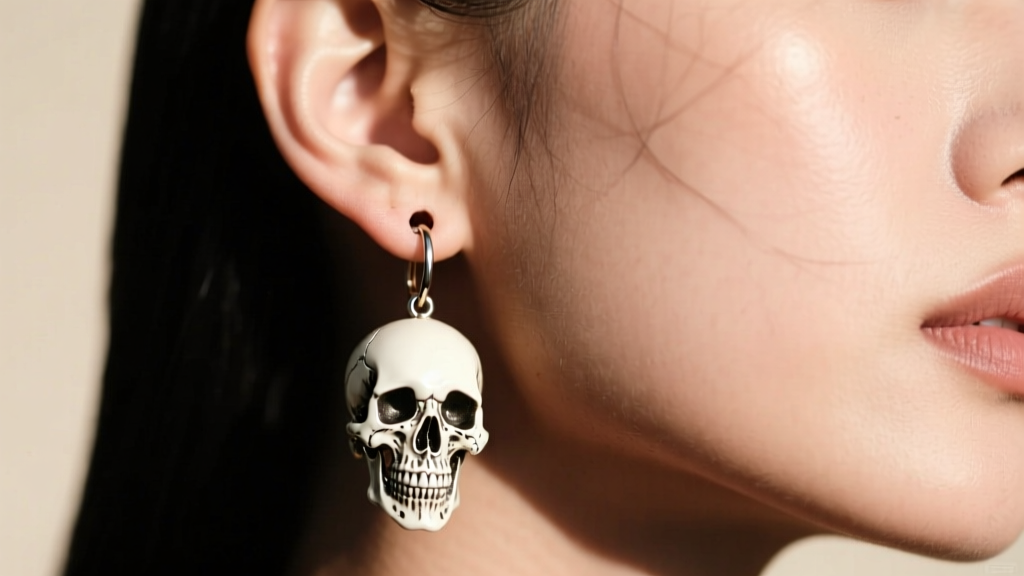
Weight Distribution & Lobe Stress Mechanics
Skull motifs are inherently dense, and the three-dimensional casting process adds significant mass. A standard Betsey Johnson skull dangle or drop earring typically weighs between 14 and 22 grams per piece. To put this into a biomechanical perspective, standard earlobe piercings are healed to accommodate lightweight jewelry (usually 2 to 5 grams).
The Association of Professional Piercers (APP) warns that sustained wear of heavy jewelry leads to tissue migration, lobe thinning, and permanent stretching (creep deformation). When you wear a 18-gram skull dangle, the pendulum effect created by normal head movements generates kinetic torque on the fistula (the piercing hole). Over time, this downward gravitational pull elongates the tissue, causing the piercing to migrate southward and potentially tear through the bottom of the lobe.
Weight vs. Lobe Tolerance Matrix
| Earring Weight (per piece) | Biomechanical Impact on Lobe | Recommended Wear Time |
|---|---|---|
| 2g - 6g | Neutral; maintains standard fistula shape. | Unlimited / Daily Wear |
| 7g - 12g | Mild downward pull; temporary lobe fatigue. | 8 - 12 Hours |
| 13g - 18g | Significant torque; risk of gradual stretching. | 4 - 6 Hours (Events) |
| 19g+ | Severe stress; high risk of tissue tearing. | Under 3 Hours (Photoshoots) |
Hardware Analysis: The Post and Clutch System
An examination of the hardware reveals that Betsey Johnson typically utilizes an 18-gauge (1.0mm) or 19-gauge (0.9mm) friction post. While 18G is a standard thickness for fashion jewelry, it is slightly thinner than the 16G or 14G posts recommended by professional piercers for heavy dangles. A thinner post bearing a heavy skull creates a higher pounds-per-square-inch (PSI) pressure point against the bottom of the piercing hole, accelerating the 'cheese-cutter effect' where the metal slowly slices through the tissue.
The accompanying 'butterfly' friction backs are also cast from base metal and feature tight tension springs. These crevices are notorious for accumulating dead skin cells, sebum, and cosmetic residues, creating an ideal breeding ground for Staphylococcus aureus and localized bacterial infections if not sanitized after every wear.
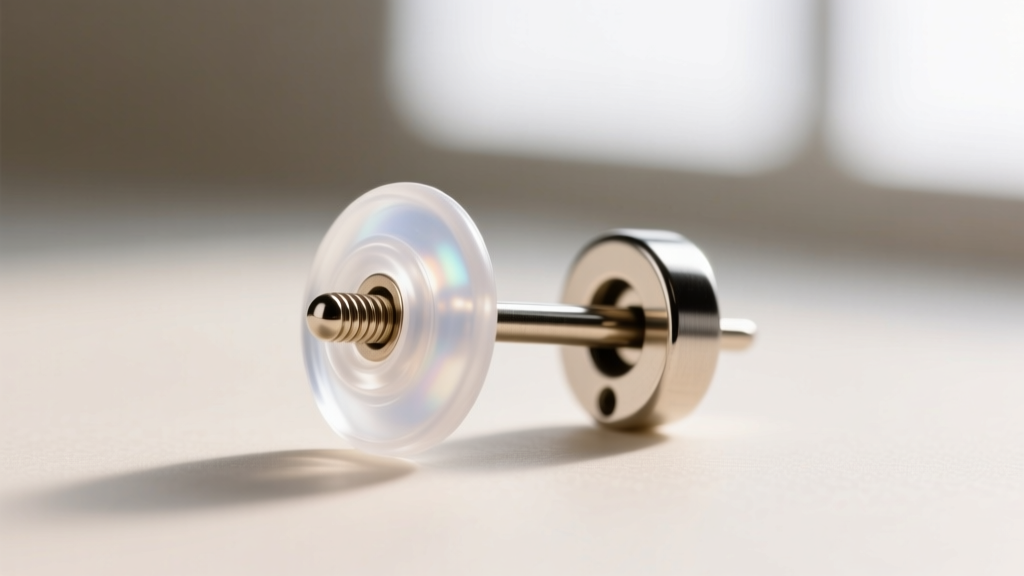
Expert Hacks for Sensitive Ears & Heavy Lobes
If you are committed to wearing these statement pieces but suffer from metal sensitivities or lobe fatigue, you must implement structural modifications. Here are the professional-grade solutions:
- Silicone Allergy Shields: Abandon the outdated 'clear nail polish' trick, which chips quickly and introduces toxic solvents to an open fistula. Instead, use medical-grade silicone post sleeves (like those from Blomdahl or Eurowire). These create a physical, non-reactive barrier between the nickel-plated post and your skin.
- Earlobe Support Patches: To counteract the 15g+ weight of the skull dangles, apply adhesive earlobe support patches to the back of your ear before inserting the earring. These patches distribute the kinetic torque across a wider surface area of the dermis, preventing the post from pulling downward on the fistula.
- Upgrade the Clutch: Discard the factory base-metal butterfly backs. Replace them with flat-disc silicone or medical-grade titanium friction backs. The wider surface area of a disc back provides superior stability for heavy skulls and prevents the earring from drooping forward.
Longevity & Enamel Preservation Protocols
The greatest failure mode for vintage and new Betsey Johnson skull earrings is improper cleaning. Many collectors mistakenly place their jewelry in ultrasonic cleaners or use chemical silver dips to remove tarnish. Never do this.
The high-frequency cavitation bubbles generated by an ultrasonic cleaner will instantly shatter the delicate foil-backing on the glass rhinestones, turning them black or cloudy. Furthermore, harsh chemical silver dips will strip the silver-tone plating right off the zinc alloy and dissolve the epoxy enamel.
The Correct Cleaning Protocol:
1. Use a soft-bristled makeup brush dipped in a solution of warm water and a single drop of pH-neutral dish soap.
2. Gently agitate the bristles around the rhinestone prongs and skull crevices to lift sebum and makeup.
3. Wipe away the suds with a slightly damp microfiber cloth.
4. Allow the earrings to air-dry completely on a paper towel before storing them in an anti-tarnish ziplock bag to prevent the zinc alloy from oxidizing in humid environments.


