Black Studs Earrings: PVD Coatings, Gauges & Metal Grades
Explore the metallurgy of black studs earrings. We compare PVD vs. plating, analyze biocompatible metal grades, and detail gauge sizes for cartilage.

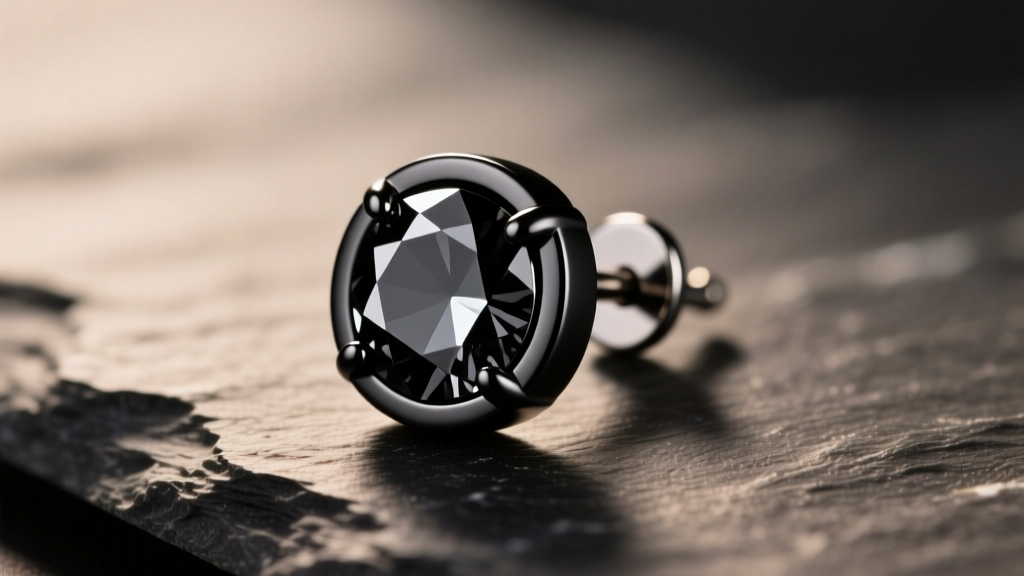
The Material Science Behind Black Studs Earrings
Black studs earrings represent a unique intersection of aesthetic minimalism and metallurgical complexity. Unlike traditional yellow gold, rose gold, or sterling silver, black is rarely a naturally occurring metal color in jewelry manufacturing. Achieving a true, opaque, and scratch-resistant black finish requires advanced surface engineering or the integration of specific dark gemstones. For consumers and piercing enthusiasts in 2026, understanding the technical distinctions between surface treatments, base metal grades, and threading mechanisms is critical for both the longevity of the jewelry and the health of the fistula (the piercing channel).
The primary challenge with black metal jewelry is galvanic corrosion and surface delamination. When a black coating wears away, it exposes the base metal to sweat, sebum, and environmental oxygen, leading to rapid tarnishing and potential contact dermatitis. This guide deconstructs the technical specifications you must evaluate when investing in high-quality black stud earrings.
Surface Treatments: PVD vs. Electroplating vs. Solid
The method used to achieve the black coloration dictates the lifespan of the earring. The jewelry industry primarily relies on three methods, each with vastly different Vickers hardness ratings and molecular bonding properties.
Physical Vapor Deposition (PVD)
PVD is the gold standard for black metal jewelry. In a high-vacuum chamber, titanium or zirconium is vaporized and bonded with nitrogen or carbon to create a microscopic ceramic layer (like Titanium Nitride, TiN) on the earring's surface. This process creates a molecular bond that is up to 10 times more durable than traditional electroplating. PVD coatings are highly resistant to UV degradation, sweat, and friction, making them ideal for cartilage piercings that experience frequent movement.
Electroplating (Black Ruthenium & Rhodium)
Electroplating uses an electrical current to deposit a thin layer (typically 0.1 to 0.5 microns) of black ruthenium or black rhodium onto a base metal like brass or silver. While this yields a brilliant, mirror-like black finish, the layer is superficial. Friction from hair, clothing, or sleeping will inevitably wear through the plating within 6 to 18 months, exposing the allergenic base metal beneath.
Durability & Specifications Comparison Matrix
| Surface Method | Base Metal Required | Coating Thickness | Relative Durability | Avg. Price Range |
|---|---|---|---|---|
| PVD (Titanium Nitride) | Implant-Grade Titanium / 316L Steel | 2.0 - 4.0 microns | Exceptional (8-10/10) | $45 - $120 |
| Electroplating | Brass, Sterling Silver, or Gold | 0.1 - 0.5 microns | Poor to Fair (3-5/10) | $15 - $60 |
| Anodization | Niobium or Titanium | Oxide layer (N/A) | Moderate (6/10) | $25 - $75 |
| Solid Material (No coating) | Black Zirconia Ceramic | Solid throughout | High (Brittle but won't fade) | $80 - $200 |
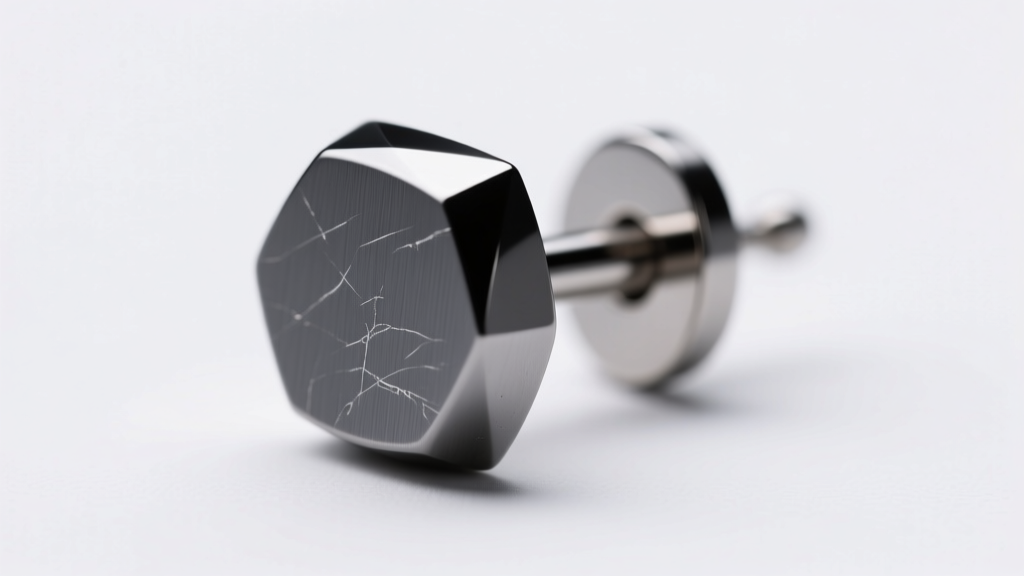
Biocompatibility and Hypoallergenic Standards
When selecting black studs earrings, the base metal beneath the coating is just as important as the coating itself. If a PVD layer is microscopically compromised, the skin will interact with the core metal. According to the Association of Professional Piercers (APP), only specific implant-grade materials should be worn in unhealed or sensitive piercings.
- ASTM F136 Titanium (Ti6Al4V ELI): The absolute best choice for black studs. It contains zero nickel, is lightweight, and provides a flawless, non-porous canvas for PVD coatings. It is the same alloy used in surgical joint replacements.
- ASTM F138 Stainless Steel (316L): Often used for budget-friendly PVD black earrings. While highly polished 316L traps nickel within its crystal lattice, individuals with severe nickel allergies may still experience a reaction if the steel is exposed to highly acidic sweat over prolonged periods.
- Niobium: A highly reactive elemental metal that can be anodized to a dark, gunmetal black without the use of dyes or coatings. It is entirely nickel-free and exceptionally biocompatible, though it lacks the bright, mirror-like shine of PVD titanium.
Gauge Sizing, Post Lengths, and Threading Mechanics
A technical understanding of sizing is non-negotiable for cartilage and lobe health. Wearing a post that is too short causes tissue embedding (the 'cheese-cutter' effect), while improper threading can tear the delicate epithelial lining of the fistula.
Standard Sizing Matrix for Black Studs
| Piercing Location | Standard Gauge | Post Diameter (mm) | Standard Post Length | Recommended Threading |
|---|---|---|---|---|
| Standard Lobe | 18g or 16g | 1.0mm or 1.2mm | 6mm (1/4") to 8mm (5/16") | Threadless (Push-Pin) |
| Helix / Flat | 16g | 1.2mm | 6mm (1/4") to 8mm (5/16") | Internally Threaded |
| Tragus | 16g | 1.2mm | 6mm (1/4") | Threadless or Internal |
| Conch | 14g or 16g | 1.6mm or 1.2mm | 8mm (5/16") to 10mm (3/8") | Internally Threaded |
Note: Externally threaded jewelry (where the screw is on the post itself) should be strictly avoided. The sharp threads act like a file, tearing tissue every time the earring is inserted or removed.
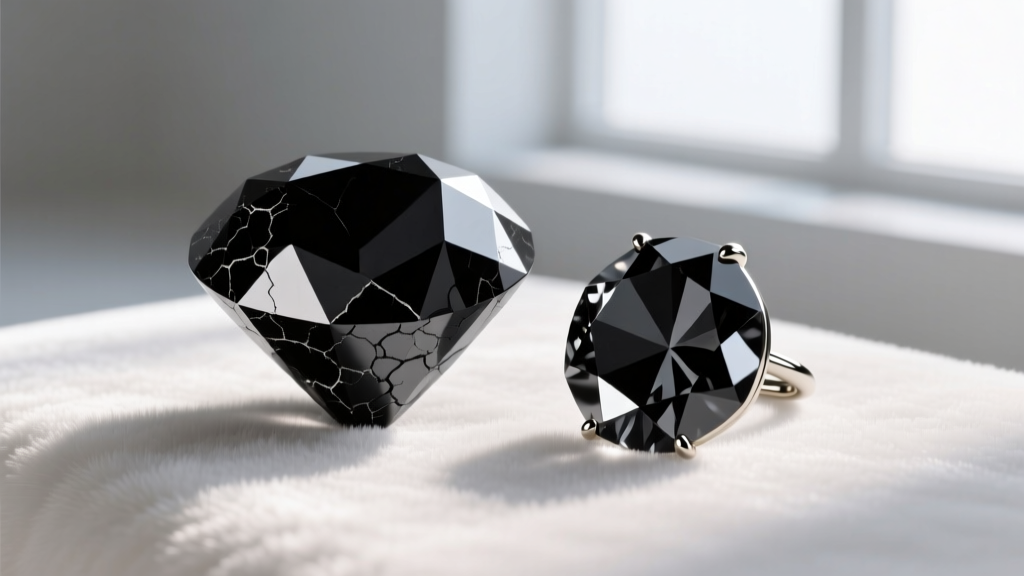
Gemstone vs. Metal: Optical Properties of Black Inlays
For black studs earrings featuring gemstones rather than solid black metal, the mineral composition drastically affects both durability and light performance. The Gemological Institute of America (GIA) categorizes black diamonds uniquely compared to their transparent counterparts.
Carbonado (Black Diamond) vs. Black Spinel vs. Black Onyx
Carbonado (Natural Black Diamond): Unlike single-crystal diamonds, carbonado is a polycrystalline aggregate of diamond, graphite, and amorphous carbon. It is completely opaque and highly porous. While it scores a 10 on the Mohs hardness scale, its porous nature means it can trap bacteria and sebum if not cleaned properly. It lacks the 'sparkle' of traditional diamonds, offering instead a deep, metallic luster.
Black Spinel: A single-crystal gemstone (magnesium aluminum oxide) that is frequently used as a superior alternative to black onyx. With a Mohs hardness of 8, it resists scratching far better than onyx. When faceted, black spinel exhibits a brilliant, glassy luster and sharp scintillation, making it the premier choice for high-end black stud earrings.
Black Onyx: Technically a dyed variety of chalcedony (agate). With a Mohs hardness of 7, it is prone to micro-chipping along the girdle if the bezel setting is too thin. It is entirely opaque and offers a flat, waxy luster. It is an excellent budget option but lacks the refractive fire of spinel.
Maintenance, Cleaning, and Failure Modes
To maximize the lifespan of PVD-coated black studs earrings, maintenance protocols must be adjusted based on the surface treatment. Ultrasonic cleaners, while excellent for solid gold and platinum, can cause microscopic cavitation that may delaminate poorly applied PVD or instantly strip electroplated ruthenium.
For routine cleaning of PVD titanium black studs, use a solution of warm distilled water and a few drops of pH-neutral, fragrance-free liquid soap. Soak for three minutes, then gently agitate with a soft-bristled infant toothbrush. Rinse thoroughly and dry with a lint-free microfiber cloth. Avoid all alcohol-based solvents, hydrogen peroxide, and harsh chemical jewelry dips, as these can degrade the protective oxide layers on the base metals and dull the refractive index of black spinel or carbonado inlays.
Conclusion
Investing in black studs earrings requires looking past the initial aesthetic appeal and scrutinizing the metallurgical and mechanical realities of the piece. By prioritizing ASTM F136 implant-grade titanium, insisting on PVD surface treatments over electroplating, and selecting internally threaded or threadless mechanisms, you ensure a piece of jewelry that is not only visually striking but biologically harmonious with your body. Whether you opt for the deep luster of a PVD-coated metal or the sharp faceting of a black spinel, technical knowledge is the key to lifelong wearability.


