Blue Star Earrings: Gemstone & Metal Material Guide
Discover the best materials for blue star earrings. Compare star sapphire, blue topaz, and enamel, plus hypoallergenic metal settings for sensitive ears.

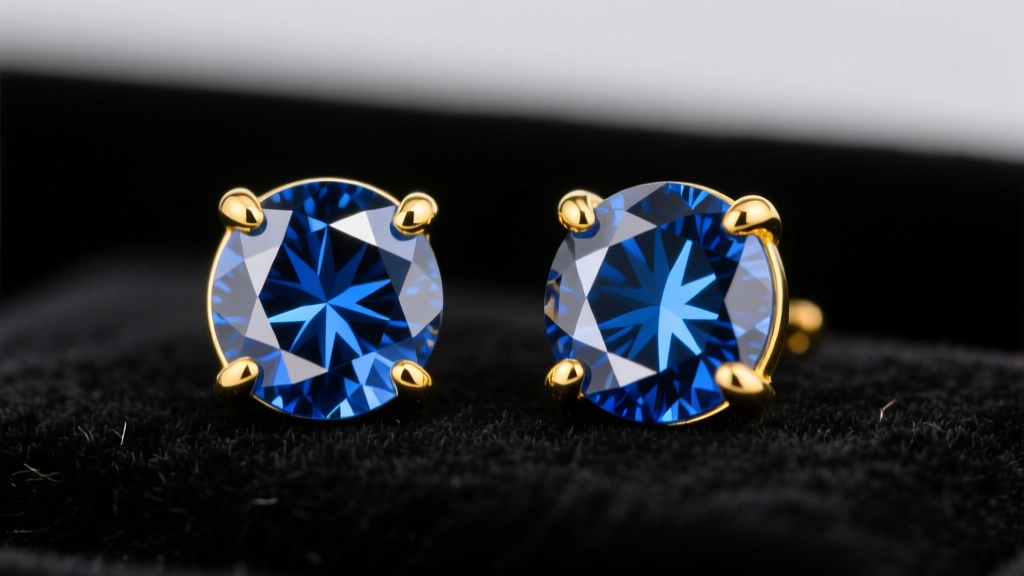
The Anatomy of Blue Star Earrings: Motif vs. Gemstone
When navigating the jewelry market in 2026, the search for "blue star earrings" typically bifurcates into two distinct categories: gemological phenomena and geometric design motifs. On one hand, you have the natural optical marvel of the star sapphire, a cabochon-cut gemstone exhibiting asterism. On the other, you have star-shaped earring designs (studs, huggies, or drops) inlaid with blue materials like vitreous enamel, lapis lazuli, or faceted blue topaz. Understanding the material properties, durability metrics, and biocompatibility of these variations is critical for making an informed purchase, especially for those with sensitive ear lobes or healing cartilage piercings.
This comprehensive guide breaks down the exact mineral compositions, metallurgical grades, and failure modes associated with blue star earrings, providing a definitive framework for collectors and everyday wearers alike.
The Gemological Angle: Asterism in Star Sapphires
True star sapphires belong to the corundum family (aluminum oxide, Al2O3) and rank at a 9 on the Mohs hardness scale, making them exceptionally resistant to scratching. The "star" effect, known as asterism, is not a surface treatment but an internal optical phenomenon caused by densely packed, microscopic rutile (titanium dioxide) needle inclusions. When cut en cabochon with the base parallel to the horizontal crystal planes, these needles reflect light in a sharp, six-rayed star.
Natural vs. Synthetic Corundum
In the current market, you will encounter both natural and synthetic star sapphires. Natural stones with high translucency and a sharp, centered star are exceedingly rare and command premium prices, often exceeding $2,000 per carat for untreated specimens. However, the majority of affordable blue star sapphire earrings on the market utilize synthetic corundum created via the Verneuil flame-fusion process or the Linde star process. These lab-created stones offer perfect color saturation and a flawless, highly defined star for a fraction of the cost (typically $50 to $150 for a matched pair of studs). According to the Gemological Institute of America (GIA), synthetic star sapphires share the exact same chemical and physical properties as their natural counterparts, making them an excellent, durable choice for daily-wear lobe studs.
The Motif Angle: Enamel, Lapis, and Topaz Inlays
If your preference leans toward the star-shaped silhouette rather than the asterism phenomenon, the material inlay dictates the earring's longevity and care requirements.
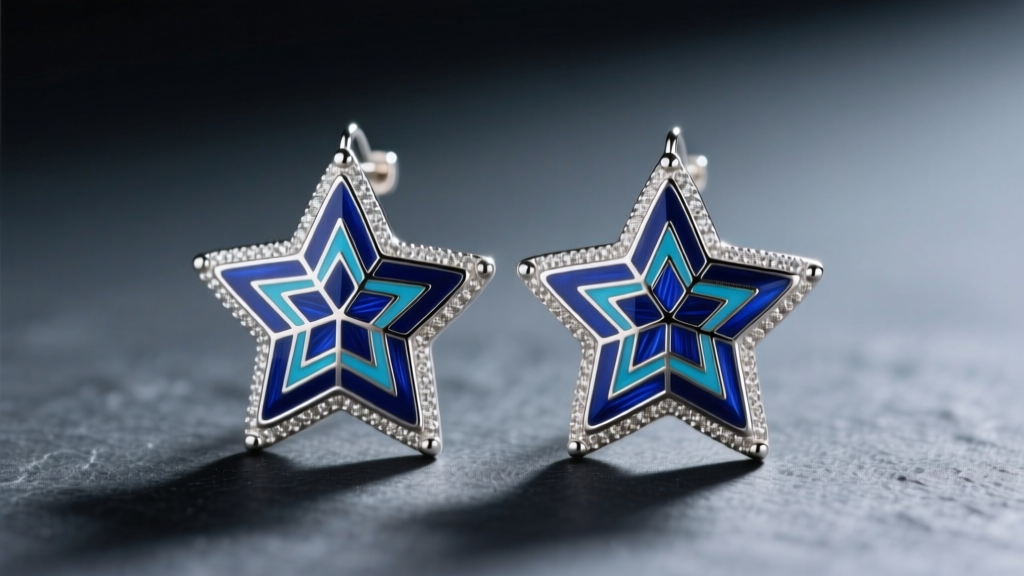
Vitreous Enamel and Guilloché Techniques
High-end blue star motif earrings often utilize vitreous enamel—a powdered glass fused to a metal substrate at temperatures exceeding 1400°F (760°C). The Vitreous Enamel Association notes that properly fired enamel is highly resistant to UV fading and chemical tarnishing. The most prized technique is guilloché, where the enamel is laid over an engine-turned, geometrically engraved silver or gold base, allowing light to refract through the translucent blue glass, creating a shimmering, multi-dimensional star. However, enamel's critical failure mode is impact; dropping these earrings on a hard surface can cause the glass to chip or shatter.
Lapis Lazuli and Blue Topaz
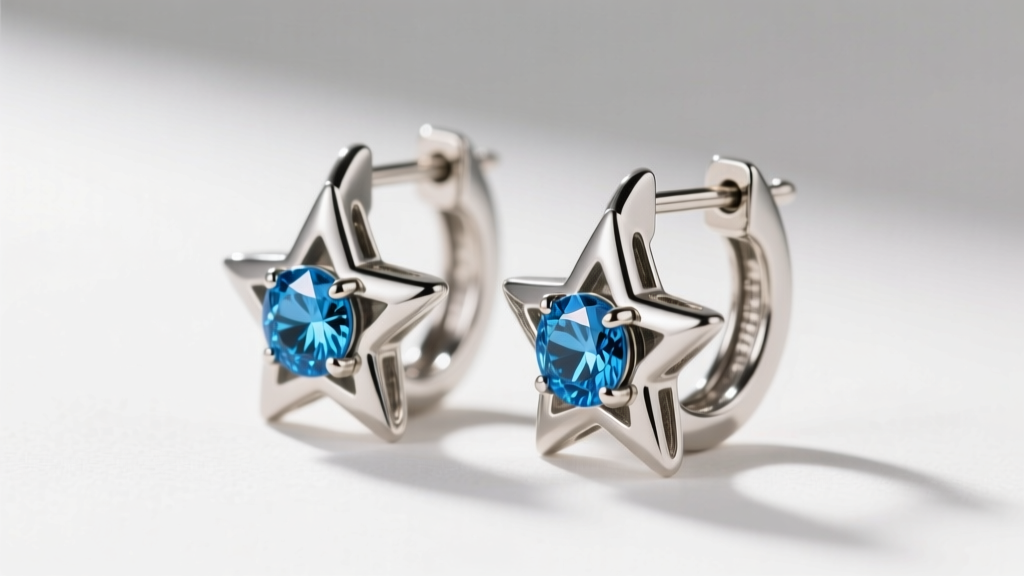
For opaque, matte-finish star studs, Lapis Lazuli is a frequent choice. Composed primarily of lazurite, calcite, and pyrite, Lapis sits at a 5 to 6 on the Mohs scale. It is highly porous and sensitive to acidic cleaners, meaning it requires protective bezel settings to prevent edge chipping. Conversely, faceted Blue Topaz (treated via irradiation and heat to achieve Swiss or London blue hues) is often set into star-shaped prong settings. At an 8 on the Mohs scale, Topaz is highly scratch-resistant but possesses perfect basal cleavage, meaning a sharp blow against a hard surface can split the stone cleanly along its crystallographic planes.
Metallurgical Breakdown: Settings and Biocompatibility
The metal holding your blue star elements is just as vital as the gemstone, particularly for cartilage piercings (like the helix or tragus) where tissue is highly reactive to nickel and heavy metal alloys. Below is a comparison of the most common metal grades used in 2026 earring manufacturing.
| Metal Grade | Composition & Properties | Biocompatibility | Best Use Case |
|---|---|---|---|
| ASTM F136 Titanium | Implant-grade Ti-6Al-4V alloy. Highly polished, non-porous, completely nickel-free. | Exceptional. The gold standard for fresh piercings and hyper-sensitive skin. | Cartilage huggies, helix studs, healing piercings. |
| 14k Solid Gold | 58.5% pure gold alloyed with silver, copper, and sometimes zinc or nickel for strength. | High, provided it is nickel-free (look for "nickel-white" or yellow/rose gold). | Healed lobe piercings, luxury star sapphire bezels. |
| 925 Sterling Silver | 92.5% silver, 7.5% copper. Prone to oxidation and sulfur-induced tarnishing. | Moderate. Copper alloys can cause contact dermatitis in sensitive individuals. | Occasional wear motif earrings, enamel star drops. |
For those wearing blue star huggie earrings in upper cartilage piercings, the Association of Professional Piercers (APP) strictly recommends ASTM F136 implant-grade titanium. Unlike commercial "surgical steel" (which can contain up to 8% nickel), F136 titanium is virtually inert in the human body, eliminating the risk of allergic contact dermatitis and ensuring the piercing channel remains healthy.
Pricing Tiers and Failure Modes
When budgeting for blue star earrings, it is essential to align your expectations with the material realities of your chosen price tier.
- Entry-Level ($20 - $80): Typically features synthetic Linde star sapphires set in sterling silver or gold-plated brass. Failure Mode: Plating wear. The thin layer of gold or rhodium will eventually rub off, exposing the base brass, which reacts with skin oils to turn the earlobe green and cause irritation.
- Mid-Tier ($100 - $400): Features genuine guilloché enamel on 925 silver, or faceted Swiss blue topaz in 10k/14k gold. Failure Mode: Prong degradation or enamel chipping. Thin prongs holding topaz stars can bend if snagged on clothing, risking stone loss.
- Fine / Investment ($500 - $3,000+): Natural, unheated star sapphires in 18k gold or platinum bezels. Failure Mode: Cabochon fracturing. While sapphires are hard, they are not tough; a severe impact against a steering wheel or countertop can cause internal stress fractures.
Care Protocols by Material Type
Maintaining the optical brilliance of your blue star earrings requires tailored cleaning protocols based on their specific material makeup.
Cleaning Star Sapphires and Topaz
Because both corundum and topaz are highly resistant to chemical damage, they can be safely cleaned using a few drops of mild dish soap and warm distilled water. Use a soft-bristled baby toothbrush to gently agitate the back of the cabochon or the pavilion of the faceted topaz, where skin oils and lotions accumulate and dull the light return. Avoid ultrasonic cleaners if the star sapphire has been fracture-filled with glass or resin, as the high-frequency vibrations can shatter the filler.
Maintaining Vitreous Enamel and Lapis Lazuli
Enamel and Lapis require a much gentler touch. Never use ultrasonic cleaners, steamers, or harsh chemical dips (like silver polish) on these materials. The chemicals can strip the polish from the Lapis or etch the surface of the enamel. Instead, wipe them gently with a damp, lint-free microfiber cloth. For sterling silver star motifs that have tarnished around the enamel inlay, use a specialized silver polishing cloth, being meticulously careful not to rub the abrasive polishing compound into the blue glass or stone, which will cause micro-scratches and a cloudy appearance over time.


