Blueberry Earrings: The Beginner's Guide to 2026 Trends
Discover everything about blueberry earrings in our 2026 beginner guide. Learn about gemstone choices, gauge sizes, styling, and care tips.

Defining the Blueberry Aesthetic in Jewelry
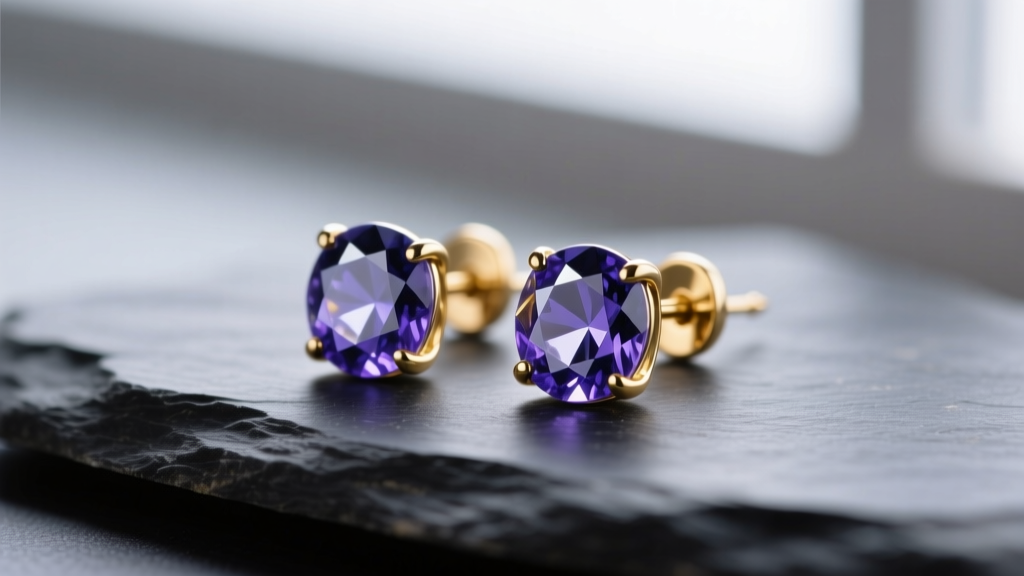
As we navigate the jewelry trends of 2026, the 'blueberry' aesthetic has emerged as a dominant force in ear styling. But what exactly does this term mean in the context of fine and fashion jewelry? Blueberry earrings are characterized by their deep, moody, and slightly muted purple-blue coloration. Unlike the bright, electric blues of traditional sapphires or the sheer pastel tones of aquamarine, the blueberry hue mimics the rich, dark, and complex skin of a ripe wild blueberry. This color profile offers a sophisticated alternative to standard black onyx or navy enamel, providing a subtle pop of color that reads as neutral in professional settings but reveals its vibrant undertones in direct sunlight.
For beginners, understanding this color palette is crucial because 'blueberry' is not a specific gemstone, but rather a color grade and aesthetic category. Jewelers achieve this look through a variety of mediums, ranging from rare pleochroic gemstones to high-fired vitreous enamel. Choosing the right medium depends entirely on your budget, your piercing placement, and how rigorously you plan to wear the pieces. In this comprehensive guide, we will break down the material science, anatomical considerations, and styling frameworks necessary to curate a flawless blueberry ear curation.
Material Breakdown: Gemstones vs. Enamel vs. Glass
The most common mistake beginners make is assuming all blueberry-colored earrings are created equal. The material dictates not only the price but the durability, weight, and light refraction of the earring. Below is a detailed comparison of the three primary materials used to achieve this aesthetic.
| Material | Mohs Hardness | Avg. Price Range | Best For | Durability Notes |
|---|---|---|---|---|
| Iolite (Gemstone) | 7.0 - 7.5 | $80 - $250 | Everyday lobe studs | Highly pleochroic; can chip if struck along cleavage planes. |
| Tanzanite (Gemstone) | 6.5 - 7.0 | $300 - $800+ | Special occasion drops | Perfect cleavage makes it prone to splitting if dropped on tile. |
| Vitreous Enamel | 5.5 - 6.0 | $40 - $150 | Hoops and huggies | Fired onto metal; highly scratch-resistant but can shatter under heavy impact. |
| Cobalt Glass | 5.5 | $15 - $60 | Fashion dangles | Prone to micro-scratches over time; loses luster with chemical exposure. |
According to the Gemological Institute of America (GIA), understanding a gemstone's cleavage and hardness is vital for daily wear. Iolite is the undisputed champion of the blueberry hue for everyday studs. It naturally exhibits a violet-blue color that perfectly matches the trend, and its relatively high hardness makes it suitable for standard lobe piercings. However, if you are looking at drop earrings that might swing and hit surfaces, tanzanite requires extreme caution due to its perfect cleavage, meaning a single sharp knock can split the stone internally.
Gauge Sizes and Piercing Placements
A beautiful blueberry earring will cause immense frustration if the post or wire does not fit your specific piercing. The jewelry industry uses the American Wire Gauge (AWG) system, and beginners often accidentally purchase the wrong thickness. Here is the definitive framework for matching your blueberry earrings to your anatomy:
- Standard Earlobes (20G or 18G): Most fine jewelry studs and lightweight dangles are crafted at 20-gauge (0.81mm) or 18-gauge (1.02mm). If you have standard lobe piercings done with a gun or standard needle, 20G is your safest bet for a seamless fit.
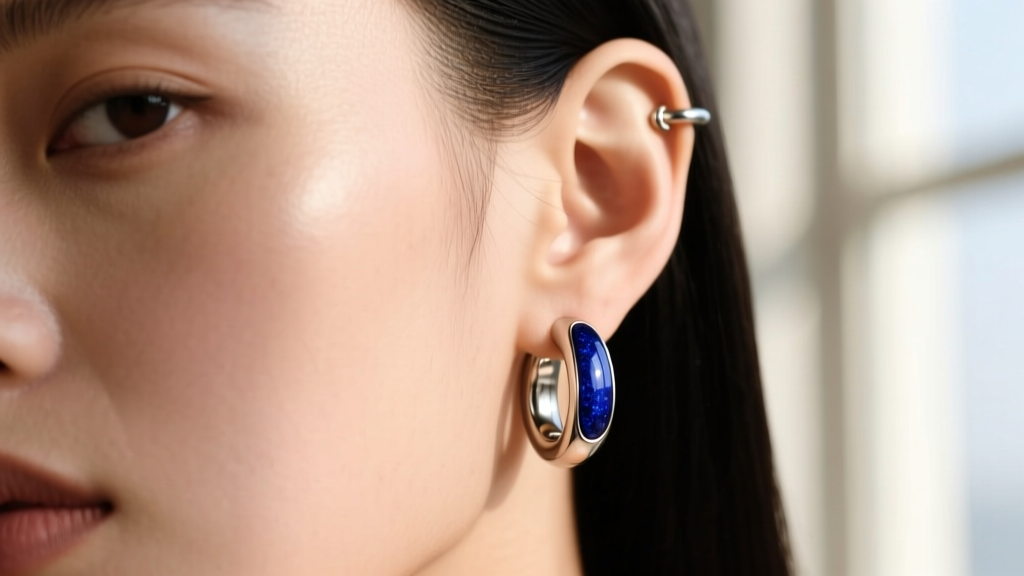
- Cartilage / Helix / Conch (16G or 18G): Cartilage piercings are typically pierced at 16-gauge (1.29mm) to prevent the 'cheese-cutter effect,' where thin wire migrates through the tissue. If you want a blueberry enamel huggie for your helix, you must verify it is 16G. Forcing an 18G hoop into a 16G piercing can cause micro-tears and irritation bumps.
- Industrial / Scaffold (14G): Though rare for delicate gemstone work, some heavy-duty blueberry glass or steel barbells are made in 14-gauge (1.63mm) for industrial piercings.
For those with fresh or healing piercings, the Association of Professional Piercers (APP) strictly recommends implant-grade titanium (ASTM F-136). Fortunately, many high-end enamel artists now fire their deep blueberry pigments directly onto titanium bases, allowing you to safely wear this color trend even during the healing process.
Styling for Skin Tones and Face Shapes
The blueberry palette is remarkably versatile, but its underlying undertones interact differently with various skin complexions. Blueberry hues generally possess a cool, violet-leaning undertone. If you have cool or olive skin tones, this color will make your skin look luminous and bright. If you have warm, golden, or peachy undertones, the contrast can be striking, but you should pair the earrings with yellow or rose gold settings to bridge the gap between the cool stone and your warm skin.
When considering face shapes, the cut of the blueberry gemstone or the shape of the enamel drop plays a pivotal role in visual balancing:
- Round Faces: Opt for elongated blueberry drop earrings or marquise-cut iolite studs. The vertical lines draw the eye downward, creating the illusion of a longer, more oval facial structure.
- Square Faces: Soften a strong jawline with circular blueberry enamel hoops or round-cut tanzanite huggies. The curved geometry contrasts beautifully with angular bone structure.
- Heart-Shaped Faces: Chandelier or teardrop earrings that are wider at the bottom help add visual weight to a narrower chin, balancing the wider forehead.
Long-Term Care and Maintenance
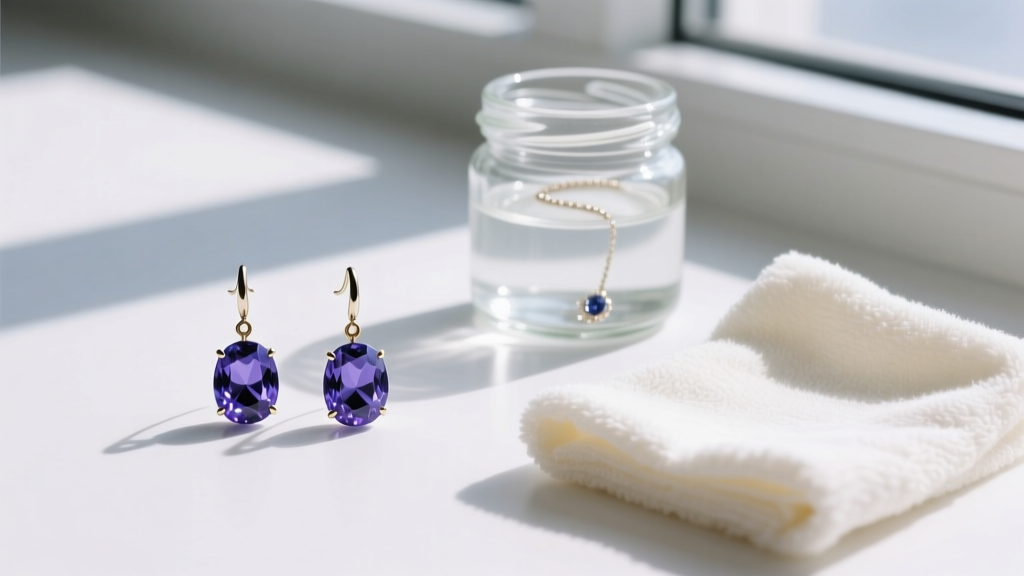
Maintaining the rich, velvety appearance of blueberry earrings requires specific care protocols depending on the material. Gemstones like iolite and tanzanite are porous enough to trap body oils and lotions, which can dull their signature violet-blue sparkle. To clean them, use a solution of warm water and a few drops of mild, phosphate-free dish soap. Gently brush the back of the stone (the pavilion) with a baby-soft toothbrush. Never use ultrasonic cleaners for tanzanite or enamel pieces; the high-frequency vibrations can shatter the enamel or fracture the tanzanite along its cleavage planes.
For vitreous enamel blueberry hoops, the primary enemy is thermal shock. Enamel is essentially glass fused to metal. If you wear your earrings in a hot sauna and then immediately jump into a cold plunge pool, the rapid expansion and contraction of the underlying metal can cause the enamel to pop or craze (develop microscopic cracks). Always remove enamel jewelry before extreme temperature changes. Store all blueberry pieces in individual anti-tarnish pouches to prevent harder metals or diamonds from scratching the softer gemstone surfaces.
Pricing Tiers and Where to Invest
When building your collection, it helps to categorize your purchases into three distinct tiers based on your budget and wearability needs:
1. The Fashion Tier ($20 - $80): This tier includes cobalt glass, acrylic, and cold-enamel (epoxy resin) pieces. While the color can be an exact match for the blueberry trend, resins will yellow over time when exposed to UV light and skin acidity. Buy these for seasonal trends or costume styling, but do not expect heirloom longevity.
2. The Accessible Fine Tier ($150 - $400): Here you will find 14k gold-plated or solid 10k/14k gold settings paired with genuine iolite or high-fired vitreous enamel. This is the sweet spot for beginners looking for everyday durability without the investment-grade price tag. Brands specializing in demi-fine jewelry often utilize iolite to keep costs down while delivering genuine gemstone brilliance.
3. The Investment Tier ($600+): This tier features solid 18k gold or platinum settings with AAA-grade tanzanite or heat-treated blue sapphires cut to mimic the muted blueberry tone. These pieces are meant for legacy wear and special occasions. When purchasing at this level, always demand a gemological certificate to verify the origin and treatment of the stones.
By understanding the nuances of material hardness, gauge sizing, and color theory, you can confidently navigate the blueberry earring trend. Whether you are opting for a subtle iolite stud for your daily office wear or a dramatic tanzanite drop for an evening event, this moody, sophisticated hue will remain a staple in your jewelry wardrobe for years to come.


