How to Wear Clip Earrings: Comfort, Care, and Cleaning Tips
Learn how to wear clip earrings comfortably while mastering essential care, hinge maintenance, and cleaning techniques for vintage and modern pairs.

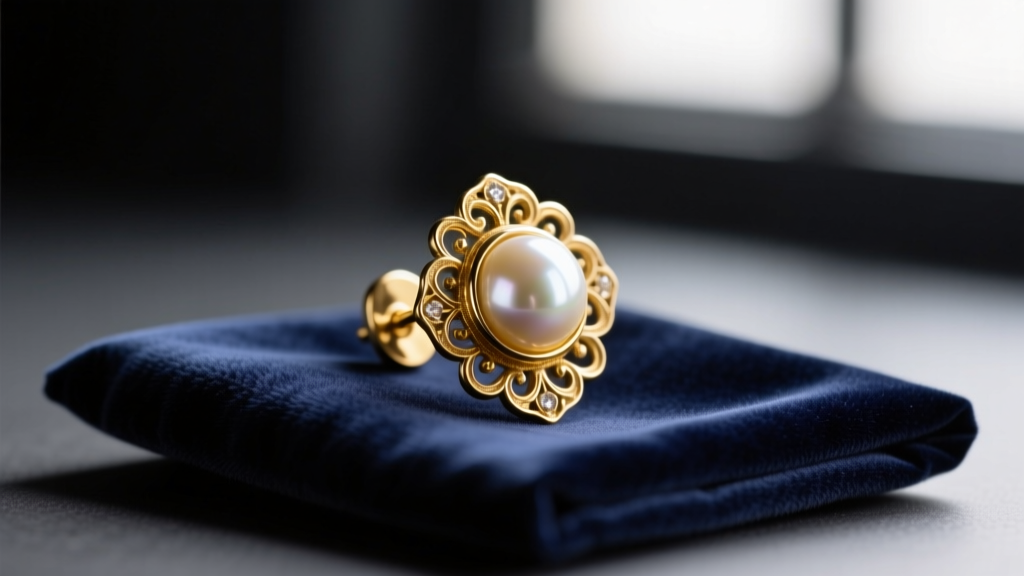
Clip-on earrings have experienced a massive renaissance in contemporary fashion, bridging the gap between vintage glamour and modern accessibility. Whether you are wearing un-pierced ears, managing metal allergies, or simply rotating a curated collection of archival designer pieces, understanding the mechanics of your jewelry is paramount. Learning how to wear clip earrings is not just about placement; it is an ongoing practice of tension management, material conservation, and hygiene. In this comprehensive guide, we break down the exact protocols for adjusting, cleaning, and maintaining both modern and vintage clip-on earrings to ensure lifelong comfort and structural integrity.
The Mechanics of Clip-Ons: Understanding Your Hardware
Before applying any cleaning solution or adjusting the fit, you must identify the specific mechanism of your earrings. The tension required to keep a clip-on secure without cutting off circulation to the earlobe relies on precise metalworking. The three most common mechanisms include:
- Omega / Spring Clips: Feature a hinged, curved paddle backed by a hidden tension spring. Common in mid-century vintage and modern Chanel or Dior pieces.
- Screw-Backs: Utilize a threaded post and a flat or padded disc that manually tightens against the earlobe. Highly adjustable but prone to thread stripping if over-torqued.
- Invisible / Magnetic Clips: Rely on rare-earth neodymium magnets or clear acrylic tension bands. These require entirely different care protocols to avoid demagnetization or acrylic clouding.
According to conservation guidelines from the Victoria and Albert Museum (V&A), identifying the base metal and the plating type (e.g., gold wash, rhodium, or nickel silver) is the mandatory first step before introducing any moisture or chemical agents to the hardware.
How to Wear Clip Earrings Without Pain (Tension Adjustment)
The most common complaint regarding clip-ons is earlobe fatigue or pinching. This is rarely an issue with your anatomy and almost always an issue with improper spring tension. Over time, the metal memory of the clip weakens, or conversely, vintage pieces arrive with factory settings meant for thicker earlobes.
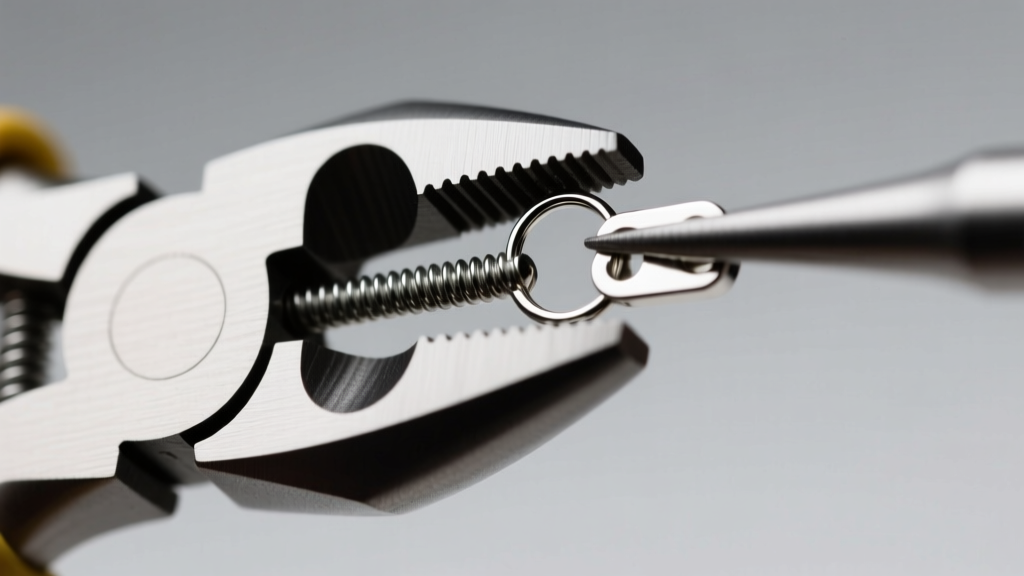
Adjusting Omega Spring Clips
To loosen an overly tight omega clip, do not use your bare hands, as this introduces oils and risks snapping the hinge pin. Instead, use a jewelry mandrel or the smooth, rounded handle of a rat-tail file. Gently press the curved paddle outward to stretch the metal arc by 1-2 millimeters. If the clip is too loose and sliding off, use soft-jaw nylon pliers to apply gentle, even pressure to the sides of the paddle, narrowing the curve. Never use standard steel jewelry pliers, as they will permanently mar the gold or rhodium plating.
Calibrating Screw-Backs
For screw-backs, the tension should be adjusted so that the earring rests securely with exactly one full rotation past the point of contact with the earlobe. If the threads are grinding or catching, apply a microscopic drop of synthetic watch oil (such as Moebius 9010) to the threads using a fine needle. Avoid petroleum-based lubricants like WD-40, which will degrade any adjacent resin, Bakelite, or celluloid components.
Routine Cleaning Protocols by Material
Sweat, sebum, and cosmetic products accumulate rapidly on the interior paddle of clip-on earrings, creating a breeding ground for bacteria and accelerating metal oxidation. The Gemological Institute of America (GIA) emphasizes that cleaning methods must be strictly tailored to the gemstone and metal composition.
Base Metals and Plating
For standard gold-plated or silver-toned clip-ons without delicate gemstones, create a solution of lukewarm distilled water and a few drops of pH-neutral dish soap (like Dawn). Dip an extra-soft baby toothbrush into the solution and gently agitate the interior paddle and hinge crevices. Rinse briefly under a low stream of distilled water—never tap water, as dissolved minerals will leave permanent water spots on rhodium plating. Pat dry immediately with a lint-free microfiber cloth and allow to air dry completely on a paper towel before storage.
Rhinestones, Enamel, and Foil-Backed Gems
Vintage clip-ons frequently feature foil-backed aurora borealis (AB) rhinestones or cold enamel detailing. Never submerge these pieces in water. Moisture will seep beneath the prongs, causing the silver foil to oxidize and turn black, effectively killing the stone's brilliance. Instead, use a dry, soft-bristled makeup brush to dust away debris. For stubborn grime on the metalwork, lightly dampen a cotton swab with isopropyl alcohol (90% or higher) and carefully swab the metal, strictly avoiding the gemstone settings and enamel channels.
Maintenance: Hinges, Springs, and Pads
Proactive maintenance extends the lifespan of your earrings and drastically improves wearing comfort. The table below outlines the specific maintenance schedules for the primary components of clip-on earrings.
| Component | Maintenance Action | Frequency | Materials Required |
|---|---|---|---|
| Hinge Pins | Lubrication and debris removal | Every 6 months | Synthetic watch oil, fine needle, compressed air |
| Comfort Pads | Replacement and sanitization | Every 3-4 months | 10mm/12mm medical-grade silicone pads, rubbing alcohol |
| Screw Threads | Thread cleaning and oiling | Annually | Soft brass brush, micro-dropper with mineral oil |
| Metal Paddles | Tension recalibration | As needed (when slipping/pinching) | Soft-jaw nylon pliers, jewelry mandrel |
Upgrading to Silicone Comfort Pads
Most vintage and modern clip-ons ship with cheap foam or felt adhesive pads. These materials act as sponges for sweat and hair spray, degrading within weeks and leaving a sticky residue on the metal paddle. We strongly recommend removing these with a Goo Gone adhesive remover (applied carefully to a Q-tip, avoiding any pearls or porous stones) and upgrading to medical-grade silicone clip-on pads. Available in 10mm, 12mm, and 14mm diameters, silicone pads provide superior grip, distribute pressure evenly across the earlobe, and can be wiped clean with alcohol after every wear.
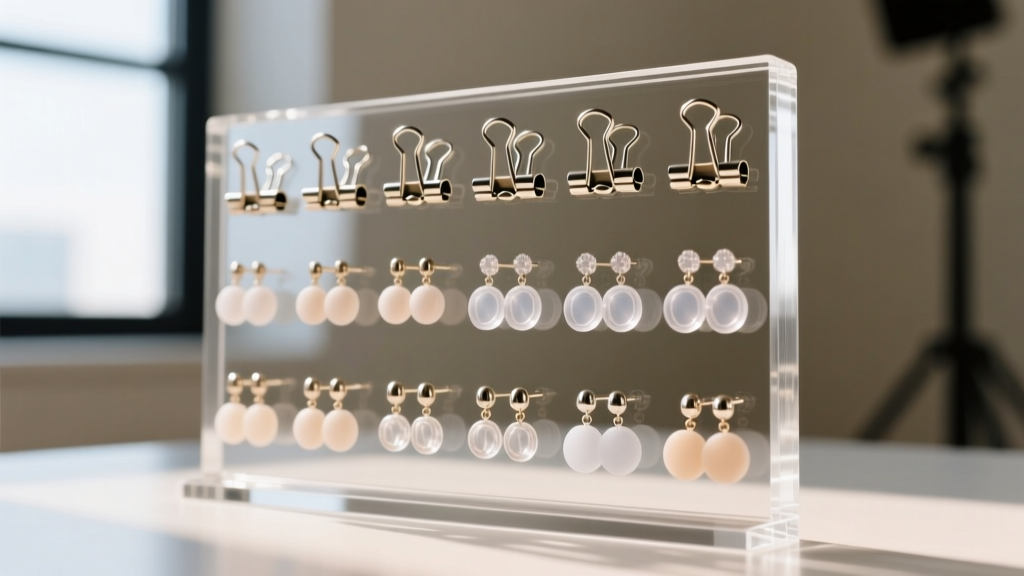
Storage and Environmental Controls
How you store your clip-on earrings directly impacts the tension of the springs and the oxidation rate of the metals. Tossing clip-ons into a communal jewelry box allows the metal paddles to snag on other pieces, bending the hinges and ruining the calibrated tension.
Store each pair individually in a soft flannel pouch or a compartmentalized acrylic organizer. If you are storing vintage base-metal pieces (which often contain copper alloys that react with sulfur in the air to form tarnish), place a 3M anti-tarnish strip or a piece of Pacific Silvercloth inside the storage drawer. Maintain a stable environment with a relative humidity below 50%; storing your jewelry in a bathroom exposes the hinges to constant steam, which will rapidly degrade the internal springs and cause irreversible rust on non-stainless components.
Final Thoughts on Clip-On Longevity
Mastering how to wear clip earrings is a blend of ergonomic adjustment and meticulous conservation. By treating the hinges with precision tools, upgrading to hypoallergenic silicone pads, and adhering to material-specific cleaning protocols, you transform clip-ons from uncomfortable novelties into secure, all-day wearable art. Whether you are rocking a pair of 1980s Monet geometric clips or modern architectural resin pieces, consistent care ensures they remain a staple in your rotation for decades to come.


