How to Clean My Earrings: Material Buying Guide & Care Protocols
Learn how to clean my earrings based on metal type. This buying guide covers low-maintenance materials and exact cleaning protocols for 2026.

The Hidden Cost of High-Maintenance Metals
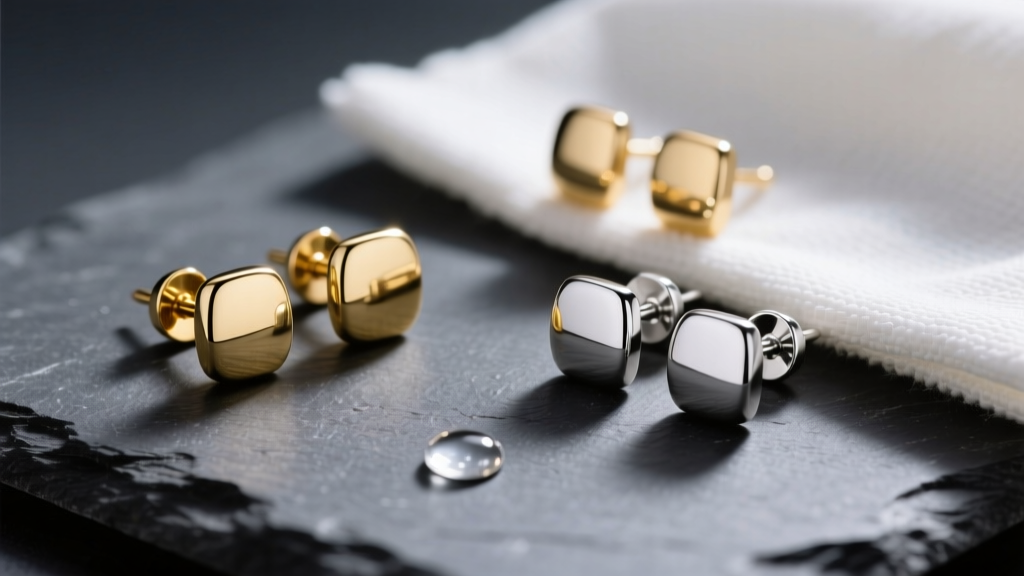
When you find yourself frantically searching for how to clean my earrings, the root cause usually isn't your hygiene routine—it is your purchasing strategy. The jewelry market is flooded with aesthetic designs crafted from porous alloys, thin gold plating, and unsealed sterling silver that oxidize the moment they touch your skin's natural pH. As a buyer in 2026, understanding the metallurgy of your earrings is the ultimate cheat code to low-maintenance wear. If you are tired of scrubbing tarnish out of intricate filigree or dealing with green skin discoloration, this buying guide will reframe how you shop. We will break down exactly what to look for on the metals market and provide the precise, science-backed cleaning protocols for the pieces you already own.
Material Matrix: What to Buy Based on Your Cleaning Tolerance
Before adding any piece to your cart, evaluate the material grade against your lifestyle. Below is a structural breakdown of common earring metals, their tarnish rates, and the maintenance they demand.
| Material Grade | Tarnish Rate | Cleaning Protocol | Best Buyer Profile |
|---|---|---|---|
| Implant-Grade Titanium (ASTM F136) | Zero (Inert) | Warm water & mild soap | Active lifestyles, sensitive skin, 24/7 wearers |
| Solid 14k / 18k Gold | Very Low | Microfiber polish, ultrasonic | Everyday luxury buyers, heirloom investors |
| Niobium | Zero (Inert) | Saline wipe | Cartilage piercings, metal allergy sufferers |
| 925 Sterling Silver | High (Reacts to Sulfur) | Chemical dip, polishing cloth | Budget-conscious buyers willing to maintain |
| Gold Vermeil (Min. 2.5μm) | Moderate (Wears over time) | Damp cloth only (No chemicals) | Trend-focused buyers replacing seasonally |
Exact Protocols: How to Clean My Earrings by Metal Grade
The internet is full of destructive DIY cleaning hacks involving toothpaste and baking soda. These abrasive methods create micro-scratches in the metal, which actually accelerate future tarnishing by creating microscopic pockets for sebum and dead skin to hide. Here is what you should actually be doing.
Implant-Grade Titanium & Niobium (The Zero-Maintenance Tier)
If you are buying body jewelry for fresh or healed cartilage piercings, the Association of Professional Piercers (APP) strictly recommends ASTM F136 titanium. Because it contains zero nickel and is biologically inert, it does not oxidize. To clean these, simply use a sterile 0.9% sodium chloride saline wound wash. Spray it onto a non-woven gauze pad and wipe the post and decorative end. Avoid soaking them in harsh alcohols, which can degrade the anodized color layers on niobium or titanium.
14k/18k Solid Gold & Platinum (The Gentle Polish Tier)
Solid gold alloys (mixed with copper or zinc for strength) can accumulate lotion and sebum buildup, making diamonds and gemstones look cloudy. Create a bath of warm distilled water and three drops of phosphate-free dish soap (like Dawn). Let the earrings soak for 15 minutes. Use an extra-soft baby toothbrush to gently sweep the pavé settings and under the gallery wire. Rinse with distilled water to prevent hard water spots and pat dry with a lint-free microfiber cloth.
Sterling Silver & Gold Vermeil (The Active Tarnish Tier)
Sterling silver (92.5% silver, 7.5% copper) reacts with hydrogen sulfide in the air to form silver sulfide—the black tarnish you see. For heavy tarnish, use a specialized liquid silver dip, but never use these dips on earrings featuring porous gemstones like turquoise, opals, or pearls, as the chemicals will permanently strip the stone's luster. For gold vermeil, which is a thick layer of gold over a sterling silver base, never use ultrasonic cleaners or silver dips. The vibrations and chemicals will strip the gold micron layer, exposing the silver beneath.
Cartilage vs. Lobe: Adjusting Your Cleaning Strategy for Healing Piercings
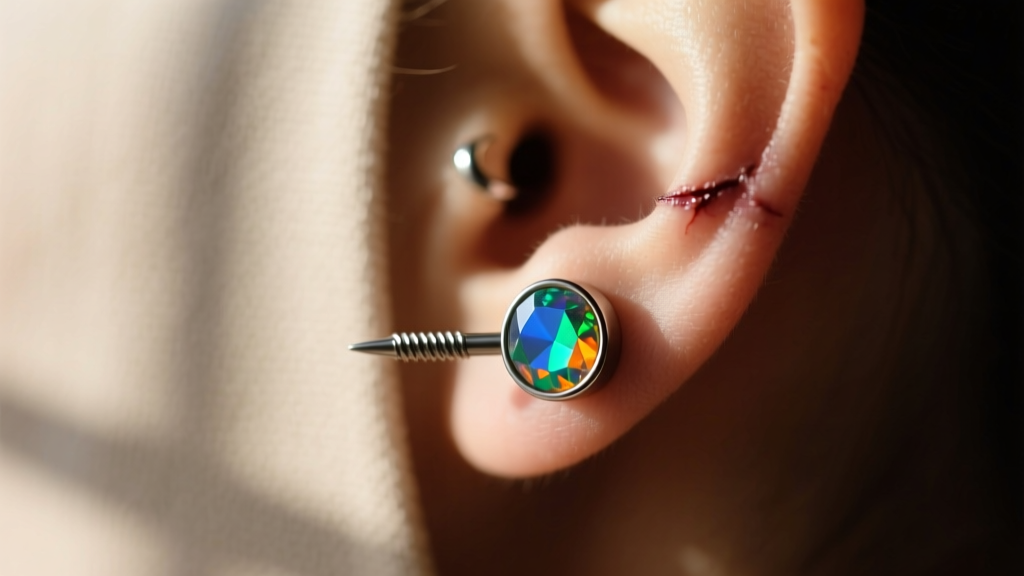
When shopping for earrings, the anatomy of the piercing dictates the hardware you should buy, which in turn changes how you clean it. Standard lobe piercings are typically 20-gauge (0.8mm) or 18-gauge (1.0mm) and heal quickly, allowing for a wider variety of butterfly backs and hinged hoops. Cartilage piercings (helix, conch, tragus) are usually 16-gauge (1.2mm) or 14-gauge (1.6mm) and take 6 to 12 months to heal.
If you are buying cartilage jewelry, you must look for internally threaded or threadless (push-pin) flat back labrets. Externally threaded earrings have the screw pattern on the post itself. Every time you remove an externally threaded earring, those sharp threads scrape the delicate fistula (the skin tube inside the piercing), creating micro-tears that trap bacteria and sebum. Cleaning a micro-torn fistula is a nightmare; avoiding external threading altogether is the ultimate preventative buying strategy.
Ultrasonic Cleaners vs. Chemical Baths: What to Look For
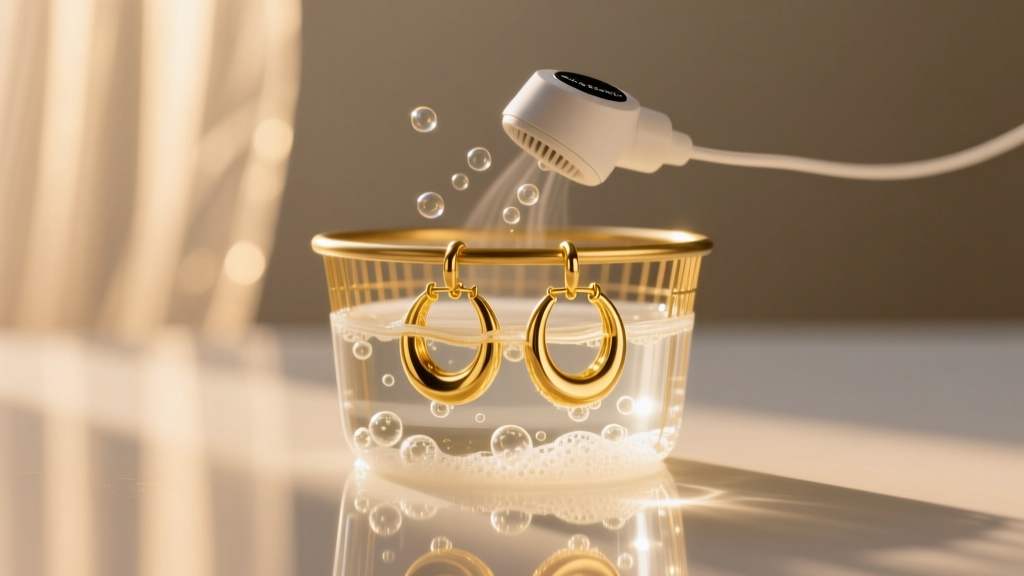
If you own a large collection of diamond studs, solid gold hoops, or platinum drops, investing in an at-home ultrasonic jewelry cleaner is a game-changer. When shopping for a machine in 2026, look for a frequency between 40 kHz and 45 kHz. Frequencies lower than 35 kHz produce larger cavitation bubbles that can actually loosen the prongs on delicate pavé settings or fracture included diamonds. According to the Gemological Institute of America (GIA), ultrasonic waves are phenomenal for dislodging hardened hand lotion and skin cells from under gemstone settings, but they will shatter emeralds and dissolve the resin in fracture-filled rubies. Always verify your gemstone's Mohs hardness and treatment history before using sonic vibrations.
Red Flags: Earring Designs That Trap Debris
Sometimes, the issue isn't the metal, but the architecture of the earring itself. If you hate spending time cleaning your jewelry, avoid buying pieces with the following design flaws:
- Hollow Hoops: Lightweight and affordable, hollow tube hoops inevitably develop microscopic seams that trap sweat and perfume. Over time, they develop an odor that is nearly impossible to flush out without specialized syringes.
- Intricate Filigree & Milgrain: While beautiful, heavily textured vintage-style metals require a magnifying glass and a dental pick to clean properly. If you want low maintenance, opt for high-polish, smooth-surfaced metals.
- Butterfly Friction Backs: The standard push-back earring clasp features tight metal scrolls that act as a magnet for dead skin cells and hair product buildup. Upgrade your purchases to screw-backs, secure click-clasps, or flat-back labrets.
- Porous Organics: Untreated pearls, coral, and wood absorb your skin's oils and environmental pollutants. They cannot be chemically cleaned and must be wiped with a damp cloth immediately after every single wear.
The Buyer's Takeaway: The secret to never having to ask "how to clean my earrings" again is to front-load your effort at the point of purchase. Invest in ASTM F136 titanium, solid 14k gold, and internally threaded hardware. By avoiding porous alloys and debris-trapping architectures, your maintenance routine drops from a weekly chore to a simple monthly wipe-down.


