Shooting Star Earrings: 2026 Value & Budget Guide
Discover the true value of shooting star earrings in 2026. Compare price tiers, material grades, and craftsmanship tips to find the best celestial pair.

The Anatomy of Shooting Star Earrings: What Are You Paying For?
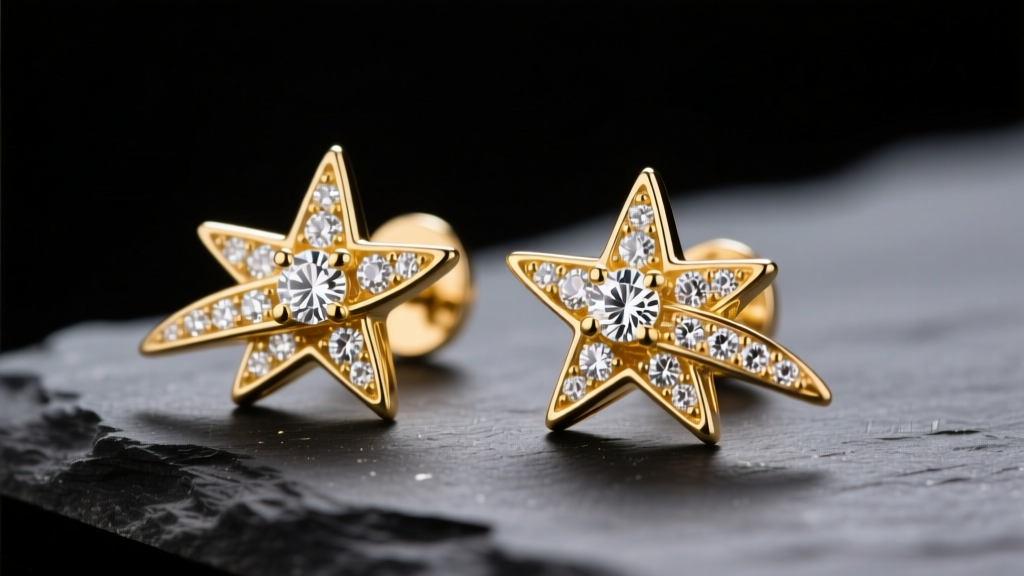
The shooting star earring motif has transcended fleeting trends to become a staple in celestial jewelry collections. Characterized by a focal starburst or stud paired with a trailing, often asymmetrical "tail" of diamonds or gemstones, these earrings offer dynamic movement and brilliance. However, evaluating their true value in 2026 requires looking past the sparkle and examining the metallurgical and gemological foundations. When you invest in shooting star earrings, you are primarily paying for three elements: the base metal integrity, the gold plating thickness (or solid karat weight), and the setting technique used on the trailing tail.
The most common failure point in budget celestial jewelry is the trailing tail. Because the tail extends outward or downward, it acts as a lever. If the base metal is a soft brass alloy or the earring post is a flimsy 22-gauge (0.64mm) wire, the leverage from daily wear will bend the post and warp the star alignment. High-value shooting star earrings utilize a minimum 20-gauge (0.81mm) or 18-gauge (1.02mm) post, ensuring the structural integrity of the lobe piercing while supporting the weight of the comet tail.
2026 Price Tiers: Where Does the Real Value Lie?
Navigating the market requires understanding the correlation between material grades and price points. Below is a comprehensive breakdown of what you should expect to pay, and more importantly, what you should expect to receive in terms of craftsmanship and longevity.
| Value Tier | Price Range (2026) | Base Metal & Finish | Gemstone Quality | Expected Longevity |
|---|---|---|---|---|
| Budget / Fast Fashion | $20 - $55 | Brass/Copper base, flash plated (<0.5 microns) | Standard Cubic Zirconia (CZ), glued or cast-in-place | 3 - 6 months before plating wears or stones drop |
| Mid-Tier / Accessible Luxury | $65 - $180 | 925 Sterling Silver base, 2.5-micron 14k/18k Gold Vermeil | AAA-grade CZ, Moissanite, or small lab-created white sapphires | 2 - 5 years with proper care and occasional re-plating |
| Premium / Fine Jewelry | $250 - $700 | Solid 14k Gold (Yellow, White, or Rose) | Lab-Grown Diamonds (VS Clarity, G-H Color), hand-set prongs | Lifetime wear; can be polished and repaired indefinitely |
| Luxury / Heirloom | $850 - $2,500+ | Solid 18k Gold or Platinum | Natural or Premium Lab Diamonds (VVS Clarity, D-F Color) | Generational heirloom quality with premium brand warranties |
According to the FTC Jewelry Guides, for a piece to be legally marketed as "vermeil" in the United States, it must have a sterling silver base and a gold plating of at least 2.5 microns thick. Many mid-tier brands cut costs by using 1.0-micron plating over brass, which will quickly rub off on the high-friction edges of the shooting star tail. Always verify the micron thickness and base metal before purchasing vermeil.

Material Degradation & Failure Modes in Celestial Jewelry
To assess value like an industry insider, you must understand how shooting star earrings fail. The unique geometry of the "comet tail" introduces specific wear-and-tear vectors that standard studs do not face.
The Micro-Pave Snag Hazard
Most shooting star tails feature a gradient of stones, decreasing in size from the star head to the tip. To achieve this, jewelers use micro-pave settings, where tiny metal beads hold sub-1mm stones in place. In budget and lower-mid-tier earrings, these prongs are often cast directly from the mold rather than hand-set by a bench jeweler. Cast prongs are porous and brittle. When the tail catches on a sweater, hair, or towel, the lateral force snaps the cast prong, resulting in lost stones. Value Tip: If you want a durable shooting star tail, look for channel-set or bezel-set stones on the trailing edge, which offer vastly superior snag resistance for daily wear.
Galvanic Corrosion on Mixed Metals
Some budget brands use a nickel underplate beneath the gold flash plating to increase shine. When the thin gold layer wears away on the tips of the star points, the nickel is exposed to skin acids and sweat. This causes both allergic contact dermatitis and galvanic corrosion, which turns the skin green and degrades the metal structure. High-value pieces strictly avoid nickel, opting for palladium or pure silver alloy underplates.
How to Evaluate Craftsmanship Before Buying
Whether you are shopping online or examining a pair in a boutique, use this expert checklist to determine if the shooting star earrings justify their price tag.
- Post Gauge and Friction Backs: Check the thickness of the post. It should not bend under light pressure. The butterfly back (clutch) should have deep grooves and a tight silicone or metal grip to prevent the heavy tail from pulling the earring forward and drooping on the lobe.
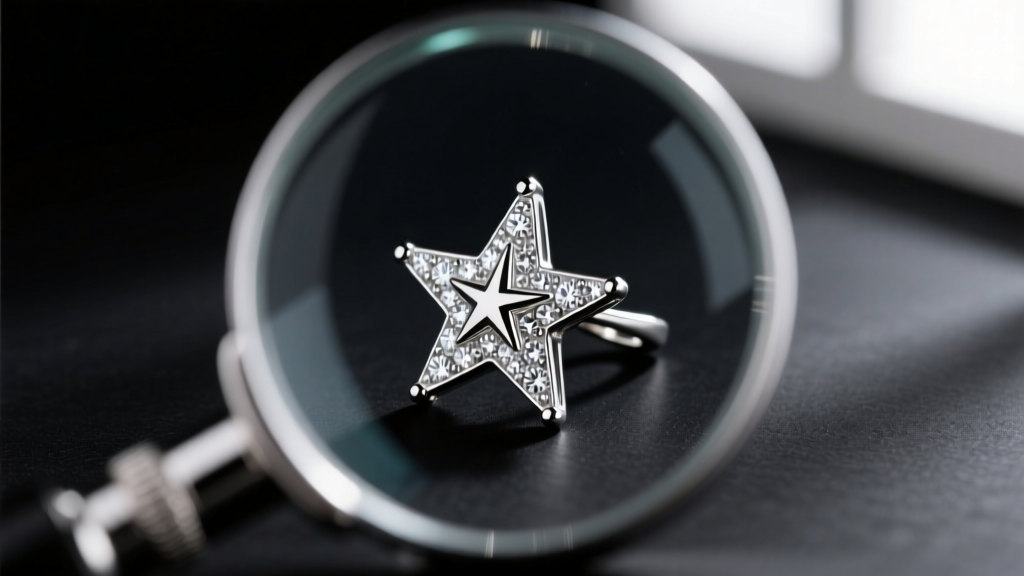
- Stone Alignment: Use a jeweler's loupe or your phone's macro camera to inspect the tail. The stones should sit perfectly flush. If you see uneven gaps, excess metal blobs, or stones that sit higher than their neighbors, the setting was rushed or poorly cast.
- Articulation Points: If the shooting star is a drop or dangle style, examine the jump ring connecting the star head to the tail. A high-value earring will use a soldered (closed) jump ring or a seamless hinge. An open, unsoldered jump ring will eventually pull apart under the pendulum weight of the tail.
- Lab-Grown Diamond Certification: For premium tiers featuring lab diamonds, ensure the stones are graded by a reputable lab. As noted by the Gemological Institute of America (GIA), lab-grown diamonds possess the exact same optical and physical properties as mined diamonds, but they should still come with a grading report detailing the 4Cs to ensure you aren't overpaying for lower-clarity stones.
Top Value Picks by Budget Category
Based on current 2026 market analysis, here is where the smartest money is being spent across different price brackets.
The Mid-Tier Sweet Spot ($80 - $140)
Brands like Mejuri and Gorjana dominate this space. The value here lies in their use of 925 sterling silver bases with thick 14k gold vermeil. Their shooting star designs often favor sleek, polished gold tails rather than heavy micro-pave, which drastically reduces the risk of stone loss and makes the earrings suitable for 24/7 wear, including showering (though removing them is always recommended to preserve the vermeil).
The Premium Investment ($300 - $550)
For solid 14k gold and lab-grown diamonds, direct-to-consumer fine jewelers like Catbird or specialized Etsy artisans offer immense value. By avoiding traditional retail markups, you can secure a pair of solid 14k shooting star threaders or huggies with VS-clarity lab diamonds. Threader styles are particularly valuable here, as the delicate chain mimics the "trail" of a shooting star without the rigid leverage issues of a solid metal tail.
Final Verdict: Maximizing Your Investment
Shooting star earrings are a brilliant way to introduce asymmetry and movement to your jewelry rotation, but their complex geometry demands high-quality craftsmanship. If your budget is under $60, treat the purchase as seasonal costume jewelry and expect the gold plating to fade within months. If you are seeking a permanent fixture in your collection, bypass the flash-plated brass entirely. Invest in a minimum of 2.5-micron vermeil over sterling silver, or step up to solid 14k gold with lab-grown diamonds. By prioritizing bezel settings, soldered jump rings, and 18-gauge posts, your celestial earrings will continue to shine and track perfectly across your lobe for decades to come.


