How to Clean & Care for James Avery Teardrop Earrings
Learn expert cleaning and maintenance tips for James Avery teardrop earrings, covering oxidized silver, gemstones, and hardware care.

The Chemistry of Tarnish and Material Identification
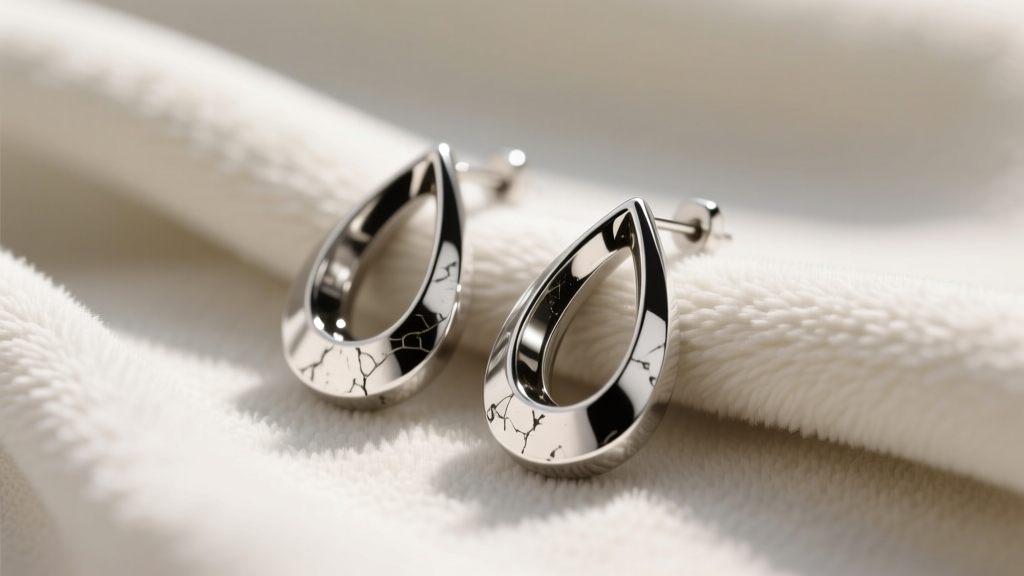
James Avery teardrop earrings are celebrated for their elegant silhouettes and masterful metalwork, but maintaining their luster requires a nuanced understanding of jewelry chemistry. Before applying any cleaning solution, you must accurately identify the specific materials and finishes of your earrings. James Avery primarily utilizes sterling silver (92.5% pure silver, 7.5% copper alloy), 14K gold, and a variety of natural or lab-created gemstones. The copper in sterling silver is what makes it susceptible to tarnish—a chemical reaction where silver and copper react with hydrogen sulfide and moisture in the air to form silver sulfide, presenting as a yellowish, brown, or black film.
Crucially, many James Avery teardrop designs feature an intentional 'antiqued' or oxidized finish. Artisans use liver of sulfur to deliberately darken the recessed areas of the metal, creating high contrast and highlighting intricate details. Applying the wrong cleaning method to an oxidized piece will strip this deliberate patina in seconds, leaving the earrings looking flat and overly bright. According to The Silver Institute, understanding the difference between environmental tarnish and intentional oxidation is the first rule of silver maintenance.
Step-by-Step Cleaning Protocols
The following protocols are tailored to the specific material compositions found in James Avery teardrop collections. Never use ultrasonic cleaners or harsh chemical dips unless explicitly verified for your specific gemstone and metal type.
Protocol A: Oxidized (Antiqued) Sterling Silver
If your teardrop earrings feature darkened crevices, you must avoid all liquid silver dips, polishing pastes, and abrasive home remedies like baking soda. These contain thiourea or micro-abrasives that will strip the oxidation.
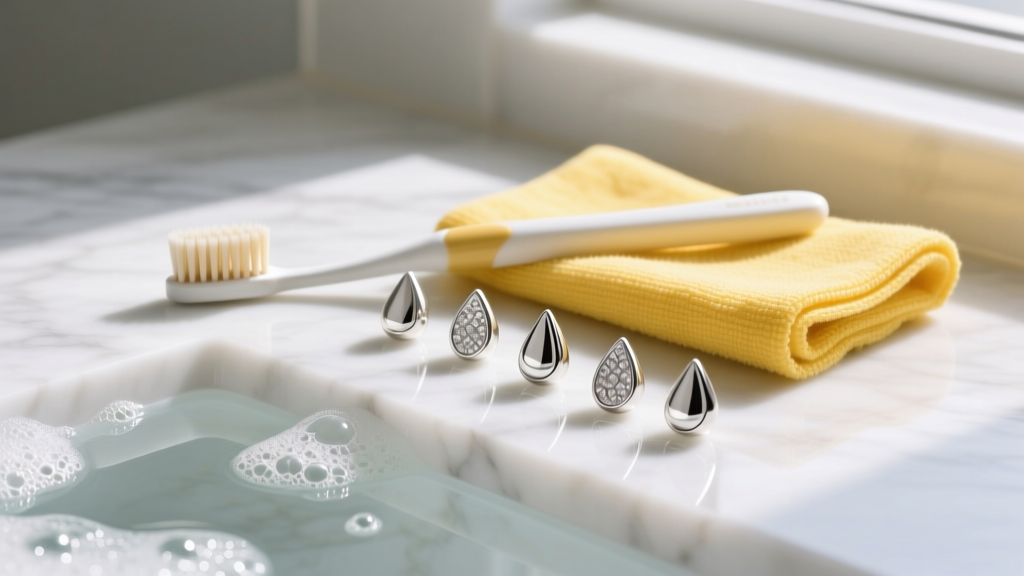
- The Solution: Mix one drop of mild, phosphate-free dish soap (like Dawn) into a cup of lukewarm distilled water. Distilled water prevents hard water minerals from leaving spots.
- The Tool: Use an extra-soft baby toothbrush. Standard toothbrushes have bristles that are too stiff and can cause micro-scratches on the polished high points of the silver.
- The Technique: Dip the brush lightly into the solution and gently agitate the surface. Do not scrub aggressively into the darkened grooves. Rinse immediately under a gentle stream of lukewarm water.
- Drying: Pat dry with a lint-free microfiber cloth. Use a hair dryer on the 'cool' setting to blow water out of the crevices, preventing water spots from forming as it air-dries.
Protocol B: High-Polish Silver and 14K Gold
For teardrop earrings that are entirely bright and polished without intentional antiquing, you can safely remove tarnish and restore the mirror finish.
- The Tool: Use a high-quality jeweler's polishing cloth impregnated with micro-abrasives and jeweler's rouge (such as a Sunshine cloth). These cloths contain specialized chemical cleaners that lift silver sulfide without removing significant layers of metal.
- The Technique: Rub the cloth gently back and forth across the surface of the teardrop. Avoid rubbing in circles, as this can create visible swirl marks on high-polish metals. Never wash the polishing cloth, as this removes the active tarnish-removing compounds.
- Heavy Tarnish: If the silver is heavily blackened, you may need a dedicated silver foam polish. Apply a small amount to a damp sponge, lather gently, rinse thoroughly, and buff dry. Ensure you rinse the ear wire thoroughly to prevent skin irritation from residual chemicals.
Protocol C: Gemstone and Pearl Teardrops
James Avery frequently incorporates gemstones into their teardrop designs. The cleaning method must be dictated by the gemstone's Mohs hardness scale rating and porosity. As noted by the Gemological Institute of America (GIA), organic gems require vastly different care than crystalline stones.
- Pearls (Mohs 2.5 - 4.5): Pearls are highly porous and sensitive to acids, including the natural acids in human sweat. Never submerge pearl teardrops in water, as this can degrade the silk thread or weaken the adhesive holding the pearl to the metal post. Simply wipe them with a soft, slightly damp cloth after every wear.
- Amethyst and Topaz (Mohs 7 - 8): These durable crystalline stones can handle the mild soapy water protocol outlined in Protocol A. However, avoid sudden temperature changes, which can cause thermal shock and fracture the stones.
- Cubic Zirconia (Mohs 8 - 8.5): CZ can accumulate heavy oils and lotions, dulling its brilliance. Clean with the soapy water method, using the soft toothbrush to gently clean the pavilion (the back of the stone) where sebum collects.
Hardware Maintenance: French Wires and Clutches
The structural integrity and hygiene of your earrings rely heavily on the hardware. James Avery teardrops typically utilize French wires (fishhooks) for dangles or posts with friction clutches for studs.
Sanitizing French Wires: The curved wire that passes through the earlobe accumulates dead skin cells, sebum, and hair products. This buildup can cause localized infections or contact dermatitis. Dip a cotton swab in 70% isopropyl alcohol and thoroughly swab the entire length of the ear wire. The alcohol will evaporate quickly, leaving the wire sanitized and free of oily residue that causes friction during insertion.
Tightening Friction Clutches: Over time, the metal loops inside the push-back clutches stretch, causing the earring to feel loose and increasing the risk of losing a valuable teardrop. To restore tension, remove the clutch from the post. Using a pair of smooth-jawed flat-nose pliers, gently squeeze the two metal loops of the clutch closer together. Test the tension on the earring post; it should require a firm, deliberate push to secure.
Comprehensive Care Matrix
Use the following matrix as a quick-reference guide to ensure you are matching the correct cleaning agent and tool to your specific James Avery teardrop variation.
| Material / Finish | Approved Cleaning Agent | Recommended Tool | Strictly Avoid |
|---|---|---|---|
| Oxidized Sterling Silver | Mild dish soap & distilled water | Extra-soft baby toothbrush | Silver dips, polishing cloths, baking soda |
| High-Polish Sterling Silver | Jeweler's rouge or silver foam | Impregnated microfiber polishing cloth | Paper towels, stiff bristle brushes |
| 14K Yellow or White Gold | Mild dish soap & warm water | Soft microfiber cloth | Chlorine bleach, toothpaste |
| Pearl Inlays | Plain water (damp cloth only) | Untreated cotton flannel | Ultrasonic cleaners, alcohol, submersion |
| Amethyst / Topaz / CZ | Mild dish soap & distilled water | Soft baby toothbrush | Steam cleaners, harsh degreasers |
Long-Term Storage and Tarnish Prevention
Proactive storage is significantly more effective than reactive cleaning. Silver tarnish is an environmental reaction, meaning you can slow the process by controlling the earring's micro-environment.
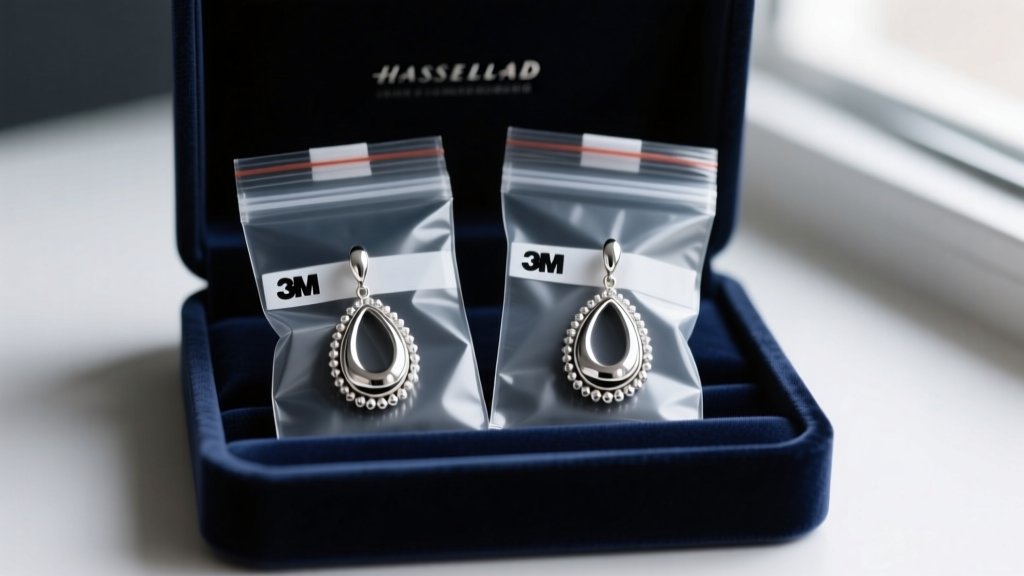
- Anti-Tarnish Strips: Invest in 3M Anti-Tarnish strips. These small paper strips contain copper-based compounds that act as a sacrificial metal, absorbing airborne sulfur gases before they can reach your sterling silver teardrops. Place one strip inside your jewelry box or storage bag, replacing it every six months.
- Micro-Environments: Store each pair of teardrop earrings in its own individual, airtight polyethylene ziplock bag. This prevents the pieces from scratching one another and limits their exposure to ambient humidity. Avoid polyvinyl chloride (PVC) plastics, as they can emit chemicals that accelerate tarnishing and cause pitting on the silver surface.
- Moisture Control: If you live in a high-humidity climate, include a small silica gel desiccant packet inside your primary jewelry storage box to keep the ambient moisture levels low.
- The 'Last On, First Off' Rule: Always put your earrings on after applying makeup, hairspray, and perfume. Conversely, remove them immediately upon returning home, before applying skincare products or engaging in household cleaning, to prevent chemical exposure.
When to Seek Professional Restoration
While daily and weekly maintenance can be handled at home, certain situations require the expertise of a professional jeweler. If your teardrop earring features a severe bend in the French wire, do not attempt to bend it back into shape with standard pliers; sterling silver becomes work-hardened and brittle when manipulated, and DIY bending often results in a clean snap at the stress point. A jeweler can safely anneal (heat and soften) the metal before reshaping it.
Additionally, if you have accidentally stripped the intentional oxidation from an antiqued James Avery teardrop using a harsh chemical dip, a professional jeweler or a direct James Avery retail specialist can re-apply the liver of sulfur patina and re-polish the high points, restoring the original factory contrast and depth of the design.


