Infection From Earrings Symptoms: A Safe Jewelry Buying Guide
Learn to identify infection from earrings symptoms and discover exactly which hypoallergenic materials and gauge sizes to buy to keep piercings healthy.

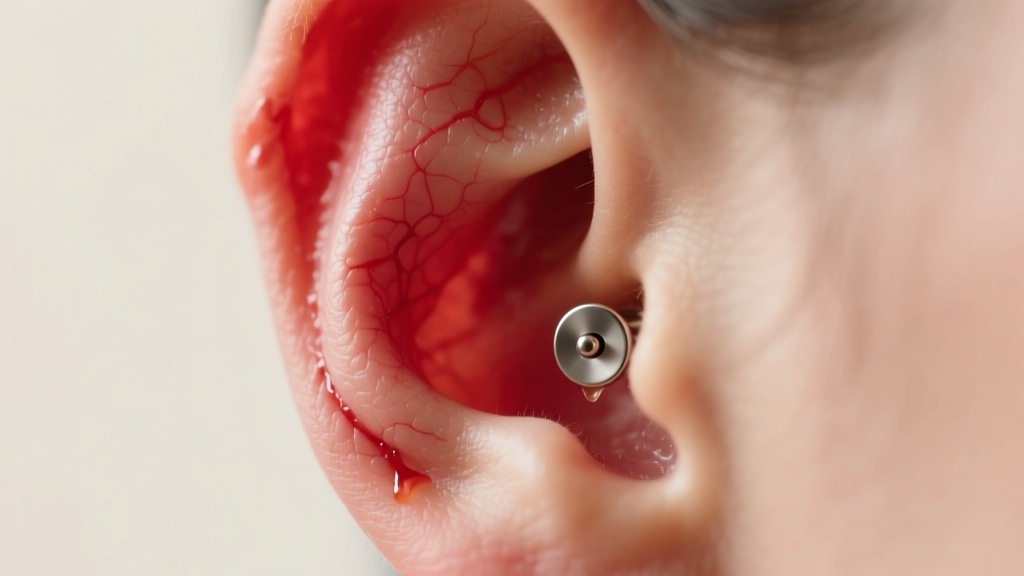
Identifying Infection From Earrings Symptoms vs. Allergic Reactions
When your earlobes or cartilage become red, swollen, and painful, it is easy to panic and assume the worst. However, understanding the precise infection from earrings symptoms is the critical first step before you throw away your entire jewelry collection or rush to a clinic. In the professional piercing and dermatology communities, it is widely recognized that up to 80% of what consumers believe to be a bacterial infection is actually Allergic Contact Dermatitis (ACD) or mechanical irritation.
Distinguishing between a true bacterial infection and a metal allergy dictates your next steps. An allergy requires a change in metallurgy, while a true infection requires medical intervention and strict hygiene protocols. Below is a clinical breakdown to help you triage your ear piercing issues.
| Symptom Category | Allergic Contact Dermatitis (Metal Allergy) | True Bacterial Infection | Mechanical Irritation |
|---|---|---|---|
| Discharge | Clear, watery, or slightly crusty yellow lymph fluid | Thick, opaque yellow, green, or white pus (often foul-smelling) | Dry, flaky skin or minor clear sebum |
| Pain Level | Intense itching, burning sensation, mild tenderness | Throbbing, deep aching, hot to the touch, highly sensitive | Sharp pain only when touched, snagged, or slept on |
| Redness & Swelling | Localized rash, flaking skin, puffy but not necessarily hot | Spreading redness, extreme heat, swelling that engulfs the jewelry | Localized bump (hypertrophic scarring) directly adjacent to the hole |
| Systemic Signs | None | Possible fever, swollen lymph nodes in the neck (requires immediate MD) | None |
The Root Cause: Why Your Earrings Are Triggering Symptoms
If you are experiencing infection from earrings symptoms, the culprit is rarely just 'bad luck.' The vast majority of piercing complications stem from two specific buying mistakes: purchasing porous or alloyed metals that harbor bacteria or leach nickel, and utilizing outdated hardware designs that trap biological debris.
Consider the traditional 'butterfly clutch' earring back. This design features a grooved post and a tight, enclosed clutch that presses directly against the back of the earlobe. This creates a dark, unventilated moisture trap where dead skin cells, sebum, and sweat accumulate. Over time, this decomposing organic matter (often colloquially referred to as 'ear cheese') breeds Staphylococcus and Streptococcus bacteria, leading to localized infections. Furthermore, the grooved post creates microscopic scratches inside the fistula (the piercing tunnel), providing a breeding ground for pathogens.
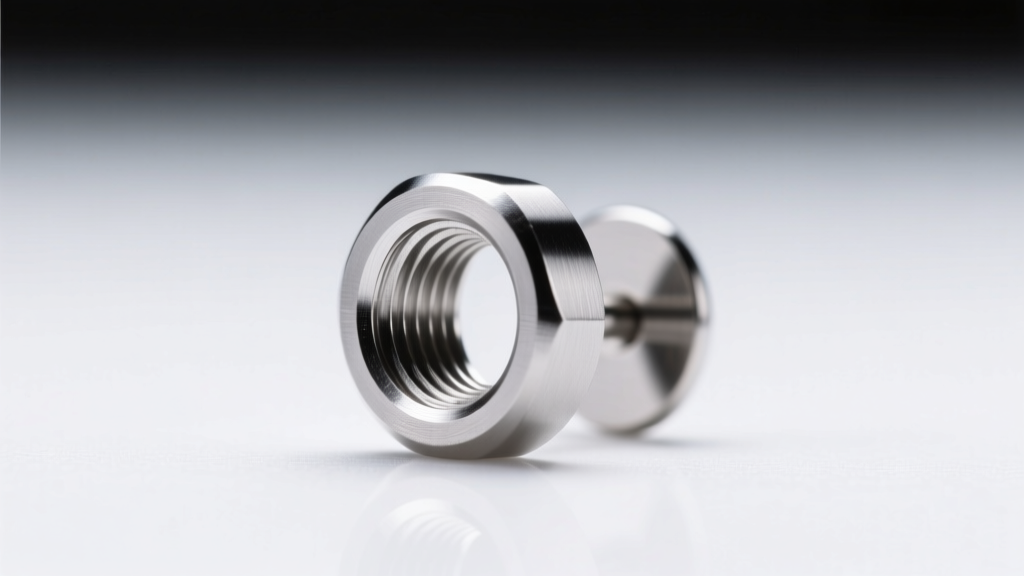
The Ultimate Safe Earrings Buying Guide: Metallurgy Matters
To permanently eliminate infection from earrings symptoms caused by metal reactivity and bacterial harboring, you must upgrade your jewelry box. When shopping, ignore marketing terms like 'hypoallergenic' or 'surgical steel,' which are unregulated and often contain high levels of nickel. Instead, look for these specific material grades.
Tier 1: Implant-Grade Metals (The Gold Standard)
- ASTM F136 Titanium: This is the exact grade of titanium used in medical joint replacements and pacemakers. It is completely nickel-free, highly polished, and biocompatible. Expect to pay $35 to $65 for a single high-quality titanium flat back labret from reputable brands like Intrinsic Body or Industrial Strength.
- ASTM F67 Commercially Pure Titanium: A slightly softer but equally safe alternative, ideal for initial piercings.
- Niobium: A highly reactive element that forms a safe, inert oxide layer when exposed to air. It is an excellent, budget-friendly alternative to titanium, though it cannot be mirror-polished to the same degree.
Tier 2: Safe Precious Metals
- 14k or 18k Solid Gold (Nickel-Free): Gold must be alloyed to be hard enough for jewelry. Ensure the manufacturer alloys their gold with palladium or silver, not nickel. Prices range from $80 to $250+ per piece. Avoid anything under 14k, as the higher percentage of base metals increases the risk of reactivity.
- Platinum: Incredibly dense, naturally white, and 100% hypoallergenic. It is the most expensive option but virtually indestructible and immune to tarnishing.
Metals to Strictly Avoid
If you suffer from recurring piercing issues, immediately discard or sell jewelry made from the following:
- 'Surgical' or 'Stainless' Steel: Contains 8-12% nickel. The term 'surgical' only means it is safe for temporary surgical tools, not for long-term implantation in the body.
- Gold-Plated or Gold-Filled: The thin layer of gold will eventually wear away, exposing a brass or nickel core directly to your open fistula.
- Sterling Silver: Contains 7.5% copper, which can oxidize and cause argyria (a permanent gray/black staining of the skin inside the piercing) and severe irritation.
Gauge Sizing and Hardware: Hidden Infection Triggers
Even if you buy pure titanium, the wrong physical dimensions can cause mechanical tearing, which mimics and invites infection from earrings symptoms. The 'cheese cutter effect' occurs when an earring is too thin for the tissue it supports.
Understanding Gauge Thickness
Many mall-kiosk piercing guns use 20-gauge (0.81mm) or even 22-gauge (0.64mm) posts. These are dangerously thin. The pressure of a heavy earring resting on a 20G wire can slowly slice through the earlobe, creating micro-tears that bacteria easily infiltrate.
- Standard Lobe Piercings: Upgrade to 16-gauge (1.2mm) or 14-gauge (1.6mm). This provides structural stability and prevents migration.
- Cartilage / Helix / Tragus: 16-gauge (1.2mm) or 18-gauge (1.0mm) is the industry standard to accommodate cartilage swelling and prevent rejection.
The Flat Back Labret Revolution
Replace all butterfly clutch studs with threadless or internally threaded flat back labrets. A flat back disc sits flush against the back of the ear, allowing water and air to circulate freely during showers. Because the post is completely smooth (no grooves) and the backing is secure, biological debris cannot accumulate, drastically reducing the risk of bacterial infections. When buying, ensure the post length is correct: an 8mm post is standard for healing, but a healed lobe usually requires a 5mm or 6mm post to prevent the jewelry from snagging on hair and clothing.
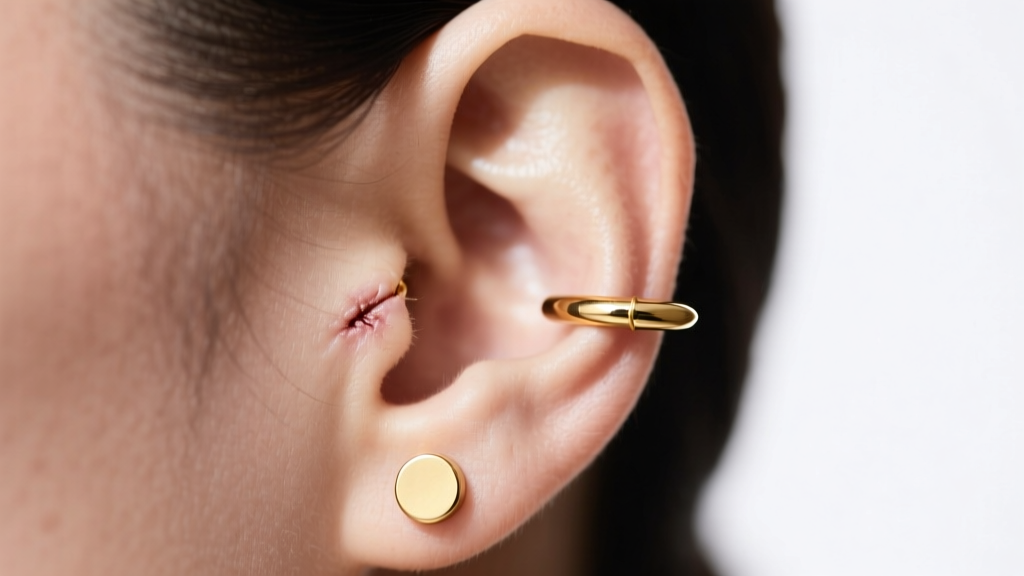
Aftercare and When to See a Professional
If you have audited your jewelry, upgraded to ASTM F136 titanium, and are still experiencing severe pain, spreading heat, or thick green discharge, you are likely dealing with a true bacterial infection that requires antibiotics. Do not remove the earring if a true infection is suspected, as the surface of the hole can close rapidly, trapping the abscess inside the tissue and leading to a more severe medical emergency.
'Never attempt to treat a suspected cartilage infection with over-the-counter antibiotic ointments. Ointments block oxygen and trap bacteria inside the fistula. Instead, use a sterile 0.9% sodium chloride saline solution twice daily and consult a physician immediately.' - Guidelines adapted from professional piercing aftercare standards.
For comprehensive medical guidance on distinguishing between contact dermatitis and bacterial issues, refer to the Mayo Clinic's overview on Nickel Allergy. Additionally, the American Academy of Dermatology (AAD) provides excellent, medically reviewed protocols for daily piercing hygiene and recognizing systemic warning signs.
By understanding the exact infection from earrings symptoms and investing in biocompatible, structurally sound jewelry, you can transform your piercing experience from a source of chronic pain into a lifelong, comfortable canvas for self-expression. Always prioritize metallurgy and hardware design over fleeting aesthetic trends when shopping for pieces that will live inside your body.


