Fixing Heavy Cookie Earrings: Sagging, Repairs & Hacks
Learn how to troubleshoot heavy cookie earrings. Fix sagging lobes, repair chipped enamel or polymer clay, and upgrade posts for sensitive ears.

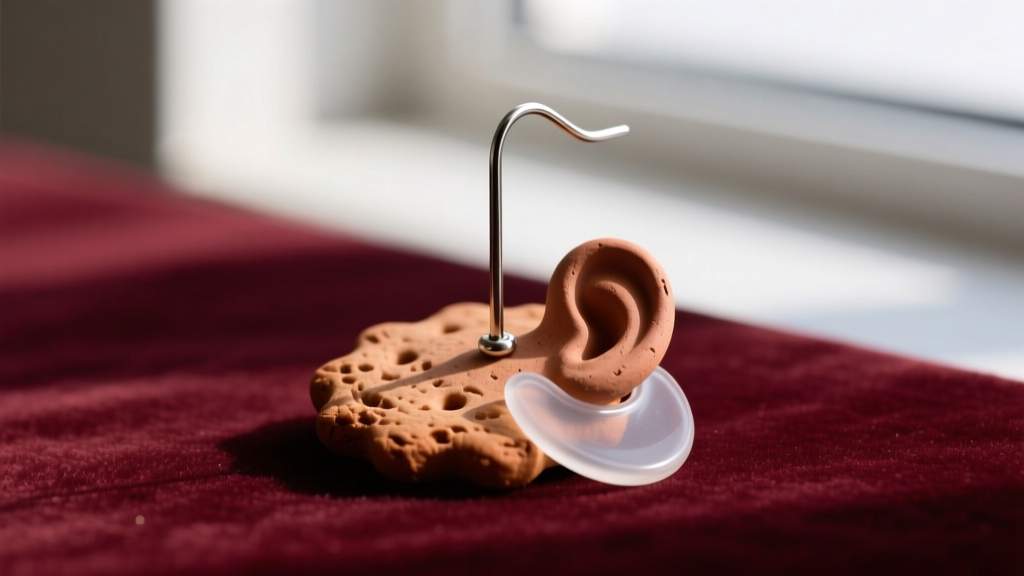
The whimsical charm of cookie earrings—from intricate polymer clay chocolate chip designs to glossy enamel macarons—has cemented them as a staple in novelty and statement jewelry collections. However, as any dedicated jewelry enthusiast knows, the structural reality of wearing oversized, food-inspired novelty pieces often clashes with their aesthetic appeal. In 2026, the market is flooded with gorgeous, hand-crafted cookie earrings, but many independent artisans and mass-market manufacturers alike prioritize visual design over ergonomic engineering. The result? Heavy pieces that drag down the earlobe, cheap base-metal posts that trigger contact dermatitis, and fragile materials that chip upon first wear.
If you are struggling with the practical realities of wearing these delightful but cumbersome accessories, you are not alone. This comprehensive troubleshooting guide dives deep into the physics of earlobe sagging, material-specific repair protocols for polymer clay and enamel, and the metallurgy required to upgrade your hardware for lifelong, allergy-free wear.
The Physics of Lobe Sag: Why Cookie Earrings Fail
To solve the problem of sagging, we must first understand the mechanics of the earlobe. A standard earlobe piercing is designed to support lightweight studs, typically weighing between 1 and 3 grams. Many artisan cookie earrings, particularly those featuring layered polymer clay, embedded glass beads, or thick brass bases, can weigh anywhere from 8 to 15 grams per earring. When a 12-gram, 2-inch macaron earring is suspended from a standard 20-gauge (0.81mm) wire post, it creates a severe fulcrum effect.
The center of gravity on most cookie-shaped designs sits far below and slightly behind the piercing hole. This downward pull stretches the delicate collagen and elastin fibers in the earlobe tissue. Over time, this leads to the dreaded 'cheese-cutter effect,' where the thin wire slowly migrates downward through the tissue, causing permanent elongation, micro-tears, and chronic inflammation. Furthermore, standard butterfly friction backs dig painfully into the neck when subjected to this rotational weight, causing localized pressure necrosis.
Troubleshooting Heavy Novelty Earrings
You do not need to abandon your favorite bakery-inspired jewelry. By redistributing the weight and altering the backing mechanism, you can restore perfect posture to your lobes.
1. Silicone O-Rings and Support Patches
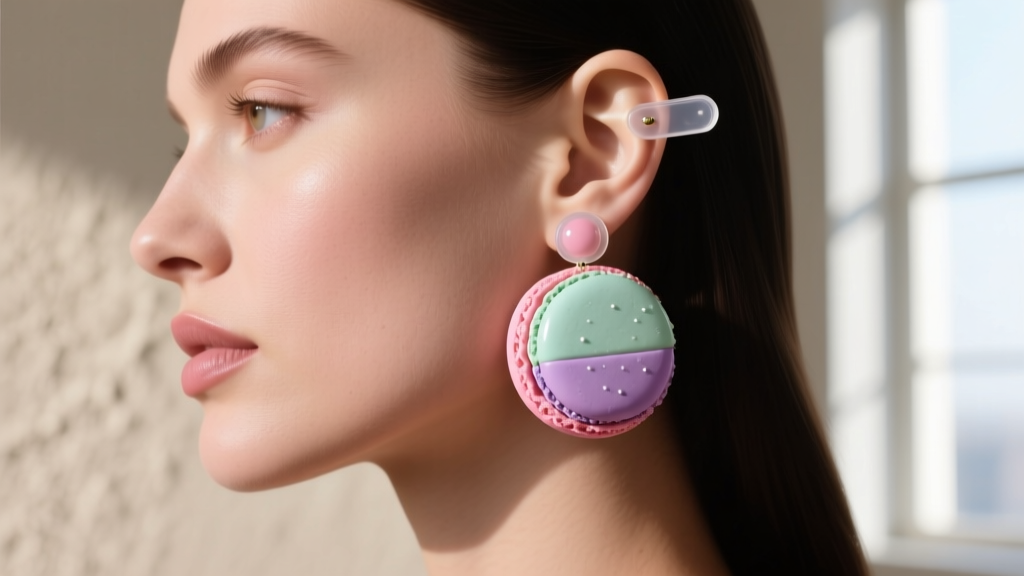
For immediate, non-destructive relief, swap standard metal friction backs for 6mm to 8mm silicone O-rings. The high-friction surface of medical-grade silicone grips the post securely without requiring excessive squeezing, which is crucial when the earring's weight is already pulling the post downward. For lobes that have already begun to stretch, adhesive earlobe support patches (such as LobeWonder) are essential. These thin, invisible polyurethane stickers feature a reinforced slit that disperses the 12-gram load across a 15-millimeter surface area on the back of the lobe, completely neutralizing the fulcrum effect.
2. Upgrading to Flat-Back Labret Posts
The ultimate structural fix for heavy cookie earrings is converting them to flat-back labret posts. Standard butterfly backs concentrate all pressure onto a tiny 2mm pin. A 16-gauge (1.29mm) or 14-gauge (1.63mm) flat-back titanium labret, however, features a broad, flush disc that rests gently against the back of the earlobe. This eliminates the painful poking sensation and provides a stable, wide-base anchor that prevents the earring from rotating forward. According to the Association of Professional Piercers, utilizing implant-grade materials with a wider gauge is the gold standard for preventing tissue migration in heavy jewelry.
Material Failures: Fixing Chips and Cracks
Cookie earrings are predominantly crafted from two materials: baked polymer clay (like Sculpey or Fimo) and kiln-fired or cold enamel. Both are highly susceptible to impact damage. Dropping a polymer clay gingerbread earring onto a tile floor will almost certainly result in a snapped appendage, while enamel sugar cookies are prone to spiderweb cracking when exposed to sudden temperature changes.
Repair Matrix for Novelty Materials
| Material | Common Damage | Repair Agent | Application & Cure Protocol |
|---|---|---|---|
| Polymer Clay | Snapped edges, deep gouges | Translucent Liquid Sculpey (TLS) | Apply TLS as a bonding agent, bake at 275°F (135°C) for 15 mins. |
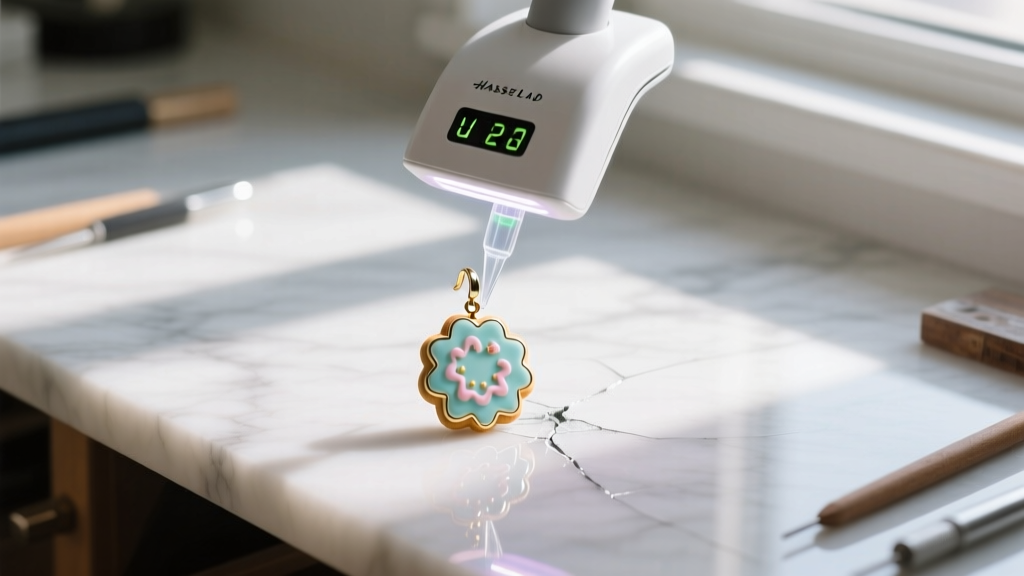
| Cold Enamel / Resin | Surface scratches, dullness | Clear UV Jewelry Resin | Paint thin layer over scratch, cure under 36W UV lamp for 60 seconds. |
| Kiln-Fired Enamel | Spiderweb cracks, chipped glass | Optically Clear Epoxy (Hughes 330) | Mix 1:1 ratio, apply with micro-brush, let cure 24 hours at room temp. |
When repairing polymer clay, never use standard super glue (cyanoacrylate). Super glue dries brittle and will inevitably snap again under the rotational stress of being worn on the ear. Instead, use Translucent Liquid Sculpey (TLS) or liquid Fimo. These liquid clays act as a flexible, chemically compatible weld. Apply a generous bead to the broken joint, hold it in place, and bake the entire earring on a ceramic tile. The liquid clay cross-links with the existing polymer matrix, creating a bond that is often stronger than the original piece.
The Allergy Trap: Swapping Base Metal Hardware
The most insidious problem with mass-produced cookie earrings is the hidden hardware. To keep costs low, manufacturers frequently use brass or nickel-silver alloy posts plated with a microscopic layer of gold or silver. Within weeks, the plating wears off against the skin's natural acidity, exposing the nickel underneath and triggering severe allergic contact dermatitis. If your earlobes become itchy, red, or weeping after wearing your favorite biscuit-shaped studs, the jewelry is failing you.
Swapping the hardware is a straightforward process that requires minimal bench tools. You will need a pair of flush wire cutters, a metal file, and a high-strength jeweler's adhesive. According to metal suppliers like Rio Grande, standard 5-minute hardware store epoxies degrade when exposed to skin oils and ultraviolet light. Instead, utilize Hughes 330 Jeweler's Epoxy or Devcon 2-Ton clear epoxy, which are specifically formulated for metal-to-metal and metal-to-polymer bonding.
Step-by-Step Post Replacement
- Sever the Old Post: Use flush cutters to snip the cheap metal post as close to the earring base as possible. File the remaining nub completely flat using a 400-grit diamond needle file.
- Prep the Surface: Lightly scuff the flat base of the earring and the pad of your new titanium post with a fiberglass scratch pen to create mechanical tooth for the adhesive.
- Mix and Apply: Mix your jeweler's epoxy in a strict 1:1 ratio. Apply a micro-drop to the center of the earring base.
- Set and Cure: Press the titanium post into the epoxy. Use a small piece of museum wax or sticky tack to hold the post perfectly perpendicular to the earring face while it cures for 24 hours.
Maintenance Checklist for Novelty Statement Pieces
To ensure your cookie earrings survive daily wear and environmental exposure, implement this quick maintenance routine:
- UV Protection: Polymer clay pigments, particularly pastel pinks and yellows used in macaron designs, are highly susceptible to UV degradation. Store your earrings in an opaque, lined jewelry box away from direct sunlight to prevent yellowing.
- Moisture Control: Never wear unsealed clay earrings in the shower. Water ingress will eventually cause the clay to soften and the metal posts to rust from the inside out, breaking the epoxy bond.
- Thread Sanitization: If you have converted your earrings to threaded titanium labrets, use a soft toothbrush and mild castile soap to clean the threads monthly. Accumulated sebum and dead skin cells can cross-thread and strip the delicate internal threading.
By addressing the structural, material, and metallurgical flaws inherent in novelty jewelry, you can transform fragile, uncomfortable cookie earrings into durable, heirloom-quality statement pieces that sit perfectly on the lobe without causing pain or allergic reactions.


